Stone Bath Mat Pros and Cons for Everyday Bathroom Use
Traditional fabric bath mats can start growing bacteria and mildew within just 48 hours of regular use, creating a hygiene problem most people don't even realize exists. Stone bath mats made from diatomite offer a completely different approach by absorbing water instantly and drying within minutes, which naturally prevents the damp conditions where bacteria thrive. Understanding the pros and cons of stone bath mat options like Natureva's collection helps you decide if this moisture-managing alternative is the right fit for your bathroom routine.
Table of Contents
What Makes Stone Bath Mats Different
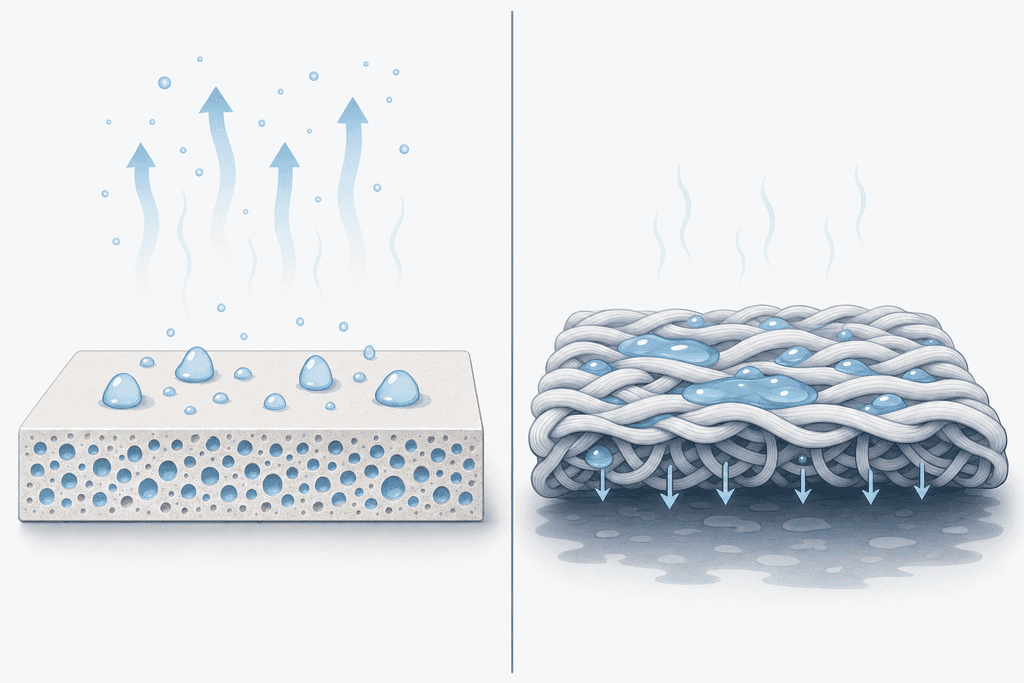
Most people step out of the shower onto a soggy fabric mat that stays damp for hours. Stone bath mats work completely differently because they're made from diatomite, a natural material formed from fossilized algae that lived millions of years ago. These tiny organisms left behind microscopic skeletons packed with millions of pores, creating a structure that pulls water away from your feet almost instantly. The material doesn't trap moisture like fabric does. Instead, it releases water back into the air through rapid evaporation, which means the surface dries in minutes instead of staying wet all day.
How Diatomite Construction Works
Stone bath mats aren't carved from a single piece of rock. They're made from a composite that combines diatomaceous earth with recycled paper, compressed into a dense slab that feels solid underfoot but weighs less than you'd expect. The manufacturing process skips all the chemical coatings and synthetic treatments that fabric mats rely on for water resistance.
The porous structure does something fabric can't do naturally. It prevents bacterial growth through physics rather than chemicals. When moisture evaporates quickly, bacteria don't get the damp environment they need to multiply. This is why stone mats stay fresher longer without needing constant washing.
- No synthetic waterproof coatings that trap moisture underneath
- Recycled paper acts as a binding agent without compromising absorbency
- Surface stays naturally antibacterial through rapid drying behavior
- Material breathes from top to bottom unlike sealed fabric layers
Stone vs Traditional Bath Mat Materials
Understanding the pros and cons of stone bath mat options means comparing them against what most bathrooms already have. The differences go beyond just how they look or feel underfoot.
| Feature | Stone Bath Mat | Fabric Bath Mat | Memory Foam Mat |
|---|---|---|---|
| Drying Time | 2-5 minutes | 4-8 hours | 6-12 hours |
| Washing Frequency | Weekly wipe down | Every 3-5 days | Every 5-7 days |
| Odor Development | Minimal | Frequent | Moderate |
| Weight | 1.5-1.8 kg | 0.3-0.5 kg | 0.4-0.7 kg |
| Lifespan | 2-3 years | 6-12 months | 1-2 years |
| Machine Washable | No | Yes | Yes |
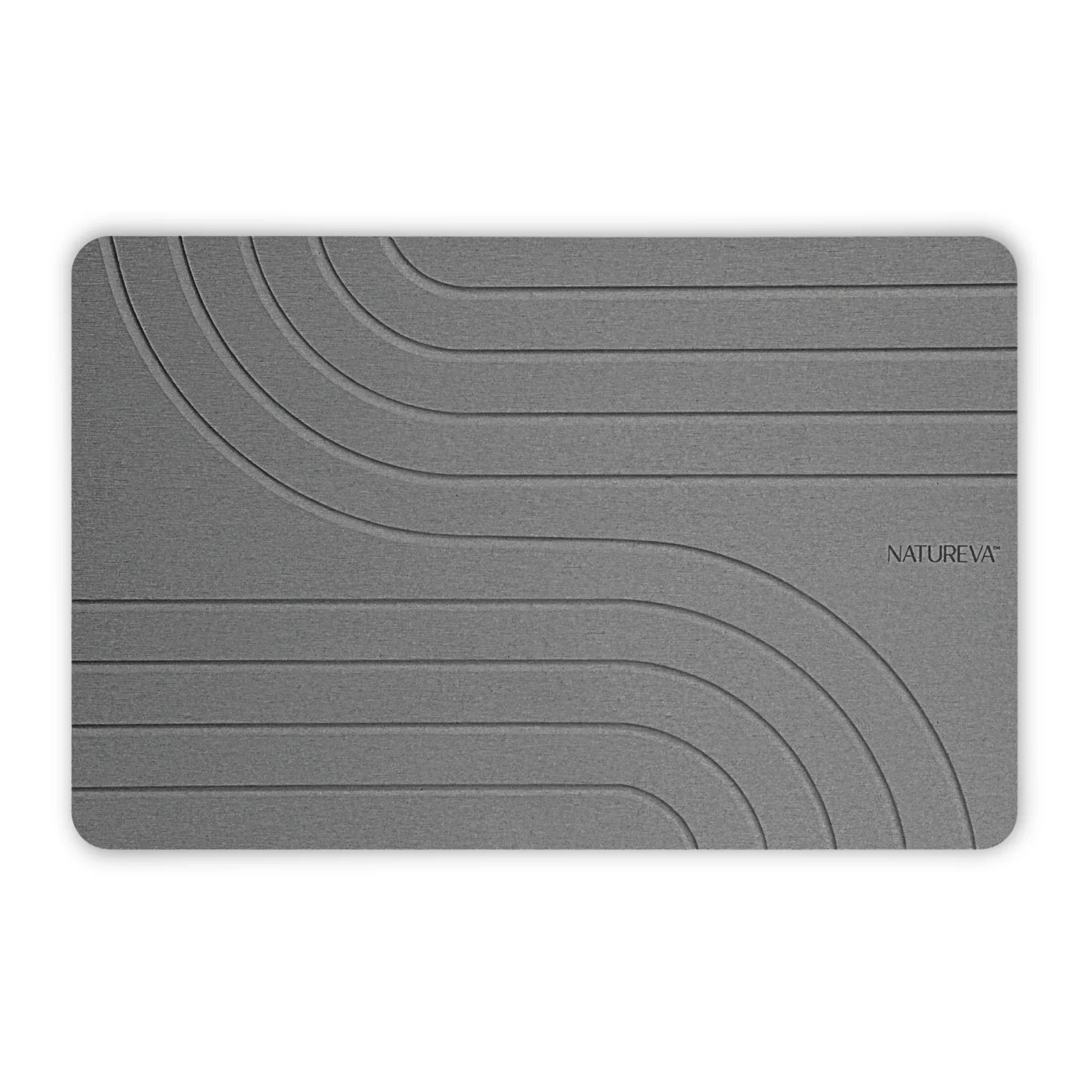
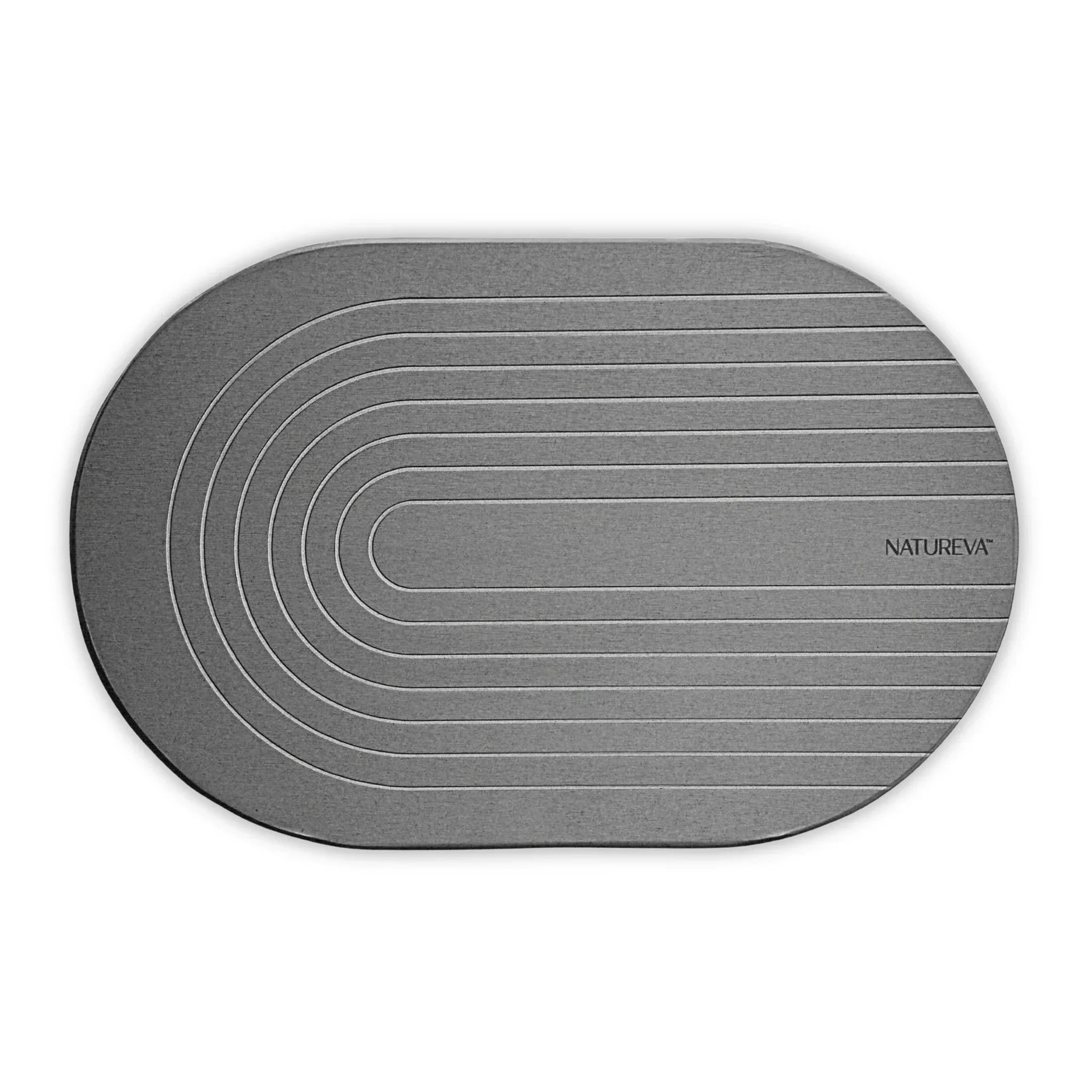
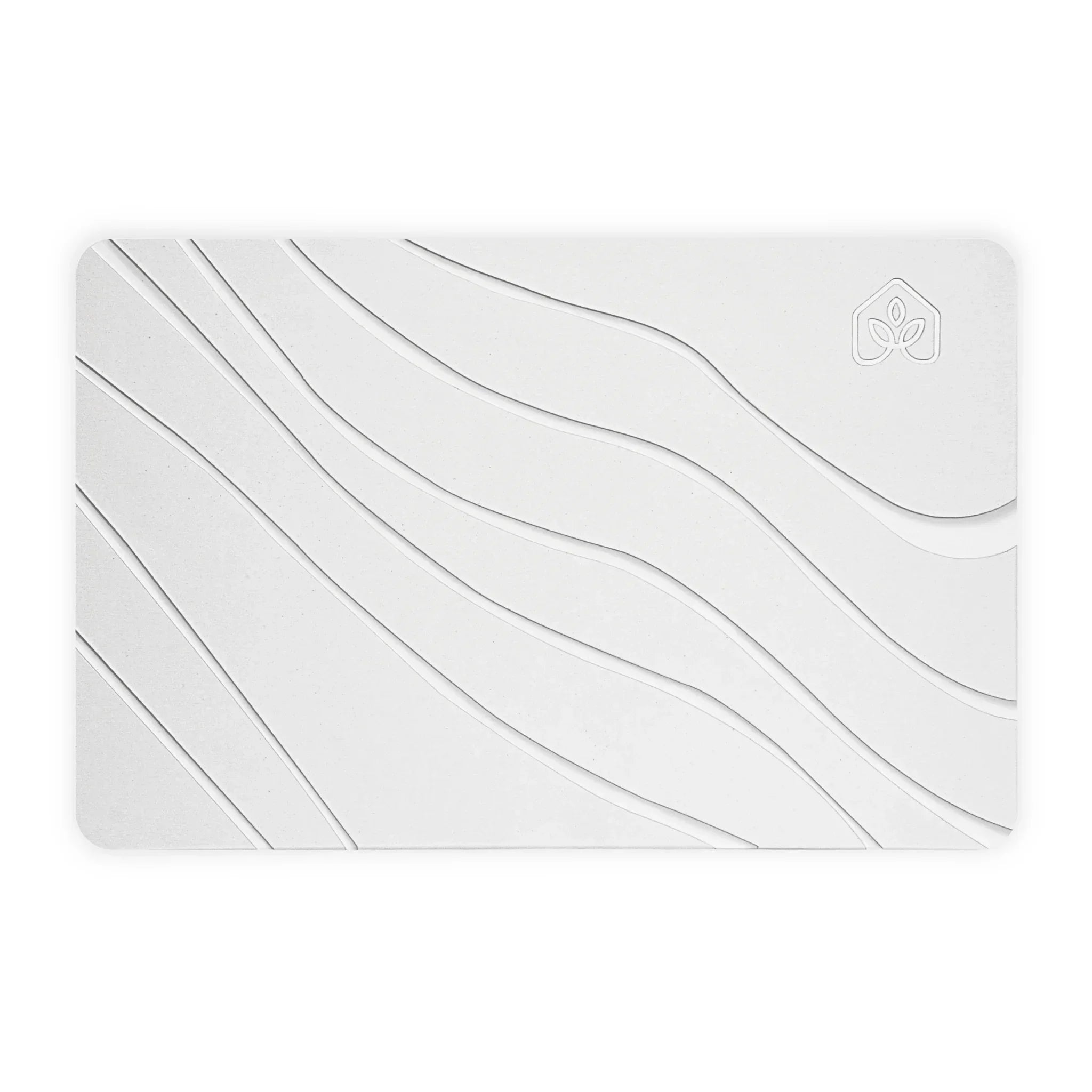
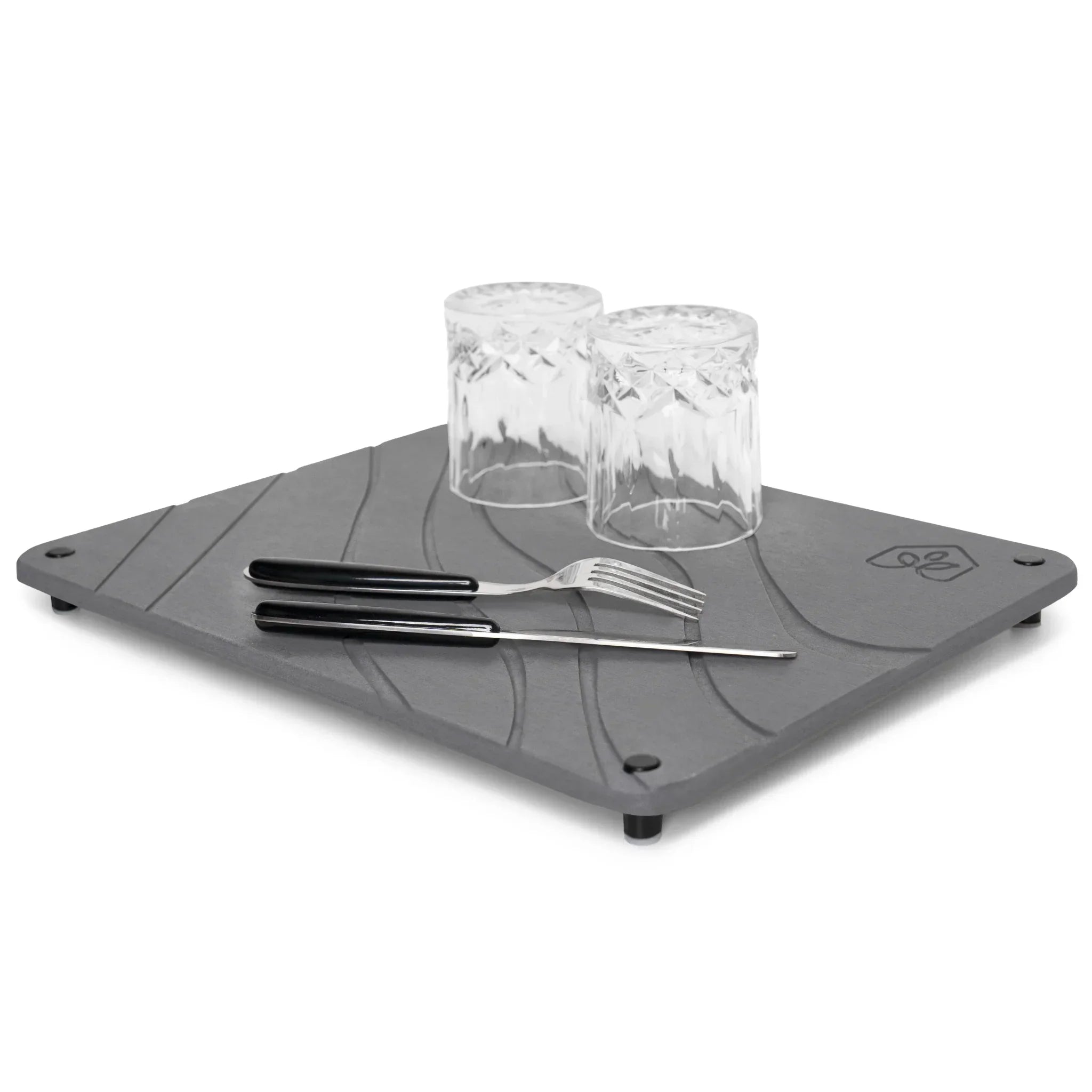
Natureva's stone bath mats use this diatomite composite across five different carved patterns, each designed to guide water across the surface while your feet dry. The non-slip base keeps the mat stable on tile floors, and the whole thing weighs around 1.8 kg, which is heavy enough to stay put but light enough to move when you need to clean behind it. According to research on stone bath mat absorbency and drying performance, the porous structure can absorb up to 150% of its weight in water while maintaining surface dryness.
Why Material Science Matters for Daily Use
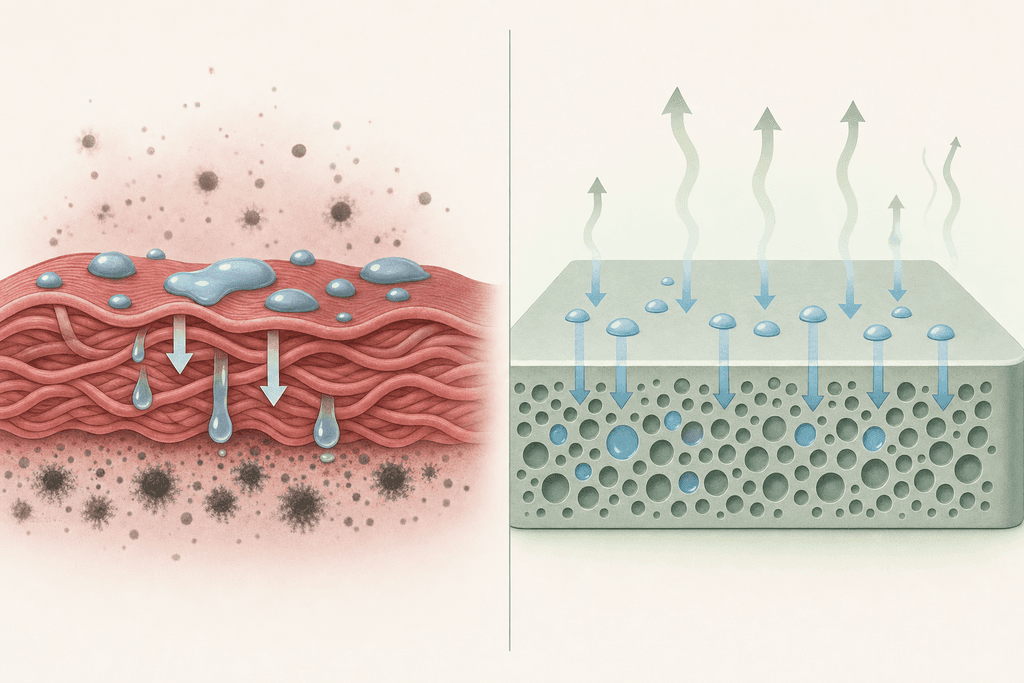
The way a bath mat handles moisture affects more than just comfort. Damp fabric mats create the perfect breeding ground for mold and mildew, especially in bathrooms without great ventilation. Stone mats sidestep this problem entirely because they don't hold onto water long enough for anything to grow.
- Fabric mats retain moisture in their fibers for hours after use
- Memory foam traps water between the foam and waterproof backing
- Stone releases moisture through evaporation within minutes
- Faster drying means less time for bacteria and odor to develop
This difference in material behavior is what drives most of the pros and cons of stone bath mat ownership. The same properties that make them dry quickly also make them heavier and more rigid than soft fabric alternatives.
The Benefits That Make Stone Mats Worth It
Most fabric bath mats stay damp for hours after your shower, creating a breeding ground for bacteria and mildew. Stone bath mats work differently because they're made from diatomite, a fossilized material with millions of microscopic pores that pull water away from your feet in seconds. The surface feels dry almost immediately, which changes how your bathroom functions on a daily basis. This isn't just about convenience, it's about creating a space that stays cleaner with less effort. Water absorption happens in seconds, not minutes, and that speed makes all the difference when multiple people use the same bathroom.
The hygiene benefits go beyond just drying quickly. Because the mat releases moisture back into the air through rapid evaporation, it never stays wet long enough for odors or mildew to develop. Natural antibacterial properties eliminate odor and mildew without any chemical treatments or sprays. According to Baptist Health, the quick-drying nature of stone mats helps reduce bacterial growth compared to traditional fabric options.
- Chemical-free construction safe for sensitive skin means no synthetic coatings or moisture-trapping finishes
- Minimalist designs complement modern bathroom aesthetics with carved patterns like Tide, Flow, Arch, Rain, and Aura
- Durable material lasts years with proper care, unlike fabric mats that need frequent replacement
- Eco-friendly alternative to synthetic materials made from fossilized algae and recycled paper
The design aspect matters more than you might think. Stone mats look intentional rather than functional, which means they don't need to be hidden away. Our stone bath mat collection includes five different engraved patterns in three neutral colors that work with most bathroom styles. The surface stays flat and structured, so it doesn't bunch up or shift around like fabric alternatives.
Durability becomes obvious after a few months of use. While fabric mats start looking worn and discolored, stone maintains its appearance because the material doesn't absorb stains the same way. The composite construction combines diatomaceous earth with recycled paper, creating a dense surface that feels solid underfoot while remaining lightweight at approximately 1.8 kg.
The Drawbacks You Should Know About
Stone bath mats aren't perfect for everyone, and the weight issue comes up frequently. At approximately 1.8 kg, these mats feel substantial compared to the fabric options most people are used to. This makes them harder to move around when cleaning the bathroom floor, and some users find them awkward to handle. Heavier than fabric mats means you need to commit to a specific placement rather than casually shifting it around. The weight also becomes a concern if you need to transport the mat or move it between bathrooms regularly.
The material's rigidity creates another set of challenges. Can crack or chip if dropped on hard surfaces, which means you need to handle it carefully during cleaning or repositioning. Unlike fabric that bounces back from impacts, stone shows permanent damage when mishandled. This fragility doesn't match well with households that have young children or chaotic morning routines where things get knocked around.
- Requires weekly cleaning with vinegar water to prevent buildup and maintain performance
- Surface needs periodic sanding to maintain absorption when pores become clogged over time
- Higher upfront cost compared to fabric alternatives at $59 versus $10-20 for basic fabric mats
- Not suitable for all bathroom layouts or user needs, especially small spaces or rental properties
The maintenance requirements go beyond what most people expect from a bath mat. You can't just throw it in the washing machine when it gets dirty. Weekly vinegar water wipes take under two minutes, but it's still an extra task to remember. Consumer Reports notes in their stone bath mat testing that maintenance consistency directly impacts long-term performance.
The cost factor stops many people from making the switch. While $59 isn't unreasonable for a product that lasts years, it's a significant jump from the $15 fabric mat you can grab at any store. The value proposition only makes sense if you actually use it daily and maintain it properly. For renters or people who move frequently, investing in a heavy stone mat that might not fit the next bathroom layout feels risky.
Maintenance Reality Check
The actual maintenance routine is simpler than it sounds once you build the habit. Weekly vinegar water wipe takes under 2 minutes and involves mixing equal parts white vinegar and water, wiping down the surface, and letting it air dry. This prevents mineral buildup from hard water and keeps the pores open for maximum absorption. Most people do this while cleaning the rest of the bathroom, so it doesn't feel like a separate chore. The key is consistency rather than intensity, since regular light cleaning prevents the need for deep restoration work.
Staining becomes an issue if you're not careful about what touches the surface. Avoid colored soaps that can stain the porous surface, especially bright blues, greens, or reds that can seep into the microscopic pores. If you drop something on the mat, rinse it under water immediately rather than letting it sit. The material absorbs liquids quickly, which is great for water but problematic for anything with dye or pigment.
| Task | Frequency | Time Required |
|---|---|---|
| Vinegar water wipe | Weekly | 2 minutes |
| Surface sanding | Every 2-3 months | 5 minutes |
| Deep stain treatment | As needed | 10 minutes |
| Upright drying | When saturated | Overnight |
The included sanding tool restores absorption when you notice water pooling instead of disappearing. Sanding tool included restores absorption when needed by reopening the surface pores that get clogged with soap residue and minerals over time. The P320 grit disc is gentle enough not to damage the carved patterns but effective enough to refresh the surface. You'll know it's time to sand when the mat takes more than 10 seconds to absorb water.
Hydrogen peroxide removes stubborn stains effectively without harsh chemicals that could damage the material. Pour it directly on the stain, let it sit for 10 minutes, then rinse thoroughly. For really stubborn marks, you can combine hydrogen peroxide treatment with light sanding. Air dry upright when mat becomes saturated from heavy use or deep cleaning, leaning it against a wall overnight to ensure complete moisture release.
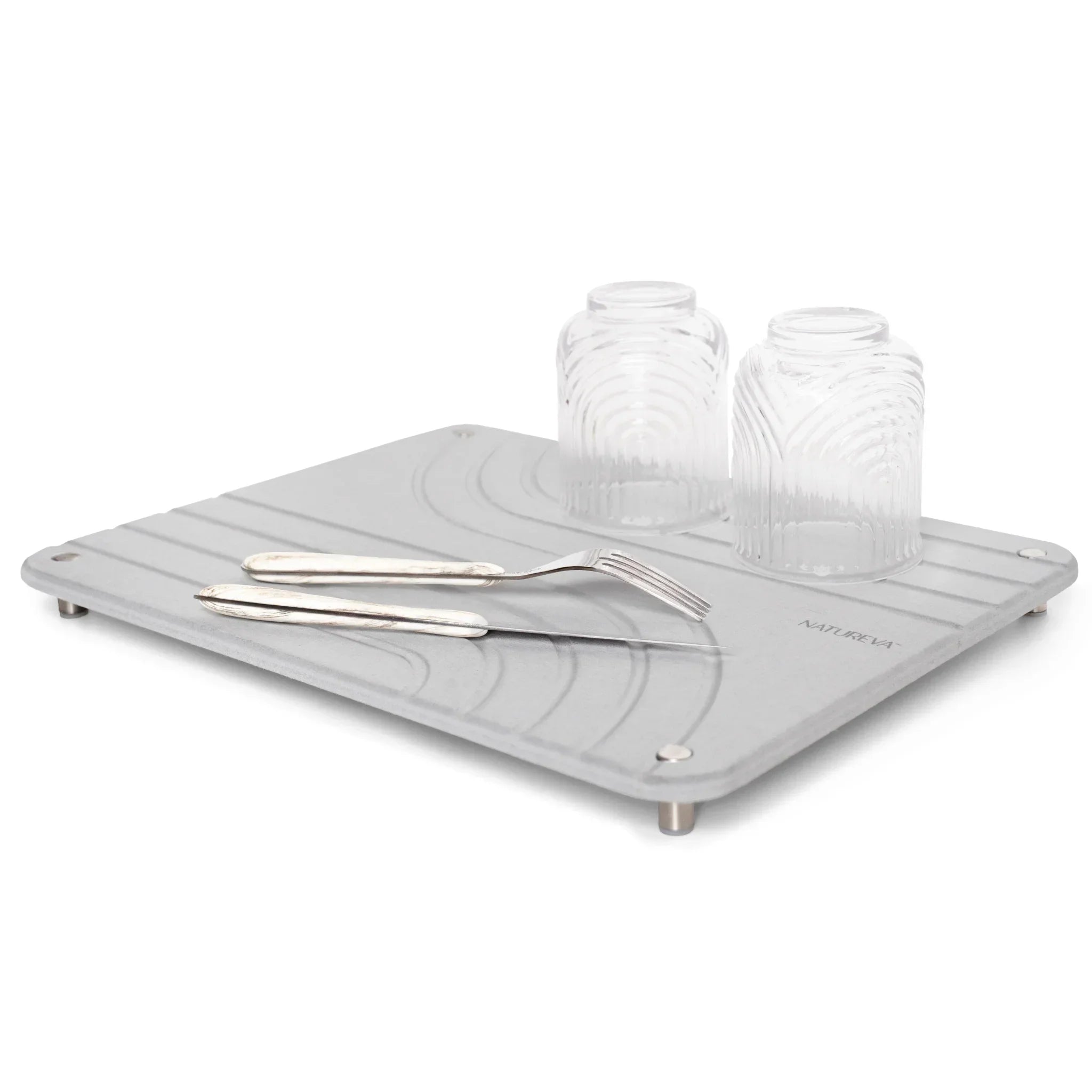
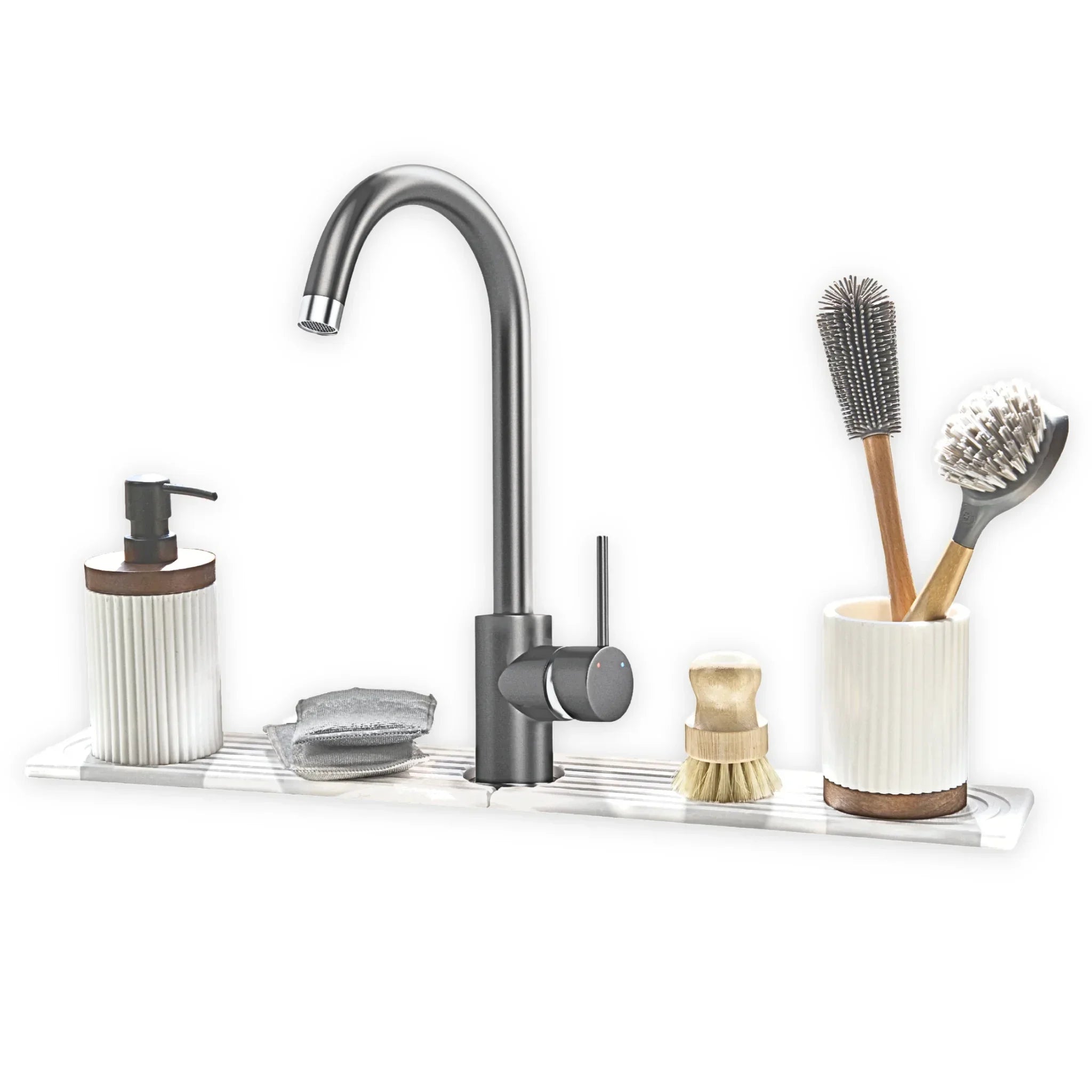
The reality is that proper care extends the lifespan significantly. According to Gaia Ecological, well-maintained stone mats can last several years without performance degradation. Our mats include everything you need for maintenance, from the sanding tool to the non-slip base pad that protects both the mat and your floor. If you're looking for other moisture-managing solutions, our stone dish mats and faucet mats use the same diatomite technology in kitchen and sink applications.
Who Should Choose Stone Over Fabric
Not every bathroom needs a stone bath mat, and that's perfectly fine. The decision comes down to how you use your space and what matters most in your daily routine. Stone mats work best when they match your lifestyle, not when they fight against it. Understanding who benefits most from this type of product helps you avoid buyer's remorse and actually enjoy what you purchase.
The next generation of home essentials: naturally made, cleaner by design, sustainable by nature.
SHOP ALLIdeal Candidates for Stone Mats
Some households are practically built for stone bath mats. If you live somewhere humid where fabric mats never quite dry, you already know the frustration of that damp feeling underfoot. Stone mats eliminate that problem entirely because they dry in minutes instead of hours.
- People who prioritize hygiene and hate the musty smell of wet fabric
- Homeowners with modern or minimalist bathroom designs
- Anyone living in coastal or tropical climates with high humidity
- Households without young children who might accidentally drop or damage the mat
- Users comfortable with simple weekly maintenance routines
The Natureva stone bath mats fit this profile perfectly, offering carved designs like Tide, Flow, and Arch that complement clean bathroom aesthetics. They're designed for people who want their bathroom accessories to work hard without looking cluttered.
When Fabric Might Be Better
Stone isn't always the answer. Families with toddlers who climb on everything might find the weight and hardness of stone mats impractical. If someone drops a stone mat, it can crack, and that's not a risk worth taking in chaotic households.
- Homes with very young children who need softer surfaces
- Renters who move frequently and need lightweight options
- Bathrooms with uneven floors where stability is a concern
- Users who prefer zero maintenance beyond throwing things in the wash
Real World Scenarios
| Scenario | Stone Mat Fit | Why |
|---|---|---|
| Humid climate | Excellent | Fast drying prevents mildew |
| Family with toddlers | Poor | Drop risk and hardness |
| Modern bathroom remodel | Excellent | Matches aesthetic goals |
| Frequent moves | Fair | Heavy but durable |
The choice really depends on whether you value long-term durability and hygiene over immediate convenience. Stone mats are an investment in your bathroom's future, not a quick fix. For more detailed guidance on choosing the right stone mat, check out this comprehensive guide that covers material science and practical considerations.
Making the Right Choice for Your Bathroom
Stone bath mats handle moisture better than fabric options, and that's really what matters most when you step out of the shower. The pros and cons of stone bath mat use come down to whether you value instant drying and better hygiene over the convenience of something lighter. Most people find the weight and occasional maintenance worth it once they experience how quickly these mats dry and how much cleaner their bathroom feels.
Your bathroom setup matters when deciding if stone is right for you. If you move your mat around daily or have young kids who might drag it across tile, the weight could be an issue. But if you want a mat that stays put, dries in minutes, and doesn't smell musty after a week, stone makes sense.
The Natureva stone bath mat collection includes five different patterns like Rain, Flow, and Tide, each available in Graphite, Slate, or Chalk. The carved surface patterns aren't just decorative, they help water spread and evaporate faster. At 59 dollars, they sit in the middle price range compared to other brands, and each one comes with a sanding tool to refresh the surface when absorption slows down.
If you're still weighing whether stone fits your routine, the questions below cover the specific details most people want to know before buying.
Common Questions About Stone Bath Mats
Stone bath mats are still relatively new to most households, which means people have plenty of questions before making the switch. The material feels different, looks different, and works differently than traditional fabric mats. Understanding how these mats perform in real daily use helps you figure out if they're actually worth the investment for your bathroom.
How long do stone bath mats last with regular use?
A quality stone bath mat typically lasts three to five years with normal household use. The diatomite material doesn't break down like fabric, so you won't see fraying or thinning over time. The main factor affecting lifespan is how well you maintain the surface, since buildup from soap residue or hard water can reduce absorbency if left unchecked.
Natureva stone bath mats include a sanding tool specifically designed to restore the surface when absorption slows down. Most users only need to sand their mat once or twice a year, which takes about two minutes and brings the mat back to like-new performance.
Are stone bath mats safe for elderly users or children?
Stone bath mats are generally safe for all ages when used properly on flat, stable flooring. The surface texture provides grip when wet, and the non-slip base pad prevents the mat from sliding during use. That said, the mat itself is a solid surface, so it doesn't cushion falls the way a thick fabric mat might.
For elderly users with balance concerns, the instant drying feature actually reduces slip risk compared to fabric mats that stay damp. Children adapt quickly to the firm surface, though younger kids may find the stone cold at first touch in winter months.
Can stone bath mats crack from normal bathroom use?
Stone bath mats are surprisingly durable for everyday stepping, but they can crack if dropped on a hard surface or if heavy objects fall on them. The diatomite composite material is dense and solid, not brittle like ceramic tile, so normal foot traffic won't cause damage.
The most common cause of cracking is improper handling during cleaning or moving. If you lift the mat to clean underneath or relocate it, support it from both ends rather than holding it from one side, which can create stress points.
How often do you need to sand the surface?
Most households need to sand their stone bath mat every six to twelve months, depending on water hardness and soap buildup. You'll know it's time when the mat stops absorbing water as quickly as it used to, or when you notice a film developing on the surface.
The sanding process takes just a few minutes using the included P320 grit tool. Light circular motions across the entire surface reopen the microscopic pores that give diatomite its absorption power, and the mat returns to full performance immediately.
Do stone bath mats work in cold bathrooms?
Stone bath mats absorb moisture just as effectively in cold bathrooms, but the surface will feel noticeably cooler underfoot than fabric alternatives. The stone takes on the ambient temperature of the room, which can be jarring on winter mornings in unheated spaces.
The absorption and drying performance actually improves in drier, cooler air since evaporation happens faster when humidity is low. Some users place a small fabric mat on top during colder months for initial foot contact, then step directly onto the stone after drying off.
What happens if you drop a stone bath mat?
Dropping a stone bath mat on tile, concrete, or hardwood flooring will likely cause it to crack or break into pieces. The material is strong under compression from body weight but vulnerable to impact from falls. This is the single biggest risk factor for stone mat damage in most homes.
If you need to move your mat regularly, always carry it with two hands and set it down gently. The Natureva stone bath mats weigh around 1.8 kg, so they're manageable to handle carefully, but the weight also means they'll hit hard if dropped.
The next generation of home essentials: naturally made, cleaner by design, sustainable by nature.
SHOP ALL