
Are Stone Bath Mats Hygienic and Easy to Keep Clean
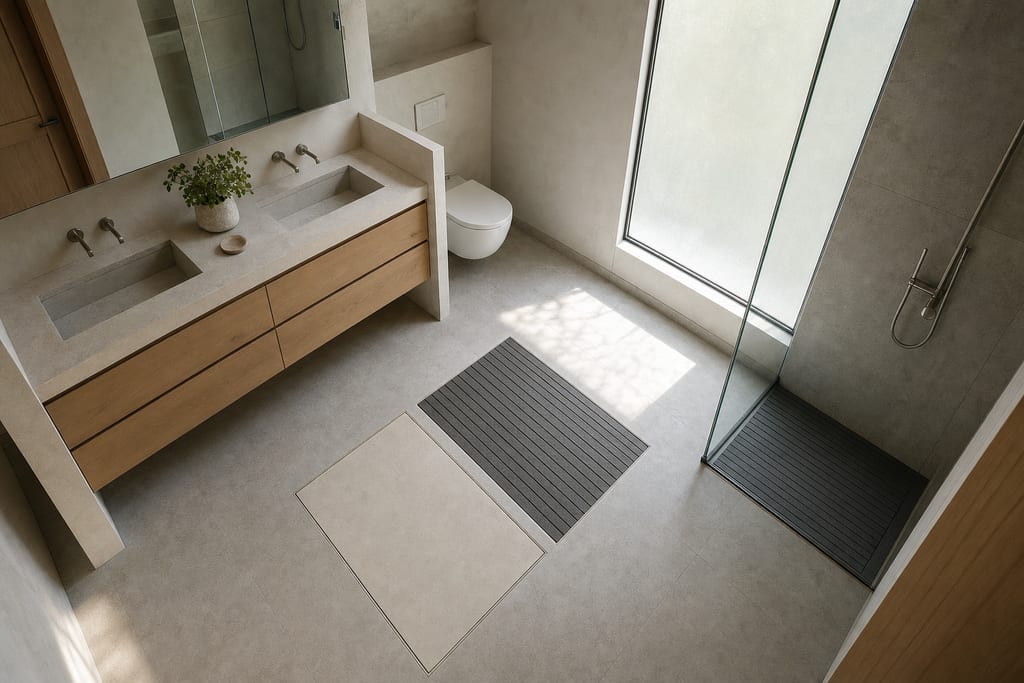
Your fabric bath mat might be holding onto moisture for hours after every shower, creating the perfect environment for bacteria and mold to multiply. Traditional mats can take up to 24 hours to fully dry, which means they're rarely ever truly clean between uses. Stone bath mats like those from Natureva Home work differently because they absorb water instantly and dry within minutes, cutting off the moisture that makes bath mats unsanitary in the first place.
Table of Contents
What Makes Stone Bath Mats Different
Most people don't realize that the average fabric bath mat stays damp for hours after a shower, creating the perfect breeding ground for bacteria and mildew. Stone bath mats work completely differently because they're made from diatomite, a natural material formed from fossilized algae that lived millions of years ago. These tiny organisms left behind microscopic skeletons packed with millions of pores, and those pores are what make diatomite so good at handling moisture. When water hits the surface, it gets pulled into these tiny spaces instantly, then releases back into the air through rapid evaporation.
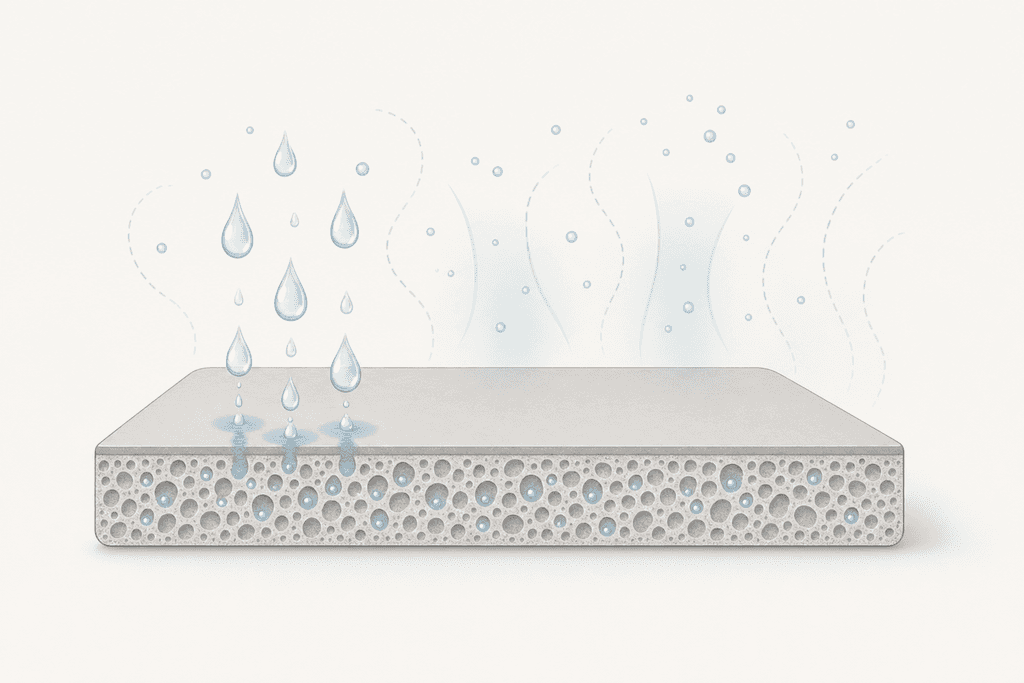
The science behind this is pretty straightforward. Traditional fabric mats trap water in their fibers and hold onto it, which is why they feel soggy and smell musty after a few uses. Stone mats do the opposite by absorbing water on contact and drying within minutes. This quick drying process is what makes them naturally antibacterial, not because of any chemical sprays or treatments, but simply because bacteria need moisture to grow and multiply.
How Diatomite Composite Construction Works
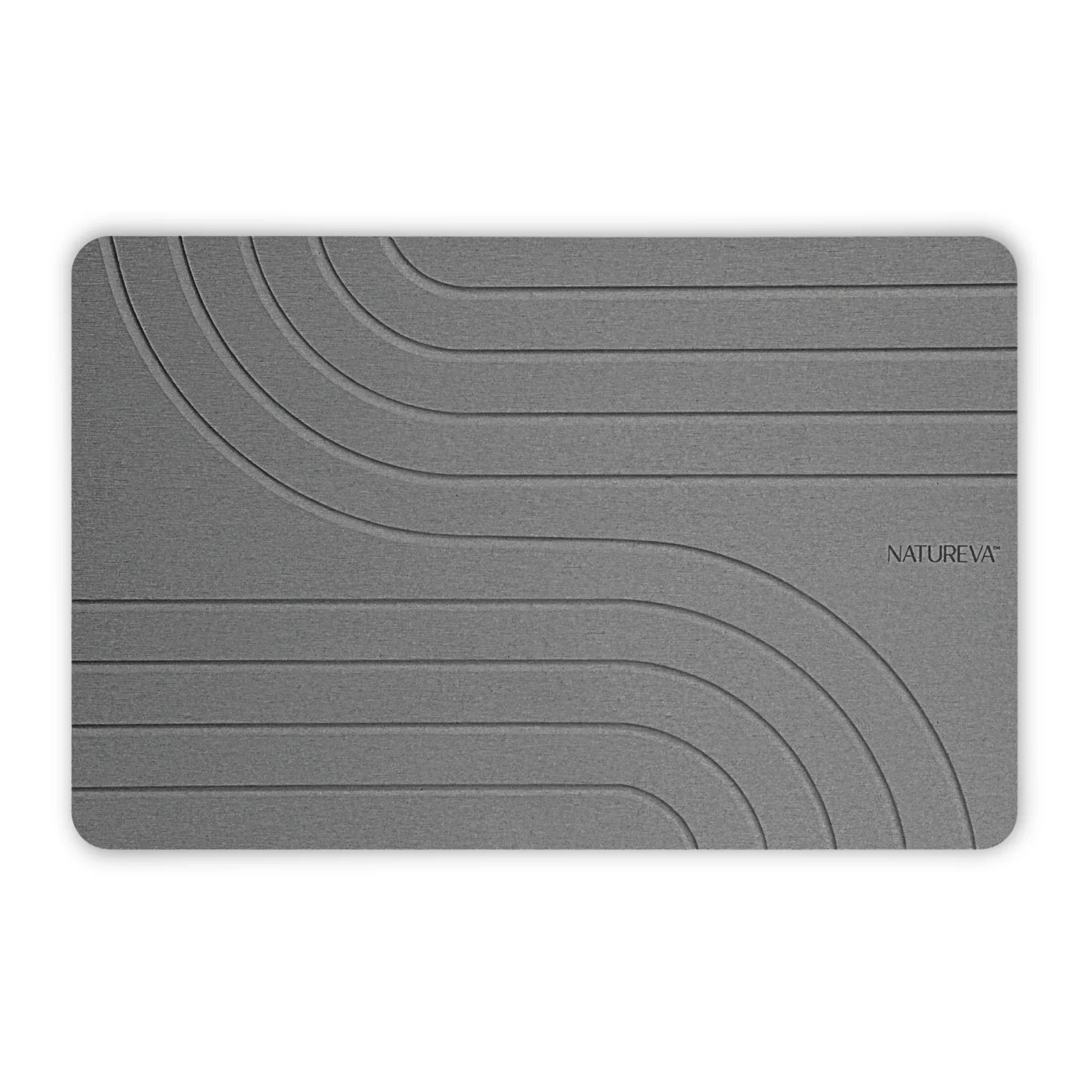
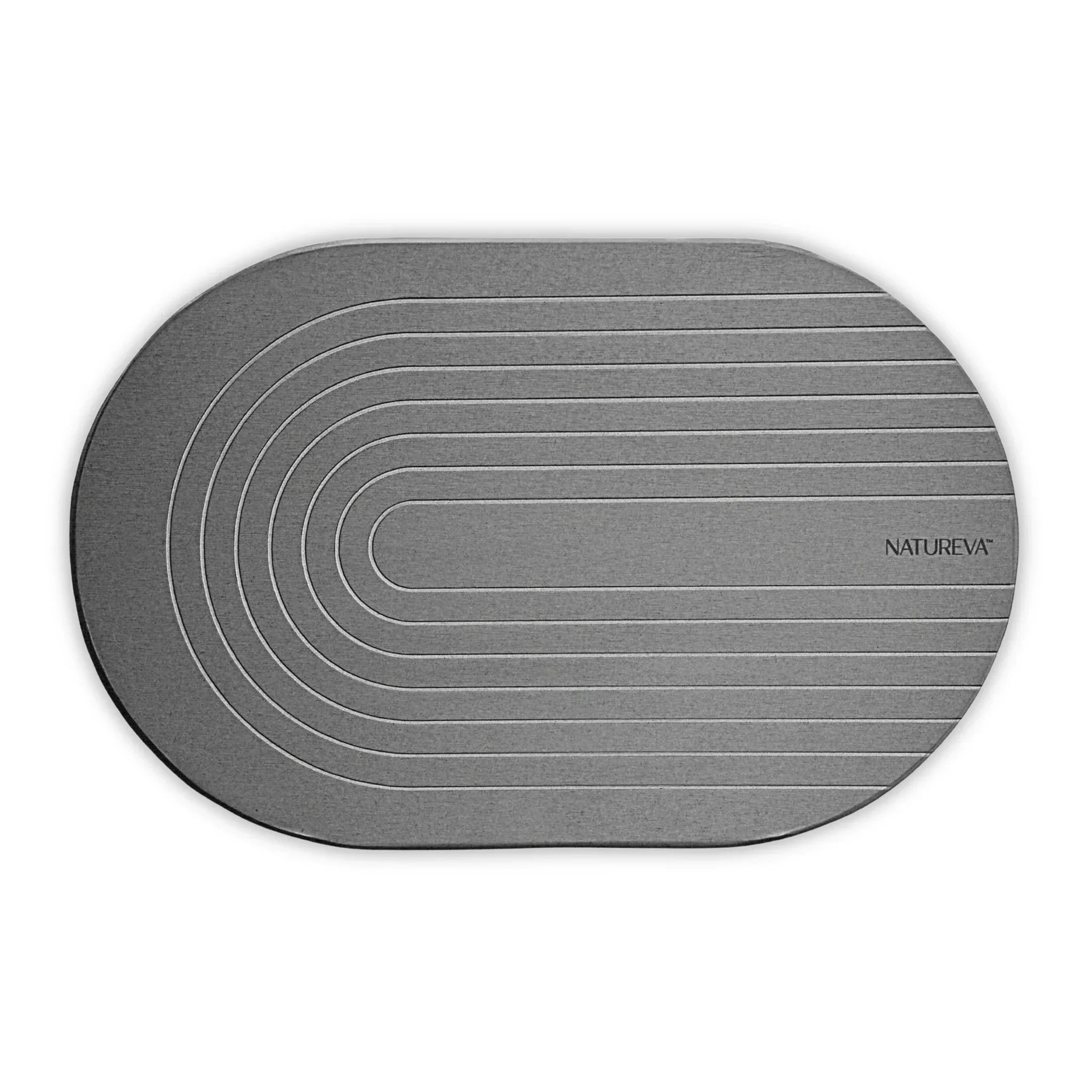
Stone bath mats aren't carved from a single piece of rock. They're made from a composite material that combines diatomaceous earth with recycled paper, compressed into a dense, solid form. This construction method creates a product that feels sturdy underfoot but stays lightweight enough to move around easily. The Natureva stone bath mats use this exact composite approach, with no synthetic coatings or moisture-trapping finishes added to the surface.
Here's what makes this material different from what you'd find in a typical bathroom:
- No fabric fibers to trap water and bacteria
- No chemical treatments or antibacterial additives needed
- No synthetic coatings that can wear off over time
- Natural drying happens through the material's structure, not surface treatments
Comparing Fabric vs Stone Bath Mats
The difference between traditional and stone bath mats becomes obvious when you look at how they handle the same bathroom conditions. Fabric mats were designed decades ago when quick-drying materials weren't available, so we've just accepted that bath mats stay wet and need frequent washing.
| Factor | Fabric Bath Mats | Stone Bath Mats |
|---|---|---|
| Drying Time | 2-4 hours | 5-10 minutes |
| Bacteria Growth | High (stays damp) | Low (rapid drying) |
| Odor Development | Common after few uses | Minimal to none |
| Washing Frequency | Weekly recommended | Monthly maintenance |
| Chemical Treatments | Often added | None needed |
Stone mats stay cleaner longer because they don't give bacteria the damp environment they need. According to research on moisture and microbial growth from the Centers for Disease Control, reducing moisture is one of the most effective ways to prevent mold and bacteria in home environments. That's exactly what happens when your bath mat dries in minutes instead of hours.
The key difference isn't just about convenience. It's about creating a bathroom environment where bacteria simply can't thrive because the conditions they need don't exist. When you step off a stone mat, the water you left behind is already starting to evaporate, not soaking into fibers where it'll sit until the next shower.
How Stone Bath Mats Stay Naturally Hygienic
Most fabric bath mats stay damp for hours after you step out of the shower, creating the perfect breeding ground for bacteria and mold. Stone bath mats work completely differently because they're made from diatomite, a material with millions of microscopic pores that pull moisture in and release it back into the air within minutes. This rapid evaporation cycle is what makes them naturally hygienic without any chemical treatments or antibacterial coatings.
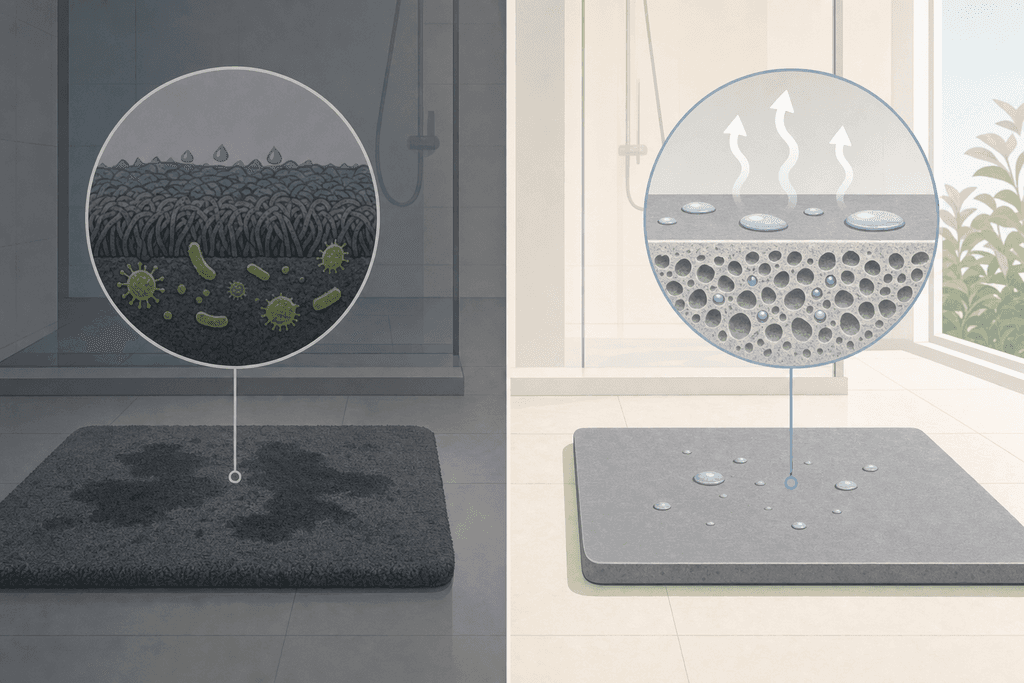
Bacteria need sustained moisture to multiply, and that's exactly what stone mats eliminate. When your feet touch the surface, water gets absorbed instantly into those tiny pores. Within a few minutes, the moisture evaporates completely, leaving the surface dry and inhospitable to bacterial growth.
- No fabric fibers means there's nowhere for dirt, soap residue, or dead skin cells to hide and accumulate
- The surface stays dry between uses, which prevents mold and mildew from taking hold
- Odor formation gets blocked because bacteria can't thrive in dry conditions
- Chemical-free construction relies on material science rather than synthetic antibacterial agents
According to Baptist Health, traditional fabric mats can harbor bacteria and mold when they stay damp, which is why the quick-drying nature of stone mats makes such a difference. The composite construction of diatomaceous earth and recycled paper creates a dense, stone-like form that feels solid underfoot while remaining breathable.
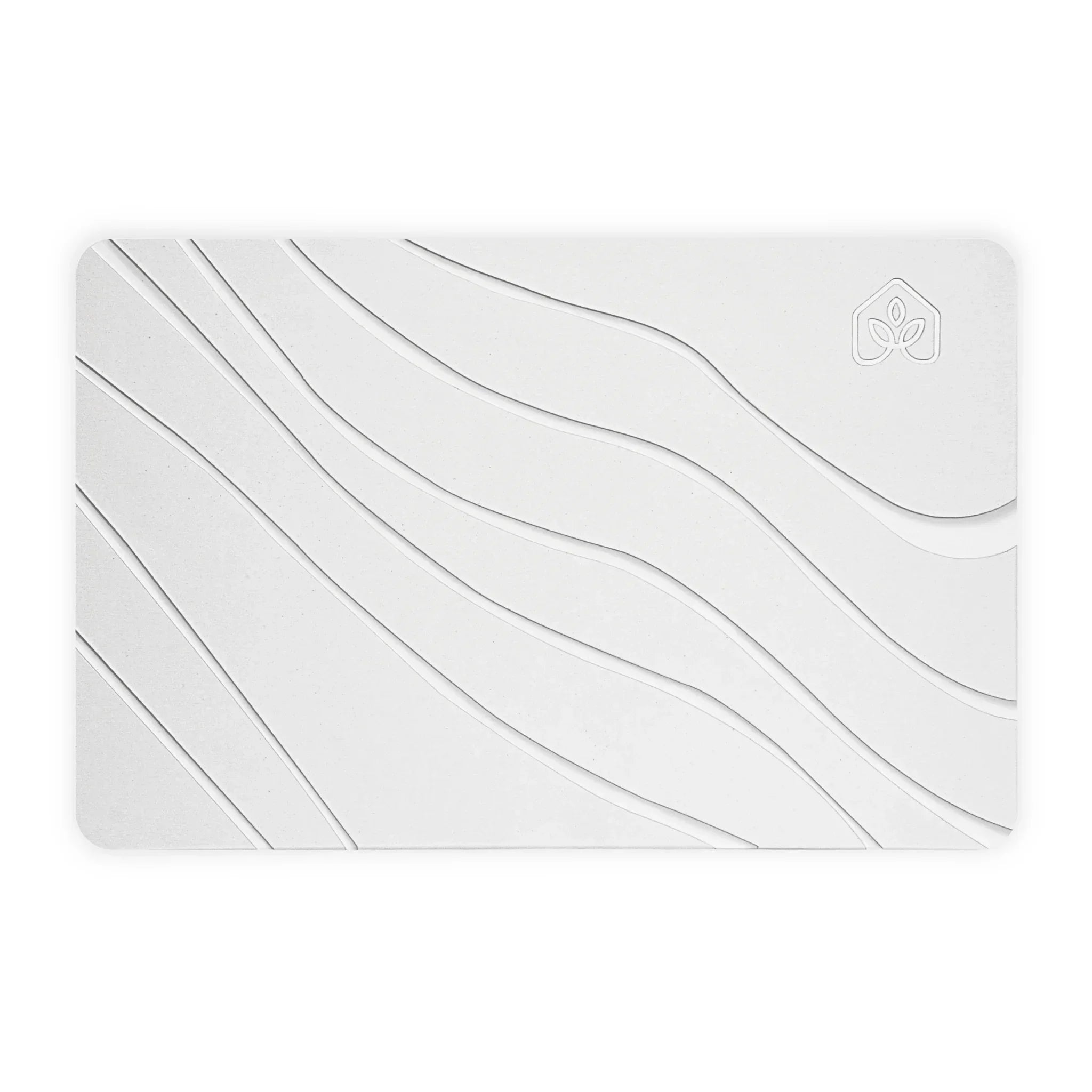
Our stone bath mat collection includes five different carved surface patterns, from the horizontal contours of Tide to the radial sunburst of Aura. Each one works the same way underneath those engraved designs, pulling moisture away from your feet and releasing it into the air before bacteria have a chance to settle in.
Daily Maintenance Is Almost Zero
The best part about stone bath mats is how little effort they require to stay clean and functional. Unlike fabric mats that need constant washing, hanging, and drying cycles, stone mats handle moisture management on their own. You don't need to pick them up after every shower or throw them in the washing machine weekly.
A simple weekly vinegar water wipe is all you need for regular maintenance. Just mix equal parts water and white vinegar, wipe down the surface, and you're done. This keeps the pores clear and prevents any buildup from soap or hard water minerals.
Weekly Maintenance Checklist:- Wipe surface with vinegar water solution
- Check for any visible stains or discoloration
- Rinse under water if needed
- Let air dry in upright position if fully saturated
Stains rinse off easily under running water because the material doesn't absorb colored substances the way fabric does. If you notice the mat isn't absorbing as quickly as it used to, the included sanding tool restores absorbency by reopening surface pores. The P320 grit sandpaper disc gently removes any buildup without damaging the material.
You only need to air dry the mat upright when it becomes fully saturated, which happens rarely with normal use. Most of the time, the mat dries itself through natural evaporation. This hands-off approach is what makes stone mats so practical for busy households.
The science behind diatomaceous earth explains why this material requires so much less maintenance than traditional options. The porous structure does the work for you, eliminating the need for constant intervention.
The next generation of home essentials: naturally made, cleaner by design, sustainable by nature.
SHOP ALLWhen and How to Deep Clean Your Stone Mat
Most people never need to deep clean their stone mat if they keep up with the weekly vinegar wipe. The material's natural properties prevent the kind of deep-set grime that builds up in fabric mats over time. But if you do notice stubborn stains or reduced absorbency, there are simple methods to restore your mat to like-new condition.
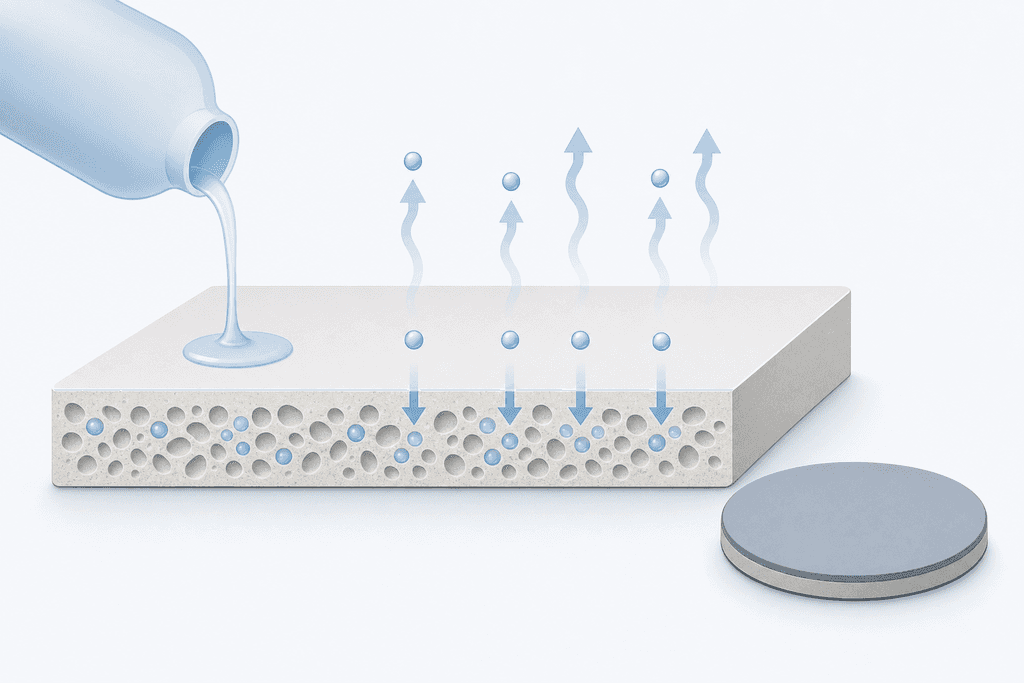
Hydrogen peroxide removes deep stains without harsh chemicals that could damage the porous surface. Pour a small amount directly on the stain, let it sit for a few minutes, then rinse thoroughly with water. This works for most discoloration issues without compromising the material's integrity.
Deep Cleaning Process:- Identify areas with reduced absorbency or visible stains
- Apply hydrogen peroxide to stained areas and wait 5 minutes
- Rinse thoroughly under running water
- Use the included sanding tool on any spots that still feel less absorbent
- Wipe clean and let air dry upright
The sanding tool that comes with every mat is your best friend for restoring full absorbency. Light circular motions with the P320 grit disc reopen surface pores that may have gotten clogged with minerals or soap residue. You'll notice the difference immediately when water starts absorbing faster again.
One important tip is to avoid colored soaps near your mat. The porous surface can absorb dyes from heavily colored products, which is harder to remove than regular stains. Stick with clear or white soaps in your bathroom to prevent this issue entirely.
The chemical-free construction means there are no protective coatings to worry about damaging during cleaning. You can use the sanding tool as often as needed without stripping away any treatments or finishes. The material is solid all the way through, so surface maintenance doesn't compromise its structure.
Whether you choose the Rain pattern with its vertical line segments or the Flow design with diagonal waves, the maintenance process stays the same. All our mats use the same diatomite composite and come with the same restoration tools, making care simple no matter which style fits your bathroom.
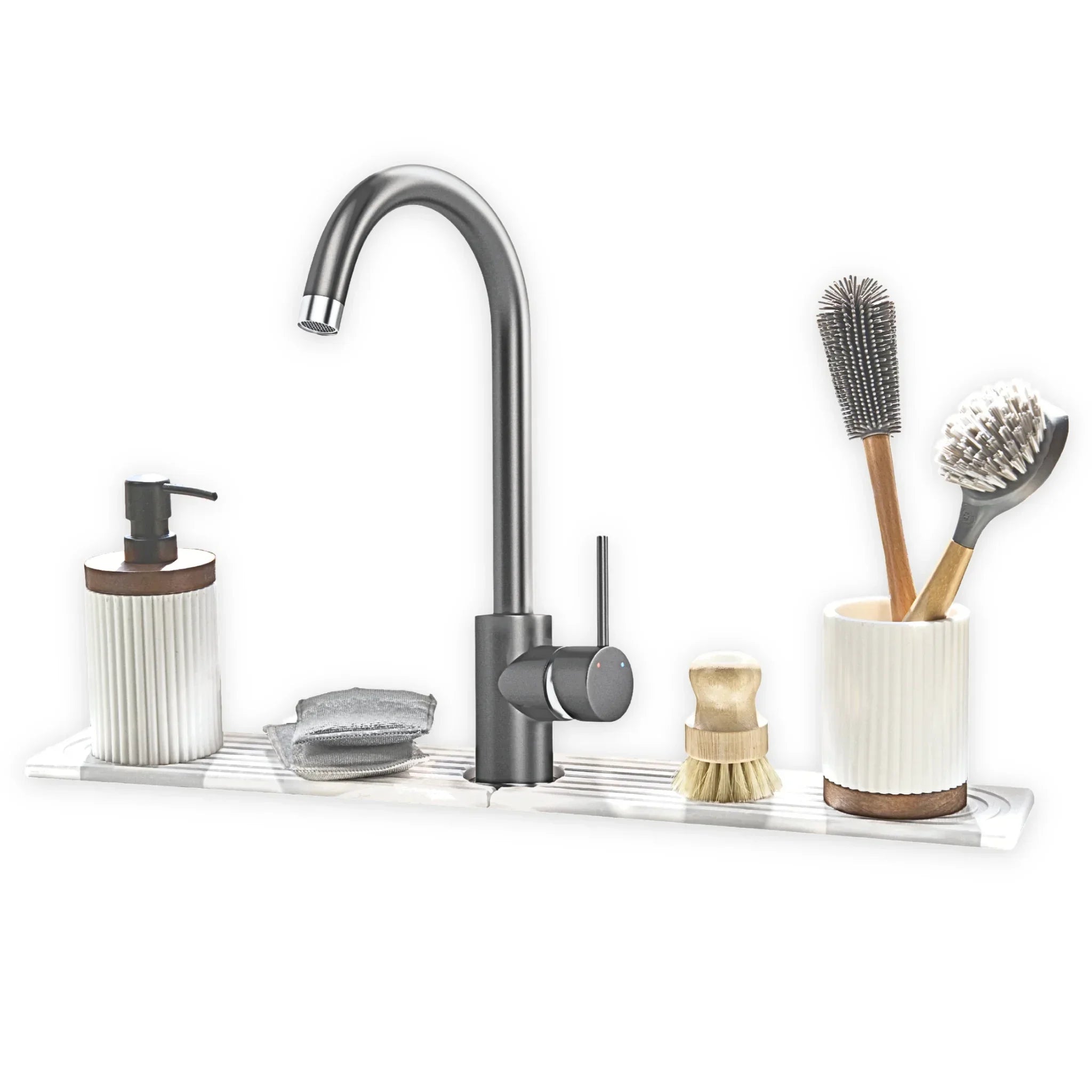
The same principles apply to our other stone products like the dish mats and sink caddies. They all benefit from the same low-maintenance approach that makes stone products so practical for managing moisture throughout your home.
Stone Mats Keep Your Bathroom Cleaner With Less Effort
So are stone bath mats sanitary? The short answer is yes, and they're actually easier to keep clean than fabric mats. The reason comes down to how they handle moisture. Traditional fabric mats trap water in their fibers, creating the damp environment bacteria love. Stone mats made from diatomite work differently because they absorb water instantly and release it back into the air within minutes. When there's no moisture sitting around, bacteria and mold have a much harder time growing.
The maintenance side is pretty straightforward too. You're not dealing with weekly washing cycles or that musty smell that shows up after a few days. A quick wipe with vinegar water once a week keeps things fresh, and if you notice any staining from soap or dirt, you can rinse it under water or use the included sanding tool to restore the surface. That's about it.
What makes Natureva stone bath mats different is the composite construction using diatomaceous earth and recycled paper, with no synthetic coatings or chemical treatments. The antibacterial properties come from the material's natural ability to stay dry, not from added chemicals. You can choose from five different carved patterns like Tide, Flow, or Rain, all designed to look clean and minimal in your bathroom.
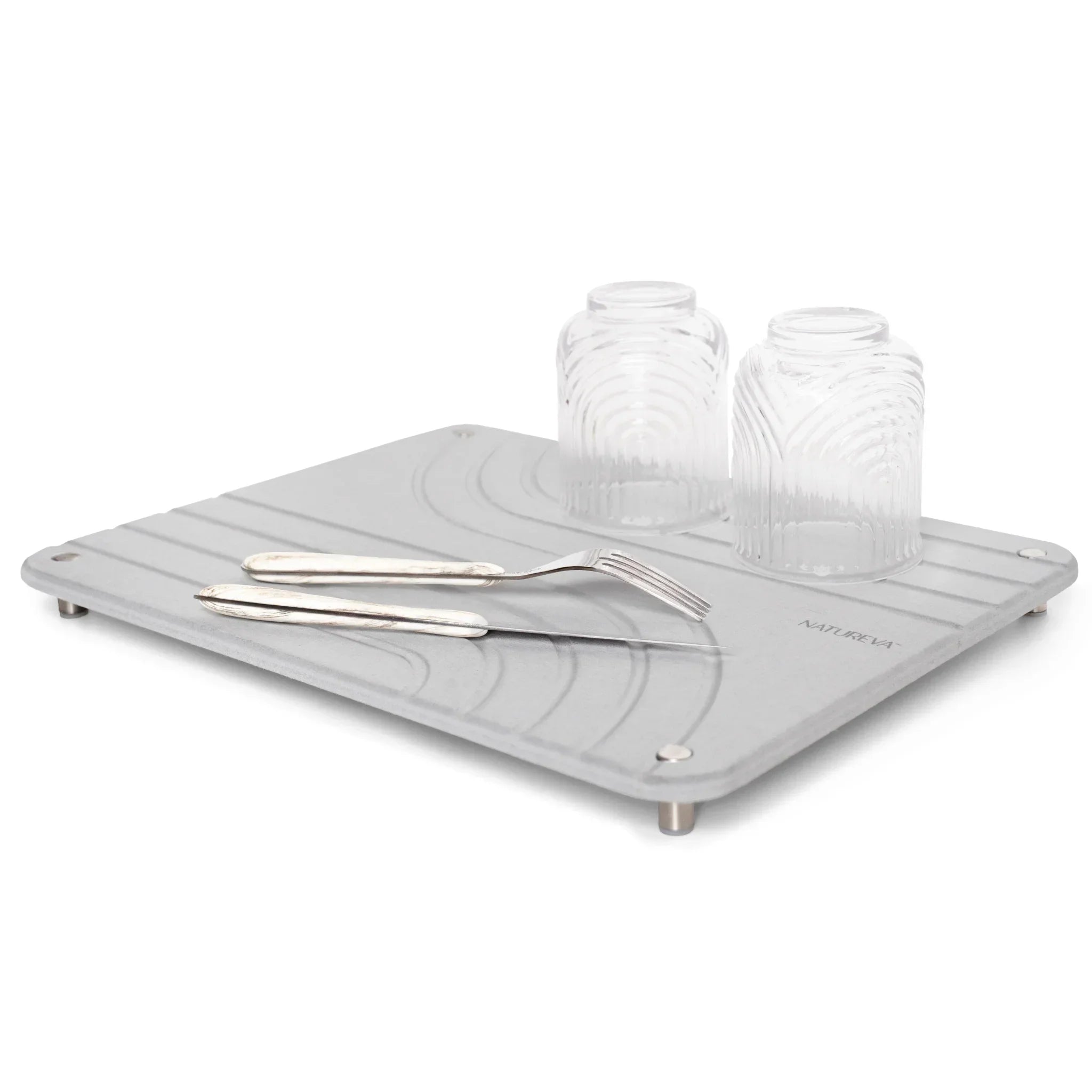
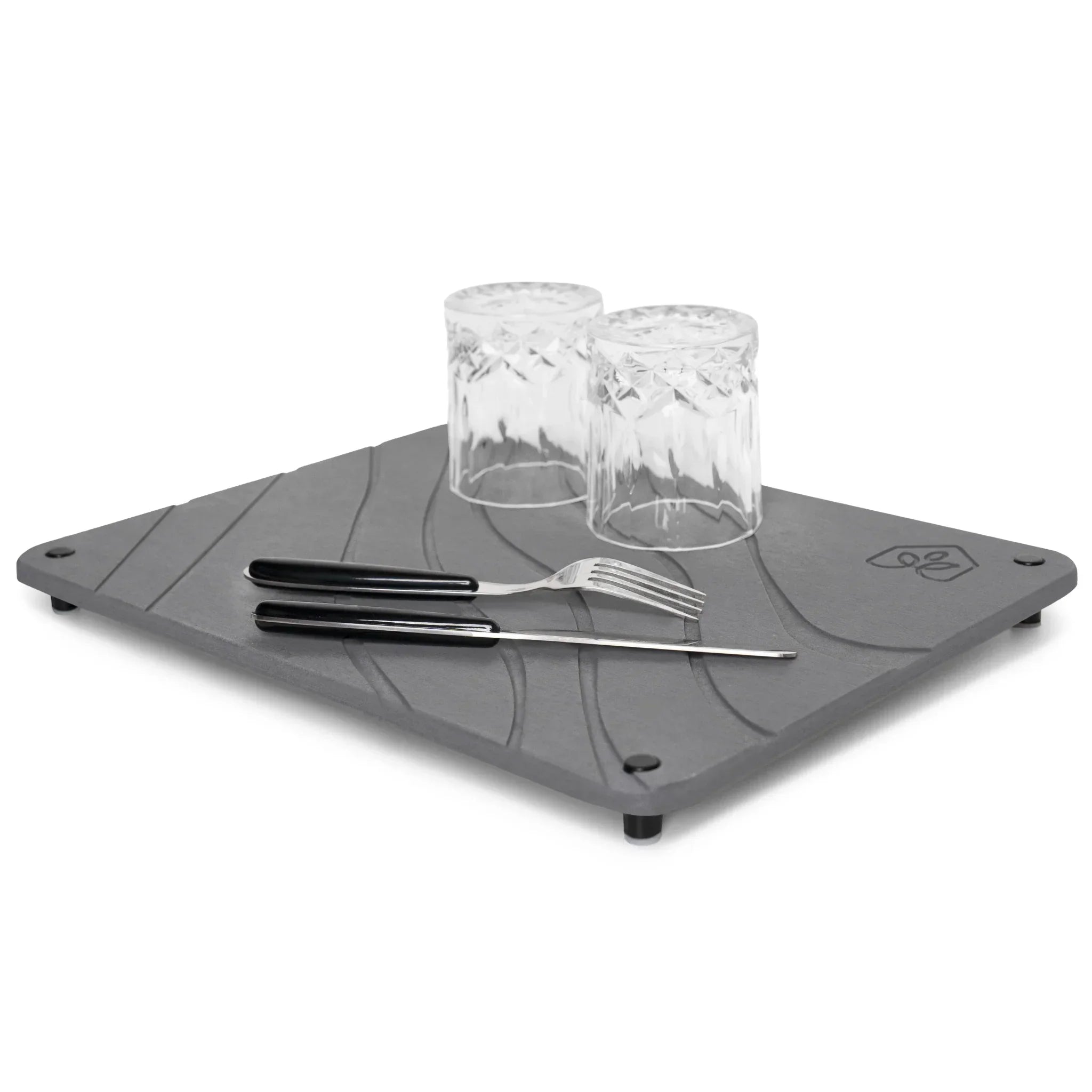
The same principle applies to other moisture prone areas in your home. Stone dish mats handle kitchen counters, faucet mats manage sink splashes, and there's even a pet mat for food and water bowls. The hygiene benefits stay consistent across all of them because the material works the same way everywhere.
Common Questions About Stone Bath Mat Hygiene
Stone bath mats work differently than fabric ones, which means people naturally have questions about how they stay clean. The material itself behaves in ways that might seem unusual if you're used to traditional mats. Here are the most common questions about keeping these mats sanitary and what actually happens when you use them every day.
Do stone bath mats harbor bacteria like fabric mats?
No, stone bath mats don't trap bacteria the same way fabric does because they dry completely within minutes instead of staying damp for hours. Bacteria need moisture to multiply, and since diatomite releases water back into the air almost immediately, there's no wet environment for bacteria to thrive in. Fabric mats stay soggy between uses, which is exactly what bacteria love.
How often do you need to clean a stone bath mat?
A quick wipe with vinegar water once a week is usually enough for regular maintenance. You're not dealing with the same buildup that happens on fabric because nothing stays wet long enough to create grime or odor. If you notice any staining from soap or products, just rinse it under water or use the included sanding tool to refresh the surface.
Can mold grow on stone bath mats?
Mold needs consistent moisture to grow, and stone mats dry too quickly to support it. The porous structure of diatomite pulls water in and then releases it through evaporation, so the surface never stays damp long enough for mold spores to take hold. This is one of the main reasons people switch from fabric mats that develop that musty smell over time.
What happens if you spill something on a stone mat?
Water gets absorbed instantly, but anything with color or oil might leave a mark if it sits too long. Rinse the mat under water right away if you spill soap, shampoo, or anything that could stain. For stubborn marks, hydrogen peroxide works well, or you can sand the surface lightly to reopen the pores and remove discoloration.
How long do stone bath mats stay hygienic?
Stone mats stay sanitary as long as you maintain them properly, which is much simpler than washing fabric mats every week. The material itself doesn't degrade or lose its antibacterial properties because those properties come from how it handles moisture, not from any coating or treatment. Natureva stone bath mats include a sanding tool specifically designed to restore absorbency if the surface ever feels less responsive, which keeps them performing like new for years.
Are stone bath mats sanitary for multiple people?
Yes, because each person's footprints dry within moments of stepping off. There's no transfer of moisture or bacteria between users like there is with a fabric mat that stays wet all day. The mat resets itself after every use, which makes it more hygienic in shared bathrooms than traditional options.
The next generation of home essentials: naturally made, cleaner by design, sustainable by nature.
SHOP ALL