
Stone Bath Mats Last How Long and What Affects It
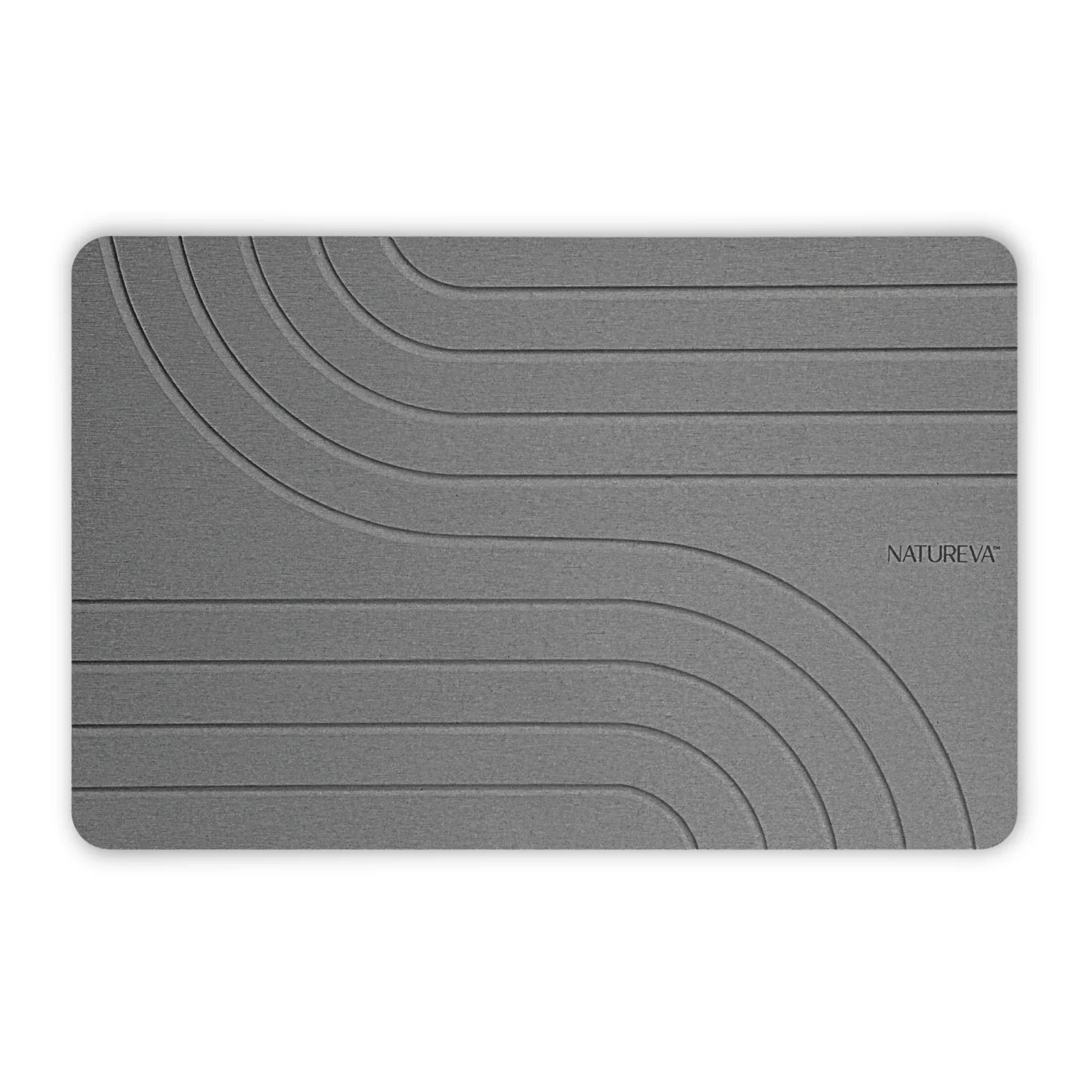
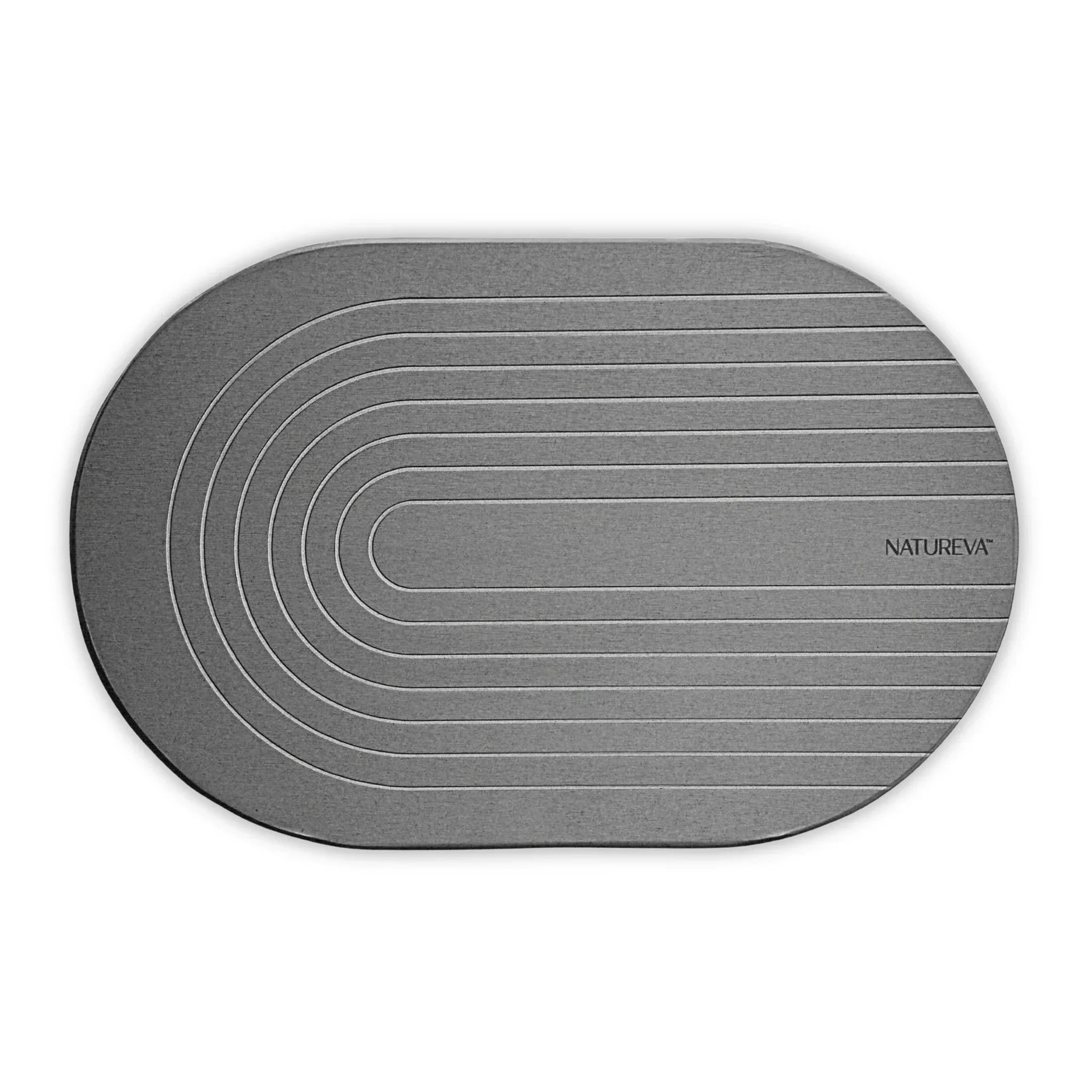
Most fabric bath mats need replacing every six months, but a quality stone bath mat can last anywhere from two to five years or longer depending on how you treat it. The difference comes down to the unique properties of diatomite and how well you maintain its natural absorption abilities. Understanding what affects your mat's lifespan helps you protect your investment and keep it performing like new, whether you're considering a Natureva stone bath mat or already own one.
Table of Contents
- What Makes Diatomite Different from Regular Mats
- Expected Lifespan Under Different Usage Patterns
- Five Factors That Shorten Your Mat's Life
- Maintenance Habits That Double Lifespan
- When to Restore vs When to Replace
- Cost Per Year Makes Quality Worth It
- Getting the Most from Your Investment
- Common Questions About Stone Bath Mat Longevity
What Makes Diatomite Different from Regular Mats
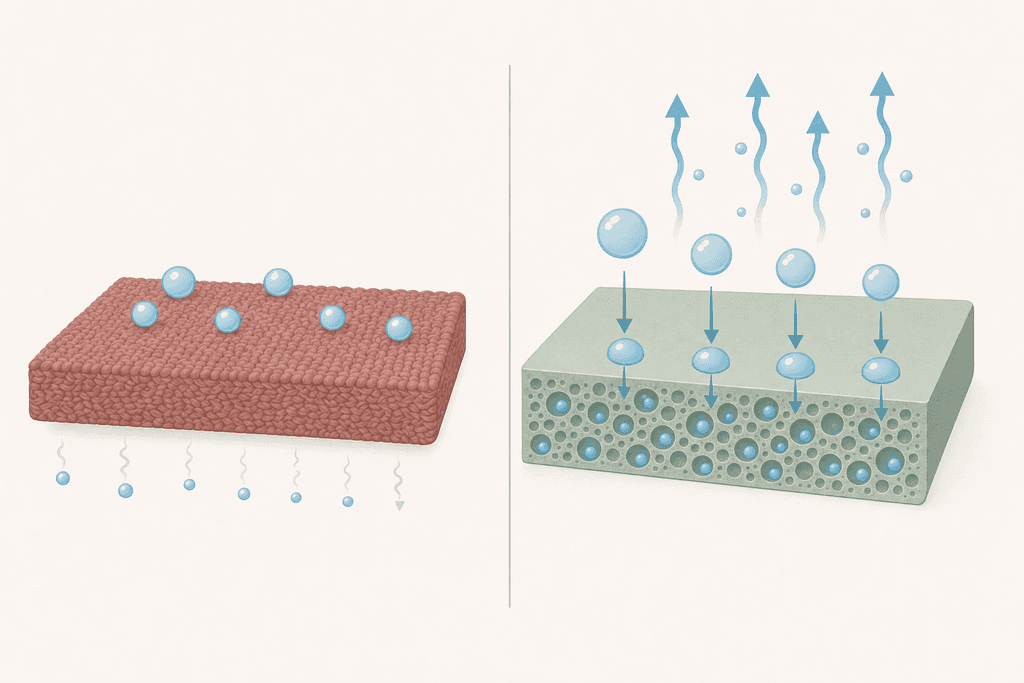
Most people think all bath mats work the same way, but the material underneath your feet changes everything about how long they last. Traditional fabric mats trap water in their fibers and slowly release it through evaporation, which means they stay damp for hours. Stone bath mats made from diatomite work completely differently because of what they're actually made from. The material itself determines whether you'll be replacing your mat every year or keeping it for much longer.
The Science Behind Fossilized Algae
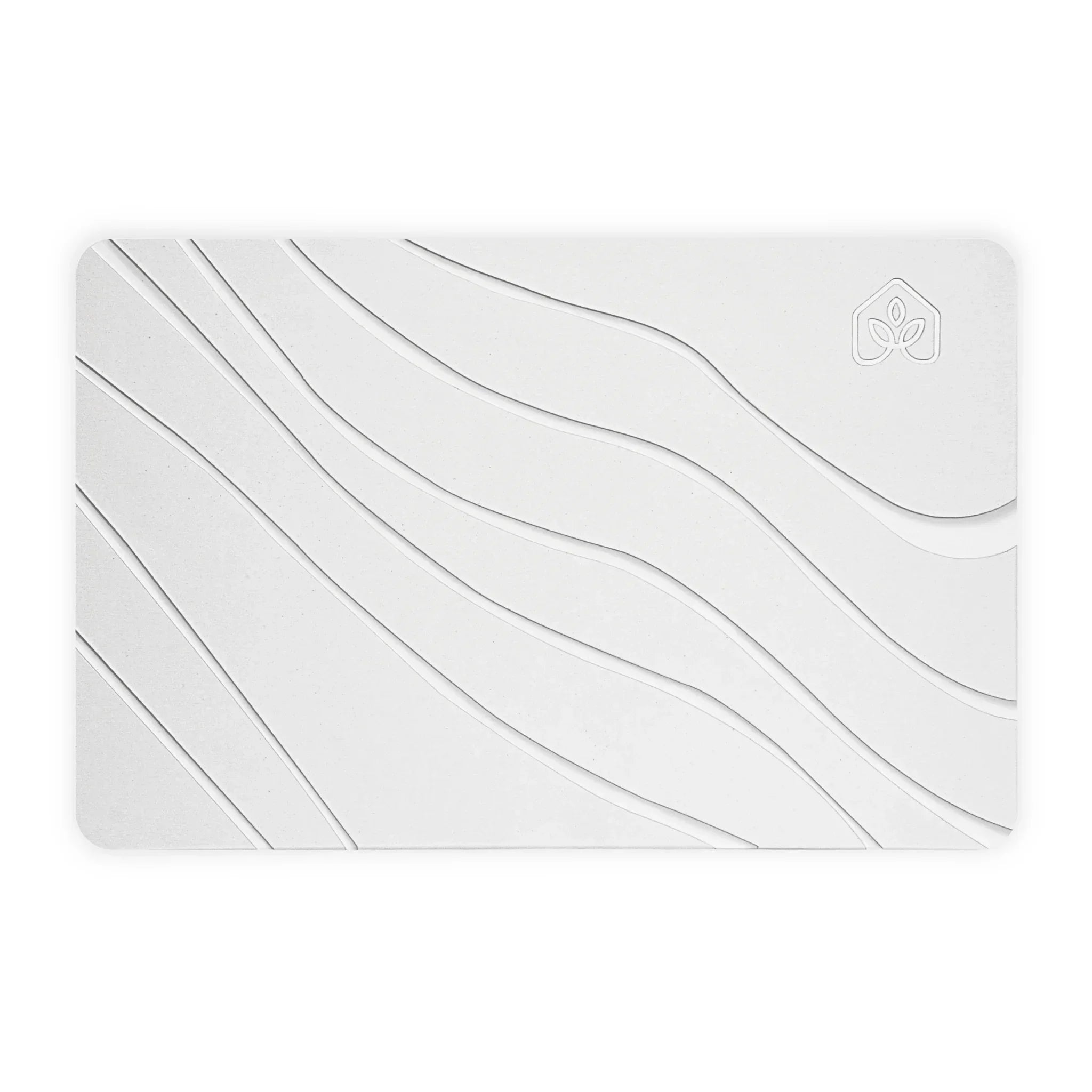
Diatomite comes from tiny algae called diatoms that lived millions of years ago. When these organisms died, their skeletons piled up on ocean floors and eventually turned into a chalky sediment. That sediment gets mined, processed, and mixed with recycled paper to create the solid stone slabs used in bath mats like our Natureva stone bath mats.
The magic happens at a microscopic level. Each piece of diatomite contains millions of tiny pores that you can't see with your eyes. These pores act like miniature sponges that pull water in instantly and then release it back into the air within minutes. This pore structure is what makes stone mats dry so much faster than anything made from cotton or microfiber.
How Composition Affects Durability
The way a mat is built determines how it breaks down over time. Fabric mats wear out because fibers break, elastic stretches out, and moisture creates mildew. Stone mats face different challenges entirely.
- No synthetic coatings means nothing can peel or flake off
- Solid compressed structure resists tearing or fraying
- Natural antibacterial properties come from rapid drying, not chemicals that wash away
- Pore structure can get clogged but can be restored through simple maintenance
Some companies add resin or waterproof coatings to their stone mats, which actually traps moisture and defeats the purpose. According to industry analysis on diatomaceous earth products, chemical-free construction actually extends lifespan because there's no coating to degrade.
Comparing Material Lifespans
Different bath mat materials age in completely different ways. Here's what you can typically expect from each type:
| Material Type | Average Lifespan | Main Failure Point |
|---|---|---|
| Cotton/Microfiber | 6-12 months | Mildew and fiber breakdown |
| Memory Foam | 1-2 years | Compression and odor retention |
| Bamboo Fabric | 1-2 years | Fiber degradation |
| Diatomite Stone | 2-5+ years | Surface pore saturation |
The key difference is that stone mats can be restored when they stop working well. Fabric mats just get thrown away when they wear out, but diatomite surfaces can be sanded to reopen the pores and bring back full absorption. That single feature changes the entire lifespan equation.
Expected Lifespan Under Different Usage Patterns
Most people buying a stone bath mat want to know one thing: how long will it actually last? The answer depends almost entirely on how many feet are stepping on it each day. A single person using their mat once or twice daily can expect it to perform well for 4 to 5 years or more, especially with basic maintenance. That same mat in a family bathroom with three or four people gets a completely different workout. The constant moisture exposure and repeated use typically brings the lifespan down to around 2 to 3 years, though proper care can push that further.
High traffic bathrooms show the fastest surface wear because the pores get saturated more frequently and have less time to fully dry between uses. Guest bathrooms tell a different story entirely. Since they see occasional use, mats in these spaces can easily last 5 years or longer without losing much absorption power.
| Household Type | Daily Uses | Expected Lifespan |
|---|---|---|
| Single person | 1-2 times | 4-5+ years |
| Couple | 2-4 times | 3-4 years |
| Family of 3-4 | 6-8 times | 2-3 years |
| Guest bathroom | Occasional | 5+ years |
The microscopic pores in diatomite naturally slow down over time as they absorb moisture day after day. This doesn't mean the mat stops working, just that absorption speed gradually decreases with heavy use. Understanding your household's usage pattern helps set realistic expectations about when you might need to restore or replace your mat.
Five Factors That Shorten Your Mat's Life
Some mats die young, and it's usually not because of normal wear. The biggest culprit is colored soap residue that seeps into the pores and never comes out. Body washes, shampoos, and anything with dye can permanently clog the surface if you don't wipe it off quickly. Once those pores fill with soap buildup, no amount of sanding will bring back full absorption. It's one of those things that seems harmless until you realize your mat stopped working months ago.
Standing water exposure from poor airflow underneath creates another problem. When moisture can't escape from the base, the entire mat stays damp and the pores never fully reset. This is why Natureva stone bath mats include a non-slip base pad that creates slight elevation for proper airflow.
- Hard water mineral buildup blocks absorption over time as calcium and magnesium deposits coat the surface
- Skipping weekly cleaning allows dirt, skin cells, and oils to embed deep in the porous structure
- Dropping or impact damage creates hairline cracks that spread with continued use and eventually compromise the entire slab
- Environmental humidity affects how quickly moisture evaporates, with very humid climates slowing the drying process
According to Baptist Health, proper maintenance of stone bath mats is essential for both longevity and hygiene. The good news is that most of these factors are completely within your control.
Maintenance Habits That Double Lifespan
The difference between a mat that lasts two years and one that lasts five often comes down to a few simple habits. A weekly vinegar water wipe takes about thirty seconds and prevents the mineral buildup that slowly chokes absorption. Mix equal parts white vinegar and water, wipe down the surface, and you've just cleared out deposits before they become permanent. This single habit probably does more for longevity than anything else.
Immediate stain rinsing stops problems before they start. See colored soap on the surface? Rinse it under water right away. The longer it sits, the deeper it penetrates into those microscopic pores.
- Upright drying when saturated allows full moisture release from both sides of the mat
- Monthly sanding restoration reopens surface pores that have compressed or filled with microscopic debris
- Proper airflow underneath prevents base saturation and keeps the entire structure breathing
Every Natureva stone bath mat includes a P320 grit sanding tool specifically designed for surface restoration. The approximately 10 cm diameter disc makes it easy to refresh the entire mat in just a few minutes. Light circular motions across the surface reopen the pores and bring back that instant absorption you had on day one. Most people are surprised how much difference a quick sand makes.
Research from diatomite mat specialists shows that regular maintenance can extend functional lifespan by 50% or more compared to neglected mats. The material itself is durable, but it needs occasional help to keep performing.
When to Restore vs When to Replace
Knowing whether your mat needs a quick fix or a full replacement saves money and frustration. Most absorption problems are fixable with proper cleaning and sanding. If water still beads on the surface for a few seconds before soaking in, but the mat feels solid and intact, you're looking at a restoration situation. Surface staining that hasn't penetrated all the way through also responds well to treatment. The structure matters more than cosmetic issues in most cases.
Restore if absorption has slowed but the mat structure remains intact and stable. Restore if surface staining appears but you don't see cracks spreading through the material. A good test is to sand a small area and see if absorption improves noticeably.
- Replace if cracks spread across more than 30% of the surface area
- Replace if sanding no longer improves absorption after multiple attempts
- Replace if structural integrity compromises safety, like pieces breaking off or the mat becoming unstable underfoot
The next generation of home essentials: naturally made, cleaner by design, sustainable by nature.
SHOP ALLAccording to testing by Consumer Reports, most quality stone bath mats can be restored multiple times before needing replacement. The key is catching problems early before they become permanent. A mat that's been neglected for years might be beyond saving, but one that gets regular attention can bounce back from almost anything.
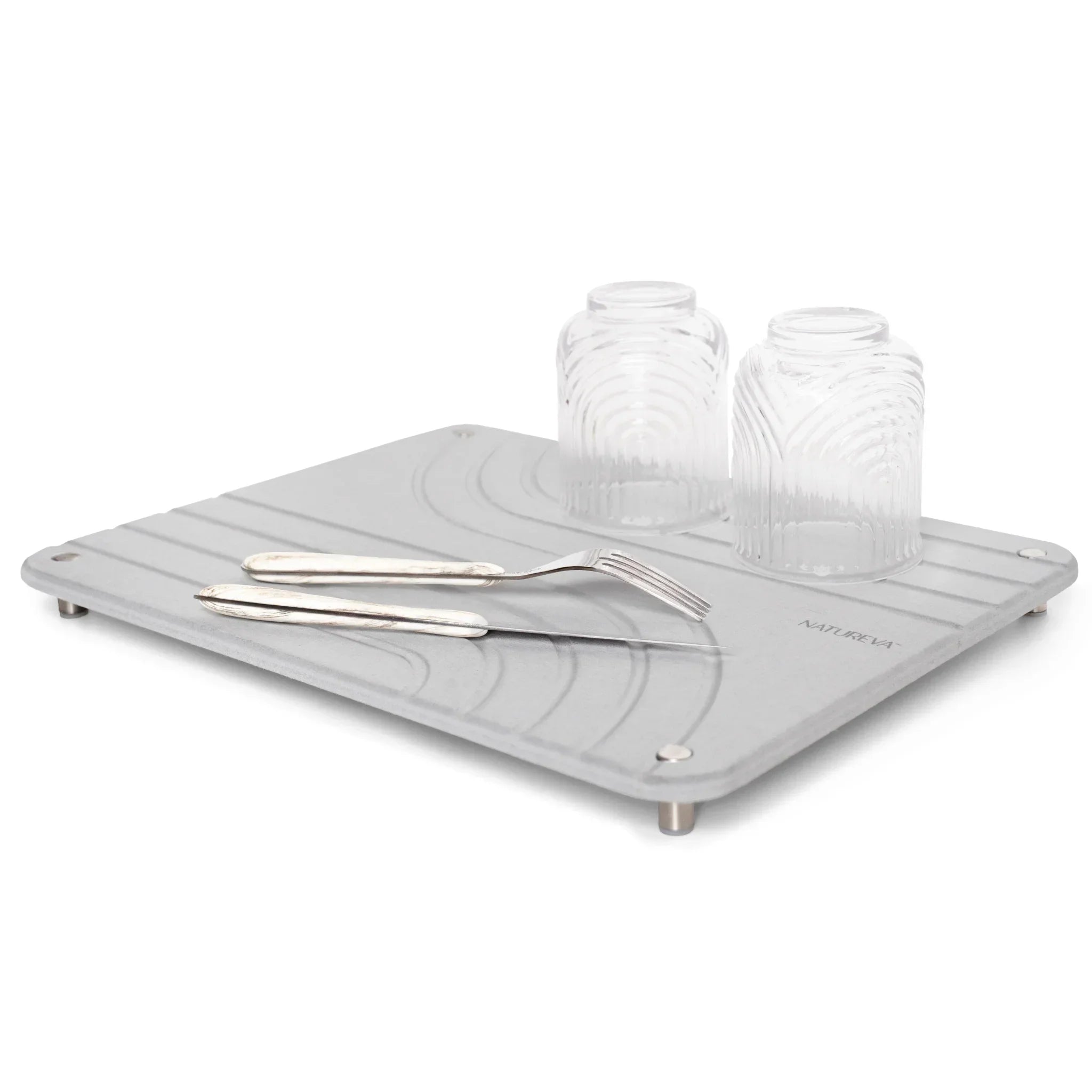
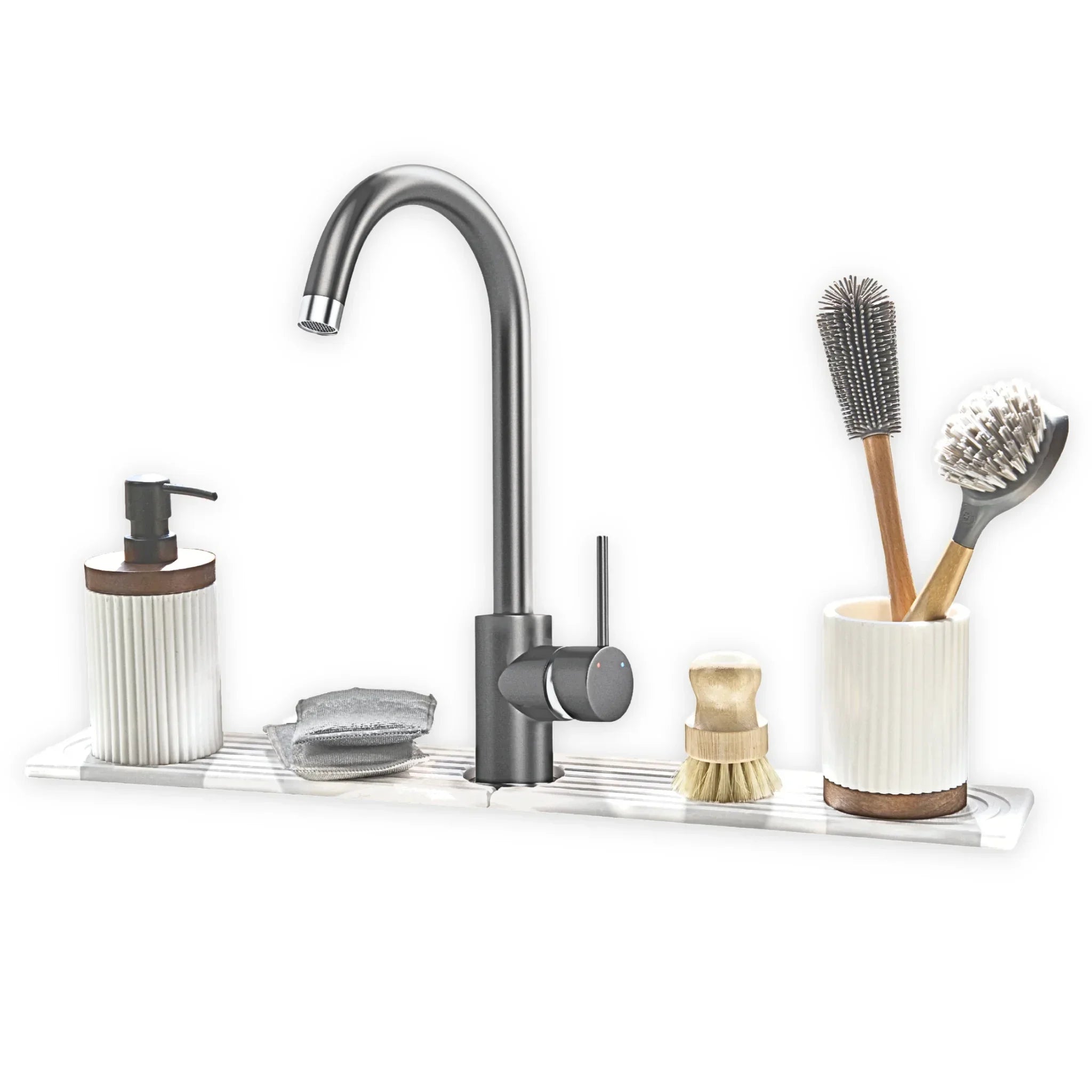
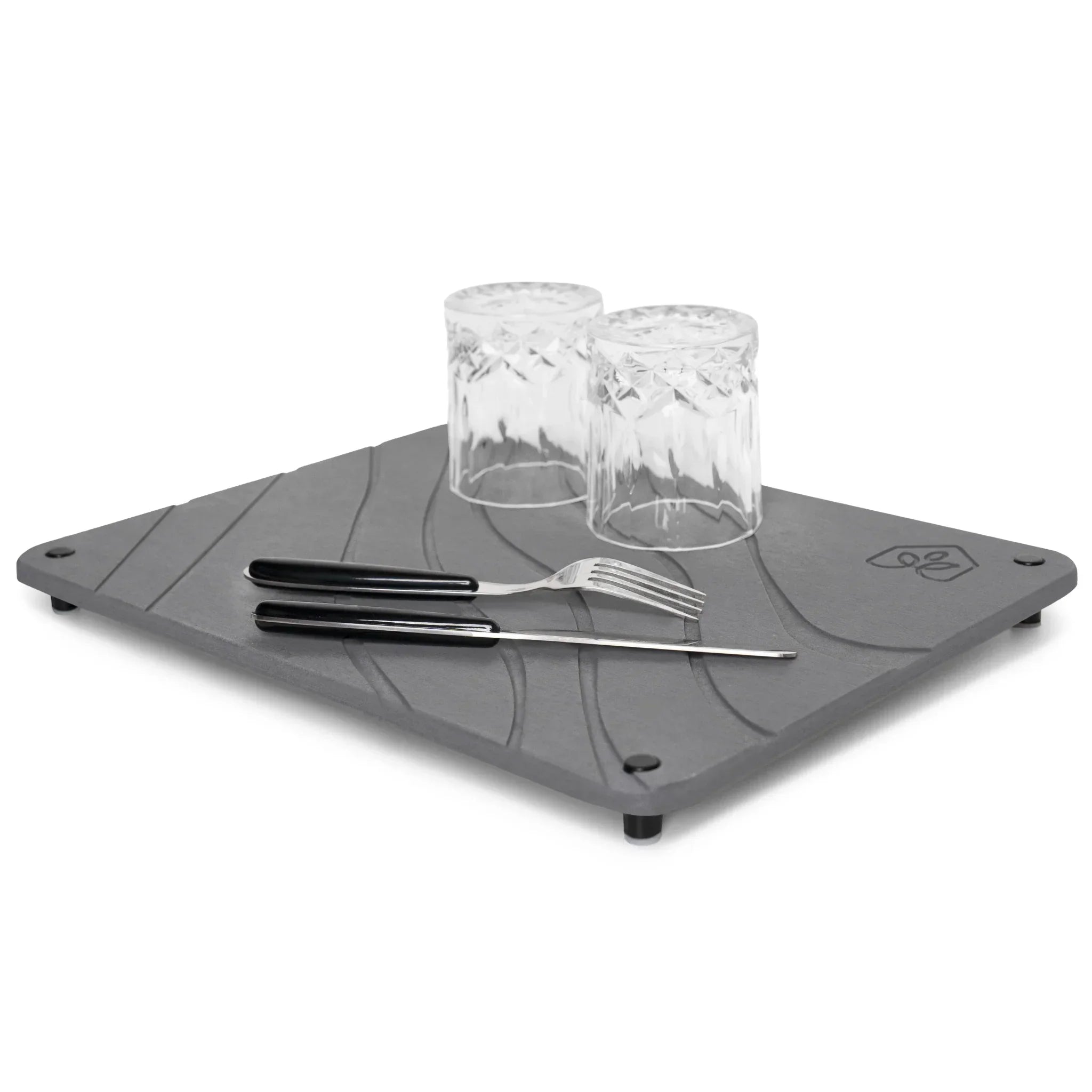
Beyond bath mats, the same principles apply to other diatomite products like stone sink caddies and dish mats. These items face similar challenges with moisture and buildup, but their elevated designs with stainless steel legs help them last even longer by maximizing airflow. The complete range at Natureva Home uses the same composite construction and includes restoration tools, making maintenance consistent across your entire home.
Cost Per Year Makes Quality Worth It
Most people look at the upfront price tag and stop there. But when you're buying something you use every single day, the real question isn't what it costs today, it's what it costs over time. A stone bath mat might seem pricier than a fabric one at checkout, but the math tells a different story when you factor in how long each option actually lasts and what you spend maintaining them.
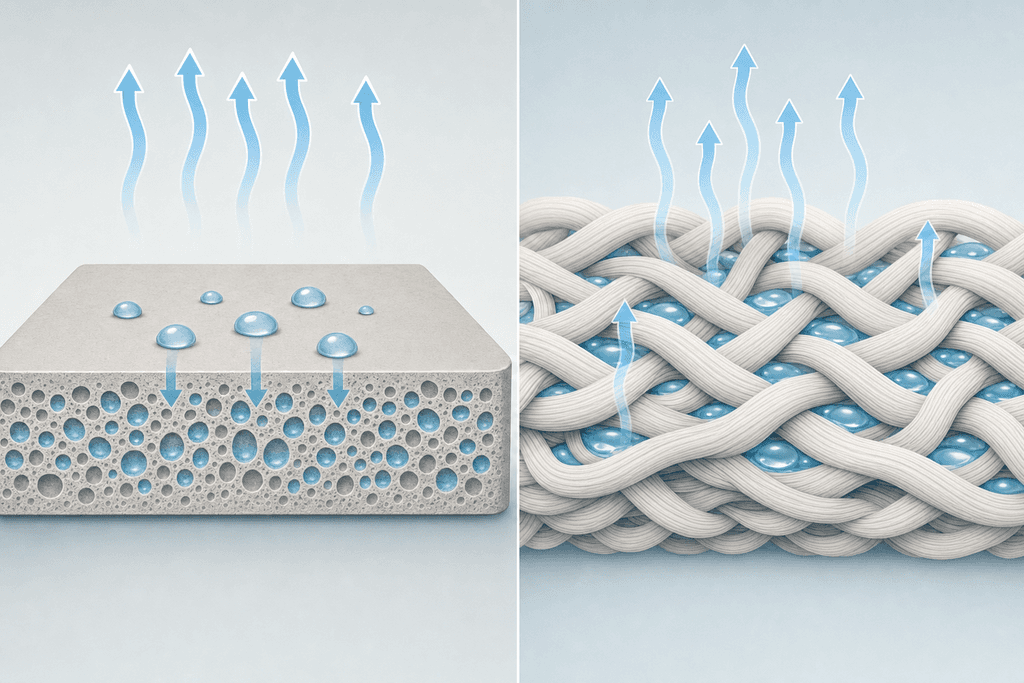
The typical fabric bath mat needs replacing every 12 to 18 months. They get musty, lose their absorbency, and start looking worn no matter how often you wash them. Stone mats like the ones from Natureva can last three years or more with basic care, and some users report even longer lifespans when they follow simple maintenance routines.
Breaking Down the Real Numbers
Here's where things get interesting. A Natureva stone bath mat costs $59 and lasts at least three years with proper care. That works out to $19.67 per year. Compare that to fabric mats that cost $15 to $25 but need annual replacement, and you're actually spending more on the cheaper option over the same period.
| Mat Type | Initial Cost | Lifespan | Cost Per Year |
|---|---|---|---|
| Stone Bath Mat | $59 | 3+ years | $19.67 |
| Budget Fabric Mat | $15 | 1 year | $15.00 |
| Premium Fabric Mat | $25 | 1.5 years | $16.67 |
But the cost comparison doesn't stop at replacement frequency. Fabric mats need washing every week or two, which adds up in water, electricity, and detergent costs over time.
Hidden Savings Beyond the Price Tag
Stone mats dry so fast that bacteria and mold don't get a chance to grow, which means you're not buying antibacterial sprays or harsh cleaners. According to research from the EPA's WaterSense program, reducing unnecessary laundry loads can save the average household thousands of gallons of water annually.
- No weekly washing means lower water and energy bills
- Natural antibacterial properties eliminate chemical cleaner purchases
- Simple vinegar wipes replace expensive bathroom cleaning products
- Sanding tool included for surface restoration extends usable life
The maintenance routine for stone mats is minimal. A quick weekly wipe with vinegar water and occasional sanding when absorption slows down is all it takes. That's far less effort and expense than the constant washing cycle fabric mats demand.
When Proper Care Changes Everything
Here's the thing about longevity: it's not just about the material, it's about how you treat it. Stone mats that get basic maintenance can easily push past the three-year mark. Users who rinse off soap residue, avoid colored products, and sand the surface every few months report mats that still absorb like new after years of daily use.
- Weekly vinegar wipes prevent buildup that blocks pores
- Rinsing stains immediately stops them from setting
- Sanding every 2-3 months reopens surface pores
- Air drying upright when saturated prevents water damage
The cost-per-year calculation shifts dramatically when you extend the lifespan through proper care. A stone mat lasting five years instead of three drops the annual cost to under $12, making it significantly cheaper than any fabric alternative while maintaining better hygiene and requiring less maintenance effort.
Getting the Most from Your Investment
Most stone bath mats can last anywhere from 2 to 5 years, and some even push past that mark with the right care. The difference between a mat that lasts two years versus one that lasts five usually comes down to how you treat it, not the material itself. Weekly cleaning and monthly sanding are the two habits that matter most. If you skip these, the mat will lose its absorbency faster, and you'll end up replacing it sooner than you need to.
Your household size and how often the mat gets used definitely play a role. A family of five will wear down a mat faster than someone living alone. But here's the thing: even in busy households, proper maintenance can stretch that lifespan significantly. Our stone bath mats include a sanding tool specifically for this reason, so you can restore the surface whenever it starts feeling less absorbent.
Most mats don't fail because the material breaks down. They fail because people stop taking care of them. Soap buildup, hard water stains, and clogged pores are all preventable with basic upkeep. The good news is that maintenance doesn't take much time or effort, just consistency.
If you're wondering whether specific factors like water hardness or bathroom humidity will shorten your mat's life, the answer is maybe, but regular care still matters more. The same principles apply to other diatomite products too, whether it's a sink caddy or dish mat. Keep the surface clean and open, and you'll get years of use out of it.
Common Questions About Stone Bath Mat Longevity
Stone bath mats are still relatively new to most households, which means plenty of questions come up about how to keep them working properly. The good news is that most concerns have simple answers, and understanding what affects your mat's lifespan helps you get the most out of it. Here are the questions we hear most often about keeping these mats in good shape over time.
How often should I sand my stone bath mat?
Most people only need to sand their mat every few months, or when they notice water isn't absorbing as quickly as it used to. If you have a busy household with multiple people showering daily, you might sand it more often, maybe once a month. The sanding tool that comes with Natureva stone bath mats uses P320 grit to gently reopen the surface pores without damaging the material. You'll know it's time when water starts pooling instead of disappearing instantly.
Can a cracked mat still be used safely?
A hairline crack usually won't affect performance or safety, but a deep crack that goes all the way through can create sharp edges or unstable sections. If the crack is minor and the mat still sits flat with its non slip base intact, it's generally fine to keep using. Once pieces start separating or the surface becomes uneven, it's time to replace it to avoid any risk of tripping or cutting your feet.
Does hard water shorten lifespan significantly?
Hard water definitely leaves more mineral deposits on the surface, which can clog those microscopic pores faster than soft water would. The mat itself won't break down, but you'll need to clean it more frequently with a vinegar water solution to dissolve the buildup. Regular maintenance makes a bigger difference than water type, so even in hard water areas, your mat can last years if you stay on top of cleaning.
Will my mat last longer in a guest bathroom?
Absolutely, because less frequent use means less wear on the surface and fewer opportunities for buildup. A mat in a guest bathroom might only need sanding once or twice a year compared to monthly maintenance in a primary bathroom. The diatomite material doesn't degrade from sitting unused, so low traffic areas are ideal for extending lifespan well beyond the typical range.
What's the first sign my mat needs replacing?
The earliest warning sign is when sanding no longer restores the quick drying performance you're used to. If you've cleaned it thoroughly, sanded the surface, and water still takes more than a few minutes to evaporate, the internal structure has likely reached its limit. Other signs include visible crumbling around the edges, deep stains that won't lift, or structural cracks that affect stability.
The next generation of home essentials: naturally made, cleaner by design, sustainable by nature.
SHOP ALL