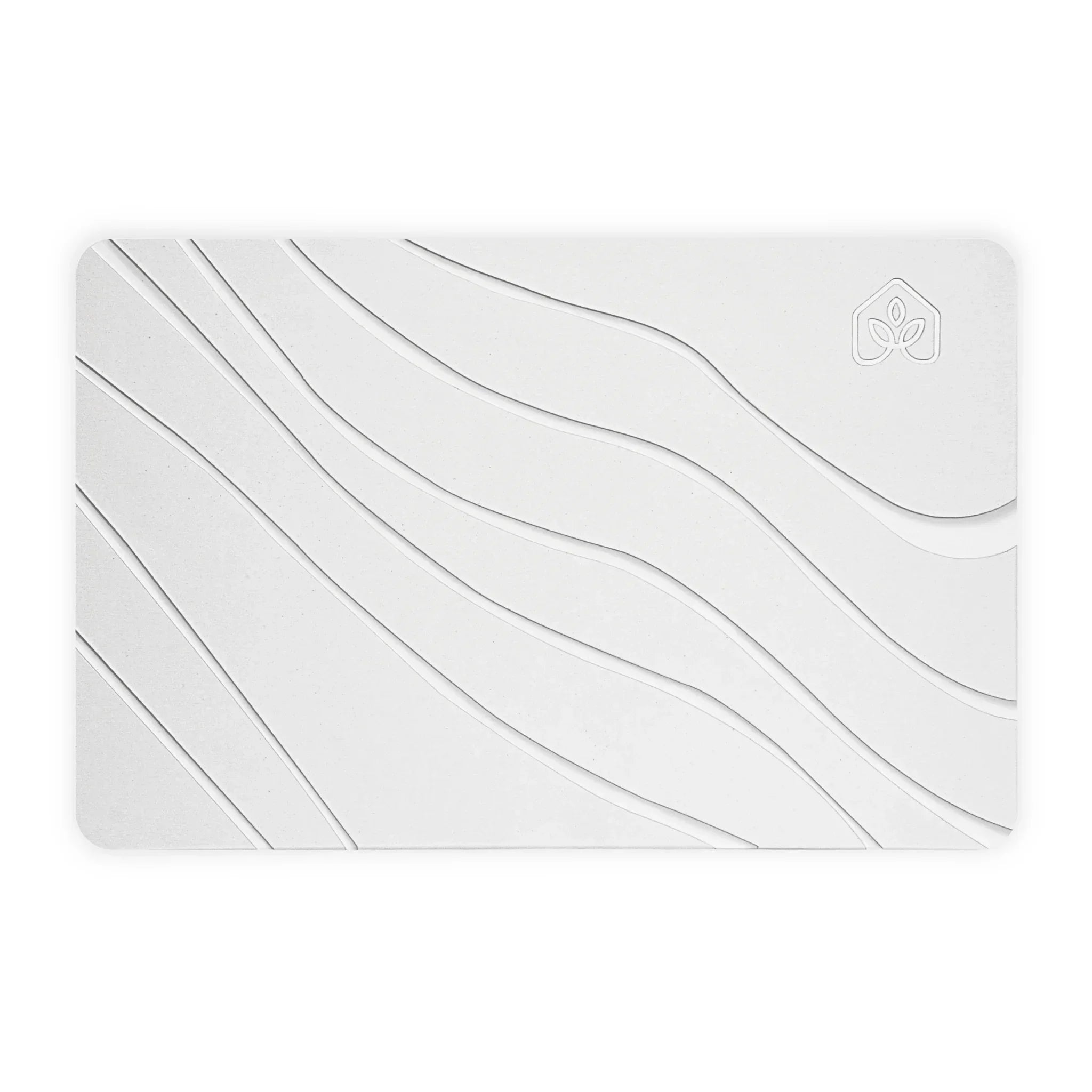


Diatomaceous Earth Mats for Bathrooms Kitchens and Counters
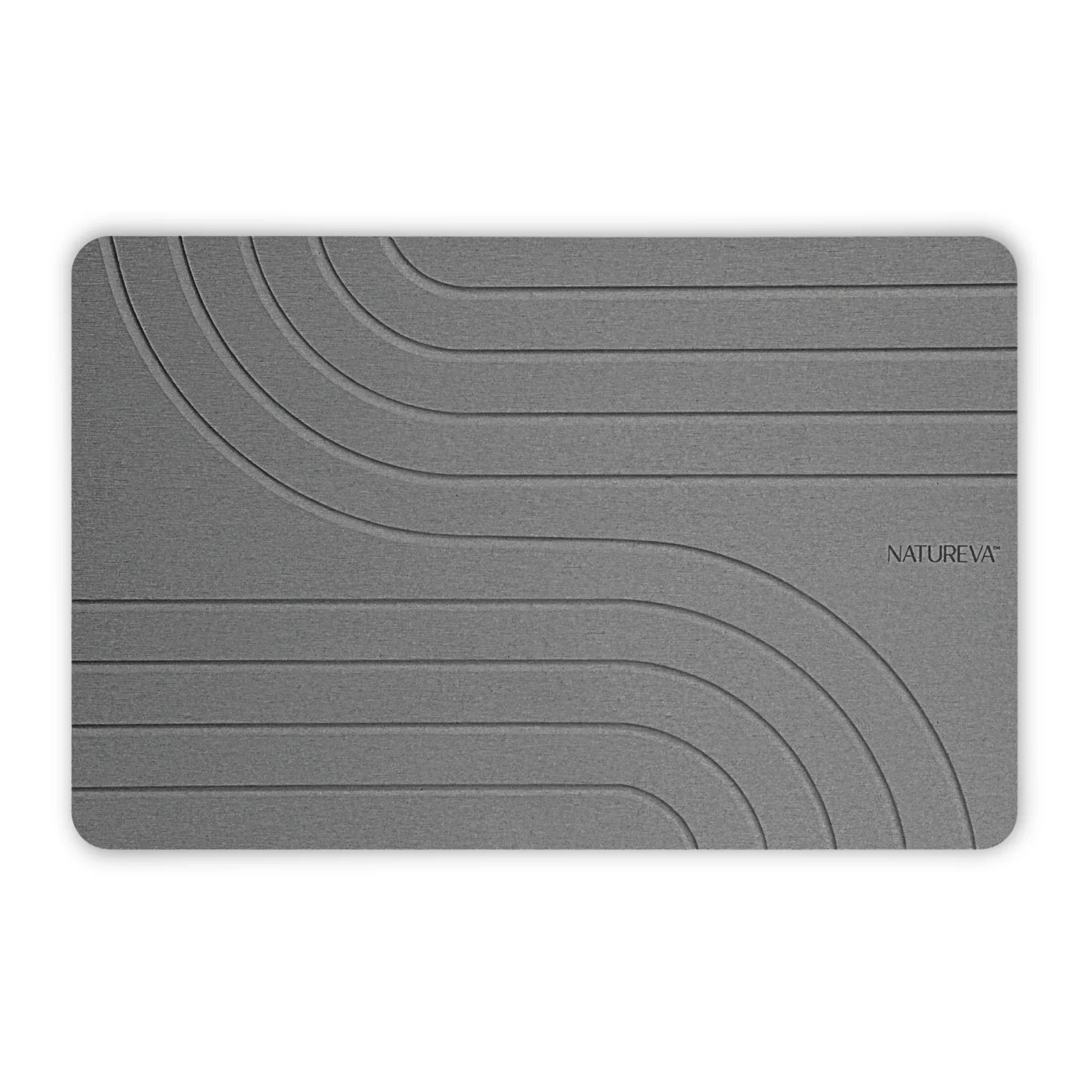
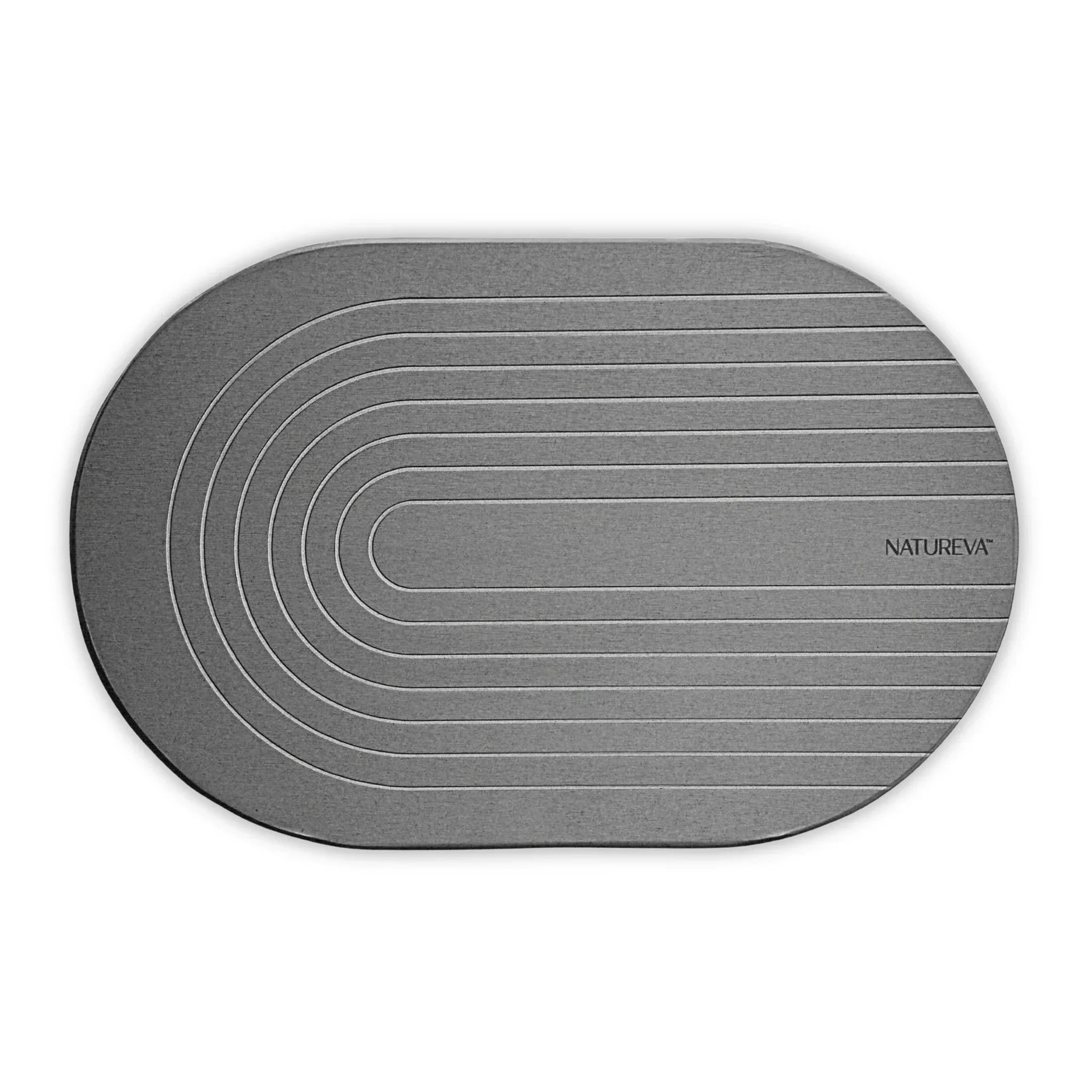
You step out of the shower, plant your feet on the bath mat, and within seconds it feels like a soggy sponge that never quite dries. Traditional fabric mats trap moisture against your floor, creating the perfect breeding ground for mildew and that musty smell no amount of washing seems to fix. A diatomaceous earth mat works differently by absorbing water instantly and releasing it back into the air within minutes, which is why products like Natureva's stone bath mats stay dry between uses instead of staying damp all day.
Table of Contents
What Makes Diatomaceous Earth Different
Most people have never heard of diatomaceous earth, but it's been sitting at the bottom of ancient lakes and oceans for millions of years. This chalky white material is made from fossilized diatoms, which are tiny algae that lived in water long before humans walked the planet. When these microscopic organisms died, their silica-based skeletons piled up on lake beds and eventually turned into the porous rock we use today. The really interesting part is what happened to all those tiny shells over time.
The Science of Instant Absorption
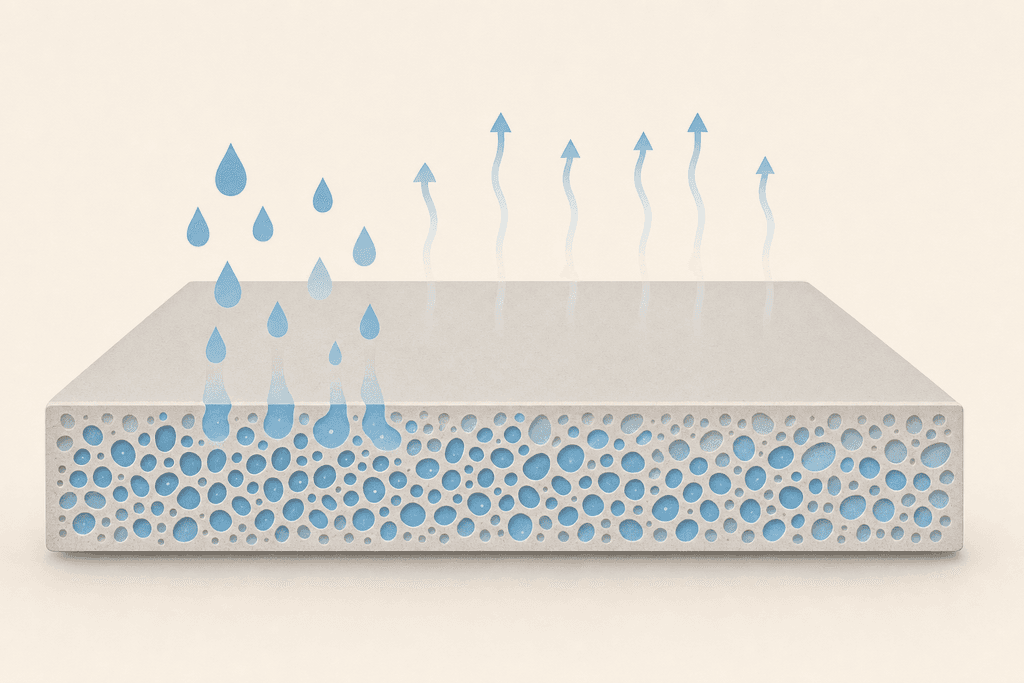
The magic of diatomite comes from its structure. Each piece is filled with millions of microscopic pores that act like tiny sponges. When water hits the surface, it gets pulled into these pores almost instantly through a process called capillary action. But unlike a regular sponge that holds onto moisture, diatomite releases water back into the air through rapid evaporation. This means the surface dries in minutes instead of hours.
Traditional fabric mats work differently. They absorb water into fibers that stay damp for hours, creating the perfect environment for bacteria and mold to grow. Plastic mats don't absorb at all, they just let water pool on top until it drips onto your floor. A diatomaceous earth mat from Natureva uses this natural mineral structure to keep surfaces actually dry, not just less wet.
Why Dry Means Clean
Here's something most people don't realize about bathroom and kitchen mats. The antibacterial properties of diatomite have nothing to do with chemicals. Bacteria need moisture to survive and multiply. When a surface dries in under five minutes, bacteria simply can't establish colonies. The rapid drying behavior is what keeps things hygienic, not any coating or treatment added to the material.
- Fabric mats stay damp for 4-8 hours after use
- Damp environments allow bacterial growth within 2-4 hours
- Diatomite surfaces dry completely in 3-5 minutes
- Fast evaporation prevents odor formation naturally
According to Home Living Handbook's guide on diatomaceous mats, this natural drying process makes them ideal for any area where moisture tends to linger. The material doesn't trap water like fabric or let it sit like plastic.
Comparing Mat Materials
The difference becomes obvious when you look at actual performance. Most fabric bath mats need to be washed weekly and replaced every few months because they start to smell. Plastic mats develop mildew in the textured surface. Diatomite mats maintain their absorption for years with basic maintenance like a quick vinegar wipe.
| Material | Absorption Time | Drying Time | Maintenance Frequency |
|---|---|---|---|
| Diatomite | Instant (under 5 seconds) | 3-5 minutes | Weekly wipe |
| Cotton/Fabric | 10-30 seconds | 4-8 hours | Weekly wash |
| Plastic/Rubber | No absorption | Water pools indefinitely | Daily wipe required |
| Microfiber | 5-15 seconds | 2-6 hours | Twice weekly wash |
The numbers tell a clear story. While other materials either hold moisture too long or don't absorb at all, diatomaceous earth drying mats handle water the way nature intended. The porous structure does all the work without any help from synthetic treatments or chemical additives.
Bathroom Applications That Actually Work
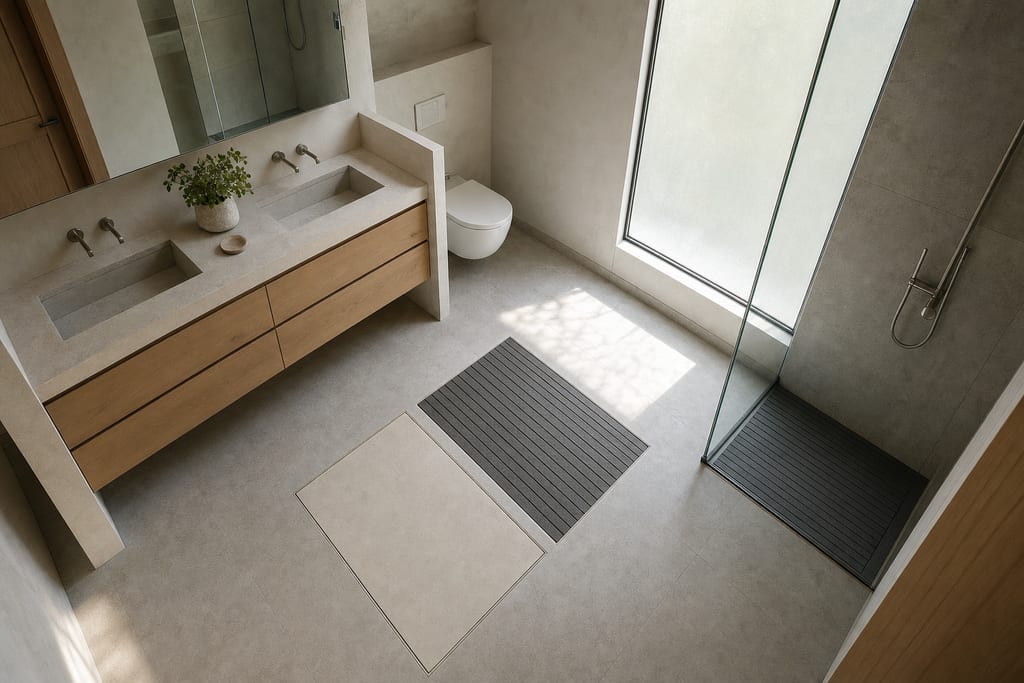
Most people step out of the shower onto a fabric bath mat that stays damp for hours, creating the perfect environment for mildew and bacteria. A diatomaceous earth mat works differently because it absorbs water instantly and releases it back into the air within minutes, not hours. The material is made from fossilized algae with millions of microscopic pores that pull moisture away from your feet the moment you step on it. This isn't just about comfort, it's about keeping your bathroom floor actually dry instead of pretending a soggy mat counts as clean.
Traditional fabric mats trap water in their fibers and need constant washing to stay fresh. Stone bath mats like Natureva's diatomite collection eliminate that cycle entirely because they don't hold onto moisture long enough for odors or bacteria to develop.
Here's what makes bathroom diatomite products different:- Bath mats that feel dry to the touch within 60 seconds of use
- Sink caddies elevated on stainless steel legs that keep soap bottles and sponges off wet counters
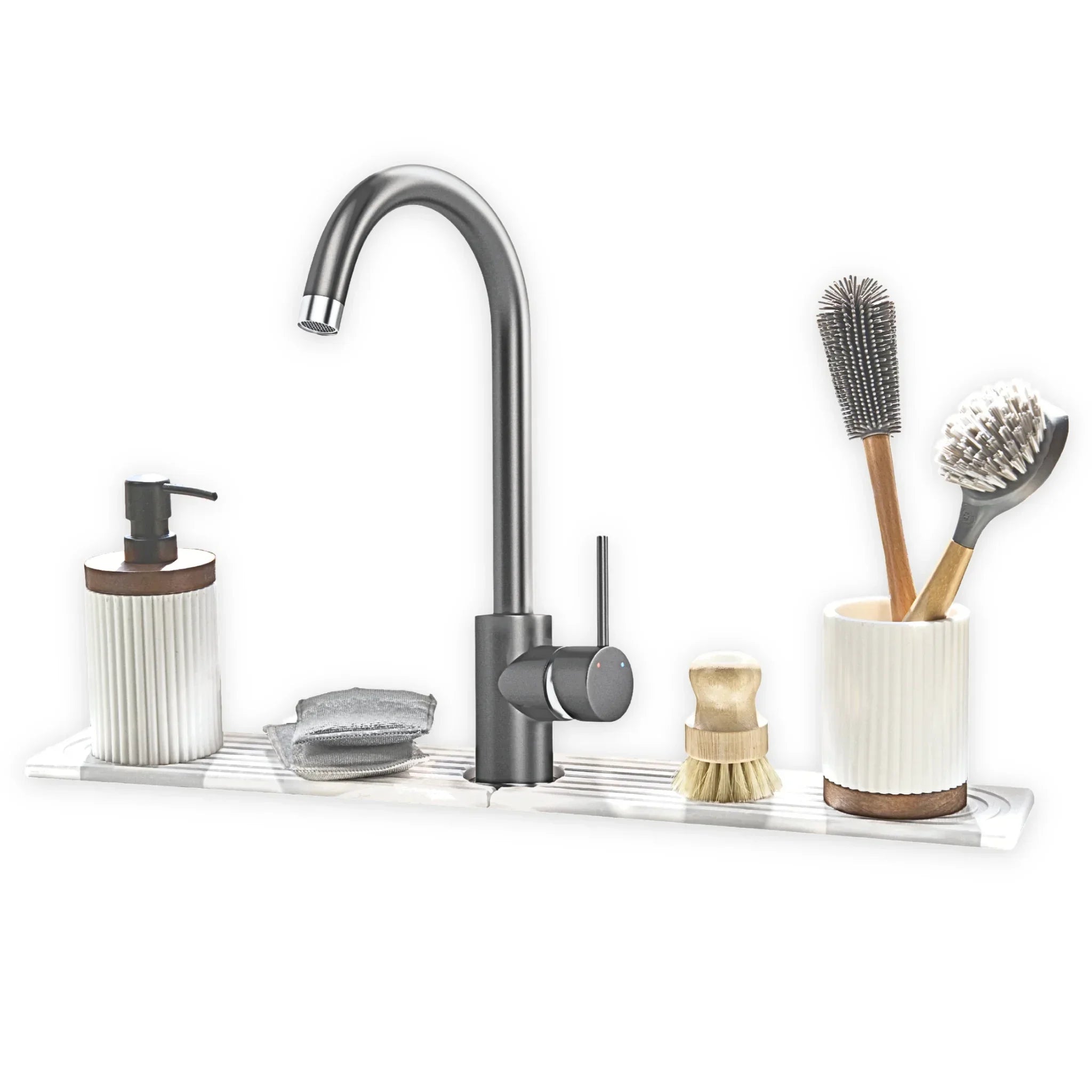
- Faucet mats that catch splashes along the sink edge and evaporate them before puddles form
- Non-slip base pads that protect floors while allowing airflow underneath
The airflow component matters more than most people realize. When a diatomaceous earth drying mat sits flush against a surface without any elevation, moisture can't escape from underneath. That's why Natureva's sink caddies and faucet mats include small silicone pads that create just enough space for air to circulate. The pads are only 2 mm thick, but that tiny gap prevents water from getting trapped between the stone and your counter.
| Product | Dimensions | Elevation Method | Price |
|---|---|---|---|
| Stone Bath Mat | 60 × 39 × 0.9 cm | Full non-slip base pad | $59 |
| Sink Caddy | 25 × 10 × 2.5 cm | Stainless steel legs | $25 |
| Faucet Mat | 60 × 10 × 0.9 cm | 10 silicone pads | $29 |
Consumer Reports testing shows that stone bath mats outperform fabric options in both drying speed and long-term hygiene. The difference becomes obvious after just a few weeks of use when fabric mats start developing that musty smell no amount of washing seems to fix.
Kitchen Solutions for Wet Dish Chaos
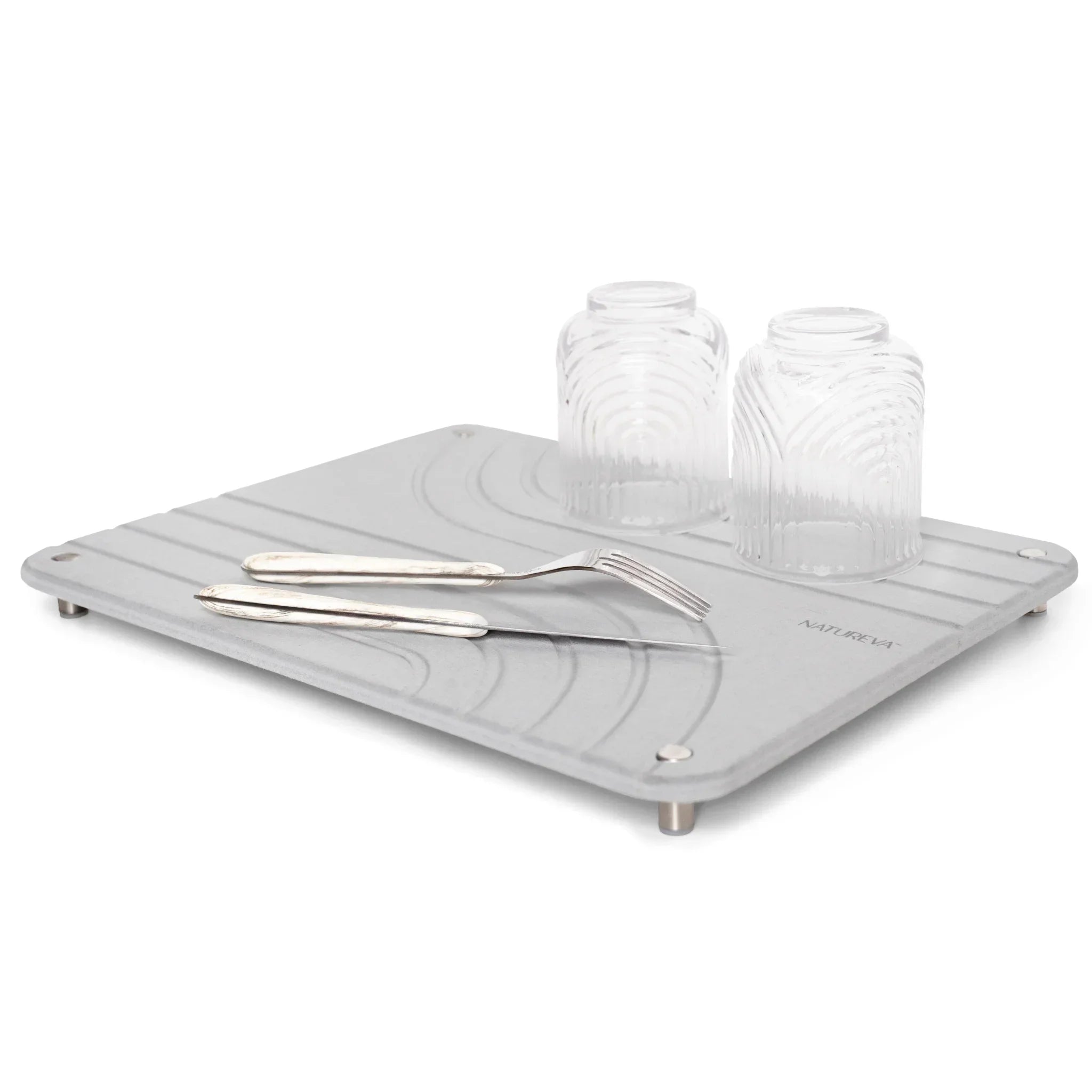
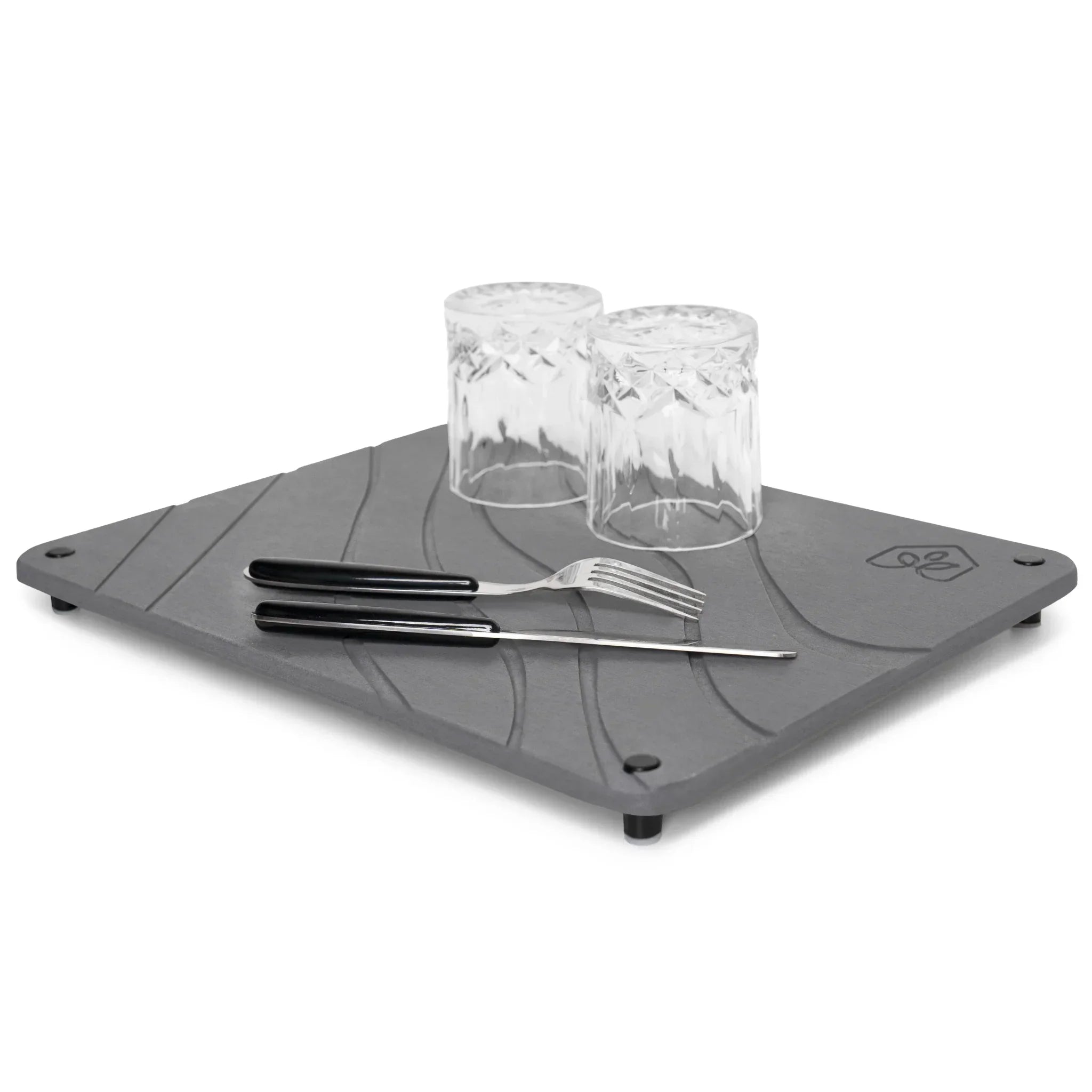
The area next to your kitchen sink probably stays wet most of the day because traditional dish racks and fabric mats can't keep up with the constant dripping from freshly washed dishes. A diatomaceous earth dish drying mat handles this differently by absorbing water as it drips and evaporating it continuously throughout the day. The stone surface stays functional even when you're stacking multiple dish loads on it, something fabric mats simply can't manage without becoming saturated and useless.
Natureva's stone dish mats sit on six stainless steel legs that lift the entire surface 2.5 cm off your counter. This elevation serves two purposes: it prevents water from pooling underneath the mat, and it protects your countertop from constant moisture exposure that can damage certain surfaces over time.
The practical differences add up quickly:- No more wringing out soggy fabric mats every few hours
- Dishes dry faster because the mat isn't adding extra moisture to the air around them
- The stone surface doesn't develop odors or require machine washing
- Heavy pots and pans won't compress or damage the material
The diatomite mat construction means you can place a dripping colander directly on the surface without worrying about water spreading across your counter. The porous structure pulls moisture in immediately and starts releasing it as vapor within minutes. Compare this to a fabric mat that becomes a wet sponge after one dish load and needs to be replaced or washed before you can use it again.
Both the Tide and Flow patterns available in Natureva's dish mat collection feature carved surface designs that aren't just decorative. The engraved channels help guide water across the stone surface, increasing the exposed area for faster evaporation. The mats measure 39.5 × 29.5 cm, which fits most standard sink areas without taking up excessive counter space.
Traditional dish racks create their own problems: they're bulky, they rust, and water pools in the bottom tray. A diatomaceous earth dish drying mat eliminates the tray entirely because there's no standing water to collect. The stone absorbs it instead of letting it sit.Beyond the Obvious Uses
The same material that keeps bathroom floors dry works just as well for smaller moisture problems throughout your home. Cold drinks leave condensation rings on furniture, plant pots create water stains on windowsills, and pet water bowls turn kitchen floors into slip hazards. These aren't major disasters, but they're annoying daily maintenance tasks that a diatomite mat can handle without any effort on your part. The material doesn't care whether it's absorbing bathwater or condensation from a glass, it just pulls moisture in and releases it as vapor.
Stone coasters absorb the water ring before it forms, which means you can set down a cold drink and pick it up later without leaving a mark. Each coaster in Natureva's set has a unique organic shape inspired by river stones, and they're elevated on small EVA pads that allow air to circulate underneath.
Less obvious applications that actually work:- Plant saucers that catch excess water without creating stagnant pools where gnats breed
- Pet feeding mats with dual circular zones that absorb splashes from water bowls
- Coasters that handle condensation from multiple drinks without getting saturated
- Any flat surface where moisture tends to accumulate and cause problems
The next generation of home essentials: naturally made, cleaner by design, sustainable by nature.
SHOP ALLThe plant saucer set includes one small (20 × 20 cm) and one large (30 × 30 cm) saucer, both with subtle engraved lines that follow the organic perimeter shape. They sit on rubber pads that protect furniture while allowing airflow underneath. When you water your plants, excess moisture gets absorbed into the stone instead of sitting in a plastic tray where it can overflow or develop algae.
| Product | Primary Use | Dimensions | Price |
|---|---|---|---|
| Coaster Set (6) | Drink condensation | 10 × 10 × 0.9 cm each | $29 |
| Plant Saucer Set (2) | Excess plant water | 20 × 20 / 30 × 30 cm | $39 |
| Pet Mat | Food and water bowls | 47 × 29 × 0.9 cm | $49 |
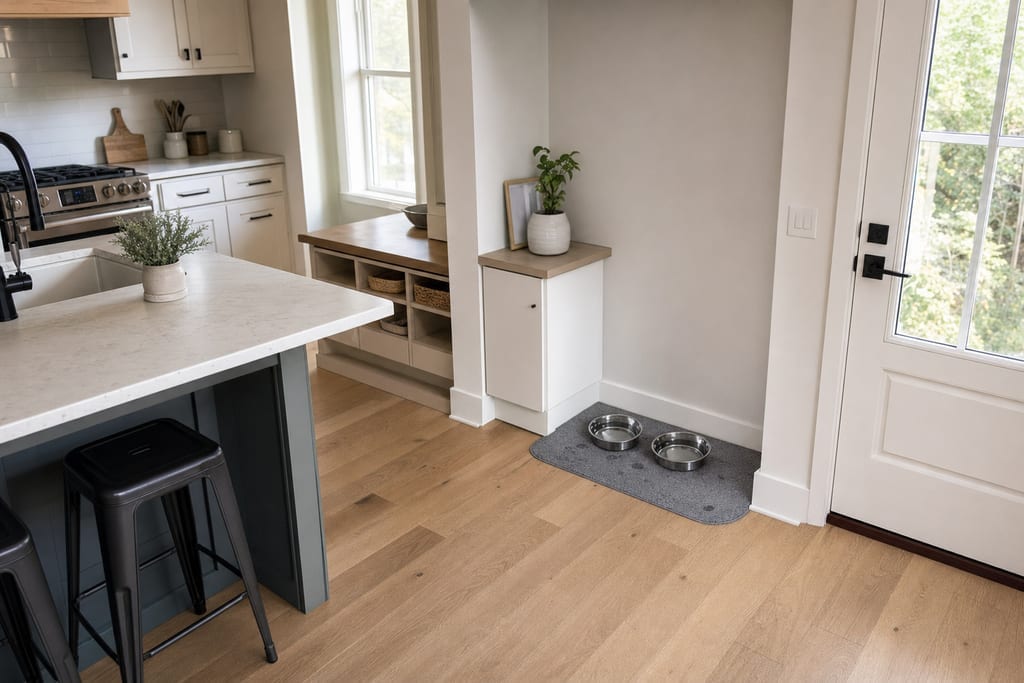
The pet feeding mat features two engraved circles sized for standard food and water bowls, with a small paw print detail that adds visual interest without being overly decorative. The mat includes a full non-slip base pad that keeps it in place even when pets are pushing bowls around during meals. Water splashes get absorbed immediately instead of spreading across your floor.
What makes these applications work is the same principle that makes bathroom and kitchen products effective: diatomaceous earth absorbs moisture faster than it can accumulate, then releases it as vapor before bacteria or odors can develop. The material adapts to whatever moisture challenge you're dealing with, whether that's a dripping dish rack or condensation from a cold beer. You're not adding another cleaning task to your routine, you're removing one.
When Diatomite Makes Sense and When It Doesn't
Not every home needs a diatomaceous earth mat, and that's worth saying upfront. These stone surfaces work best in specific situations where moisture control actually matters. If you're dealing with a bathroom that stays damp for hours after someone showers, or a kitchen sink area that never seems to dry, then a diatomite mat starts to make real sense. The material absorbs water instantly and releases it back into the air within minutes, which means less time for bacteria and mold to set up camp.
Where Stone Mats Excel
- High traffic bathrooms with multiple daily users
- Homes in humid climates where fabric stays damp
- Kitchen areas near sinks that see constant dish washing
- Households prioritizing hygiene over soft textures
- Pet feeding stations that need quick cleanup
According to Baptist Health, traditional fabric bath mats can harbor bacteria and mold if not washed frequently, which is exactly the problem diatomite solves through rapid evaporation. The stone surface doesn't give moisture anywhere to hide.
When Fabric Still Works Fine
- Guest bathrooms used once or twice a week
- Spaces where cushioned comfort is the priority
- Decorative areas where the mat is more visual than functional
- Homes where weekly washing routines are already established
The upfront cost difference is real. A diatomaceous earth drying mat typically runs higher than a basic fabric option. But fabric mats need replacing every six to twelve months as they wear down, stain, or develop that permanent damp smell. Stone versions like Natureva's bath mats can last years with basic maintenance.
Maintenance Reality Check
| Task | Fabric Mat | Diatomite Mat |
|---|---|---|
| Weekly cleaning | Machine wash and dry | Vinegar water wipe |
| Deep cleaning | Replace when stained | Sand surface to restore |
| Drying time | Hours in dryer | Minutes in air |
From an environmental angle, a durable stone surface beats repeatedly buying and tossing fabric mats. The diatomaceous earth dish drying mat options from Natureva use recycled paper in their composite construction, which adds another layer to the sustainability argument. You're not cycling through disposable products every season.
The Dry Surface Solution You Didn't Know Existed
Most people spend years dealing with damp bath mats, soggy dish towels, and that weird musty smell that never quite goes away. They think it's just part of life. But a diatomaceous earth mat works differently than anything you've probably tried before. Instead of soaking up water and staying wet for hours, it absorbs moisture instantly and releases it back into the air within minutes. The surface feels dry almost immediately, which means bacteria and mold don't get the damp environment they need to grow.
The shift here isn't about managing wetness better. It's about eliminating it entirely. Traditional fabric mats trap moisture inside their fibers, which is why they feel heavy and damp even after hanging them up. A diatomite mat doesn't trap anything. The microscopic pores pull water in and let air push it back out, so the mat resets itself naturally between uses.
Maintenance is simpler than you'd expect. A quick wipe with vinegar water once a week keeps the surface clean, and if absorption ever slows down, the included sanding tool reopens the pores in about 30 seconds. Most people find their diatomaceous earth drying mat lasts years without needing replacement.
If you're tired of dealing with wet surfaces that never fully dry, starting with a bath mat or diatomaceous earth dish drying mat makes the most sense. These are the spots where moisture builds up daily, and they're where you'll notice the difference fastest. Once you see how well the material works in one area, it's easier to decide if you want to add a faucet mat or sink caddy later.
Common Questions About Diatomaceous Earth Mats
People usually have the same handful of questions before buying their first diatomaceous earth mat. Most of these concerns come down to durability, maintenance, and whether the material actually works as well as advertised. The good news is that diatomite products are pretty straightforward once you understand how the material behaves.
How long do diatomaceous earth mats actually last?
A quality diatomaceous earth mat should last several years with proper care. The material itself doesn't break down from water exposure since it's literally fossilized algae that's been compressed into stone. What changes over time is the surface absorbency, which you can restore by lightly sanding the top layer to reopen the microscopic pores. Natureva includes a sanding tool with every stone product specifically for this purpose.
What happens if the mat stops absorbing water?
When a diatomite mat stops absorbing as quickly as it used to, it usually means the surface pores have gotten clogged with soap residue, body oils, or mineral deposits. You can fix this in about two minutes by gently sanding the surface with the included tool or wiping it down with a vinegar water solution. For stubborn stains, hydrogen peroxide works well. The mat isn't damaged, it just needs a quick refresh.
Are these mats safe for kids and pets?
Yes, diatomaceous earth mats are safe for households with children and pets. The material is chemical free and naturally antibacterial because of how quickly it dries, not because of any added treatments. The composite construction uses diatomaceous earth and recycled paper with no synthetic coatings, so there's nothing toxic if a curious pet decides to lick it or a toddler touches it.
How do you clean a diatomaceous earth mat?
Weekly maintenance is simple. Wipe the mat with a damp cloth and a bit of vinegar water to prevent buildup. Avoid using colored soaps directly on the surface since they can stain. If something does stain the mat, rinse it under water or use hydrogen peroxide for deeper marks. When the mat gets saturated from heavy use, prop it upright to air dry completely before putting it back down.
Can you use these mats in humid climates?
Diatomaceous earth mats actually work better in humid environments than fabric alternatives because they don't trap moisture. The porous structure pulls water in and releases it through evaporation, even when the air is damp. That's why they're popular in coastal areas and tropical climates where mildew is a constant battle. Just make sure there's airflow underneath, which is why Natureva designs include non slip base pads and elevated legs on products like sink caddies.
Do they work better than silicone or microfiber options?
Compared to silicone mats, diatomite actually absorbs water instead of just channeling it away. Silicone stays wet and needs to be wiped down or hung to dry. Microfiber mats absorb well initially but stay damp for hours, which creates the perfect environment for bacteria and odor. A diatomaceous earth drying mat pulls moisture in and releases it back into the air within minutes, so you're not standing on a soggy surface or dealing with that musty smell that fabric mats develop over time.
The next generation of home essentials: naturally made, cleaner by design, sustainable by nature.
SHOP ALL