
Tough Stains No More with Stone Dish Drying Mats
That soggy dish mat sitting by your sink probably smells worse than you think, and those dark stains spreading across the fabric aren't just ugly—they're signs of trapped moisture feeding bacteria every single day. Traditional fabric and silicone mats create the perfect breeding ground for mold and odors because they can't dry fast enough between uses. A stone dish drying mat solves this problem by absorbing water instantly and releasing it back into the air within minutes, which means no more gross stains or that musty smell you've been ignoring.
Table of Contents
- The Hidden Problem with Traditional Dish Mats
- How Stone Dish Mats Prevent Stains Naturally
- Dealing with Tough Stains on Stone Dish Mats
- Stone vs Fabric: The Real Cost of Dish Mat Stains
- Why Diatomite Works Better for Kitchen Surfaces
- A Cleaner Kitchen Starts with Better Materials
- Common Questions About Stone Dish Mats
How Stone Dish Mats Prevent Stains Naturally
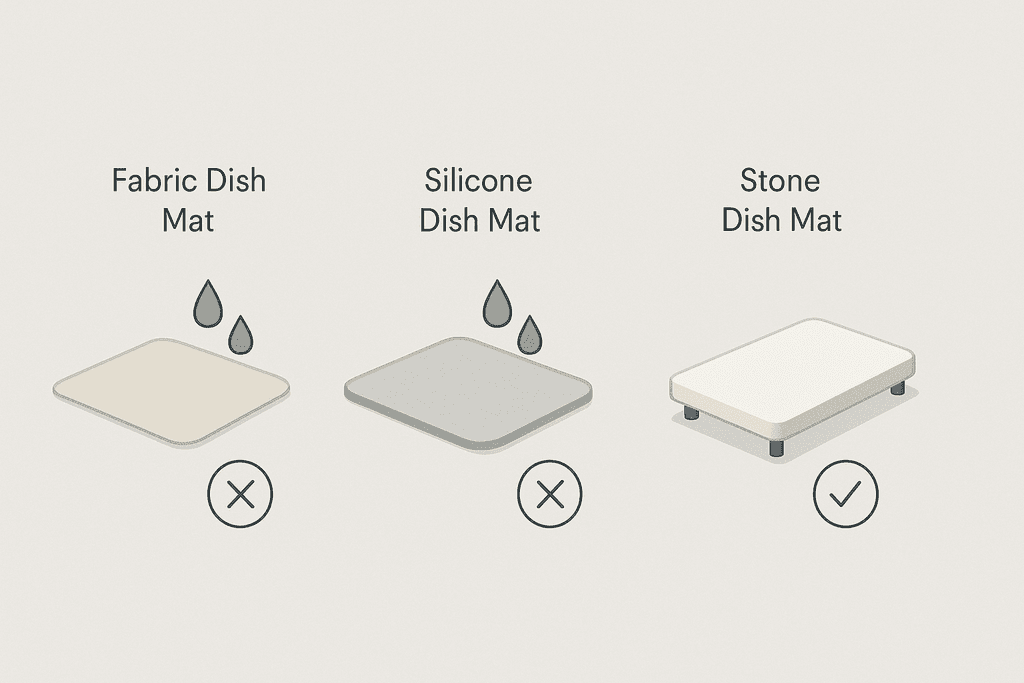
Most fabric dish mats start looking gross within a few weeks. You wash them, they seem clean, but those faint stains never really go away. The problem isn't just about appearance though. When water sits on fabric, it creates the perfect environment for bacteria and mildew to grow. Stone dish mats work differently because they don't let water stick around long enough to cause problems in the first place.
How Stone Dish Mats Prevent Stains Naturally
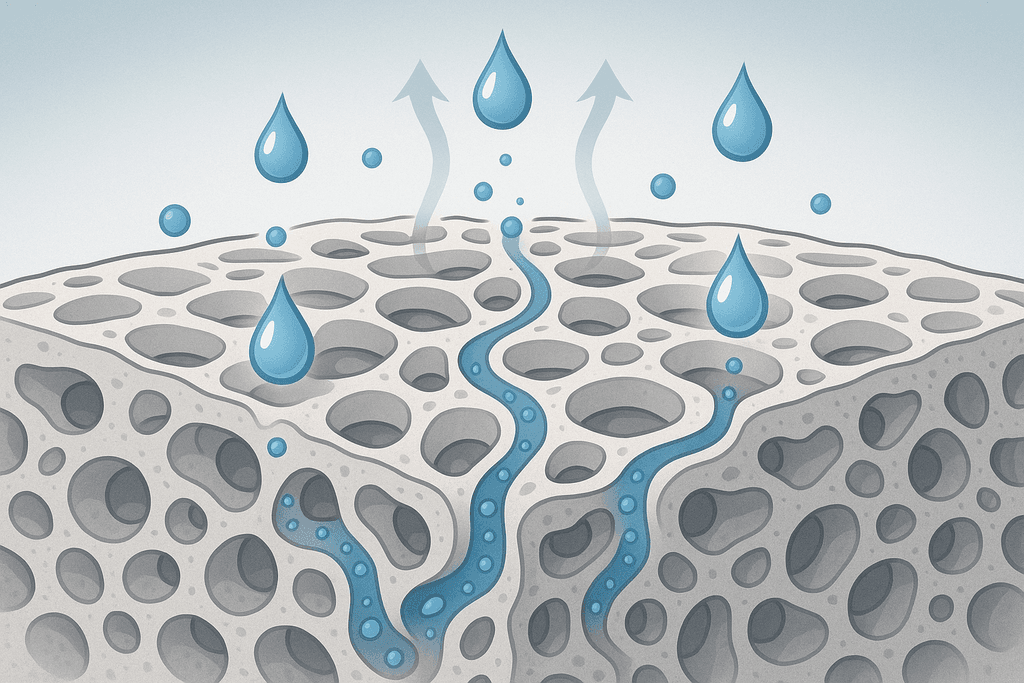
The secret is in the material itself. Diatomite is made from fossilised algae that lived millions of years ago, and its structure is filled with microscopic pores. When water hits the surface, these tiny holes pull moisture in instantly, then release it back into the air through evaporation. This happens so fast that water doesn't have time to bond with food particles or soap residue that might cause staining.
- Instant absorption means water disappears on contact instead of pooling
- Rapid evaporation keeps the surface dry between uses
- No fabric fibers to trap food particles or develop odors
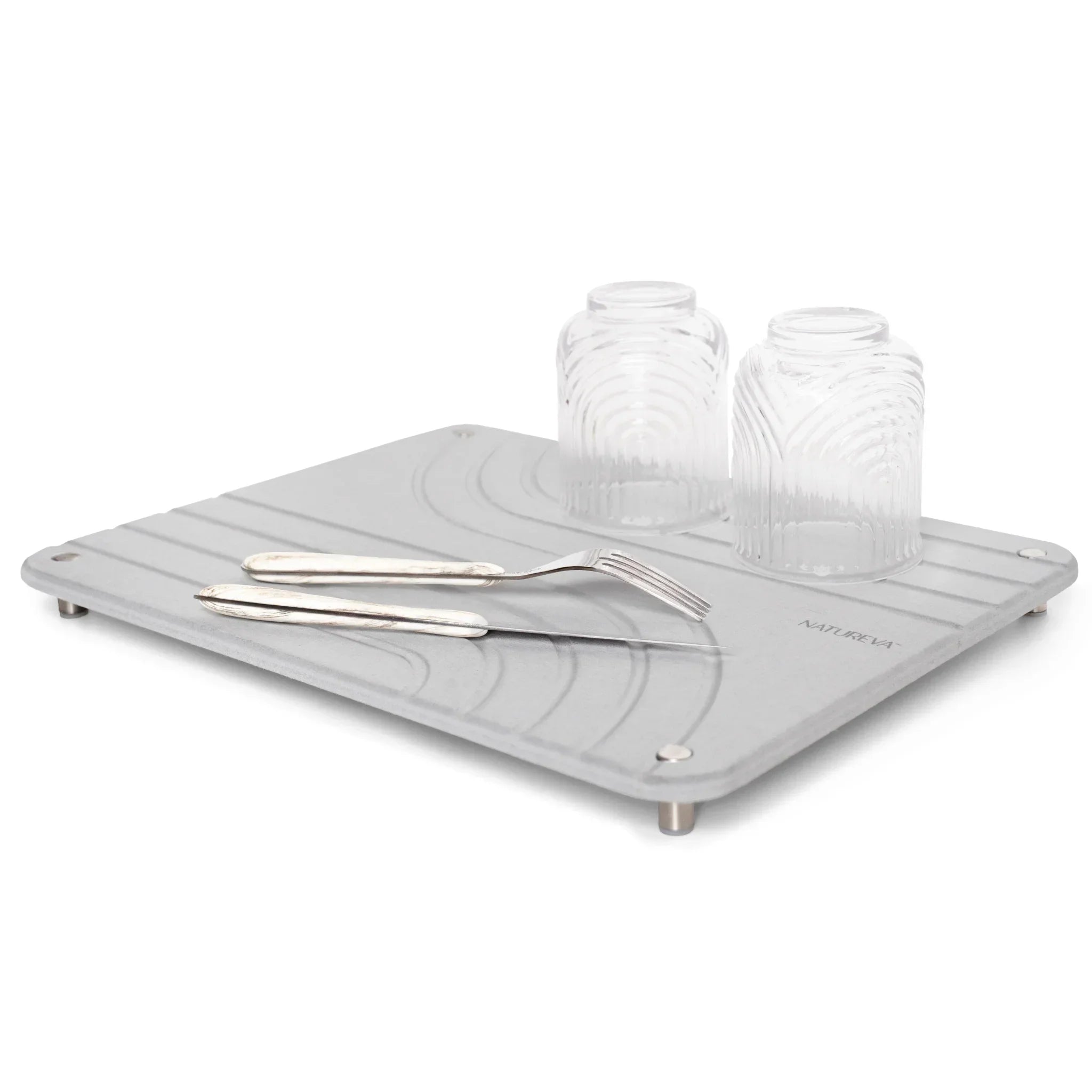
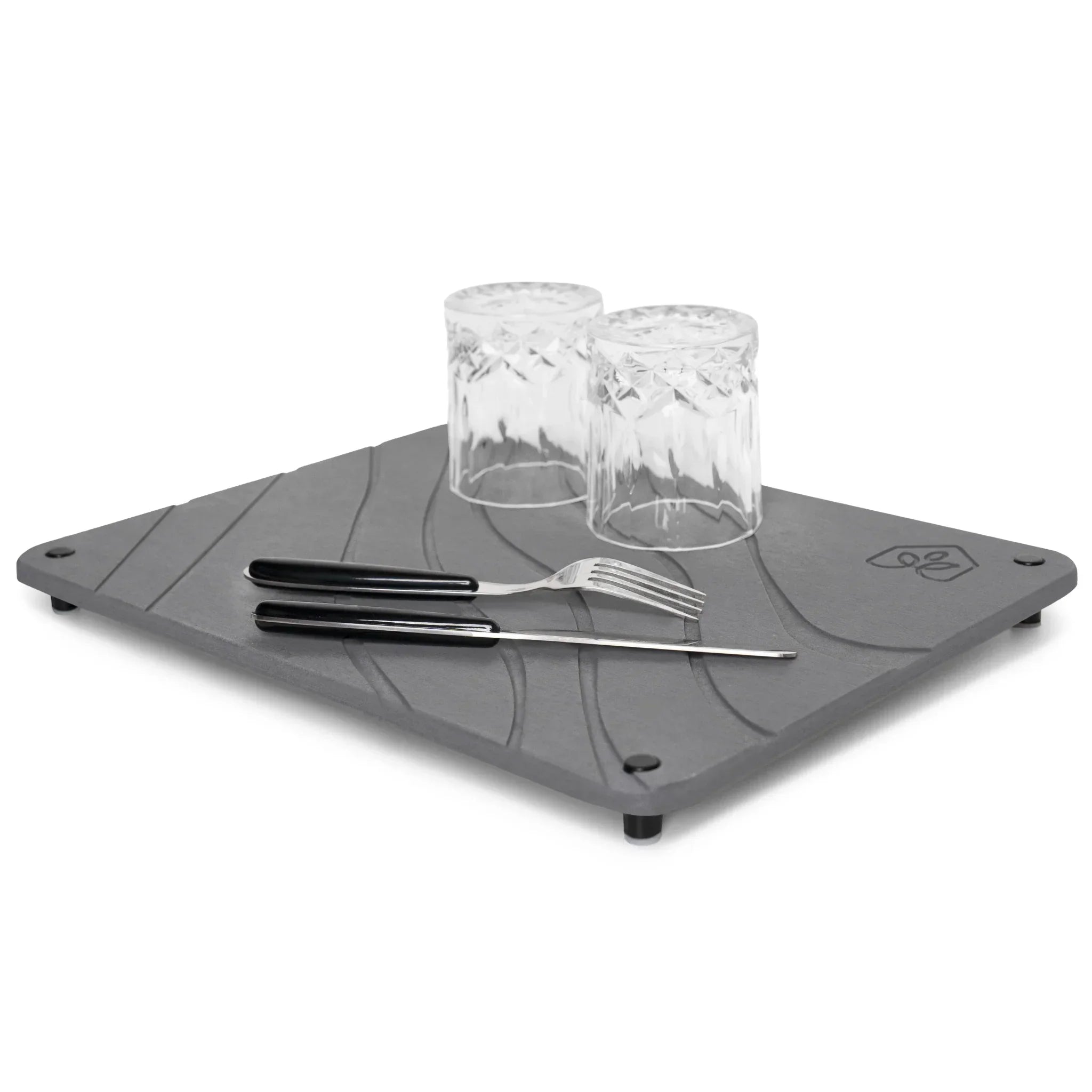
- Stainless-steel legs create airflow underneath for faster drying
- Natural antibacterial properties from staying dry, not chemicals
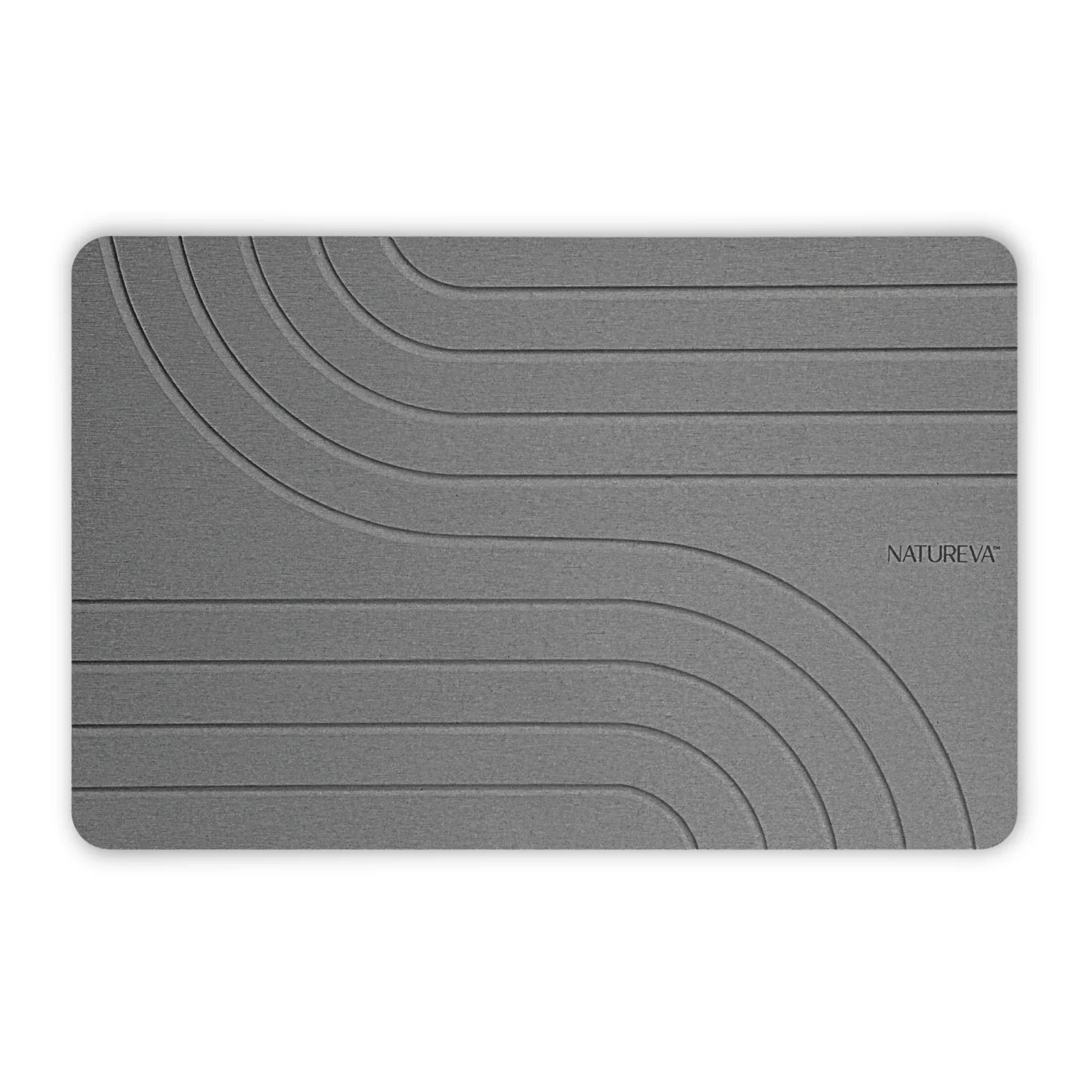
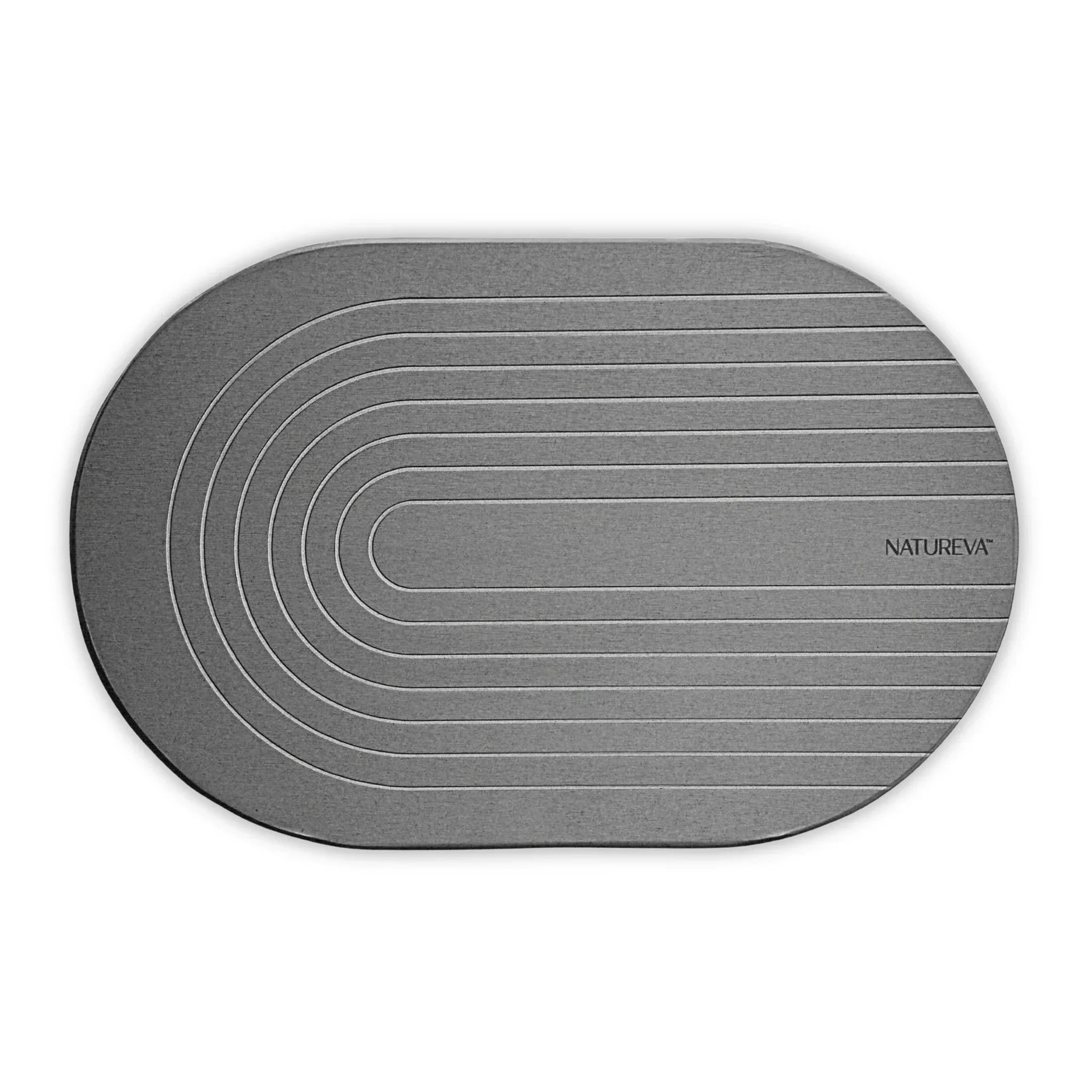
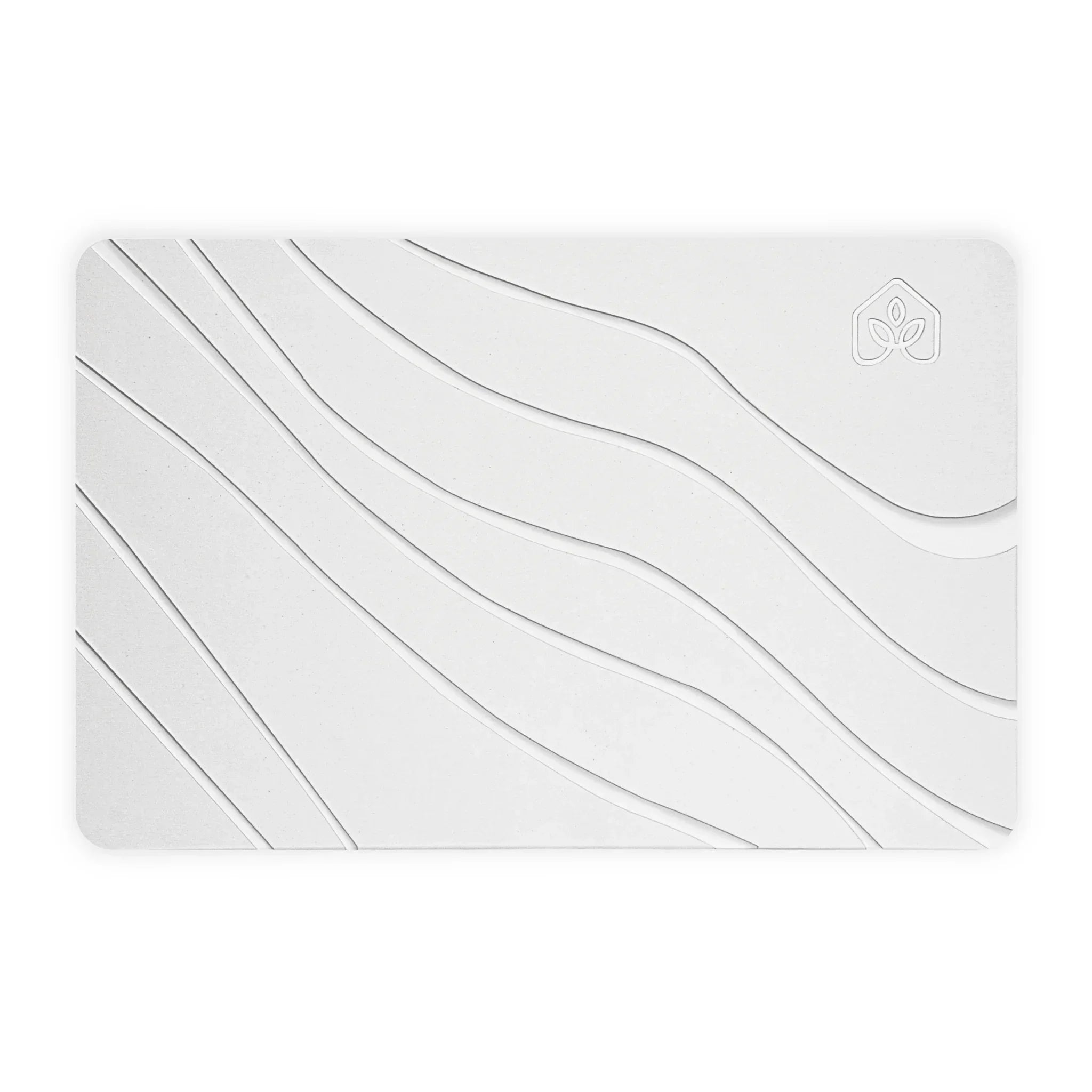
Our stone dish mats measure 39.5 × 29.5 × 2.5 cm and sit on raised legs that keep air moving underneath. This design detail matters more than you'd think. When moisture can escape from both sides, the mat stays ready for the next load of dishes without developing that damp smell fabric mats get.
The surface stays naturally antibacterial because bacteria need moisture to multiply. Without a wet environment, there's nothing for bacteria to thrive on. This is completely different from fabric mats that stay damp for hours, creating a breeding ground for microbes even after they look dry on the surface.
Dealing with Tough Stains on Stone Dish Mats
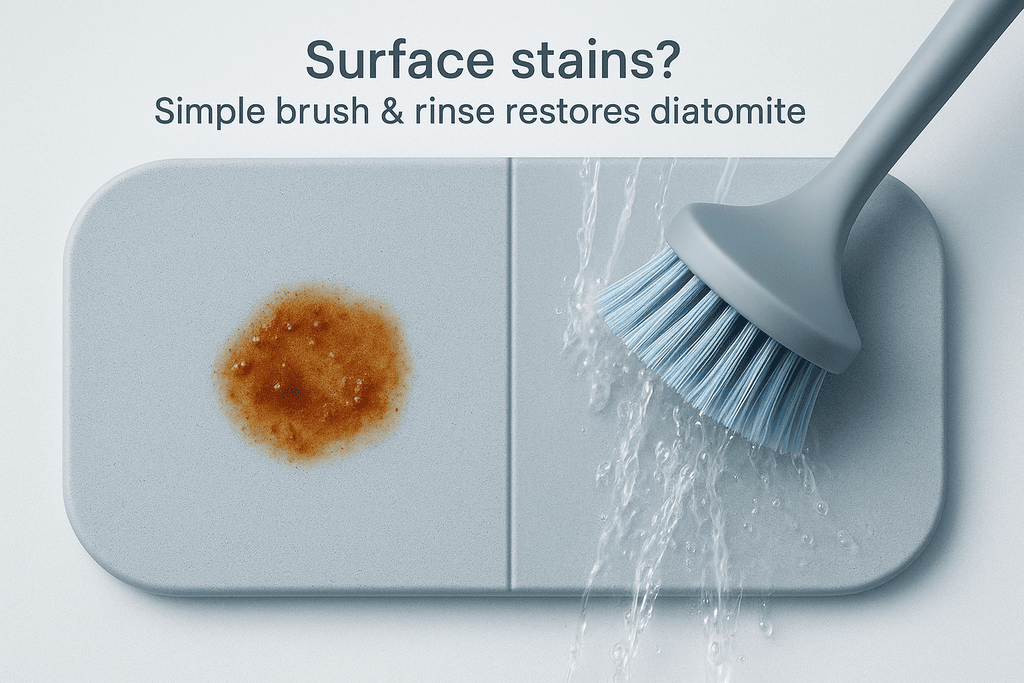
Even though stone dish mats resist staining better than fabric, they're not completely immune to marks. Certain foods and liquids can leave traces if they sit long enough. The good news is that most stains on diatomite are surface-level and come off with simple cleaning methods. Unlike fabric where stains soak deep into fibers, stone stains usually sit on top where you can actually reach them.
Dealing with Tough Stains on Stone Dish Mats
Most everyday marks rinse away under running water with a soft brush or sponge. You don't need harsh chemicals or special cleaners for regular maintenance. Just hold the mat under the tap and scrub gently where you see discoloration.
For weekly upkeep, a simple vinegar-water solution works well. Mix equal parts white vinegar and water, wipe down the mat, then rinse and let it air dry. This prevents buildup from hard water or soap residue that can dull the surface over time.
- Rinse the mat under running water while scrubbing with a soft brush
- For stubborn marks, apply hydrogen peroxide directly to the stain
- Let it sit for 10-15 minutes, then scrub and rinse
- If stains persist, use the included sanding tool to gently buff the surface
- Wipe away dust and rinse one final time
- Stand the mat upright to air dry completely
The sanding tool that comes with every Natureva stone dish mat is your secret weapon for deep stains. Light sanding removes the top layer of material where stains have settled, revealing fresh diatomite underneath. This also restores absorbency if the mat starts feeling less effective over time.
What actually causes stains on stone mats? Usually it's colored liquids like coffee, tea, or tomato sauce that get left sitting too long. Food dyes and natural pigments can bond with the porous surface if they're not wiped up. The best prevention is simply rinsing the mat after particularly messy dishes, which takes about ten seconds.
Stone vs Fabric: The Real Cost of Dish Mat Stains
Fabric dish mats seem cheaper upfront, but they hide ongoing costs that add up fast. Most people replace fabric mats every three to six months because they start looking dingy or smelling musty. Even with regular washing, those stains become permanent and the fabric loses its absorbency. When you calculate the cost of buying new mats twice a year, plus the water and detergent for constant washing, the numbers tell a different story.
Stone dish mats last for years with basic maintenance. The initial investment pays off because you're not constantly replacing a product that's designed to handle water but somehow can't stay clean. The environmental impact matters too. Every fabric mat you throw away ends up in a landfill, while a single stone mat serves the same purpose for years without creating waste.
| Feature | Stone Dish Mat | Fabric Dish Mat |
|---|---|---|
| Lifespan | Years with proper care | 3-6 months before replacement |
| Stain Resistance | High, stains stay on surface | Low, stains soak into fibers |
| Maintenance | Quick rinse, occasional sanding | Frequent washing, detergent costs |
| Drying Time | Minutes through evaporation | Hours, often stays damp |
| Odor Development | Minimal due to rapid drying | Common from trapped moisture |
The next generation of home essentials: naturally made, cleaner by design, sustainable by nature.
SHOP ALLThe hygiene difference is significant. Fabric mats harbor bacteria in their fibers even after washing, especially if they don't dry completely between uses. Stone mats don't have fibers to trap microbes, and their rapid drying prevents bacterial growth naturally. You're putting clean dishes on a surface that actually stays clean.
Both our Flow and Tide pattern stone dish mats come with everything you need for long-term care, including the sanding tool that extends their life indefinitely. This isn't about buying something once and hoping it works. It's about having a solution that actually solves the problem of keeping your kitchen counters dry and hygienic without constant replacement or maintenance hassles.
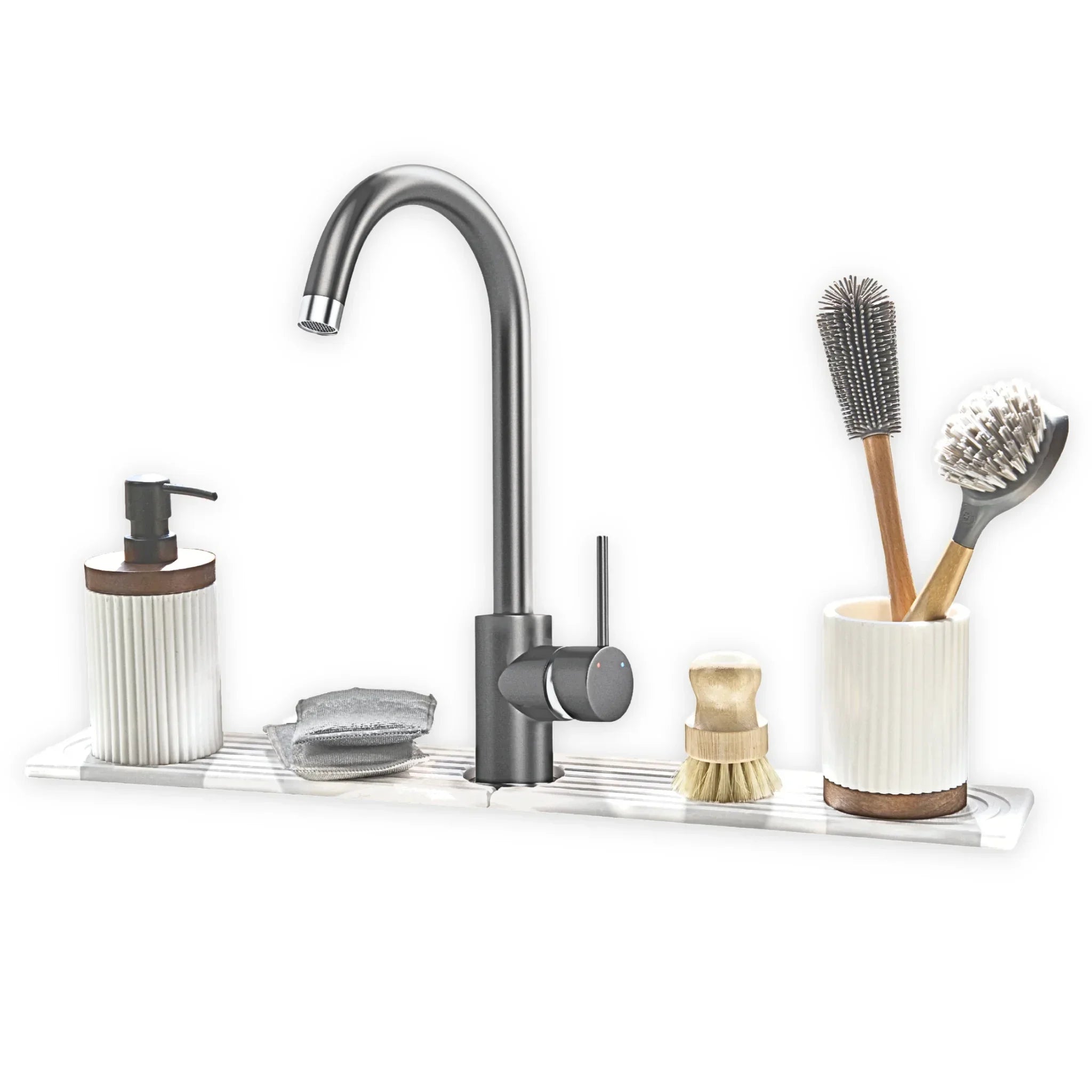
If you're dealing with moisture in other areas of your home, the same diatomite technology works throughout your space. Check out our bathroom collection for bath mats and sink caddies, or explore our accessories like coasters and plant saucers that use the same stain-resistant material. The whole system works together to manage moisture naturally, without the constant battle against stains and odors that come with traditional fabric products.
Why Diatomite Works Better for Kitchen Surfaces
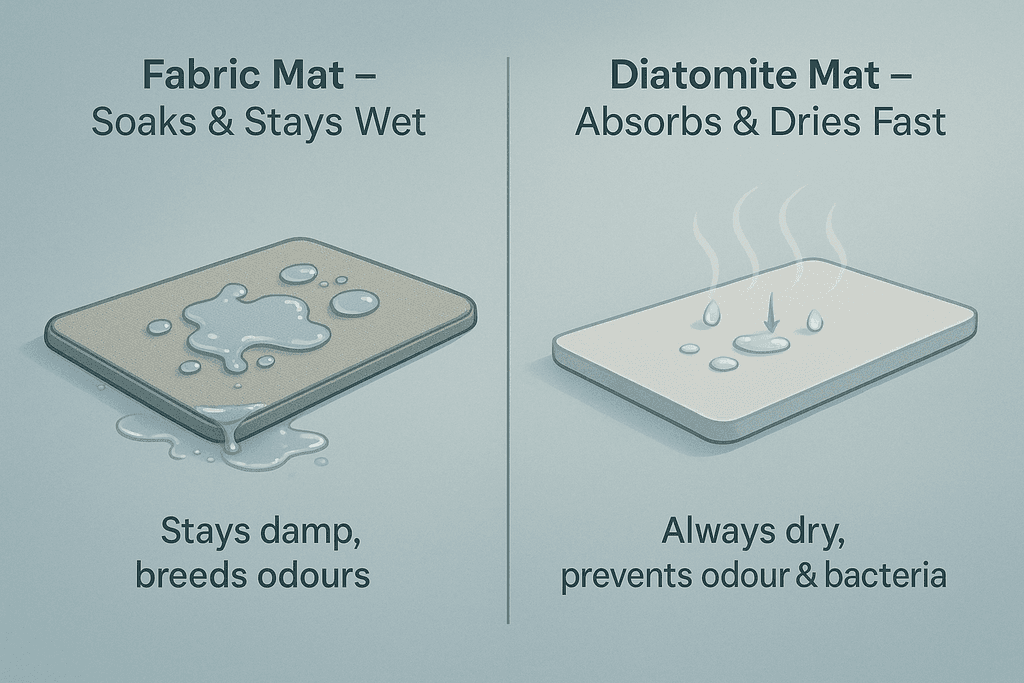
The secret to diatomite's performance lies in its microscopic structure, formed over millions of years from fossilised algae called diatoms. Each tiny pore acts like a natural pump, pulling moisture in and releasing it back into the air almost immediately. This isn't just about soaking up water like a sponge would. It's about creating a surface that stays dry even when you're constantly placing wet dishes on it throughout the day.
Most kitchen drying solutions focus on absorption capacity, but that's only half the story. A material that holds water without releasing it quickly becomes a breeding ground for bacteria and odours. Diatomite flips this equation by prioritising evaporation speed over storage volume.
- Diatomite dries 3-5 times faster than bamboo mats
- Cork retains moisture for 4-6 hours versus diatomite's 1-2 hours
- Traditional fabric mats can stay damp for 8-12 hours in humid conditions
Natureva's composite construction adds another layer of practicality. By blending diatomaceous earth with recycled paper, the material gains structural integrity without needing chemical binders or synthetic coatings. This keeps the porous network open and functional while making the stone dish drying mat durable enough for daily kitchen use.
The Airflow Advantage
Even the best absorbing material will eventually saturate if moisture has nowhere to go. That's where design matters as much as material choice. The stainless-steel legs on Natureva's dish mat create a critical gap between the stone and your countertop.
- Air circulates underneath, preventing moisture from getting trapped
- The stone releases water vapour from both top and bottom surfaces
- Your countertop stays protected from water damage and staining
- The mat itself never sits in a puddle of its own drainage
Bamboo and cork alternatives often sit flat against surfaces, which limits their drying capacity significantly. Without proper airflow, even naturally absorbent materials become moisture traps rather than moisture managers. The difference becomes obvious after a few days of use, when fabric mats start smelling musty and flat bamboo boards develop dark water stains.
Diatomite doesn't just absorb water better. It releases it faster, stays cleaner longer, and maintains its performance without the bacterial buildup that plagues traditional dish drying mat options.
A Cleaner Kitchen Starts with Better Materials
The problem with traditional fabric dish mats isn't just the stains you can see. It's the moisture they trap underneath, the bacteria they harbour, and the constant cycle of washing and replacing them. A stone dish drying mat solves this at the source by absorbing water instantly and releasing it through evaporation, which means your countertop stays dry and your mat stays clean. The difference isn't just visible, it's measurable in how much less often you're dealing with mildew smell or discoloured fabric.
What makes diatomite work so well is its structure. Those millions of microscopic pores don't just soak up water, they let air move through the material so nothing stays damp long enough to cause problems. Our Flow and Tide dish mats sit on stainless-steel legs that keep airflow moving underneath, which prevents moisture from getting trapped against your benchtop.
Maintenance is simpler than you'd think. A quick wipe with vinegar and water once a week keeps the surface fresh, and if you ever notice reduced absorption, a light sand with the included tool brings it back to new. That's years of use without needing a replacement, which makes the upfront cost easier to justify when you're not buying new fabric mats every few months.
The same material that works in the kitchen also handles moisture problems in other rooms. You'll find the same diatomite construction in our bathroom collection, sink caddies, and even pet mats, which means you can manage moisture consistently throughout your home without switching between different products and care routines.
Common Questions About Stone Dish Mats
Switching from fabric to stone can feel like a big change, especially when you're used to tossing things in the wash. Stone dish drying mats work differently than traditional options, and that brings up some natural questions. Here's what most people want to know before making the switch.
Do stone dish mats stain easily?
Stone dish mats can pick up stains from coloured liquids like coffee, wine, or tomato sauce if left sitting too long. The porous surface that makes them so absorbent also means they can hold onto pigments. Most light stains wipe away with a vinegar-water solution, and tougher marks come off with hydrogen peroxide or light sanding. The Natureva stone dish mat includes a sanding tool specifically for restoring the surface when needed.
How do you clean a stone dish drying mat?
Weekly cleaning is simple. Just wipe the surface with a mix of equal parts water and white vinegar, then let it air dry. For stuck-on food or deeper stains, rinse the mat under water and scrub gently with a brush. Avoid harsh chemicals or bleach, as these can damage the natural material. If you notice any discolouration that won't wipe away, a quick pass with the included sanding tool brings it back to fresh.
Can you put hot pots on a stone dish mat?
Stone dish mats aren't designed as trivets or heat pads. They're made from diatomite and recycled paper, which can handle moisture but not extreme heat. Placing a hot pot directly on the surface could cause cracking or warping. Stick to using them for drying dishes, utensils, and glassware where water absorption is the main goal.
How long do stone dish mats last?
With regular care, a stone dish drying mat can last several years. The material doesn't break down like fabric or harbour bacteria like sponges. Over time, you might need to sand the surface occasionally to maintain peak absorbency, but that's part of normal maintenance. Dropping or rough handling can cause cracks, so treat it like you would a cutting board.
Are stone dish mats better than fabric?
It depends on what matters most to you. Fabric mats need frequent washing and stay damp for hours, which can lead to mildew and odours. Stone mats dry in minutes, don't need laundering, and naturally resist bacteria through rapid moisture evaporation. They take up the same counter space but eliminate the wet-fabric-smell problem entirely. Brands like Dorah and Drysorb offer similar products, but the stone dish drying mat from Natureva includes stainless-steel legs for better airflow underneath.
What if my stone dish mat stops absorbing water?
Reduced absorption usually means the pores are clogged with soap residue, oils, or mineral deposits. A light sanding with the included tool opens up the surface again and restores full function. This takes about two minutes and works like magic. If sanding doesn't help, the mat might be saturated and needs a full day to dry out completely before it performs normally again.
The next generation of home essentials: naturally made, cleaner by design, sustainable by nature.
SHOP ALL