
Which Dish Rack Tray Keeps Benches Dryest
You finish washing dishes, place them on your dish rack tray, and walk away feeling accomplished. Ten minutes later, you return to find a puddle spreading across your counter, seeping toward your wooden cabinets and leaving water marks you'll be wiping up for the next hour. Most dish rack trays simply move water around instead of actually drying it, which is why finding one that keeps your bench truly dry matters more than you might think.
Table of Contents
Why Traditional Dish Rack Trays Fall Short
Most people don't realize their dish rack tray is actually making their kitchen messier, not cleaner. The average household washes dishes multiple times a day, and each time water pools in the tray, drips onto counters, or sits there breeding bacteria. Traditional dish rack trays were designed decades ago with materials that simply collect water rather than deal with it properly. The result is a constant cycle of wiping down counters, wringing out soggy mats, and dealing with that musty smell that never quite goes away.
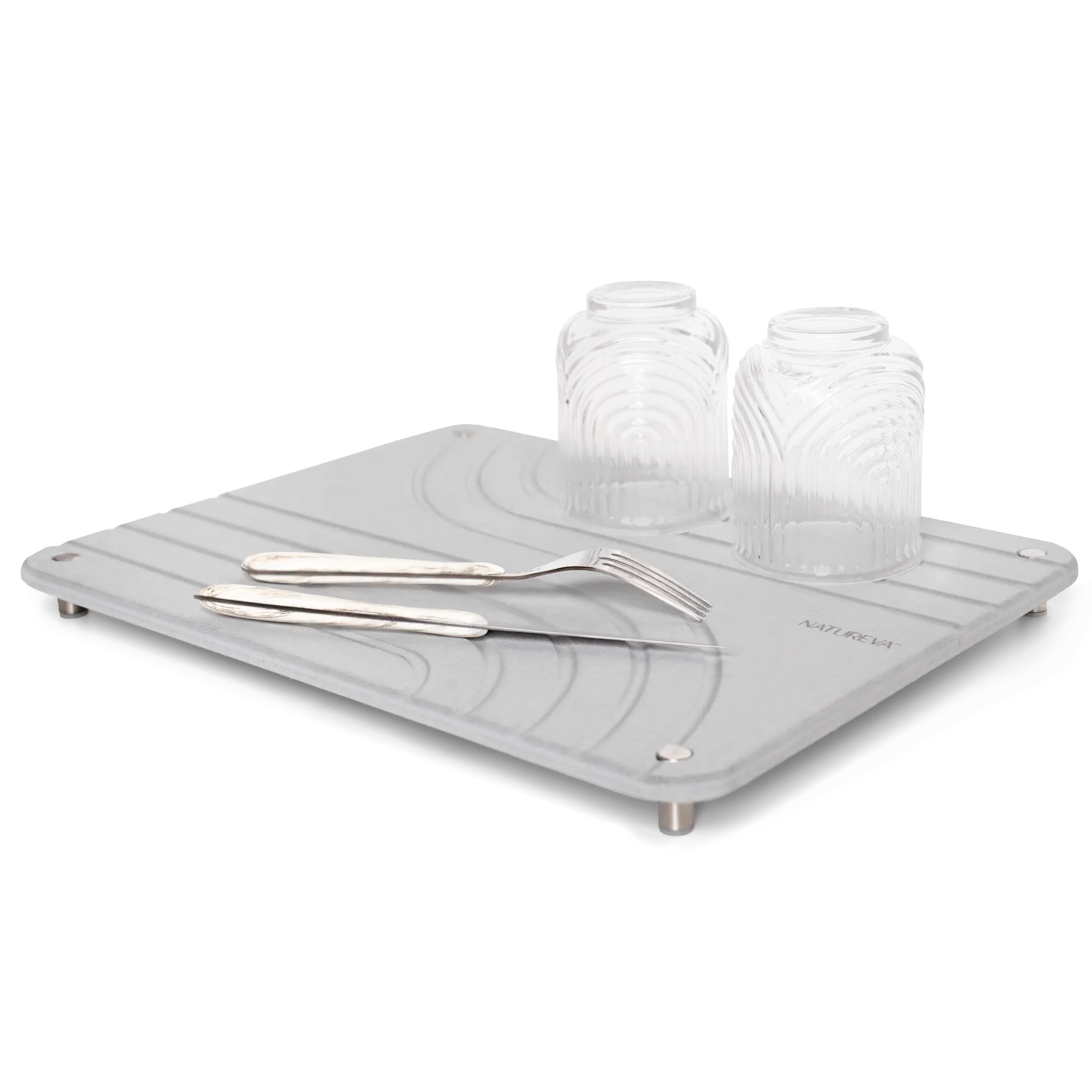
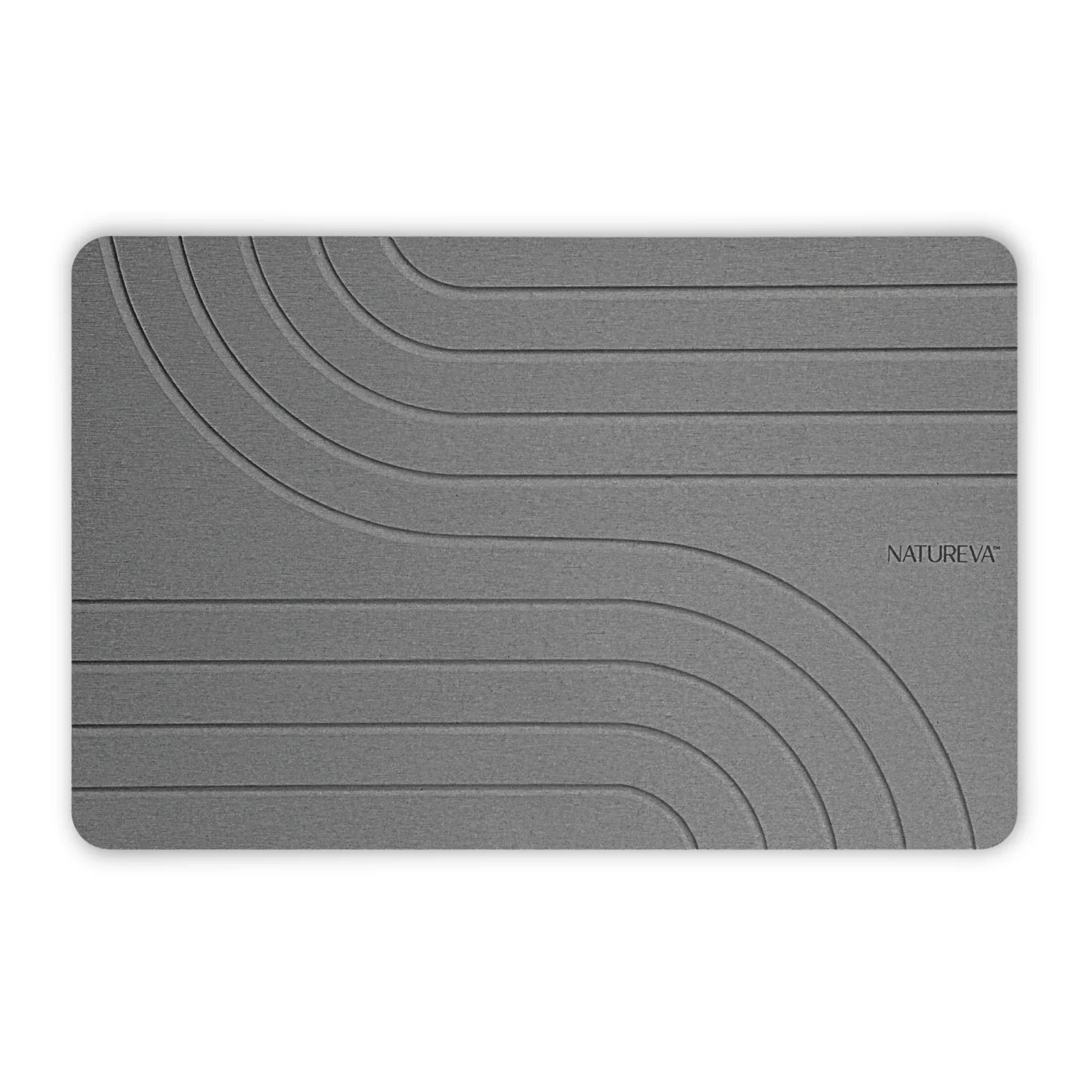
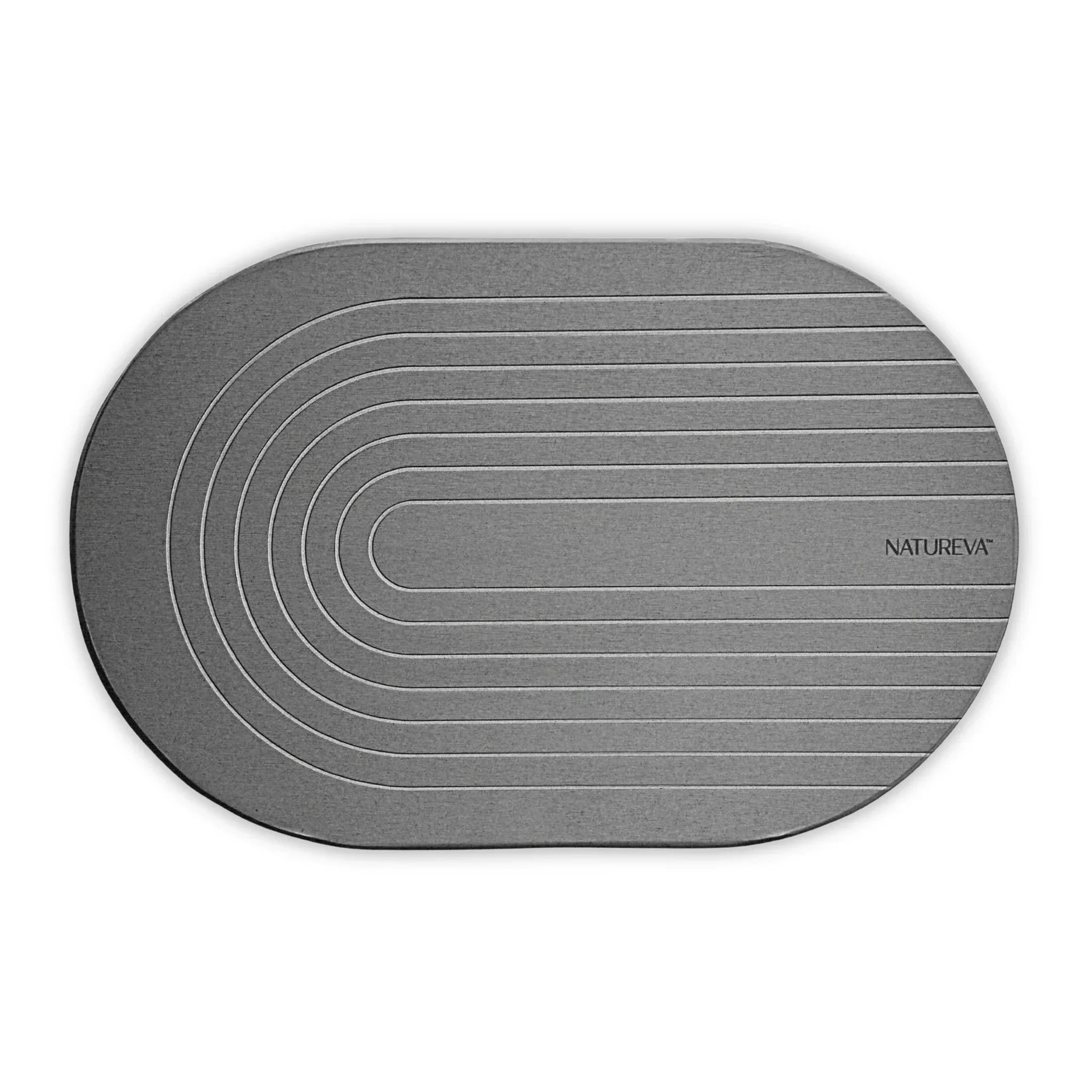
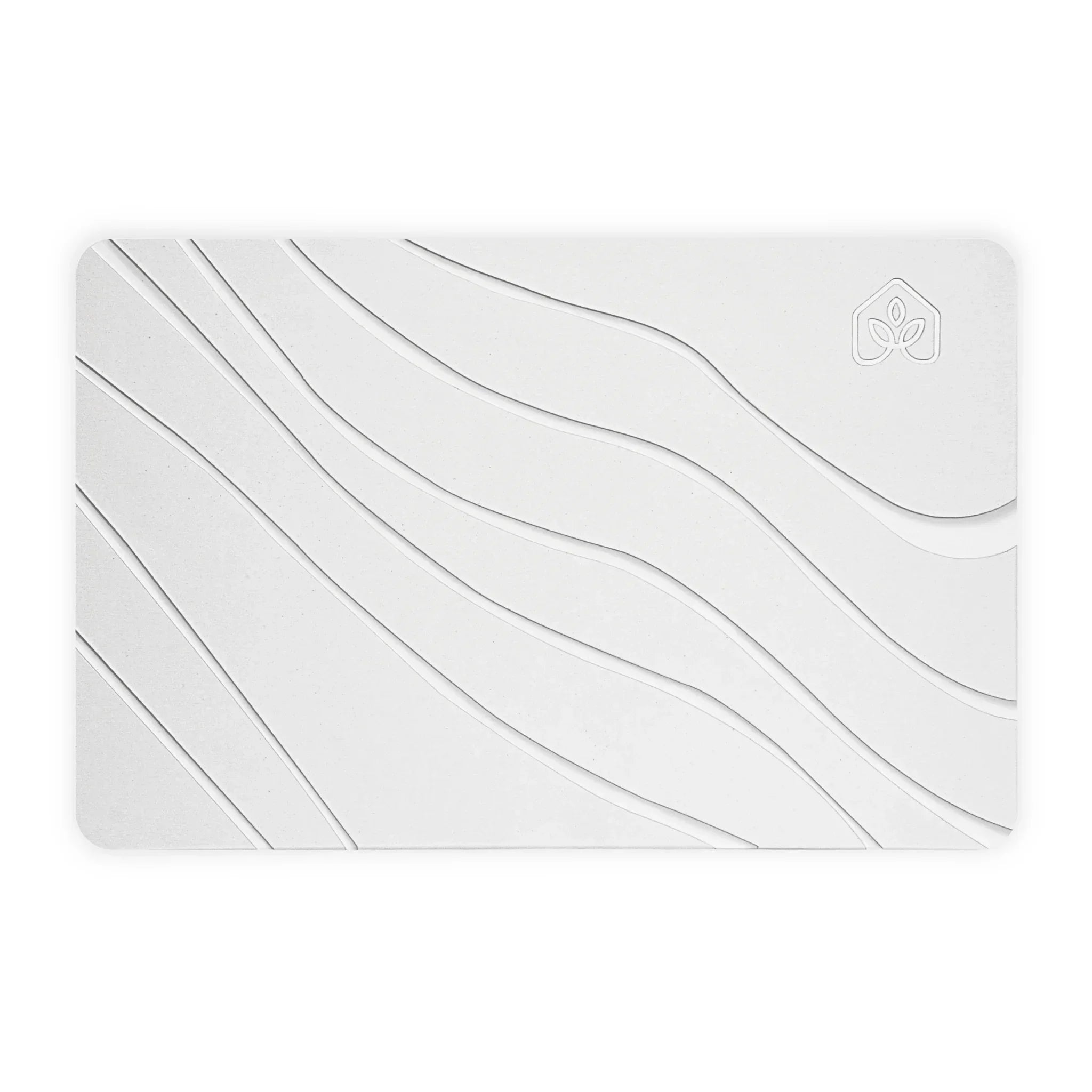
Stone Dish Mat - Tide
The Plastic Tray Problem
Plastic dish rack trays are the most common type found in kitchens, but they're also the worst offenders when it comes to keeping benches dry. These trays don't absorb anything. They just sit there holding water like a tiny swimming pool under your dishes.
Here's what happens with plastic trays:
- Water collects in the bottom and has nowhere to go
- You have to manually empty the tray several times while dishes dry
- Overflow happens easily when you wash larger loads
- The standing water becomes a breeding ground for mold and bacteria
- Countertops end up wet anyway from splashing and overflow
Silicone and Fabric Alternatives
Some people switch to silicone or fabric dish mats thinking they'll solve the problem. Silicone mats do have some absorption capability, but they dry incredibly slowly. The water gets trapped underneath the mat, leaving your counter wet for hours. Fabric mats are even worse because they soak up water and then just stay soggy.
Common issues with these materials include:
- Fabric mats stay damp for 4-6 hours after use
- Silicone traps moisture between the mat and counter surface
- Both require frequent washing to prevent mildew smell
- Neither option actually keeps your bench dry during dish drying
Comparing Drying Performance
The differences between dish rack tray materials become obvious when you look at actual performance data. According to testing by kitchen product reviewers, drying times vary dramatically based on what material you choose.
| Material Type | Water Retention | Drying Time | Counter Protection |
|---|---|---|---|
| Plastic Tray | 100% pooling | Never dries | Poor |
| Fabric Mat | High absorption | 4-6 hours | Poor |
| Silicone Mat | Medium absorption | 2-3 hours | Fair |
| Stone/Diatomite | Instant absorption | 15-30 minutes | Excellent |
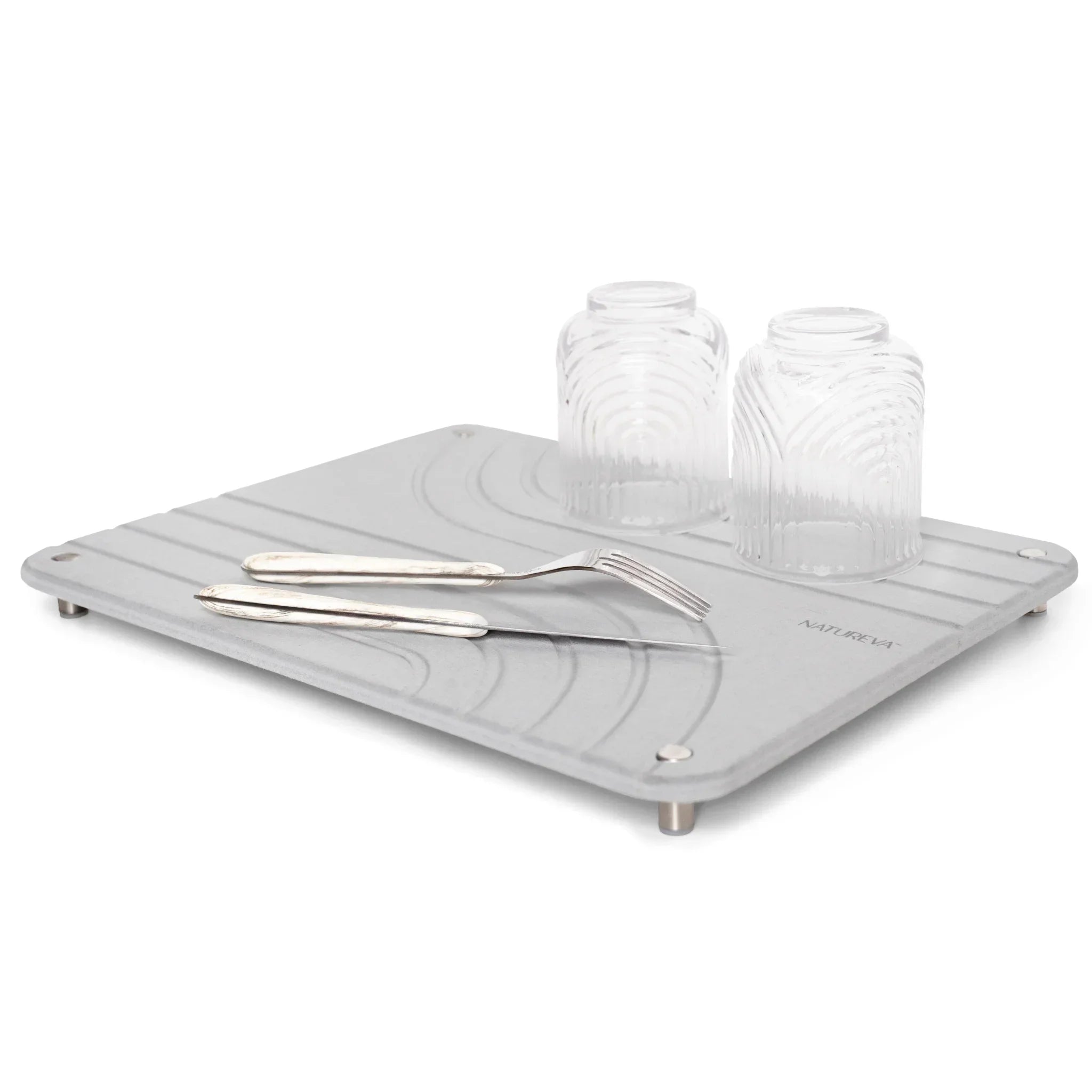
Stone-based materials like diatomaceous earth work differently than traditional options. Our Stone Dish Mat uses natural absorption and evaporation to handle water in minutes instead of hours. The porous structure pulls moisture away from your dishes and releases it into the air quickly, which is why companies like Dorah and Drysorb have also started using similar materials for bath mats and other home products.
The design of your dish rack tray matters just as much as the material. Poor drainage systems cause water to overflow onto counters even when the tray itself has capacity left. Shallow trays fill up fast, and trays without proper channeling let water spread everywhere instead of directing it to drain or evaporate efficiently.
How Different Materials Handle Water
Most people don't think twice about their dish rack tray until they notice water pooling on their counter. The material you choose makes a huge difference in how dry your benches stay, and some options are way better than others. Different materials handle moisture in completely different ways, which affects everything from how often you need to clean up to whether mold starts growing in hidden spots. Understanding these differences can save you from constantly wiping down your counters or dealing with that musty smell that comes from trapped moisture.
Plastic trays are the most common type, but they don't absorb any water at all. Every drop that drips off your dishes just sits there in the tray until you manually empty it. If you forget to dump it out, that water becomes a breeding ground for bacteria.
- Plastic trays have zero absorption and require manual emptying after every use
- Silicone mats absorb minimally and take 4-6 hours to dry completely
- Fabric mats absorb well initially but stay wet for hours and breed bacteria
- Stone mats absorb instantly and dry within 1-2 hours naturally
Silicone mats seem like a step up because they're flexible and easy to store. But they still don't absorb much water, and what little moisture they do hold takes forever to evaporate. You'll find yourself with a damp mat that needs 4-6 hours before it's actually dry.
Fabric dish mats feel nice and soft, which makes them popular. The problem is they soak up water like a sponge and then just sit there wet on your counter. That constant dampness creates the perfect environment for mold and bacteria to grow, especially in the parts you can't see.
Diatomaceous earth stone mats work differently because they have millions of microscopic pores that pull water in and then actively evaporate it. The material itself is naturally porous, which means water doesn't just sit on the surface. Instead, it gets absorbed immediately and then dries through rapid evaporation.
| Material Type | Absorption Speed | Drying Time | Maintenance Level |
|---|---|---|---|
| Plastic | None | N/A | High (manual emptying) |
| Silicone | Minimal | 4-6 hours | Medium |
| Fabric | Fast | 6-8 hours | High (washing needed) |
| Stone | Instant | 1-2 hours | Low |
What Makes Stone Dish Mats Superior
The secret behind stone dish mats is diatomaceous earth, which sounds fancy but is actually pretty simple. This natural material is made from fossilized algae that lived millions of years ago, and its structure is filled with tiny air pockets. These microscopic pores are what make the material so good at handling water. When a drop hits the surface, it gets pulled into these pores immediately instead of spreading across your counter.
Instant absorption is the first major advantage you'll notice. Water doesn't pool or run off onto your bench because the stone pulls it in right away. This prevents those annoying water rings and puddles that other dish rack trays leave behind.
The real magic happens after absorption though. Those millions of tiny air pockets don't just hold water, they actively help it evaporate. Air flows through the porous structure, which speeds up drying time dramatically compared to materials that trap moisture inside.
- Natural diatomaceous earth contains millions of microscopic air pockets
- Water gets absorbed instantly instead of pooling on counters
- Active evaporation through pores reduces drying time to 1-2 hours
- Dry surface prevents mold and bacteria growth
- No manual emptying or wringing out required
Mold and bacteria can't thrive on a surface that dries this quickly. Unlike fabric mats that stay damp for hours, stone mats return to a dry state fast enough that microorganisms don't have time to establish themselves. This makes them much more hygienic for daily use.
The Natureva stone dish mats use premium diatomaceous earth specifically chosen for maximum absorption capacity. The material quality matters because lower-grade stone won't have the same pore structure or absorption speed. You want a mat that can handle a full sink's worth of dishes without getting saturated.
According to research on dish rack design, the biggest complaint people have is dealing with water that doesn't drain properly. Stone mats solve this problem without requiring any drainage system at all.
Real World Performance Testing
Testing different dish rack trays with actual dish loads shows the real differences between materials. When you wash a typical dinner's worth of dishes for a family of four, you're dealing with quite a bit of water runoff. Plates, bowls, cups, and utensils all drip as they dry, and that water has to go somewhere. The question is whether your dish rack tray can handle it without making a mess on your counter.
Absorption capacity varies wildly between materials. A plastic tray will overflow if you don't empty it partway through drying a large load. Fabric mats get completely saturated and start leaking water onto the counter. Stone mats can handle the full load because they're actively drying while new water is still being added.
The next generation of home essentials: naturally made, cleaner by design, sustainable by nature.
SHOP ALLThe time between uses matters too. If you wash dishes twice a day, your dish rack tray needs to be dry before the next load arrives. Stone mats accomplish this easily, while fabric and silicone options are often still damp from the previous use.
| Performance Factor | Plastic | Fabric | Stone |
|---|---|---|---|
| Large load capacity | Poor | Medium | Excellent |
| Ready for reuse | Immediate | 8+ hours | 2 hours |
| Counter protection | Poor | Good | Excellent |
| Cleaning frequency | Daily | Weekly wash | Monthly wipe |
Maintenance requirements are another practical consideration. Plastic trays need emptying after every use and regular scrubbing to prevent buildup. Fabric mats need to go through the washing machine weekly or they start to smell. Stone mats just need an occasional wipe down and light sanding if they ever lose absorption, which takes months of heavy use.
Durability testing shows that stone mats last for years without degrading. The Natureva stone dish mats maintain their absorption properties through hundreds of uses because the porous structure doesn't break down like fabric fibers or degrade like plastic.
Counter protection is probably the most important real-world benefit. Water damage to countertops happens slowly over time, but it's expensive to fix. Stone mats create a barrier that absorbs moisture before it can seep into counter seams or damage wood surfaces. As noted in professional kitchen equipment reviews, keeping water contained is essential for maintaining your kitchen surfaces.
The user experience comes down to convenience. Nobody wants to spend extra time managing their dish drying setup. Stone mats work passively in the background, absorbing and drying without any intervention. You can check out the full collection of dish mats to see which size and design works best for your kitchen layout.
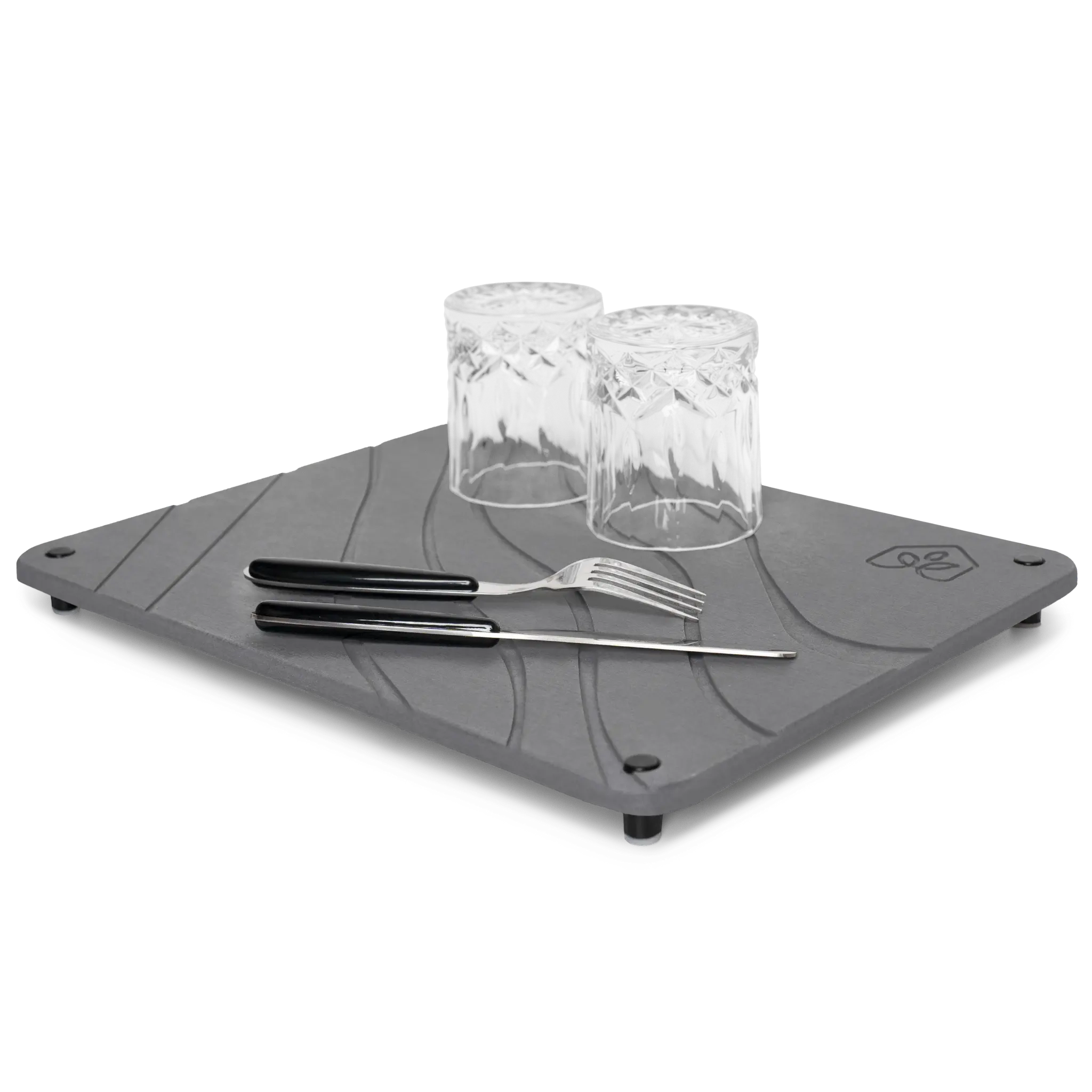
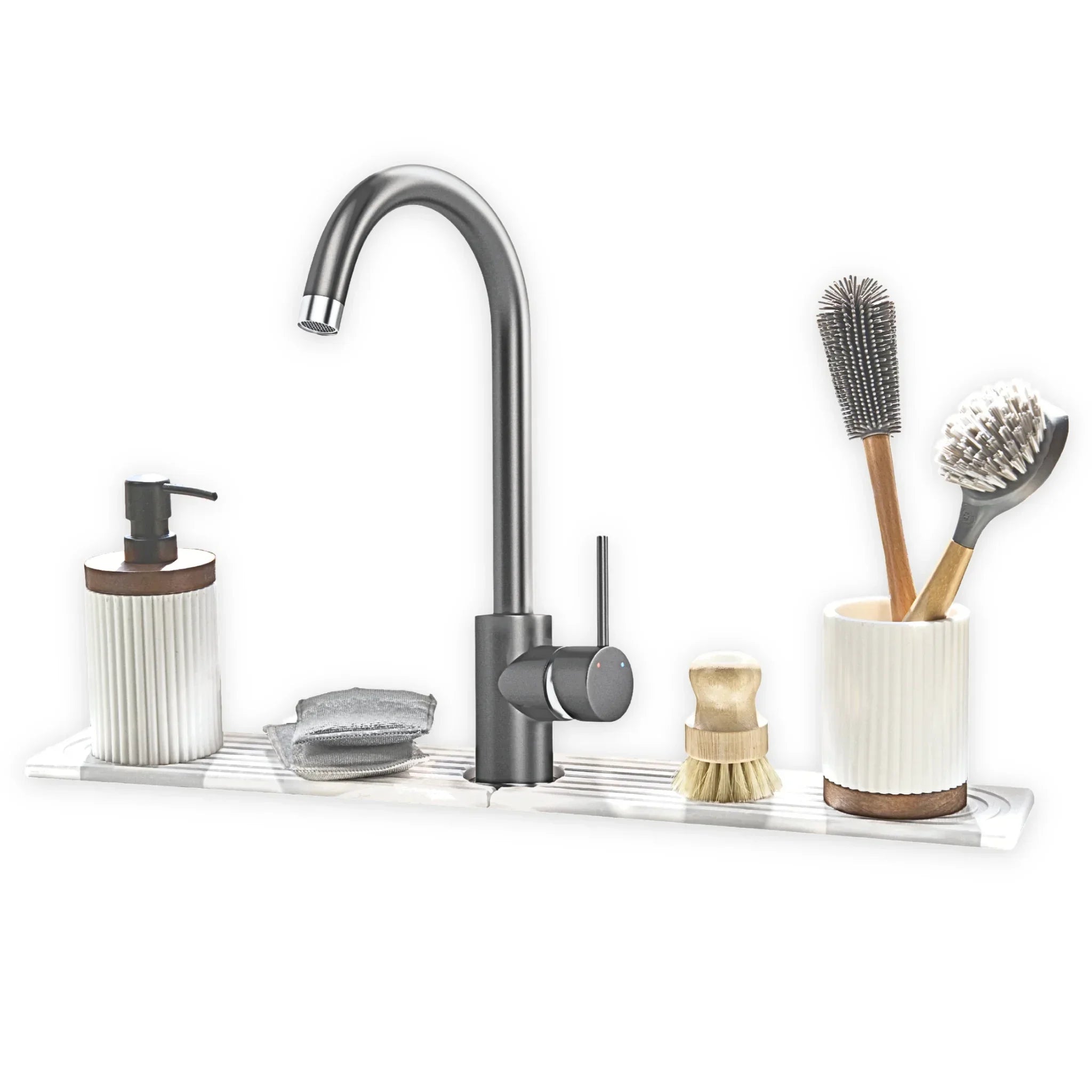
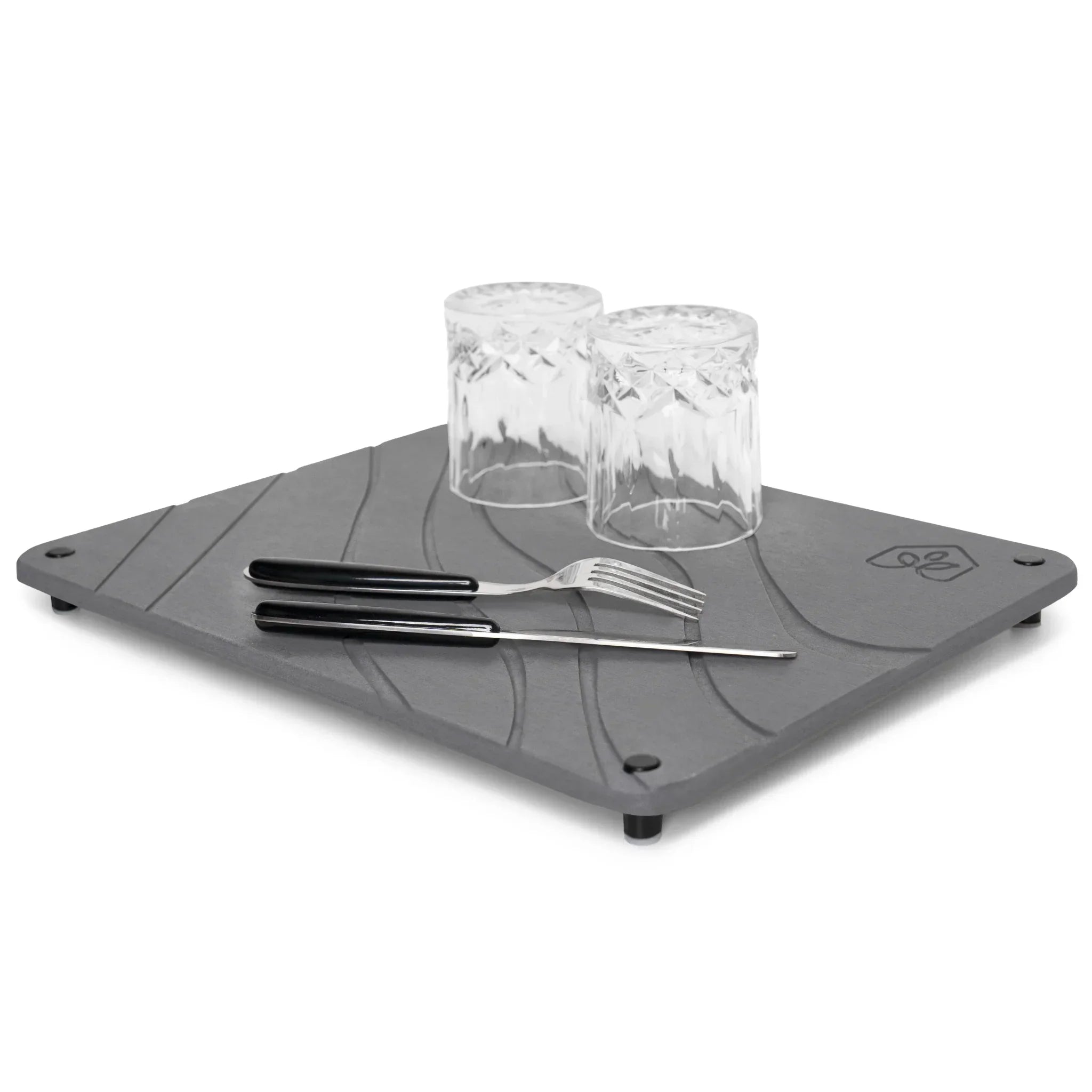
Stone Dish Mat - Flow
The True Cost of Wet Countertops
Most people don't realize that a puddle of water sitting on their counter for just a few hours can start causing real damage. Wood and laminate countertops are especially vulnerable, with water seeping into seams and edges where it breaks down adhesives and causes warping. The average cost to repair water-damaged countertops ranges from $300 to $800, and that's assuming you catch it before the damage spreads to cabinets underneath. What starts as a convenient dish rack tray can turn into an expensive home repair project faster than you'd think.
$500 - Average cost to repair water-damaged countertops
24-48 hours - Time it takes for mold to start growing in damp environments
Hidden Health Risks Lurking in Damp Spaces
The health concerns go beyond just property damage. Mold spores can begin colonizing damp surfaces within 24 to 48 hours, and once established, they release allergens that affect indoor air quality. People with asthma or allergies feel the effects first, but prolonged exposure impacts everyone in the household.
- Respiratory irritation from airborne mold spores
- Bacterial growth in standing water and damp fabric mats
- Cross-contamination when placing clean dishes on contaminated surfaces
- Increased allergy symptoms and asthma triggers
The Time Drain Nobody Talks About
Traditional plastic dish rack trays need emptying multiple times per day, and fabric mats require regular washing to prevent that musty smell. According to Consumer Reports testing of dish drying solutions, conventional options demand constant maintenance that adds up to hours each month.
- Emptying plastic trays 2-3 times daily
- Washing fabric mats weekly to prevent odors
- Wiping down wet countertops after each dish session
- Replacing moldy or damaged mats every few months
The math is simple when you add up repair costs, replacement expenses, and wasted time. A proper absorption solution like our Stone Dish Mat uses natural diatomaceous earth to actively evaporate moisture instead of just collecting it. The upfront investment pays for itself when you consider what you're avoiding in damage, health risks, and daily hassle.
Finding Your Dry Counter Solution
The right dish rack tray makes all the difference between a clean, dry counter and a puddle-filled mess. After looking at different materials and designs, stone dish mats come out on top for keeping benches dry. The natural diatomaceous earth absorbs water instantly and dries faster than any fabric or plastic option. Most traditional dish rack trays just collect water in a pool, which means you're constantly emptying them or dealing with overflow.
What you put under your dishes matters more than most people think. A soggy mat can lead to mold growth, bacteria buildup, and even damage to your countertops over time. The material choice directly impacts how dry your space stays and how much maintenance you'll need to do.
Our Stone Dish Mat in Tide and Flow designs both use the same super-absorbent stone material, just with different patterns to match your kitchen style. They don't need constant wringing out or washing like fabric mats do. The millions of tiny pores in the stone actively evaporate moisture instead of just sitting in it.
Investing in quality now prevents bigger headaches down the road. Water damage to wooden counters or cabinets costs way more to fix than a good dish rack tray costs upfront. Plus, you won't be replacing moldy fabric mats every few months.
Still have questions about which option works best for your specific kitchen setup? The answers below cover the most common concerns people have when choosing a dish rack tray.
Common Questions About Dish Rack Trays
Switching to a new type of dish rack tray brings up a lot of practical questions. Most people want to know if stone mats really work better than what they're currently using, and whether they're worth the investment. Here are the answers to the most common questions we hear about keeping your kitchen counter dry.
How long do stone dish mats take to dry completely?
Stone dish mats typically dry in about 30 minutes to an hour, depending on how much water they've absorbed. The millions of tiny pores in diatomaceous earth actively evaporate moisture much faster than fabric or silicone alternatives. You'll notice the surface feels dry to the touch within minutes, even if the deeper layers are still working on evaporating the water.
Can you put hot pots on stone dish mats?
Yes, stone dish mats can handle hot pots and pans without damage. The natural diatomaceous earth material is heat-resistant and won't warp or melt like plastic dish rack trays. Just make sure your countertop underneath can also handle the heat transfer, especially if you have laminate surfaces.
How do you clean a stone dish mat?
Cleaning a stone mat is simple and takes less than a minute. Rinse it under water and let it air dry, or use a light sandpaper (around 220 grit) to gently buff the surface if it starts losing absorbency over time. Avoid using soap or detergent, as these can clog the pores and reduce the mat's ability to absorb water effectively.
Do stone mats work better than plastic trays?
Stone mats absorb water directly into their surface, while plastic dish rack trays just collect it in grooves or channels. This means plastic trays need constant emptying and often leave your dishes sitting in pooled water. Stone mats from brands like Natureva actively evaporate moisture, so your counter stays completely dry without any manual draining required.
How much water can a stone dish mat absorb?
A standard stone dish mat can absorb several cups of water before reaching capacity. The exact amount depends on the mat's size and thickness, but most can handle a full load of dishes from your sink without any overflow. The key difference is that the water doesn't just sit there like in traditional trays.
Will a stone mat damage my countertop?
Stone mats won't damage your countertop when used properly. The bottom surface is smooth and won't scratch most counter materials. Actually, they protect your counter better than plastic dish rack trays because they prevent water from pooling underneath and potentially causing water damage or staining over time.
The next generation of home essentials: naturally made, cleaner by design, sustainable by nature.
SHOP ALL