
Best Plants and Saucers for Homes With Moisture Problems
If you've noticed musty smells or spotted mold in corners, your home probably has too much moisture. Damp environments don't just feel uncomfortable—they attract allergens, damage furniture, and create health problems for your family.
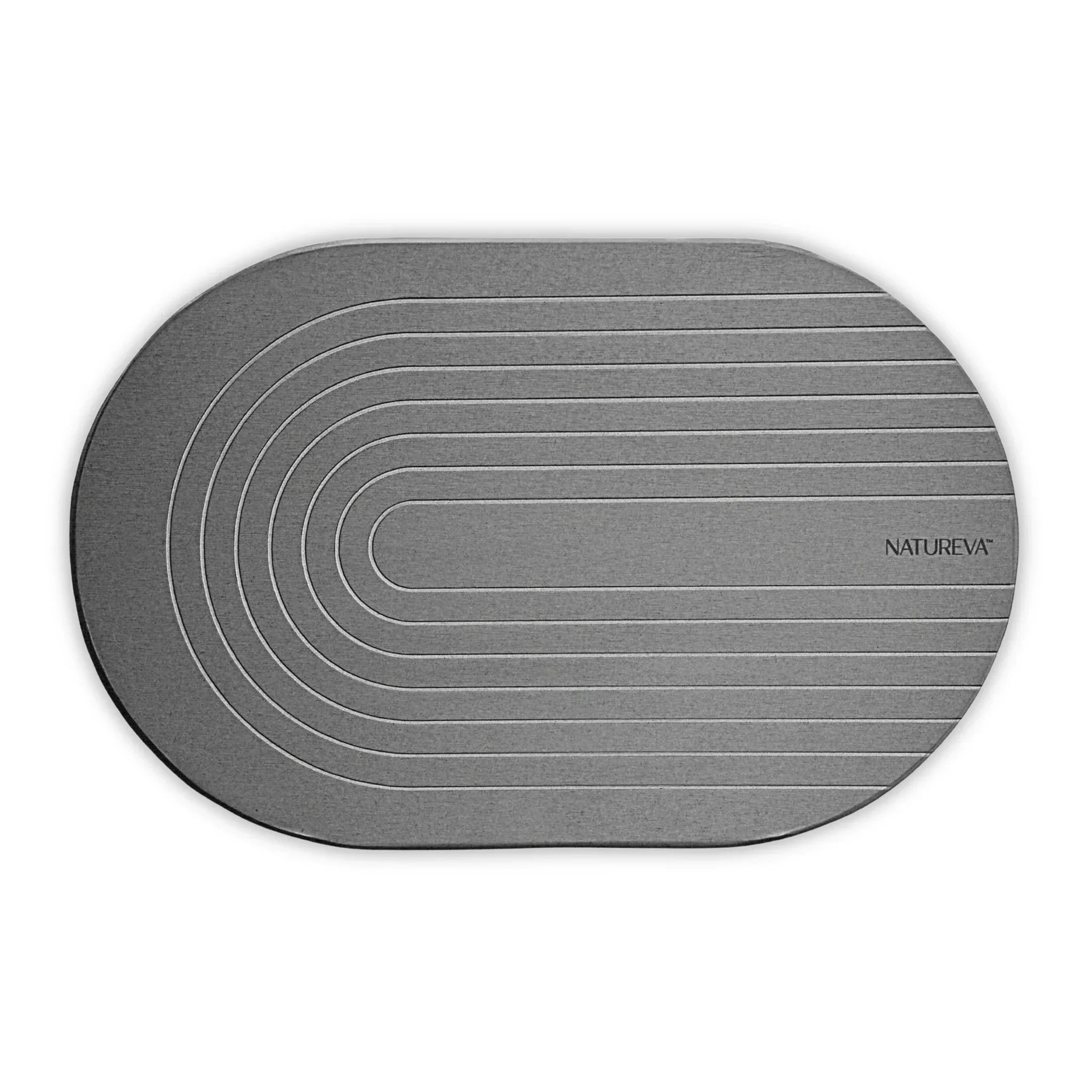
The good news? You don't need expensive dehumidifiers or complicated solutions. The right combination of moisture-absorbing plants and diatomite plant saucers can naturally reduce humidity while beautifying your space.
These simple changes work together to tackle dampness at its source. Plants pull excess moisture from the air, while specialized saucers prevent the water problems that regular plant trays create. Let's explore how it works.
How Humidity-Fighting Plants Actually Work
Certain plants act as natural dehumidifiers through their leaves and root systems. They absorb moisture from the air during transpiration, then release oxygen while keeping the water locked in their tissues.
Unlike mechanical dehumidifiers that use electricity, these plants work 24/7 without any energy costs. They're especially effective in rooms where moisture tends to accumulate.
Boston Ferns: The Humidity Champions
Boston ferns are moisture-absorbing powerhouses that thrive in humid conditions. They actually prefer damp air, making them perfect for homes with moisture problems.
- Absorb humidity through their dense, feathery fronds
- Work best in bathrooms, laundry rooms, and basements
- Need indirect light and regular misting to stay healthy
- Pair perfectly with diatomite saucers to prevent water pooling
Peace Lilies for Damp Bathrooms
Peace lilies don't just look elegant—they're exceptional moisture removers. Their large leaves pull humidity from the air while filtering out mold spores and other airborne nasties.
- Thrive in low-light bathroom conditions
- Signal when they need water by drooping slightly
- Remove mold spores and improve air quality simultaneously
- Require minimal maintenance compared to other humidity fighters
Place them in bathrooms or other high-moisture areas for maximum impact.
Spider Plants: Easy Moisture Fighters
Spider plants are nearly impossible to kill and excellent at absorbing excess moisture. They're perfect if you're new to using plants for humidity control.
- Adapt to almost any light condition
- Produce baby plants you can propagate throughout your home
- Remove formaldehyde and other pollutants while absorbing moisture
- Grow quickly, increasing their dehumidifying power over time
English Ivy Tackles Dampness and Mold
English ivy is a proven mold fighter that reduces airborne mold particles by up to 78% in just 12 hours. It also pulls significant moisture from the air as it grows.
Hang it in baskets or let it trail from shelves in damp rooms. Just keep it away from pets, as it's toxic if ingested. Use proper saucers underneath to manage drainage without creating new moisture problems.
The Problem With Traditional Plant Saucers
Here's the irony: you bring home plants to reduce moisture, but regular plastic or ceramic saucers create new humidity problems. Water sits in these trays for days, evaporating back into your air and defeating the purpose.
- Standing water becomes a breeding ground for mold and bacteria
- Constant evaporation adds humidity back into your home
- Water stains damage wood floors and furniture
- Mosquitoes and gnats are attracted to pooled water
How Diatomite Saucers Absorb Water Instantly
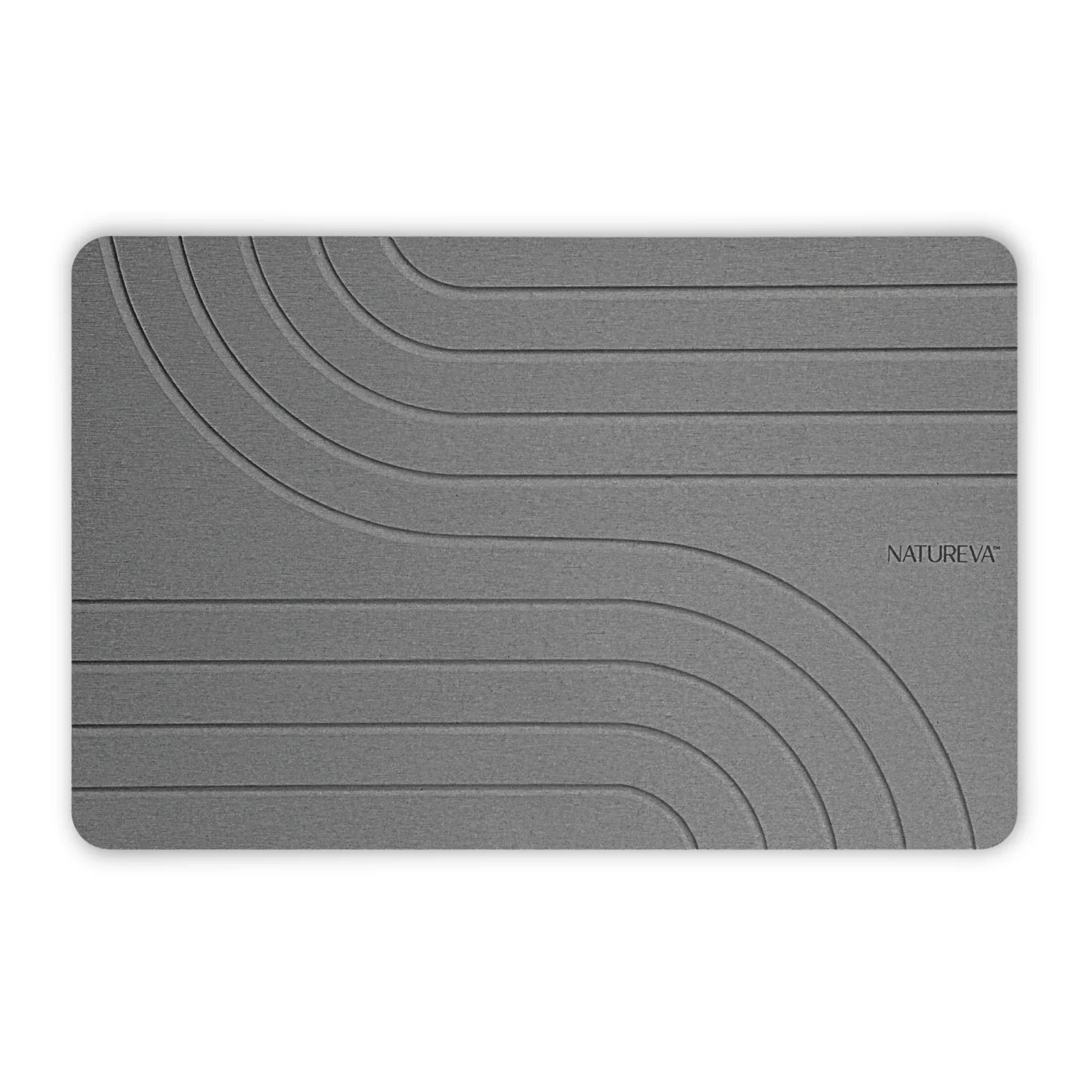
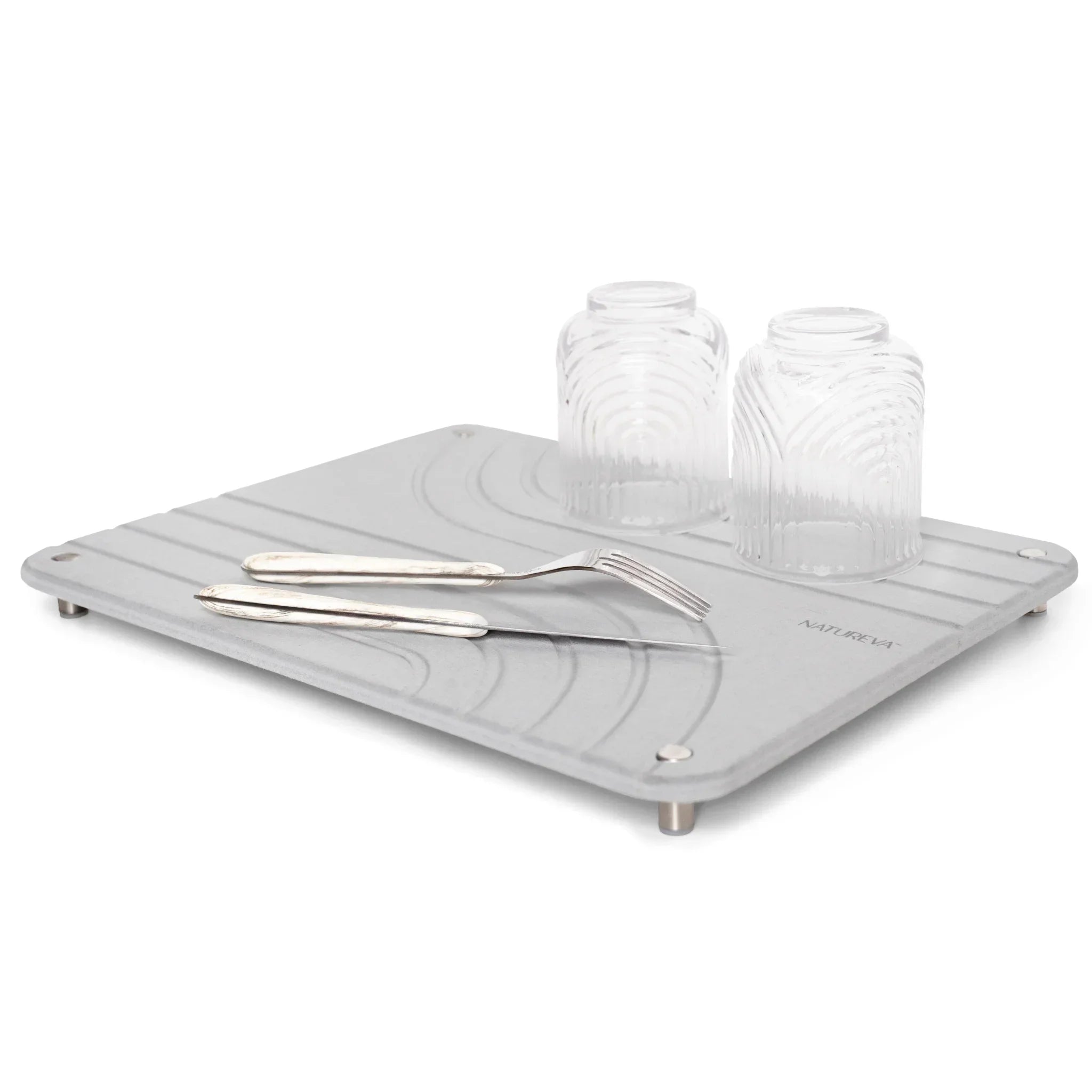
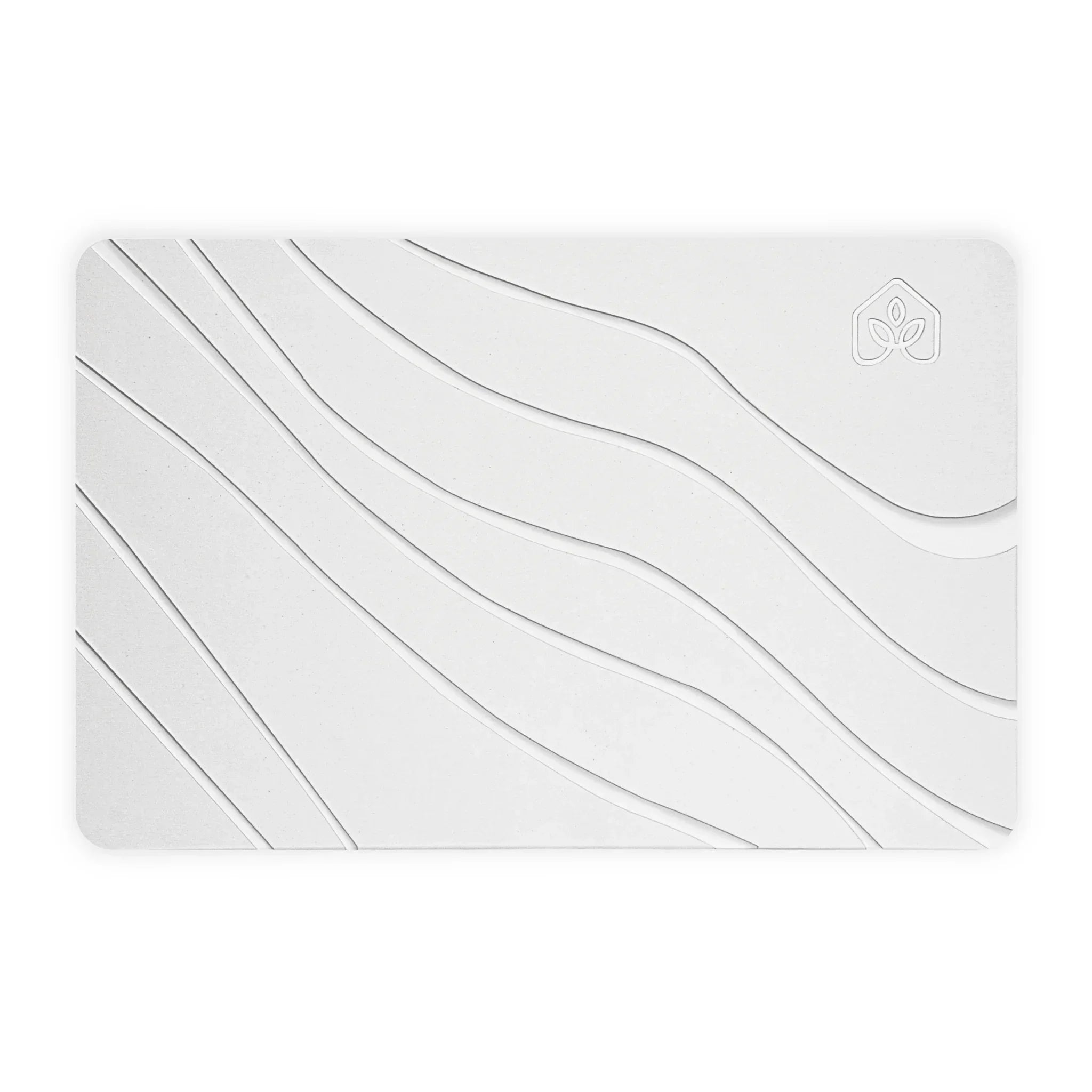
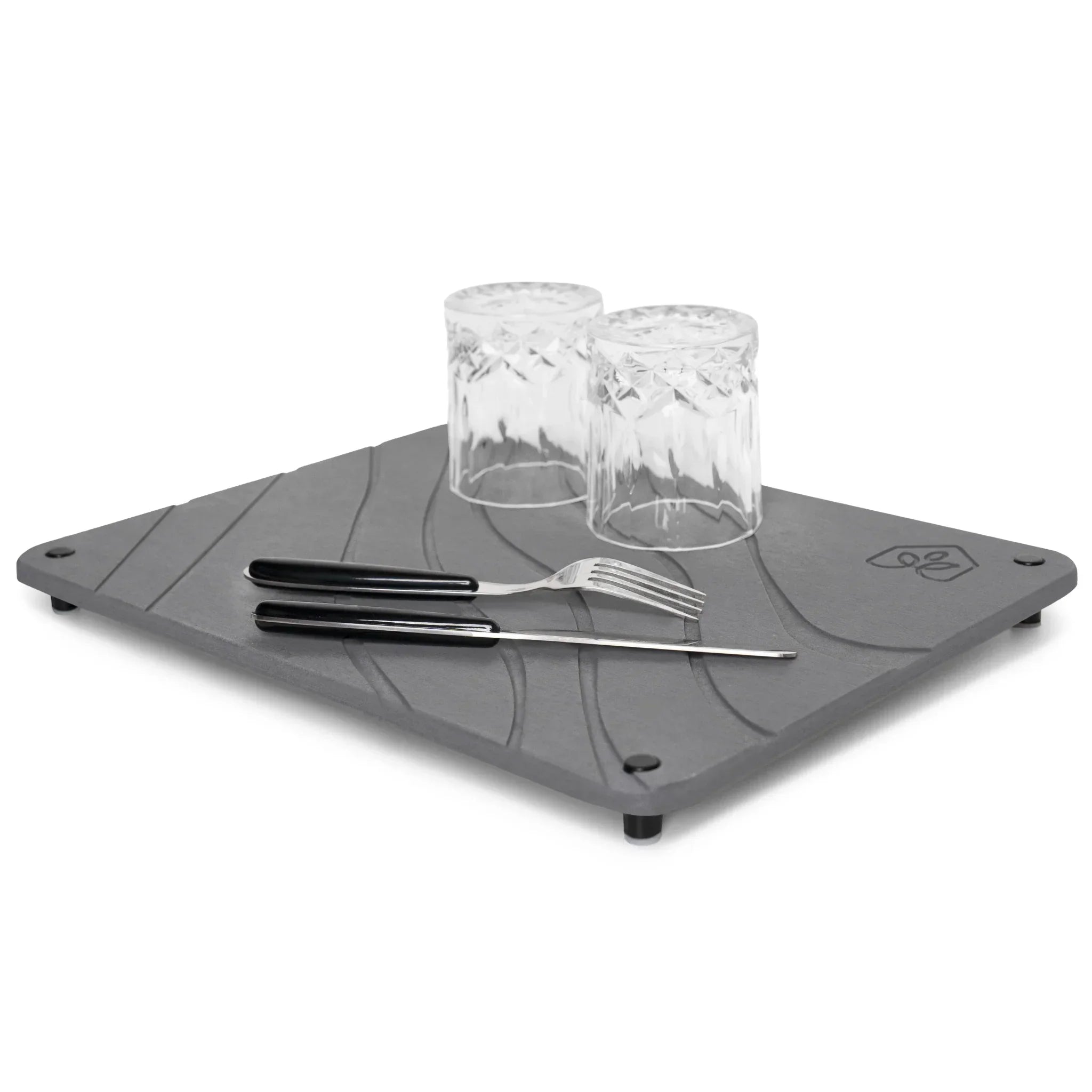
Diatomite (diatomaceous earth) is a natural stone made from fossilized algae. Its porous structure absorbs water in seconds, then releases it slowly through evaporation—but here's the key difference.
Unlike plastic trays where water pools on the surface, diatomite saucers pull moisture deep into the stone. This prevents standing water entirely while keeping your floors completely dry.
- Absorbs excess water in 10-15 seconds
- Holds moisture inside the stone structure, not on the surface
- Dries completely within hours, ready for the next watering
- Natural antimicrobial properties prevent mold growth
Preventing Mold Growth at the Source
The antimicrobial nature of diatomite means mold and bacteria can't establish themselves on the surface. This is crucial when you're trying to reduce moisture problems in your home.
Regular saucers develop that slimy film and musty smell over time. Diatomite stays clean and odor-free with minimal maintenance.
Protecting Your Floors and Furniture
Water damage from plant saucers costs homeowners thousands in repairs. Diatomite saucers eliminate this risk by preventing water from ever reaching your surfaces.
- No condensation forms on the bottom of the saucer
- Completely dry exterior won't leave rings or stains
- Safe for hardwood, laminate, and delicate surfaces
- Won't scratch floors like ceramic or terra cotta can
Simple Maintenance and Long-Term Use
Diatomite saucers require almost no maintenance. When they eventually absorb oils or minerals from water, a quick rinse or light sanding restores their absorption power.
Check out the care and cleaning guide for detailed instructions. Most users find they only need to rinse their saucers every few months.
- Rinse with water when absorption slows down
- Light sanding with fine sandpaper refreshes the surface
- No special cleaners or chemicals needed
- Lasts for years with proper care
The Winning Combination
When you pair moisture-absorbing plants with diatomite saucers, you create a complete moisture management system. The plants pull humidity from your air, while the saucers ensure watering doesn't add moisture back.
This combination tackles dampness from both angles—reducing existing humidity while preventing new moisture problems. It's the natural, sustainable solution for homes that struggle with excess moisture, mold, and musty odors.