

Best Plant Saucer For Indoor Plants Without Water Damage
Those water rings on your hardwood floor didn't appear by magic. Every time you water your indoor plants, excess moisture seeps through drainage holes and pools underneath your pots. Without the right protection, you're looking at permanent stains, warped wood, or damaged surfaces.
The right plant saucer stops this damage before it starts. But not all saucers are created equal—some crack, others leak, and many just push water around instead of containing it. We tested four major types to find out which actually protects your floors.
What We Tested
We put four different saucer materials through real-world conditions to see how they perform:
- Plastic saucers - The budget-friendly standard
- Ceramic saucers - The decorative favorite
- Metal saucers - The modern minimalist choice
- Stone saucers - The premium natural option
Each type went through durability tests, water protection challenges, and aesthetic evaluations. The results surprised us in several categories. Check out our complete plant saucer collection to see all options.
Plastic Saucers: The Budget Option
Plastic saucers are everywhere for a reason—they're cheap and lightweight. But that low price comes with serious drawbacks that most people discover too late.
Pros:
- Cheapest option at $2-5 per saucer
- Lightweight and easy to move
- Available in multiple colors
- Won't break if dropped
Cons:
- Cracks and warps within 6-12 months
- Looks cheap and detracts from plant aesthetics
- Can still leak through hairline cracks
- Discolors over time from mineral deposits
Category Winner: Best for temporary setups or outdoor use only.
Ceramic Saucers: The Decorative Choice
Ceramic saucers look beautiful on day one. They come in gorgeous glazes and patterns that complement your interior design. But beauty isn't everything when it comes to floor protection.
Pros:
- Attractive glazed finishes in many styles
- Moderate price range at $8-15
- Good weight for stability
- Easy to clean and maintain
Cons:
- Chips and cracks easily when bumped
- Glazed bottom can still transfer moisture
- Heavy enough to scratch floors when moved
- Breaks completely if dropped
Category Winner: Best aesthetics for decorative plant displays.
Metal Saucers: The Modern Alternative
Metal plant saucers appeal to minimalist and industrial design lovers. Stainless steel or powder-coated options offer a sleek, contemporary look that works in modern spaces.
Pros:
- Won't crack or shatter like ceramic
- Modern aesthetic fits contemporary decor
- Rust-resistant if properly coated
- Medium durability at $10-18 per saucer
Cons:
- Can rust if coating chips or scratches
- Conducts cold, potentially shocking plant roots
- Sharp edges can scratch floors
- Shows water spots and fingerprints easily
Category Winner: Best for modern, industrial-style interiors.
Stone Saucers: The Premium Solution
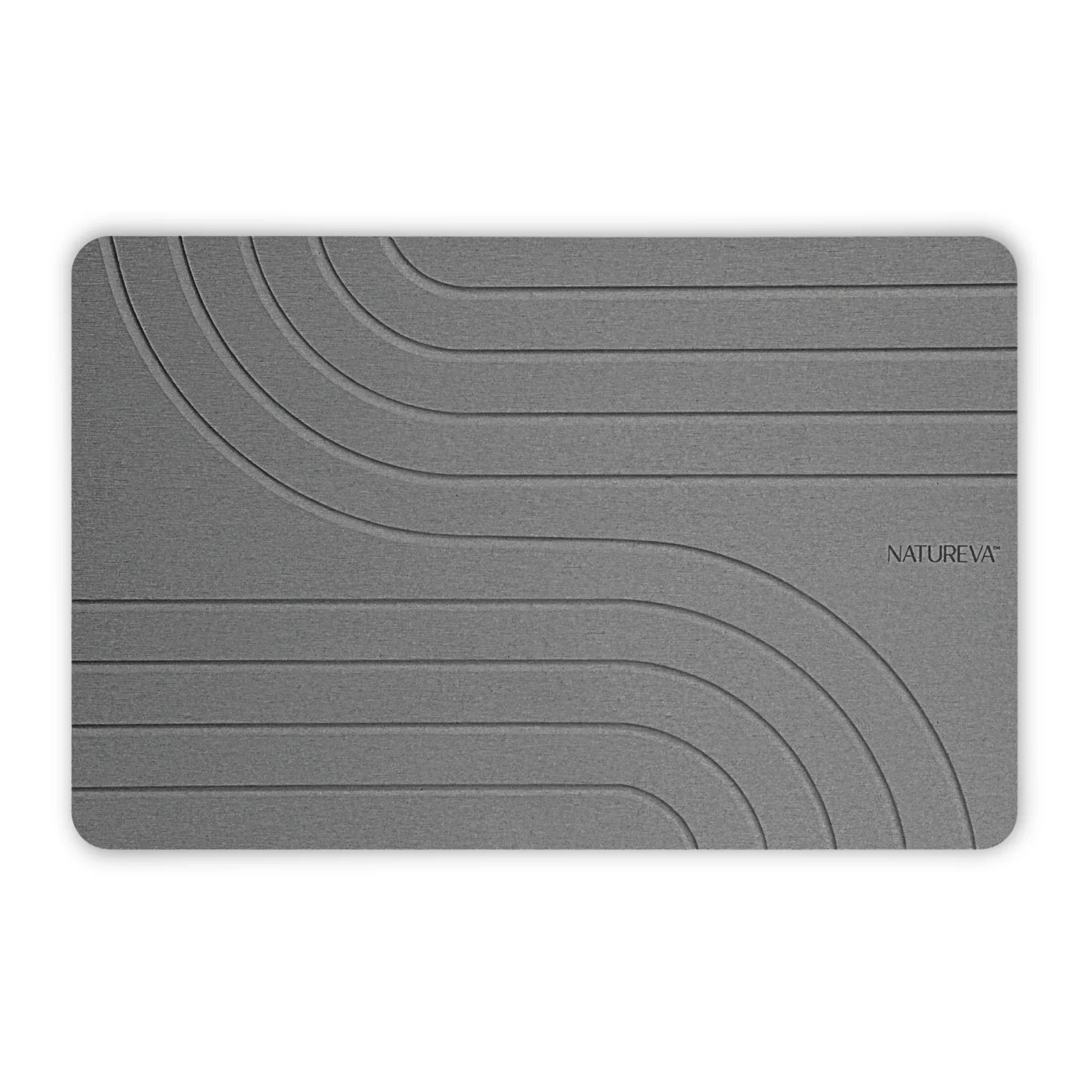
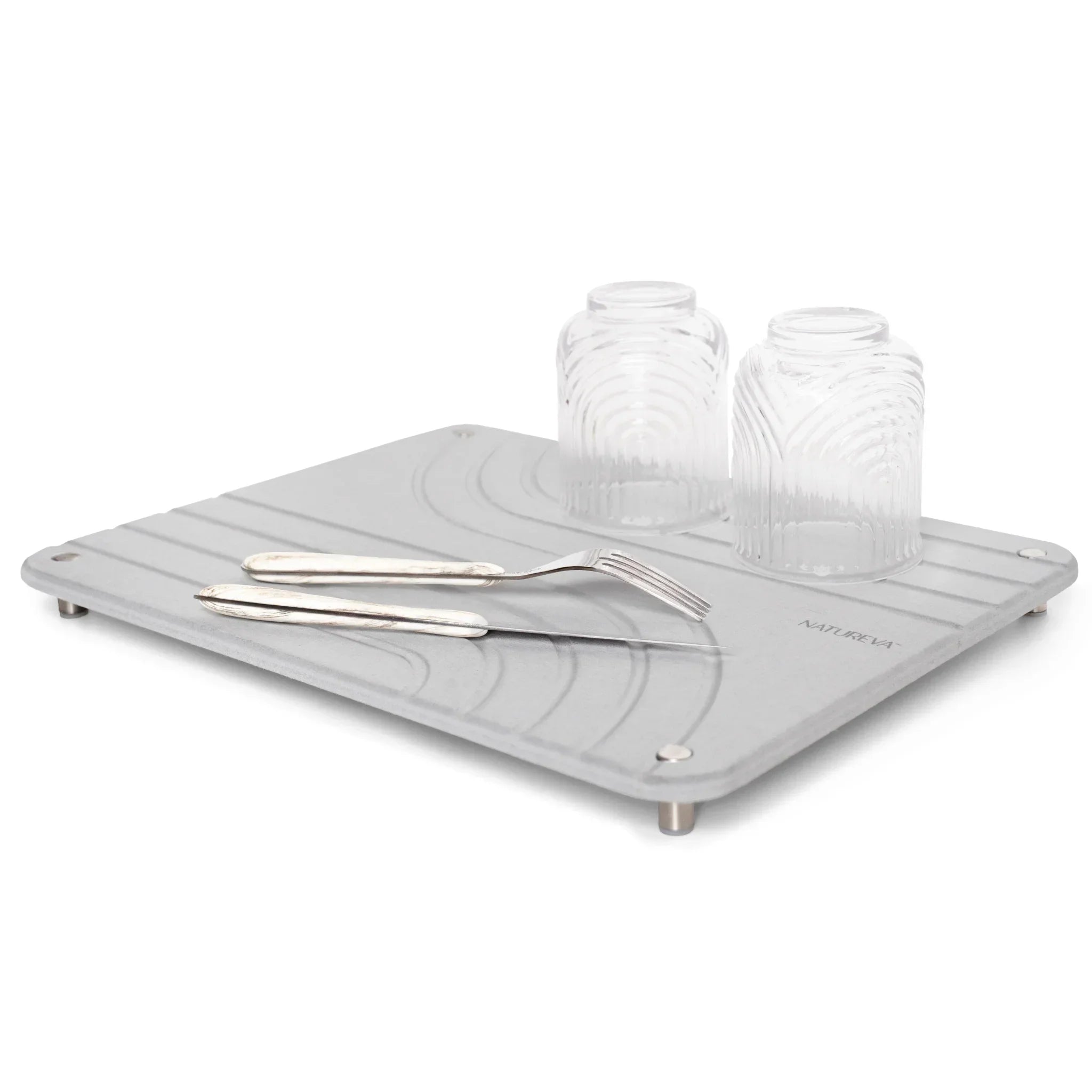
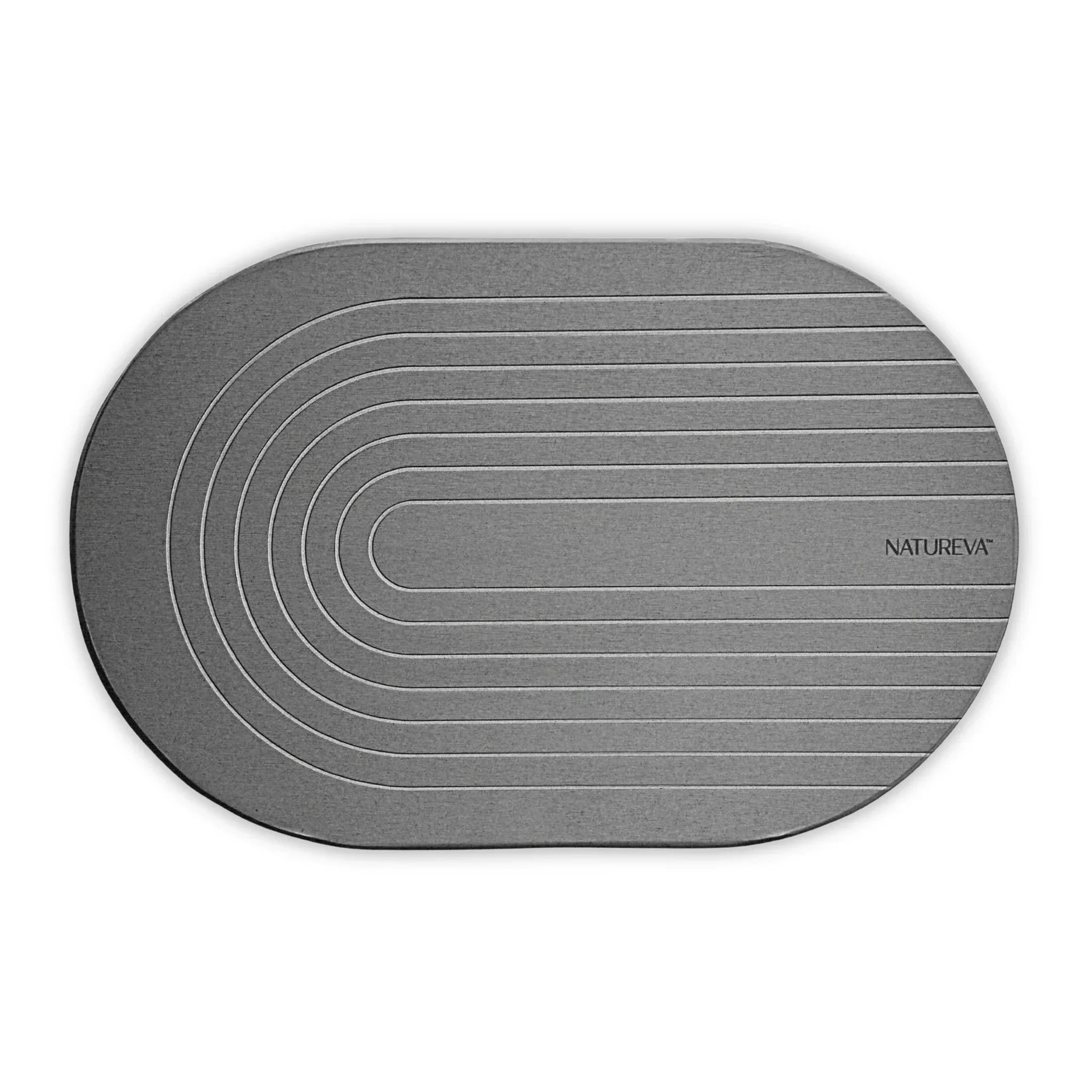
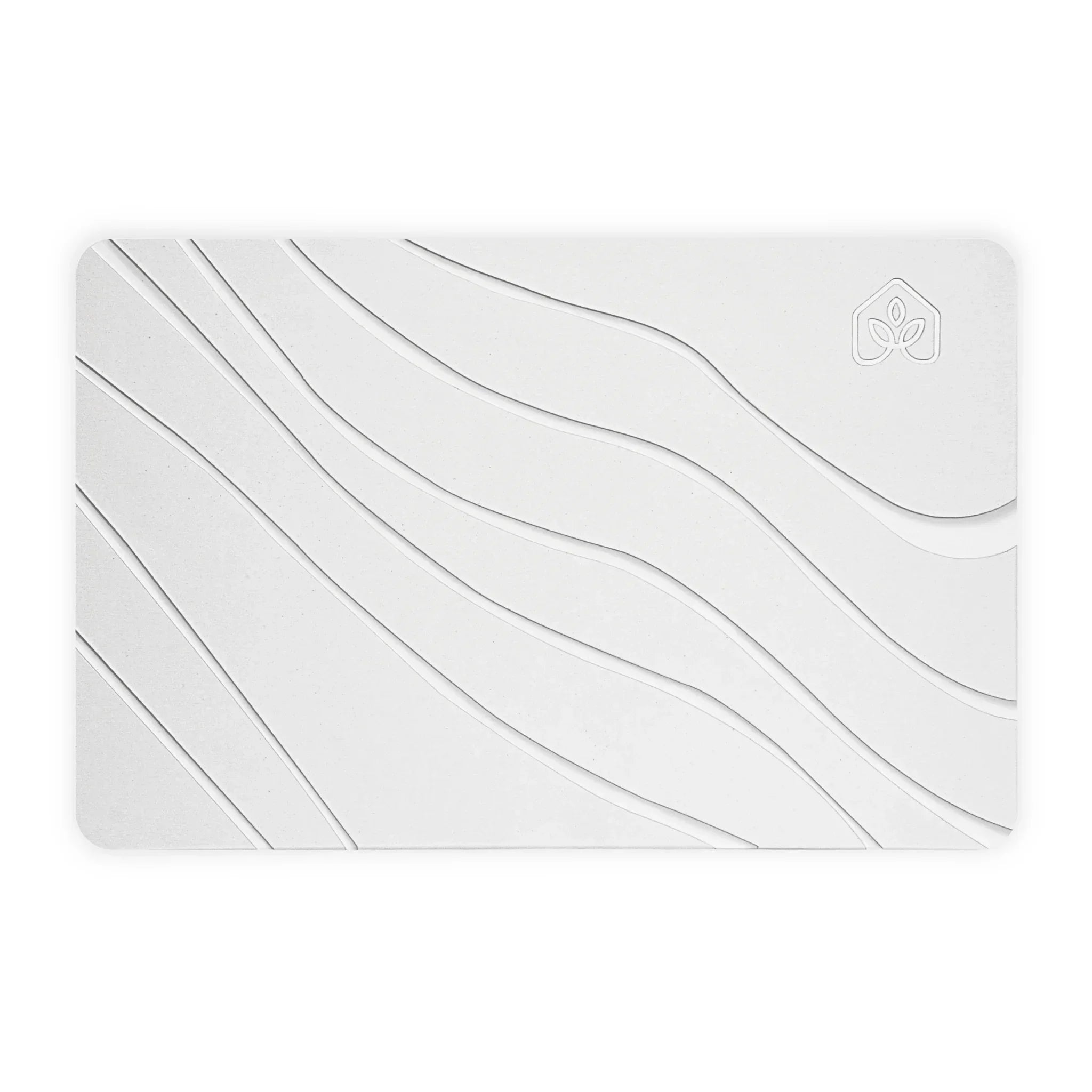
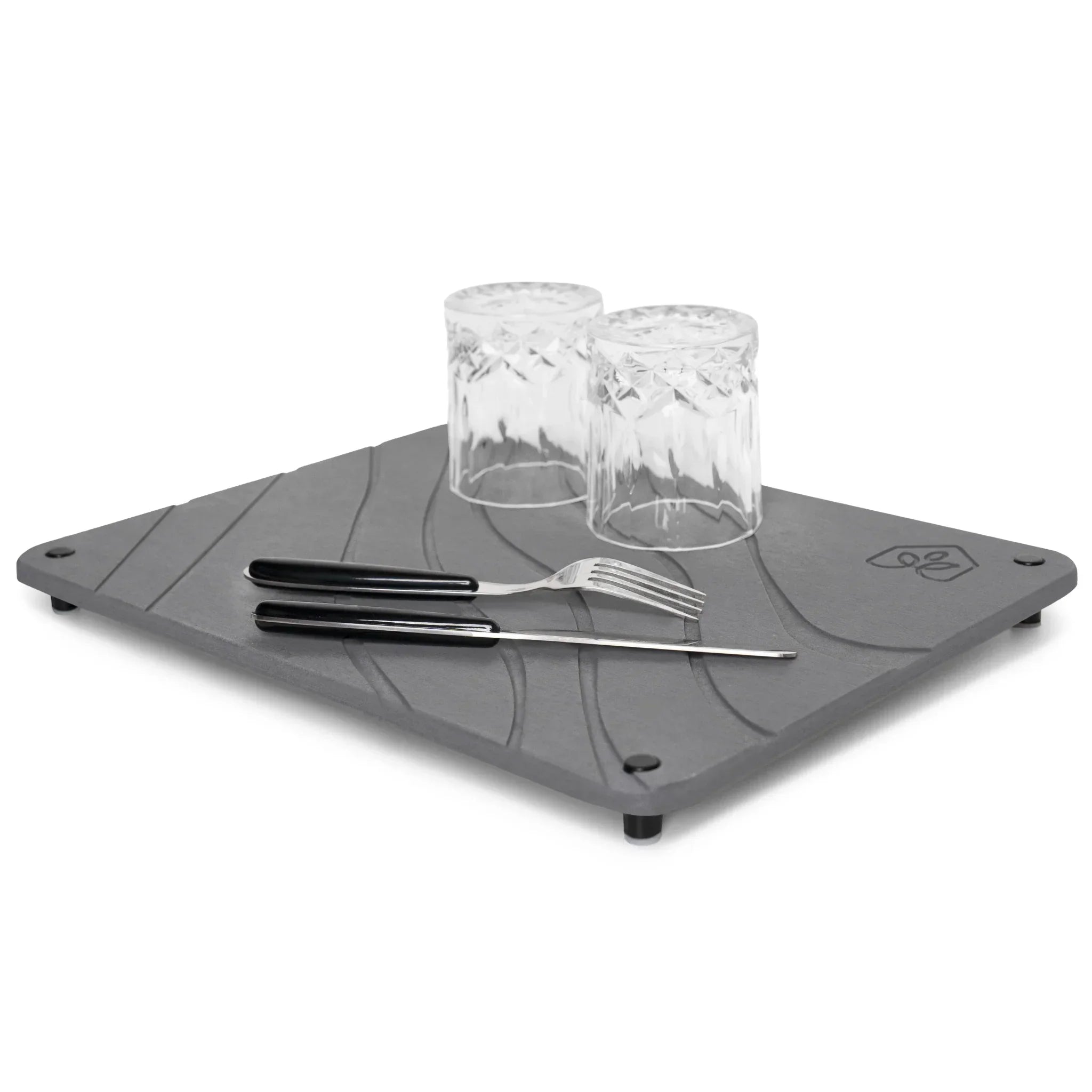
Stone saucers—particularly those made from diatomite stone—represent a completely different approach to plant care. This natural material doesn't just catch water; it actively manages moisture. Learn more about how diatomite stone works.
Pros:
- Absorbs excess moisture instead of pooling it
- Natural stone aesthetic complements any decor
- Extremely durable—lasts for years
- Heavy weight prevents tipping and sliding
- Self-drying properties prevent mold and mildew
- Won't crack, chip, or rust
- Protects floors better than any other material
Cons:
- Higher upfront cost at $20-30
- Heavier to move (though this also prevents accidents)
- Limited color options—natural stone tones only
Category Winner: Best water protection, best durability, best long-term value.
Price Comparison Breakdown
Looking at cost per year of use tells the real story:
- Plastic: $2-5 initial cost, replaced yearly = $2-5/year
- Ceramic: $8-15 initial cost, replaced every 2-3 years = $4-7/year
- Metal: $10-18 initial cost, replaced every 3-4 years = $3-6/year
- Stone: $20-30 initial cost, lasts 10+ years = $2-3/year
Stone saucers actually cost less per year than any other option when you factor in replacement costs.
Durability Test Results
We subjected each saucer type to drop tests, temperature changes, and continuous water exposure for 90 days:
- Plastic: Cracked after 45 days, warped from temperature changes
- Ceramic: Chipped on day 12, broke completely when dropped
- Metal: Developed rust spots by day 60, coating scratched easily
- Stone: No damage after 90 days, absorbed and released moisture perfectly
Water Protection Rankings
This is where the differences become crystal clear. We measured how well each saucer protected hardwood flooring from water damage:
- Stone saucers: 100% protection—absorbed excess water, no floor contact
- Ceramic saucers: 75% protection—contained water but transferred moisture through bottom
- Metal saucers: 70% protection—held water but condensation formed underneath
- Plastic saucers: 60% protection—leaked through cracks, water seeped at edges
Only stone saucers provided complete floor protection without any moisture transfer. The Natureva diatomite stone saucers performed exceptionally well in our tests.
Stone Dominates the Key Categories
When we tallied the results across all testing categories, stone saucers won in the areas that matter most for long-term plant care and home protection.
Here's how stone saucers beat the competition:
- Water protection: Only material that absorbs rather than just contains
- Durability: Outlasts all other materials by 5-10 years
- Cost per year: Cheapest option when calculated over lifespan
- Floor safety: Zero moisture transfer to surfaces below
- Stability: Weight prevents tipping and sliding accidents
The Weight Advantage
That extra weight isn't a bug—it's a feature. Stone saucers stay exactly where you put them, which prevents common household accidents.
Benefits of substantial weight:
- Pets can't knock over plants easily
- Vacuum cleaners won't bump saucers out of place
- Tall plants remain stable and secure
- No sliding on smooth floors
Natural Aesthetics Match Everything
The natural stone appearance works with any interior design style. Whether your home is modern, traditional, bohemian, or minimalist, stone saucers blend seamlessly.
Unlike plastic that screams "cheap" or ceramic that must match your color scheme, stone's neutral earth tones complement rather than compete with your decor. The organic texture adds visual interest without overwhelming your plant displays.
Built to Last Decades
While plastic cracks and ceramic chips, stone saucers maintain their integrity year after year. This isn't an exaggeration—diatomite stone is the same material used in industrial applications specifically because it withstands extreme conditions.
You'll replace your plants before you replace these saucers. That's the kind of durability that justifies the initial investment and eliminates the hassle of shopping for replacements every season.
Superior Moisture Management Explained
Here's what makes stone saucers fundamentally different: diatomite stone is naturally porous. This means it doesn't just sit under your plant catching water—it actively absorbs excess moisture.
How this protects your home:
- Water absorbs into the stone instead of pooling
- Moisture evaporates naturally through the stone's surface
- No standing water means no mold or mildew growth
- Your floors stay completely dry—no condensation, no seepage
- Self-regulating system requires zero maintenance
This is why stone saucers are the overall winner. They don't just perform one function well—they excel at everything that matters for indoor plant care while protecting your home investment.
Ready to upgrade your plant care? Check out the Natureva diatomite stone plant saucers and experience the difference that premium materials make.