

Three Plant Drip Tray Shapes That Stop Floor Stains
Water rings on your hardwood floor tell a story most plant owners know too well. The shape of your plant drip tray actually determines whether water gets absorbed quickly or sits there long enough to leave permanent marks. While brands like Dorah Home and Dry Sorb focus mainly on bathroom mats, the same absorbent stone technology works even better for plants when you pick the right tray shape for your space.
Table of Contents
The Real Cost of Water Damage From Plants
Most people don't realize that a single overwatered plant can cause hundreds of dollars in floor damage. Every time you water your indoor plants, excess moisture drips through the drainage holes and sits on your floors. That puddle might look harmless at first, but it's slowly working its way into your flooring material. Within weeks, you'll start seeing white rings, dark stains, or even warped wood that costs serious money to fix.
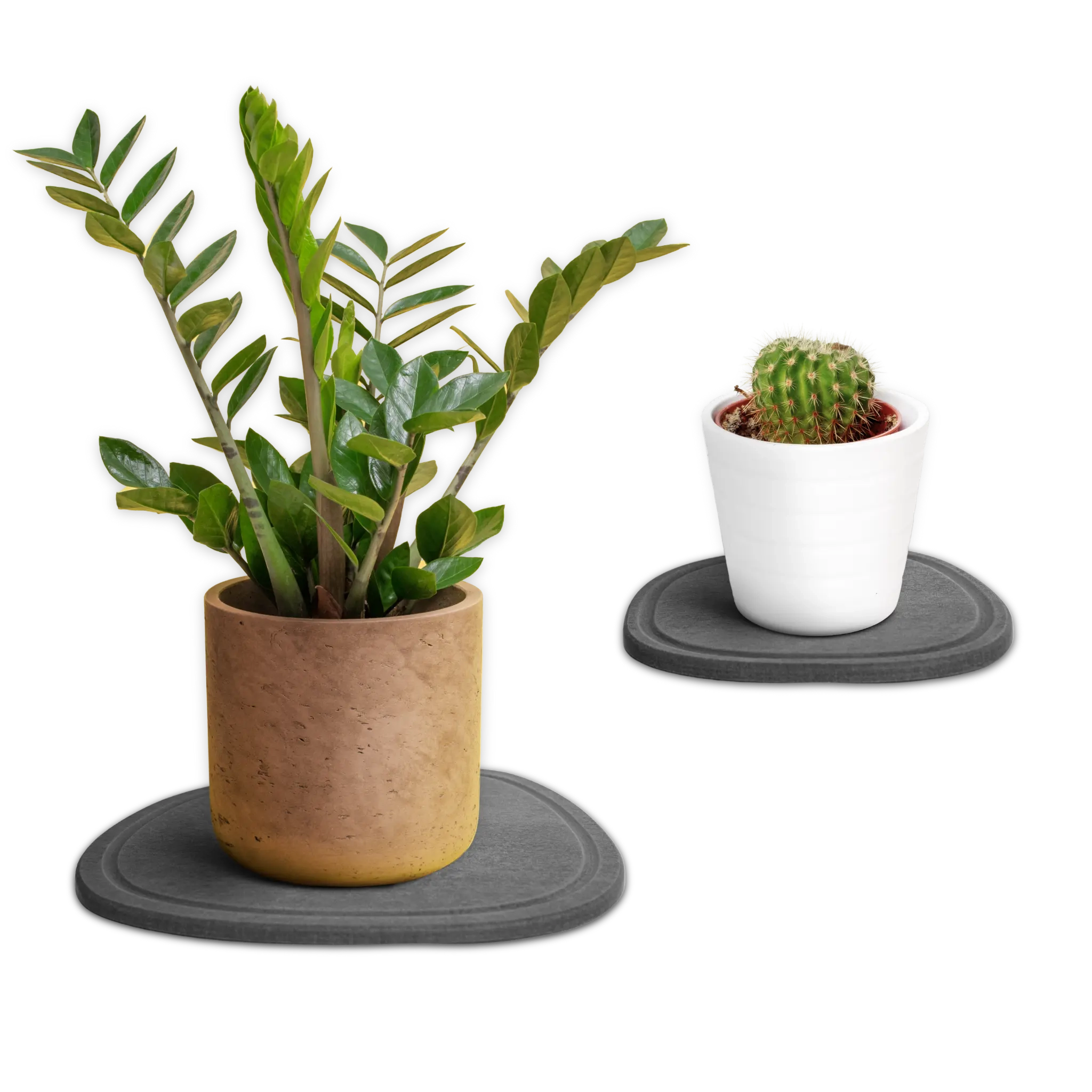
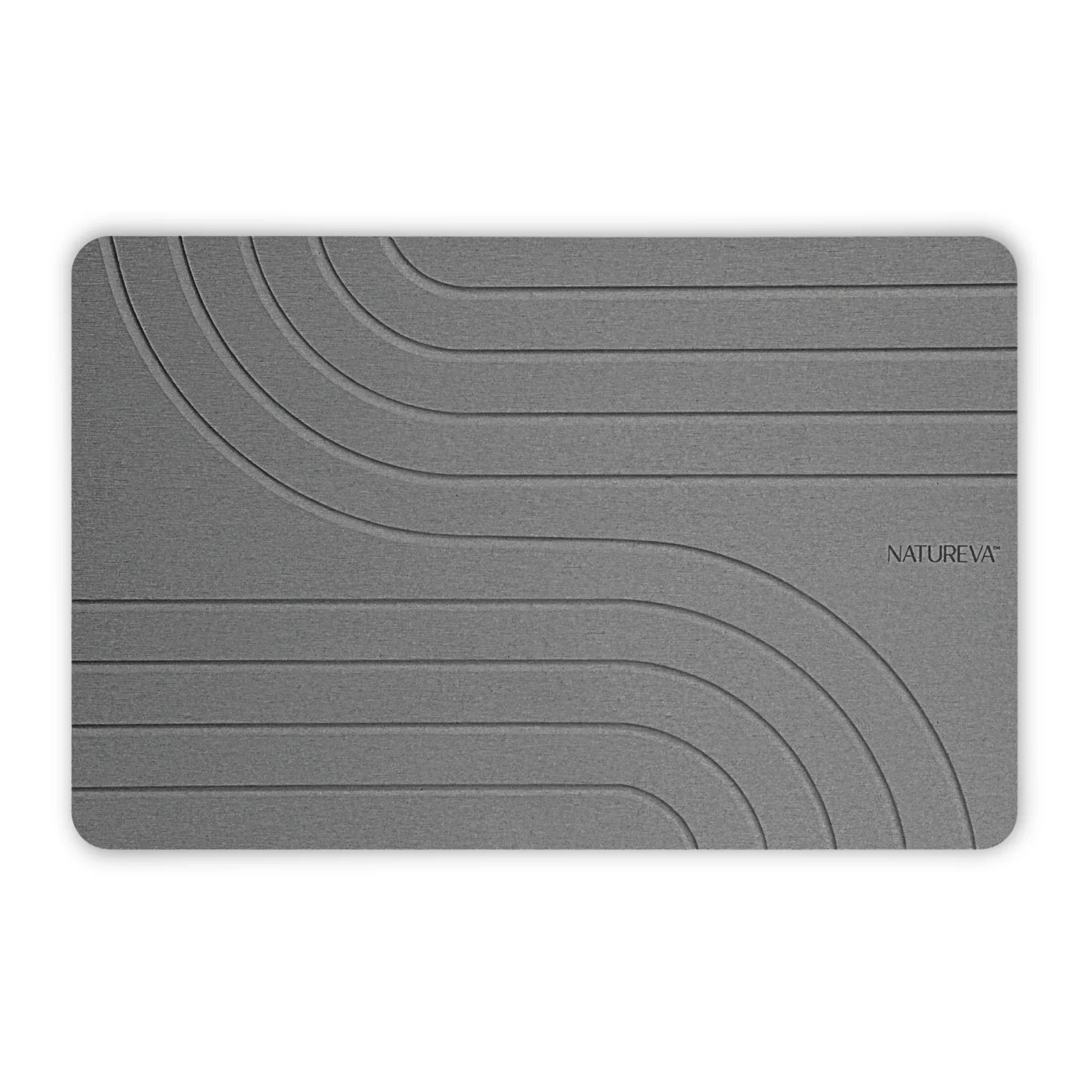
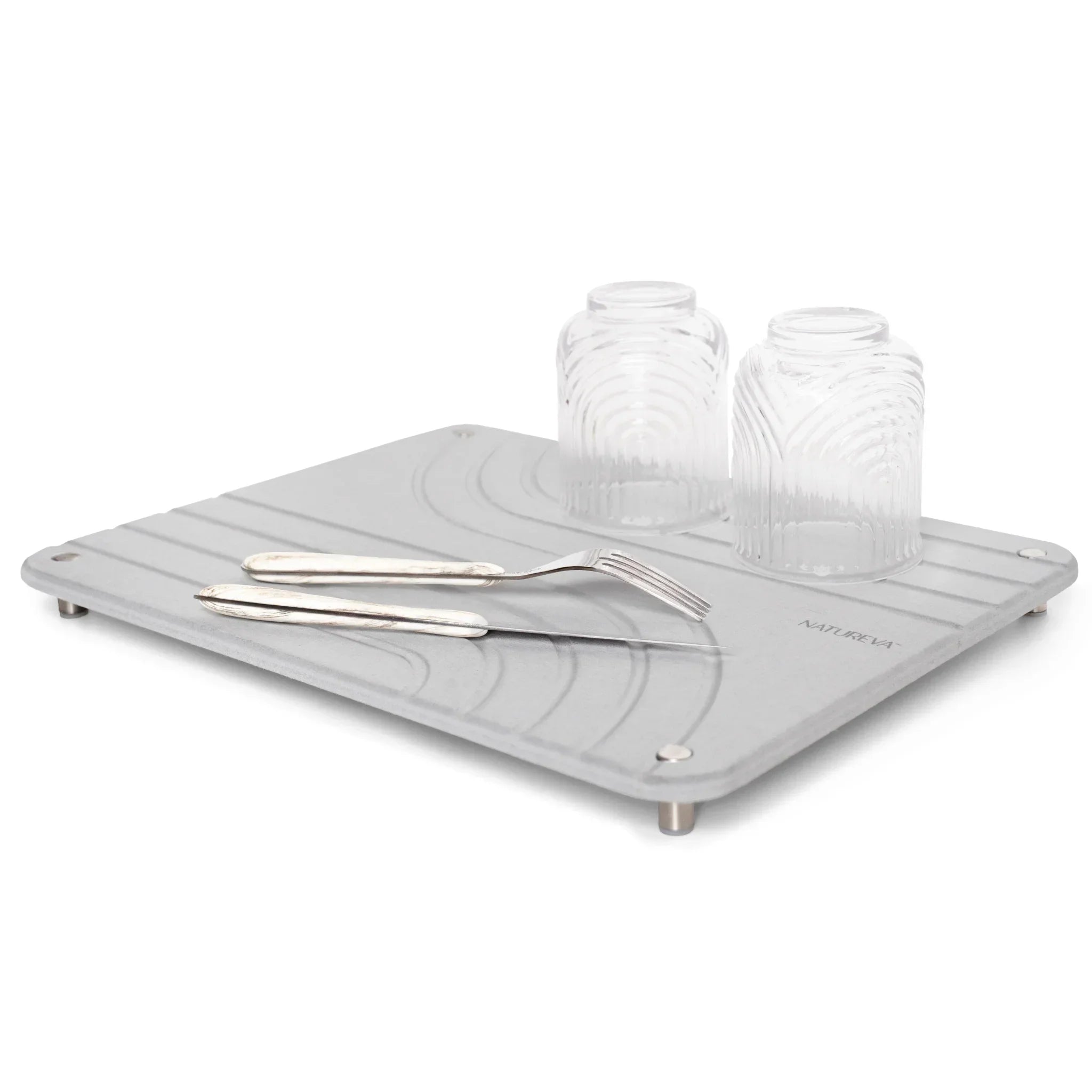
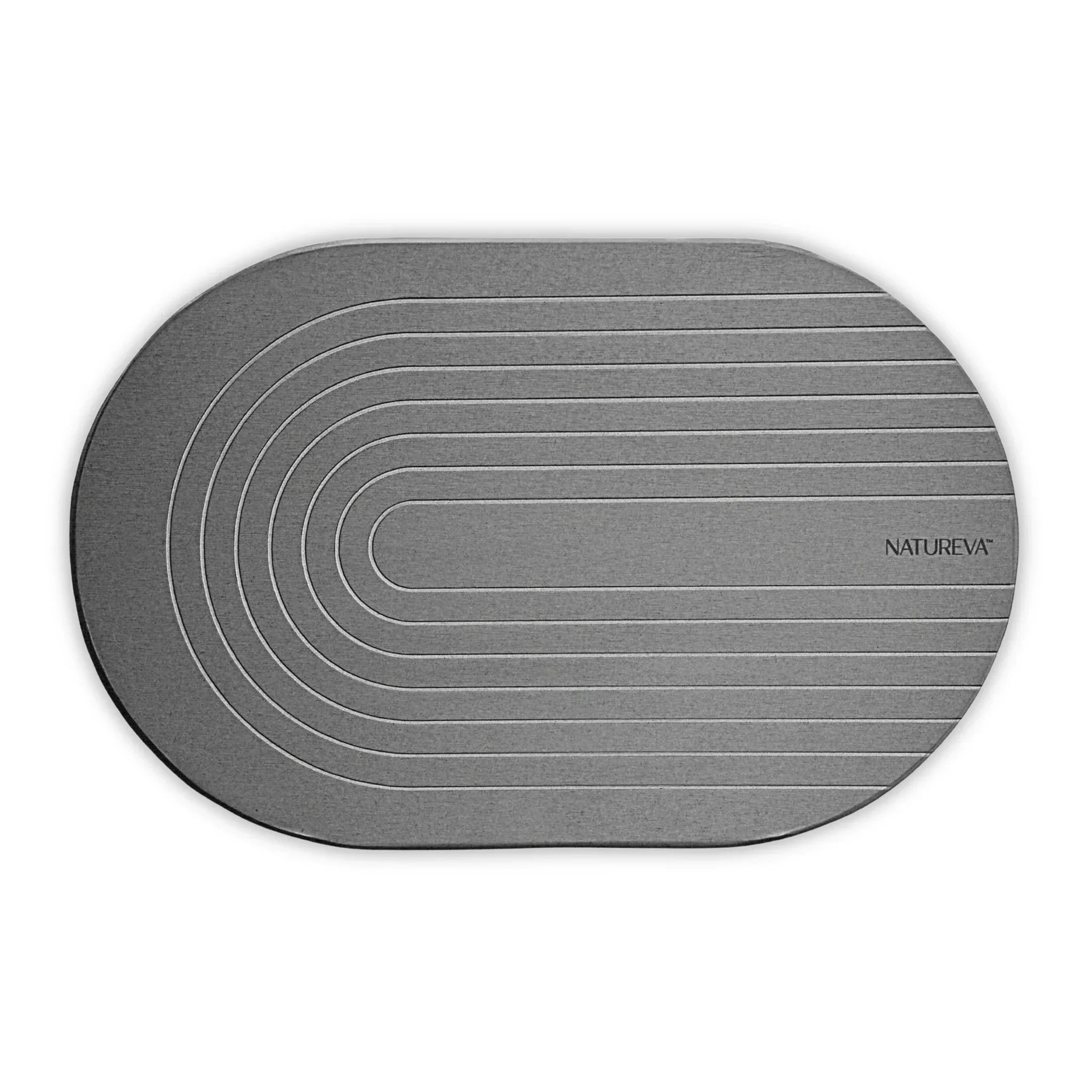
Stone Plant Saucers - Set of 2
How Water Escapes and Damages Surfaces
When you water your plants, the soil can only hold so much moisture before gravity takes over. The extra water flows down through the drainage holes at the bottom of your pot. Most plant owners use a basic plant drip tray underneath to catch this runoff, but here's where things go wrong.
Traditional ceramic and plastic trays don't actually stop the problem. They just collect the water in a pool that sits there for hours or even days. That standing water creates several issues:
- Water slowly evaporates and leaves behind mineral deposits that stain surfaces
- Moisture seeps through tiny cracks or overflows when trays get too full
- Condensation forms on the bottom of trays and drips onto floors
- Humidity builds up around the plant base and damages nearby materials
Different Floors Different Damage
Your floor type determines how quickly and severely water damage shows up. Hardwood floors are the most vulnerable because wood absorbs moisture like a sponge. The water causes the wood to swell, warp, and develop dark stains that penetrate deep into the grain.
Tile and stone floors seem tougher, but they have their own problems. Water sits in the grout lines and causes discoloration or mold growth. Laminate flooring looks like wood but actually fails faster because the particle board core swells up when wet.
- Hardwood develops permanent water rings and warping within 2-3 weeks
- Laminate bubbles and separates at the seams after repeated exposure
- Tile grout turns dark or grows mold in damp conditions
- Carpet and rugs develop musty odors and hidden mold underneath
The Hidden Costs of Floor Repairs
Fixing water-damaged floors costs way more than most people expect. You can't just wipe up the stain and move on. Professional floor refinishing requires sanding down the entire surface and applying new finish coats. Sometimes the damage goes so deep that you need to replace entire boards or sections.
| Floor Type | Repair Cost | Time Required | Prevention Cost |
|---|---|---|---|
| Hardwood | $800-$2,500 | 3-5 days | $39 |
| Laminate | $600-$1,800 | 1-2 days | $39 |
| Tile/Grout | $300-$900 | 1-3 days | $39 |
| Carpet | $400-$1,200 | 1 day | $39 |
The table shows average costs for repairing a 100 square foot area. Prevention with proper plant drip tray solutions costs a fraction of these repair bills. Our Stone Plant Saucers use natural diatomaceous earth that absorbs water instantly instead of letting it pool on your floors.
Why Standard Trays Fail
Walk into any home goods store and you'll find dozens of plant trays. They're cheap, colorful, and seem like they should work. But ceramic and plastic trays have a fatal flaw in their design.
These materials are waterproof, which sounds good until you think about it. Waterproof means the moisture has nowhere to go except sit there in a puddle. You have to remember to empty the tray after every watering, and most people forget. Even when you do empty it, a thin film of water remains on the bottom.
- Plastic trays crack over time and leak without warning
- Ceramic trays are heavy and chip easily when moved
- Both types require constant emptying and cleaning
- Neither material helps water evaporate faster
- Overflow happens easily when you water too much
Some competitors like those selling basic stone mats have tried to address this with absorbent materials. But most focus on bathroom use rather than plant care specifically. A proper plant drip tray needs to handle repeated watering cycles and fit under various pot sizes.
Round Plant Drip Trays for Maximum Coverage
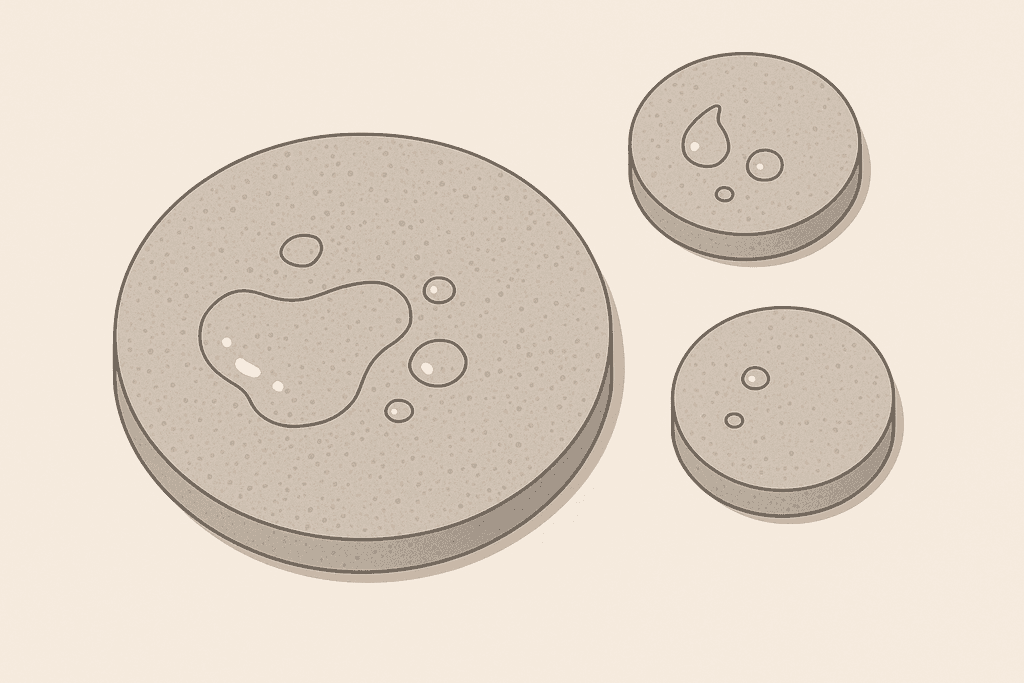
Most plant pots come in a circular shape, which means round drip trays are the obvious choice for most people. The thing is, there's actually science behind why this pairing works so well. When water drains from a round pot, it spreads outward in all directions, and a circular tray catches every drop without leaving gaps at the edges. This even distribution means the entire surface of the tray gets to work absorbing moisture, rather than just one side getting soaked while the rest stays dry.
Round Plant Drip Trays for Maximum Coverage
The best part about round trays is how they handle water from the center outward. Stone plant saucers made from diatomaceous earth absorb moisture from all directions at once, which speeds up the drying process significantly compared to plastic alternatives that just let water sit there.
- Match your pot diameter to the tray size, adding about 1-2 inches extra for complete coverage
- Circular design spreads water evenly across the entire absorbent surface
- Works best in high-traffic areas where you need reliable protection under furniture
- Prevents water from pooling in one spot, which can cause uneven staining
According to professional container gardeners, protecting floors from plant water damage is one of the most common concerns for indoor plant owners. Round trays solve this by creating a complete barrier between your pot and whatever surface sits underneath.
| Tray Shape | Coverage Area | Best For |
|---|---|---|
| Round | 360-degree | Standard pots |
| Square | Corner-focused | Tight spaces |
| Oval | Extended length | Multiple plants |
Square Plant Drip Trays for Corner Spaces
If you've ever tried fitting a round tray into a corner, you know how much wasted space ends up on either side. Square trays fix this problem by using every inch of available surface area. The corners of a square tray sit flush against walls and edges, which means you can fit larger plants in smaller spaces without worrying about the tray sticking out awkwardly. This makes them perfect for apartments and offices where every square foot counts.
The next generation of home essentials: naturally made, cleaner by design, sustainable by nature.
SHOP ALLSquare and rectangular planters need square trays for proper stability. When shapes match up, the weight distributes evenly and you don't end up with a wobbly pot that could tip over.
The corners on square trays actually serve a functional purpose beyond just fitting into tight spots. Each corner creates additional surface area for water absorption, and the angles help direct water flow toward the edges where it can evaporate faster. This design works especially well on windowsills where space is limited but you still want multiple plants lined up in a row.
- Maximize corner spaces that round trays leave empty
- Better stability for square or rectangular planters
- Extra absorption area in the corners speeds up drying
- Perfect for windowsills and narrow shelf arrangements
- Space-saving design ideal for small living areas
The experts at Wirecutter note that matching your drip tray shape to your planter shape creates a more cohesive look while providing better protection. Square trays also tend to look more modern and intentional in contemporary spaces.
Oval Plant Drip Trays for Multiple Pots
When you want to group several small plants together or need coverage for a long rectangular planter, oval trays become your best friend. The elongated shape provides extended protection without taking up as much width as a full rectangular tray would. This makes them surprisingly versatile for both indoor displays and outdoor arrangements. You can fit two or three small pots on a single oval tray, which not only saves money but also creates a more unified look for your plant collection.
Oval trays improve water flow patterns because the curved edges guide moisture toward the longer sides where air circulation is typically better. This means faster evaporation and less chance of water sitting around long enough to cause damage.
- Elongated shape fits multiple small pots in one convenient tray
- Better coverage for rectangular planters and window boxes
- Improved water flow along the curved edges promotes faster drying
- Creates cohesive displays for grouped plant arrangements
- Works indoors and outdoors with equal effectiveness
The Stone Plant Saucers we offer use natural diatomaceous earth that absorbs water instantly, regardless of the tray shape. The millions of tiny pores in the material pull moisture away from your floors and countertops before stains can form.
Choosing the right shape comes down to your specific space and plant setup. Round trays work for most standard situations, square trays maximize tight corners and modern aesthetics, and oval trays handle multiple plants or elongated planters. The material matters just as much as the shape though, which is why stone options outperform traditional plastic trays that just collect water instead of absorbing it.
For more ways to protect surfaces around your home, check out our full collection of absorbent accessories that use the same diatomaceous earth technology. You can also explore our guide on how diatomite stone works to understand why this natural material performs so much better than conventional options.
Choosing Your Perfect Plant Drip Tray Shape
The right plant drip tray shape really comes down to where you're putting it and what kind of pots you have. Round trays work great for most standard pots and fit nicely on windowsills or side tables. Square trays make better use of corner spaces and shelving units where every inch counts. Oval trays give you that middle ground when you need something a bit more flexible for oddly shaped areas.
But here's the thing that matters more than shape. The material your plant drip tray is made from makes all the difference between a tray that just catches water and one that actually prevents those annoying rings and stains. Regular plastic or ceramic trays let water sit there until it evaporates or you remember to empty them.
That's where diatomaceous earth plant saucers change things up. Our Stone Plant Saucers pull moisture away from the bottom of your pots instead of letting it pool. The same material works across our whole collection of absorbent home products, from bath mats to drink coasters.
Pick the shape that fits your space best, but don't settle for trays that leave you wiping up water rings every few days. You've got enough to worry about without adding that to your list.
Common Questions About Plant Drip Trays
Choosing the right plant drip tray can feel more complicated than it should be. Most people just grab whatever matches their pot size, but there's actually more to think about if you want to keep your floors stain-free. These questions come up all the time from plant owners who are tired of dealing with water rings and soggy messes.
What size drip tray do I need for my pot?
Your plant drip tray should be about 1-2 inches wider than your pot's base. This gives you enough room to catch water that drips down the sides when you're watering. If the tray is too small, water will spill over the edges and defeat the whole purpose.
Do stone plant saucers work better than plastic?
Stone saucers made from diatomaceous earth absorb water instead of just holding it, which means no standing water sitting around for days. Plastic trays just collect the water and you have to remember to dump them out regularly. Stone options like our Stone Plant Saucers actually pull moisture away from your surfaces and let it evaporate naturally, so you don't get those stubborn water rings that plastic leaves behind.
How often should I clean my plant drip tray?
Clean your drip tray every 2-3 weeks to prevent mineral buildup and mold growth. Plastic trays need more frequent cleaning since water sits in them longer. Stone trays need less maintenance because they dry out between waterings, but you should still wipe them down monthly to keep them working properly.
Can I use drip trays outdoors?
Most drip trays work fine outdoors, but the material matters. Plastic can crack in cold weather and fade in direct sunlight. Stone-based trays handle temperature changes better and won't break down from UV exposure, making them a smarter choice for patios and balconies.
What's the best material for preventing water stains?
Absorbent materials beat waterproof ones when it comes to preventing stains. Diatomaceous earth stone is the winner here because it soaks up excess water before it can pool and leave marks. Ceramic and plastic just hold water on the surface, which eventually leads to those annoying rings on your furniture.
How do I know if my drip tray is absorbing water properly?
Pour a small amount of water on your tray and watch what happens. If it soaks in within a few seconds, it's working. If water beads up or sits on the surface for more than 30 seconds, the tray might be clogged with mineral deposits or it's just not an absorbent material. A quick-drying surface means your floors stay protected and you won't wake up to water damage.
The next generation of home essentials: naturally made, cleaner by design, sustainable by nature.
SHOP ALL