

Pet Feeding Mat Alternatives What Works And What Fails
If you're constantly wiping up water puddles, chasing sliding bowls across the floor, or scrubbing mystery stains from your pet's feeding area, you're not alone. Most pet feeding mats promise convenience but deliver frustration instead.
After testing dozens of feeding mat alternatives over several months, the results were clear: most popular options fail in predictable ways. But one material consistently outperformed everything else—natural stone.
The Common Problems Pet Owners Face
Before diving into alternatives, let's identify what makes a feeding mat fail. Understanding these issues helps explain why stone mats solve problems other materials can't.
- Sliding and shifting: Lightweight mats move when pets push their bowls around
- Staining and odors: Porous materials absorb spills and develop permanent discoloration
- Bacterial growth: Moisture trapped in fabric or textured surfaces creates hygiene issues
- Difficult cleaning: Complex textures and edges make thorough cleaning nearly impossible
- Short lifespan: Cheap materials crack, tear, or deteriorate within months
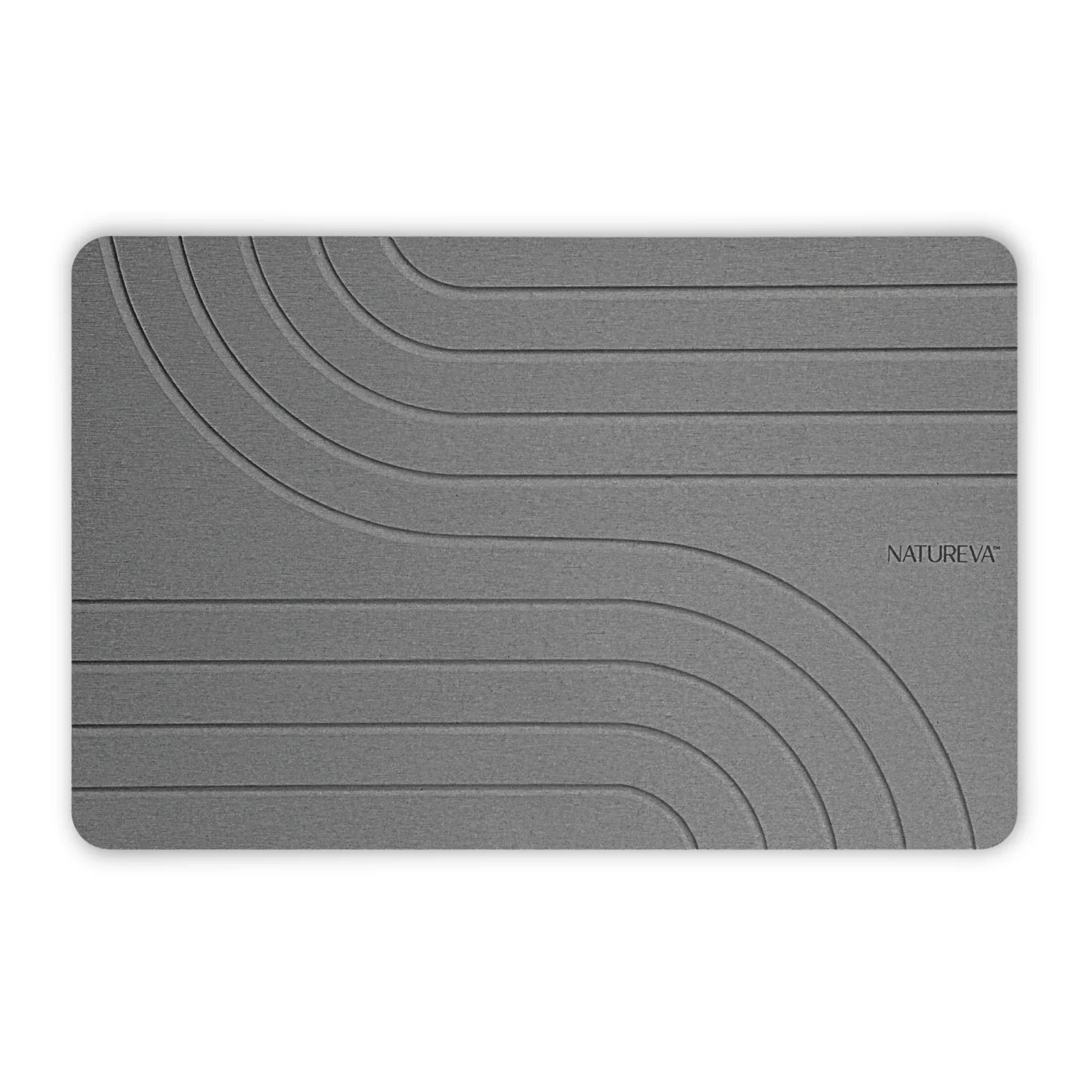
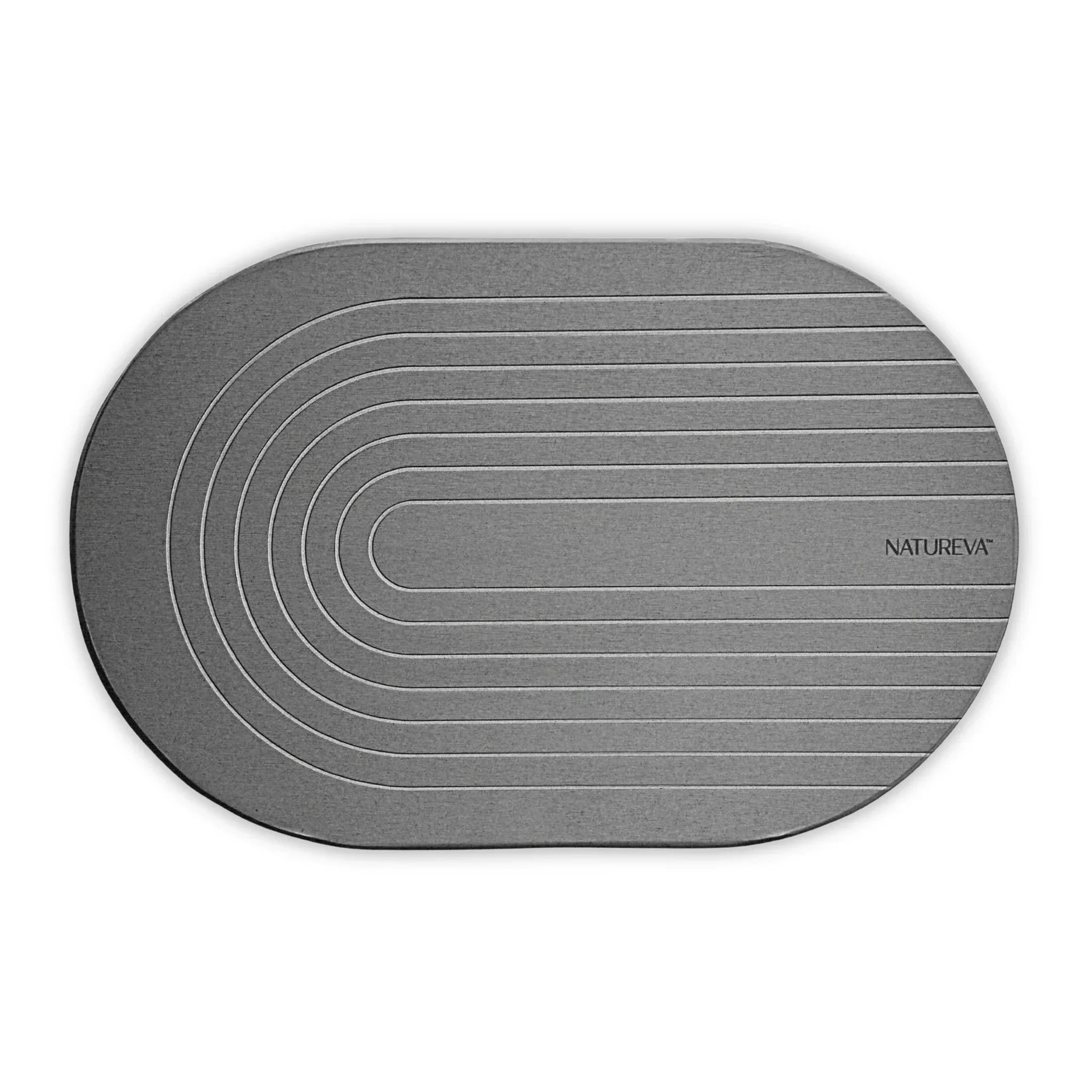
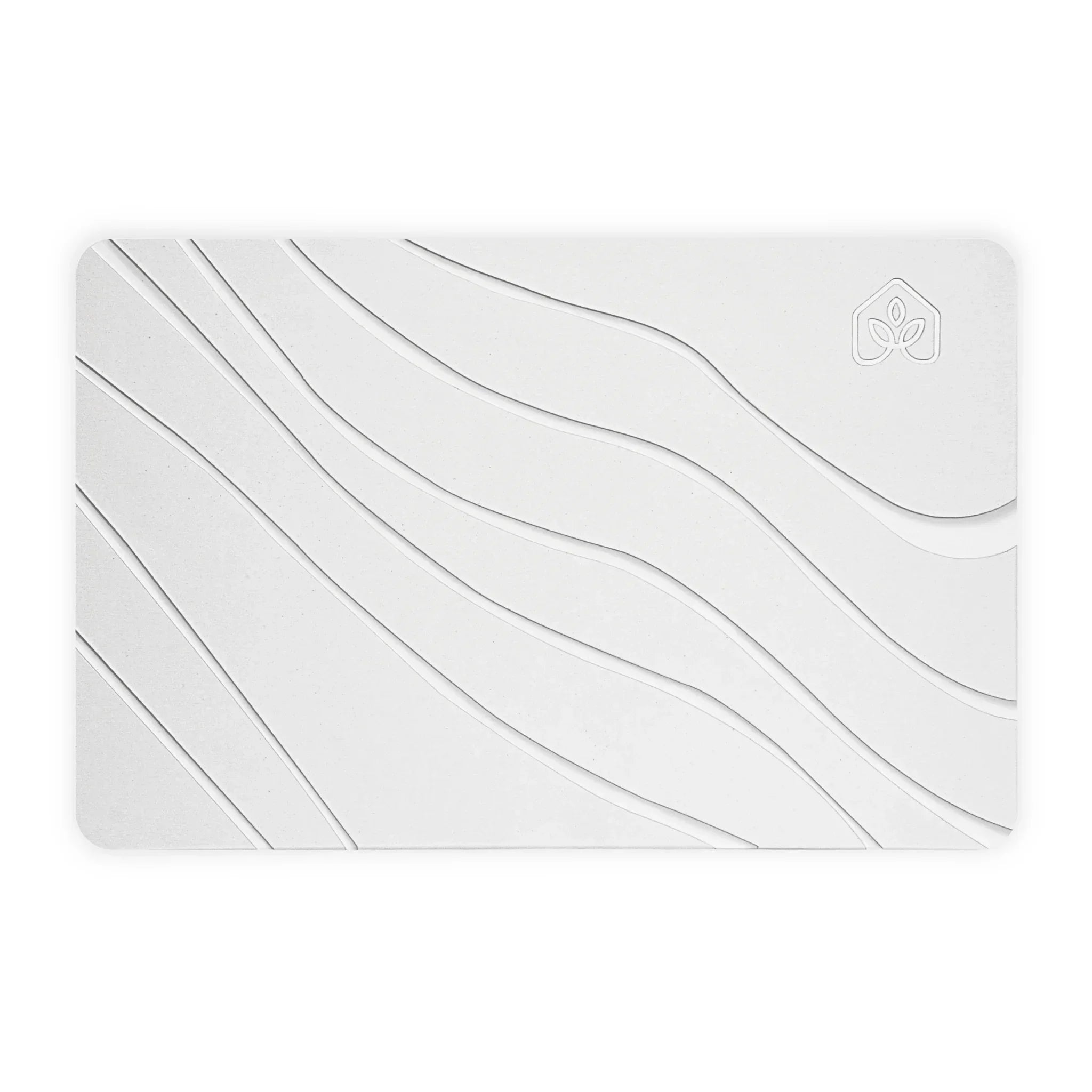
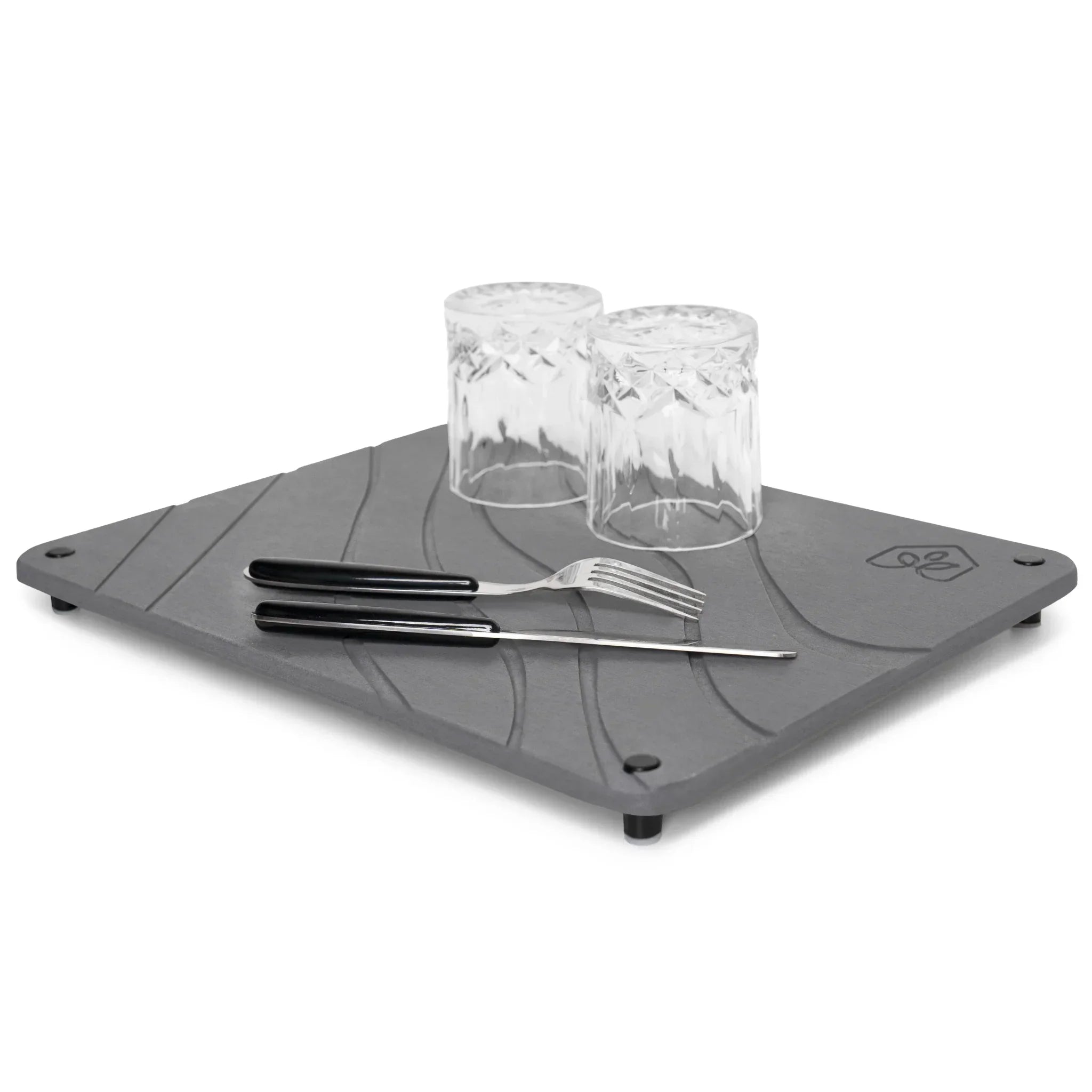
The NatureVa diatomite stone pet mat addresses every single one of these problems, but let's examine why other alternatives fall short first.
We put five common pet feeding mat types through real-world testing with multiple dogs and cats. Each mat was evaluated for stability, cleanability, odor resistance, and durability over a 90-day period.
Silicone Mats: The Staining Nightmare
Silicone mats are marketed as easy-to-clean and non-slip. The reality? They're stain magnets that develop permanent discoloration within weeks.
- Light-colored silicone shows every kibble stain and water mark
- Textured surfaces trap food particles in tiny grooves
- Develops a greasy film that attracts dirt and pet hair
- Non-slip backing loses grip after repeated washing
- Retains odors even after thorough cleaning
After 30 days, our silicone test mat looked permanently dirty despite daily cleaning. The raised edges that supposedly contain spills actually made cleaning more difficult.
Fabric and Microfiber Mats: Mold Factories
Fabric mats seem convenient because they're machine washable. But this convenience comes with a serious hygiene problem that most pet owners don't discover until it's too late.
- Absorb water and food particles deep into fibers
- Develop mold and mildew in hidden layers
- Require frequent washing that wears them out quickly
- Never fully dry between feedings in humid climates
- Become stiff and crusty after multiple wash cycles
Our fabric mat test revealed black mold spots on the underside after just three weeks. Even with twice-weekly washing, the mat retained a musty smell.
Plastic Trays: Brittle and Bacteria-Prone
Hard plastic trays with raised edges seem practical, but they have structural and sanitation issues that make them poor long-term solutions.
- Develop cracks and scratches that harbor bacteria
- Become brittle and break easily, especially in cold environments
- Corners and edges accumulate grime that's hard to reach
- Lightweight design means they slide around constantly
- Look cheap and detract from home aesthetics
Rubber Mats: The Sliding Disappointment
Rubber mats promise non-slip performance but rarely deliver. Despite manufacturer claims, these mats have stability problems that defeat their primary purpose.
- Slide on smooth flooring despite "non-slip" marketing
- Develop permanent curl at edges after cleaning
- Retain strong rubber odor that some pets avoid
- Degrade and leave black marks on floors
- Attract and hold pet hair like a magnet
Stone Mats: The Clear Winner
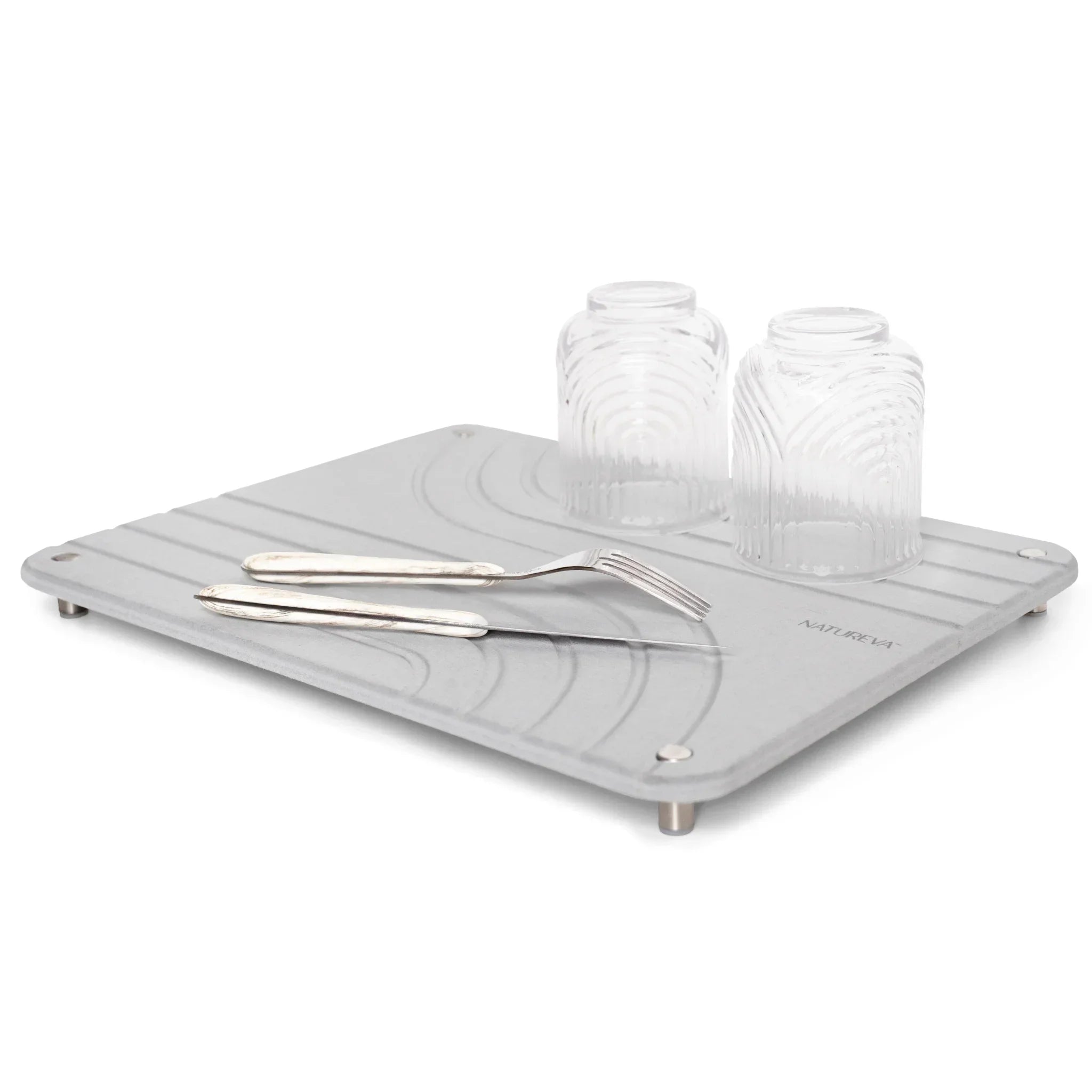
Natural stone mats, particularly those made from diatomite stone, outperformed every alternative in our testing. The difference wasn't subtle—it was dramatic.
- Stayed perfectly in place due to natural weight (no sliding whatsoever)
- Wiped completely clean in seconds with just a damp cloth
- Showed zero staining or odor retention after 90 days
- Absorbed water spills instantly, keeping floors dry
- Looked as good on day 90 as it did on day one
The stone pet mat collection offers a solution that actually works long-term, not just for the first few uses.
After testing revealed stone as the superior material, we dug deeper to understand exactly why. The advantages go beyond simple performance—they're rooted in the unique properties of natural stone.
Natural Weight Provides Unmatched Stability
The single biggest complaint about pet feeding mats is that they move around. Stone solves this problem through physics, not gimmicks.
- Sufficient weight keeps the mat stationary even with aggressive eaters
- No need for adhesives, suction cups, or non-slip backings that fail
- Bowls stay in place because the mat doesn't shift underneath them
- Works equally well on tile, hardwood, laminate, and carpet
Unlike rubber or silicone that rely on friction (which diminishes with moisture), stone stays put through sheer mass. Your pet can't accidentally push it across the room.
Effortless Cleaning That Actually Works
The smooth, non-porous surface of stone mats makes cleaning ridiculously simple. This isn't just convenient—it's essential for maintaining hygiene in your pet's feeding area.
- Spilled water and food sit on the surface instead of soaking in
- A quick wipe with a damp cloth removes everything
- No scrubbing, soaking, or machine washing required
- Dries quickly due to natural absorption properties
- No hidden crevices where bacteria can grow
We timed cleaning sessions: the stone mat took an average of 15 seconds to clean thoroughly, while fabric mats required 5-10 minutes of washing and drying time.
Zero Odors or Stains Over Time
Perhaps the most impressive quality of stone mats is their resistance to the problems that ruin other materials. After months of use, they look and smell like new.
- Non-porous surface prevents stain absorption
- Doesn't retain food odors or develop musty smells
- Natural antimicrobial properties inhibit bacterial growth
- Color and appearance remain unchanged over time
Learn more about how diatomite stone works to naturally resist stains and odors without chemical treatments.
Aesthetic Appeal That Enhances Your Home
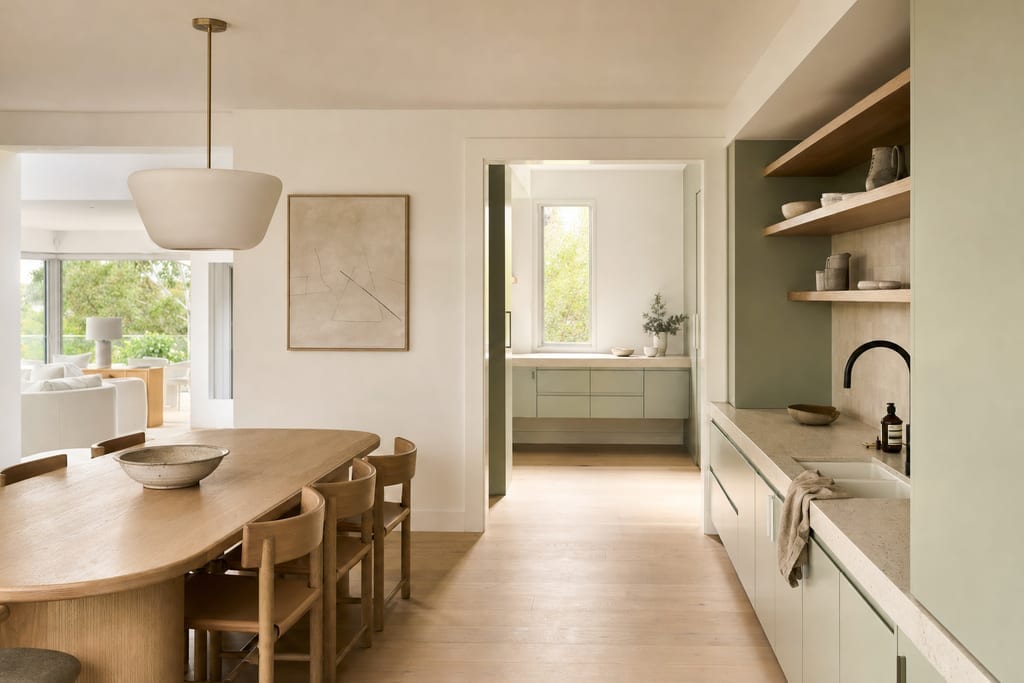
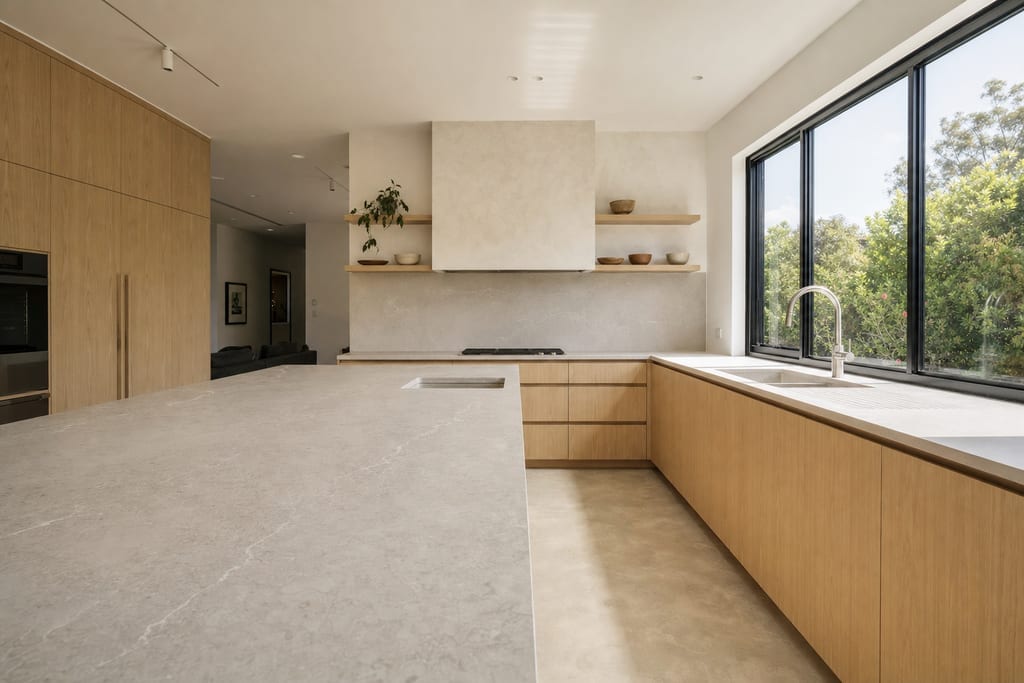
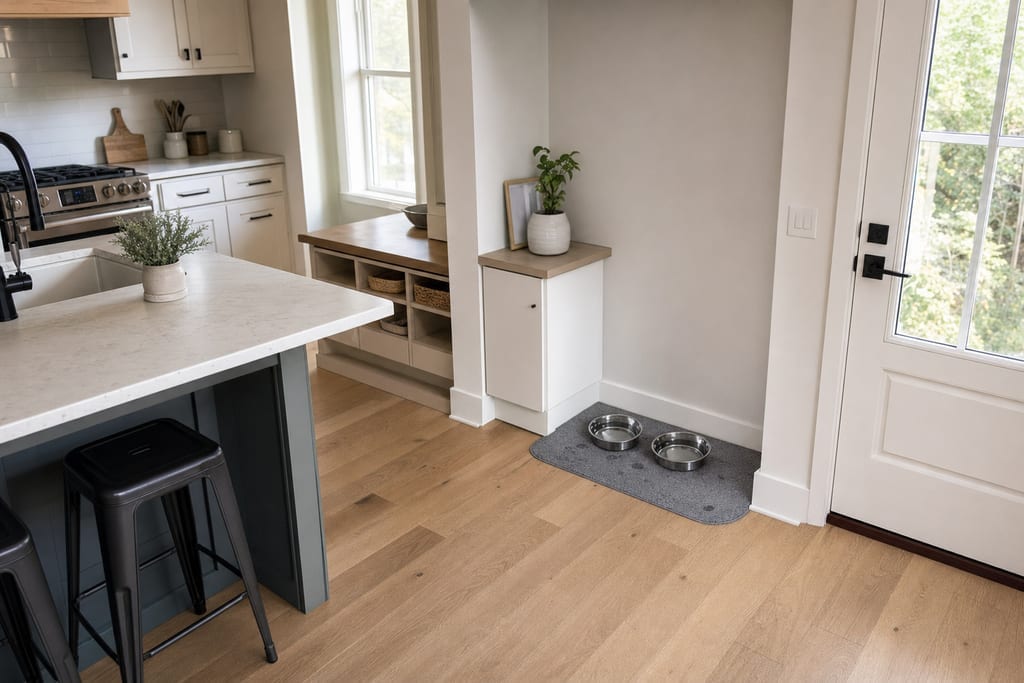
Let's be honest: most pet accessories are eyesores. Stone mats are different—they actually look like intentional home decor rather than cheap pet supplies.
- Natural stone appearance complements any interior design style
- Neutral colors blend seamlessly with flooring and cabinetry
- Looks sophisticated rather than utilitarian
- Guests often mistake them for decorative elements
Long-Term Value and Durability
Stone mats cost more upfront than silicone or fabric alternatives, but the total cost of ownership is actually lower when you factor in replacement frequency.
- Lasts for years without degradation or wear
- No need to replace every few months like cheaper options
- Maintains performance characteristics indefinitely
- One-time investment versus recurring purchases
- Better for the environment (less waste from disposable mats)
Our test mat showed no signs of wear after 90 days of heavy use. Based on the material's durability, we expect it to last 5+ years with normal use—making it significantly more economical than replacing fabric or silicone mats multiple times per year.
The Bottom Line on Pet Feeding Mats
After extensive testing, the conclusion is clear: stone pet mats outperform every alternative in the categories that matter most—stability, cleanability, hygiene, aesthetics, and longevity.
If you're tired of replacing stained silicone mats, washing moldy fabric mats, or chasing plastic trays around your kitchen, a diatomite stone pet mat solves all these problems permanently. It's the last feeding mat you'll need to buy.