
Stone Pet Mat vs Silicone Mat: Which Is More Hygienic
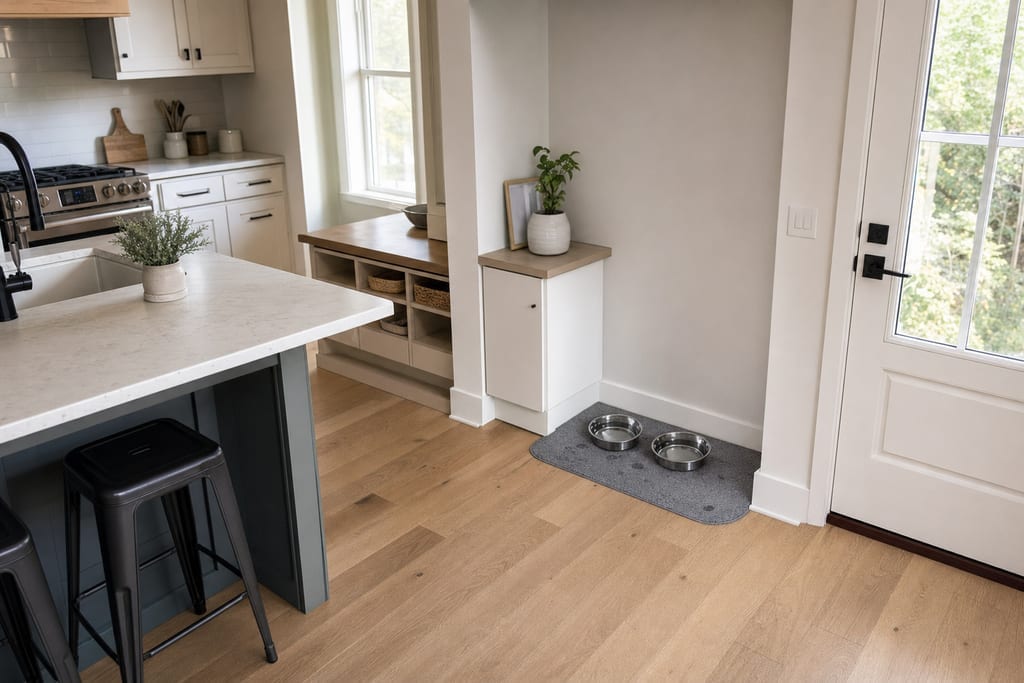
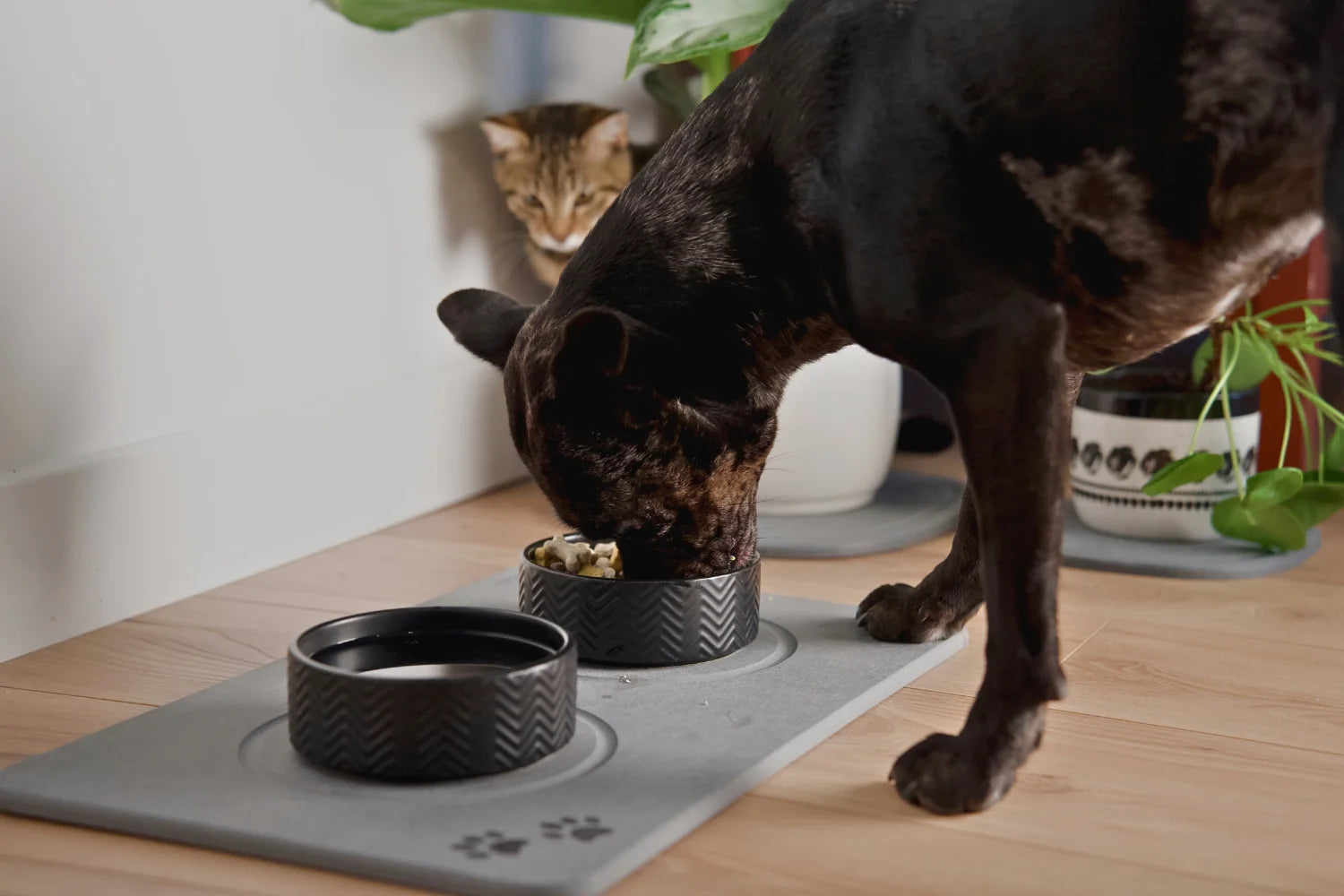
If you've ever looked at the area around your pet's food and water bowls, you know how quickly things get messy. Spilled water, scattered kibble, and slobber create the perfect breeding ground for bacteria, mold, and unpleasant odors. The mat you choose makes a huge difference in keeping this area clean and hygienic.
Two materials dominate the pet mat market: diatomite stone and silicone. Both promise to protect your floors and contain messes, but they perform very differently when it comes to hygiene. We've compared them point-by-point across six critical categories to help you make the healthiest choice for your pet and home.
Let's dive into which mat truly keeps things cleaner. For more details on how stone mats work, check out our how it works page.
Bacteria Resistance
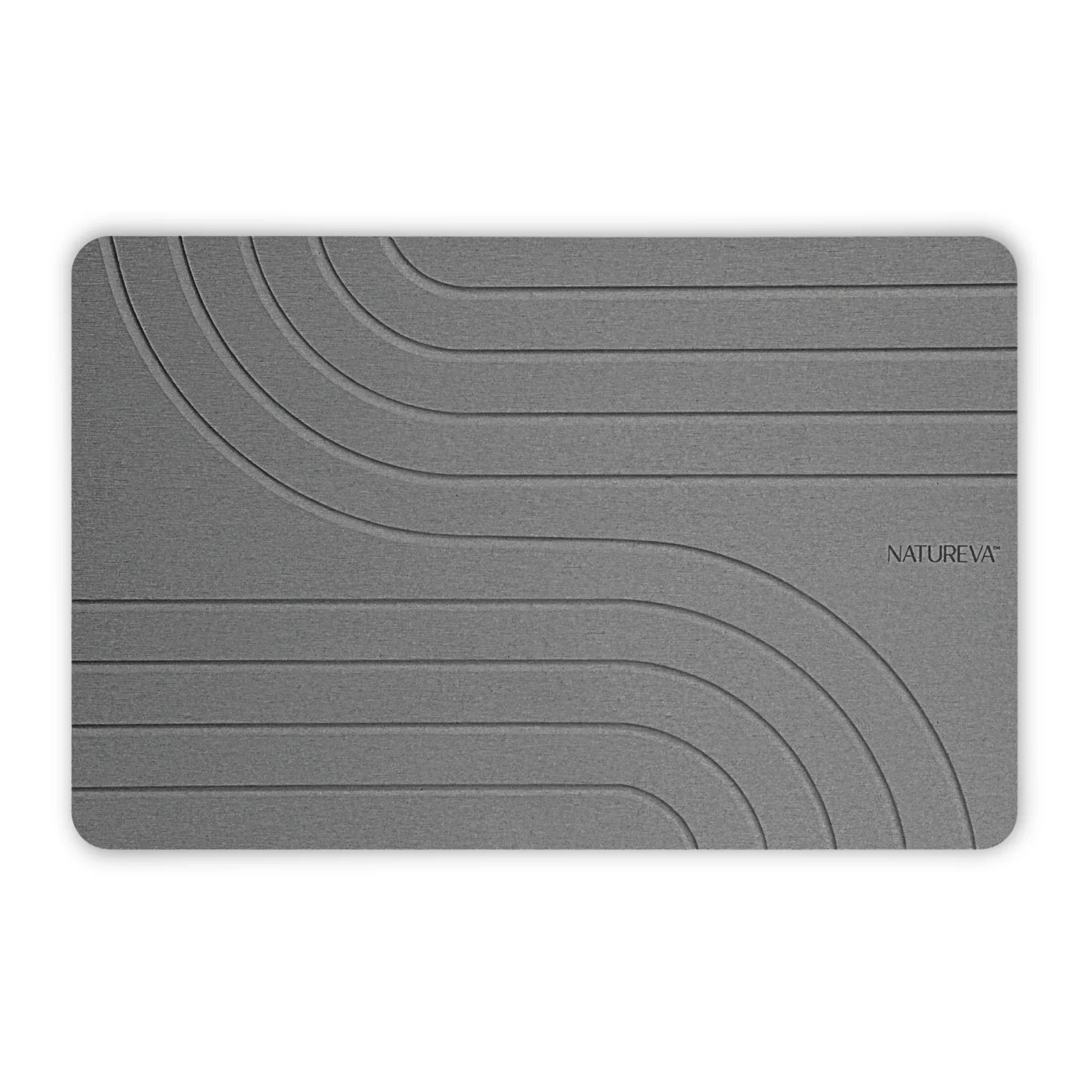
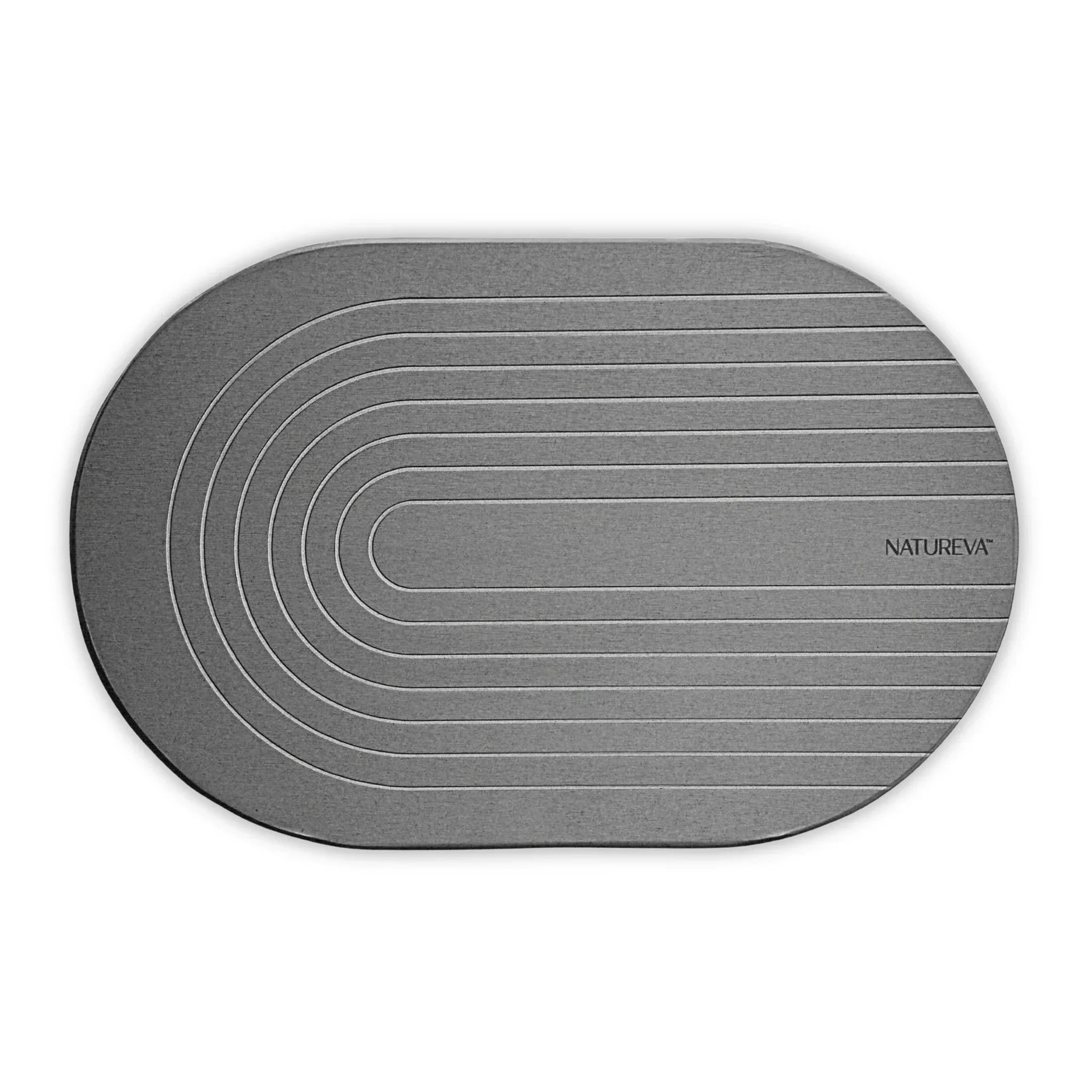
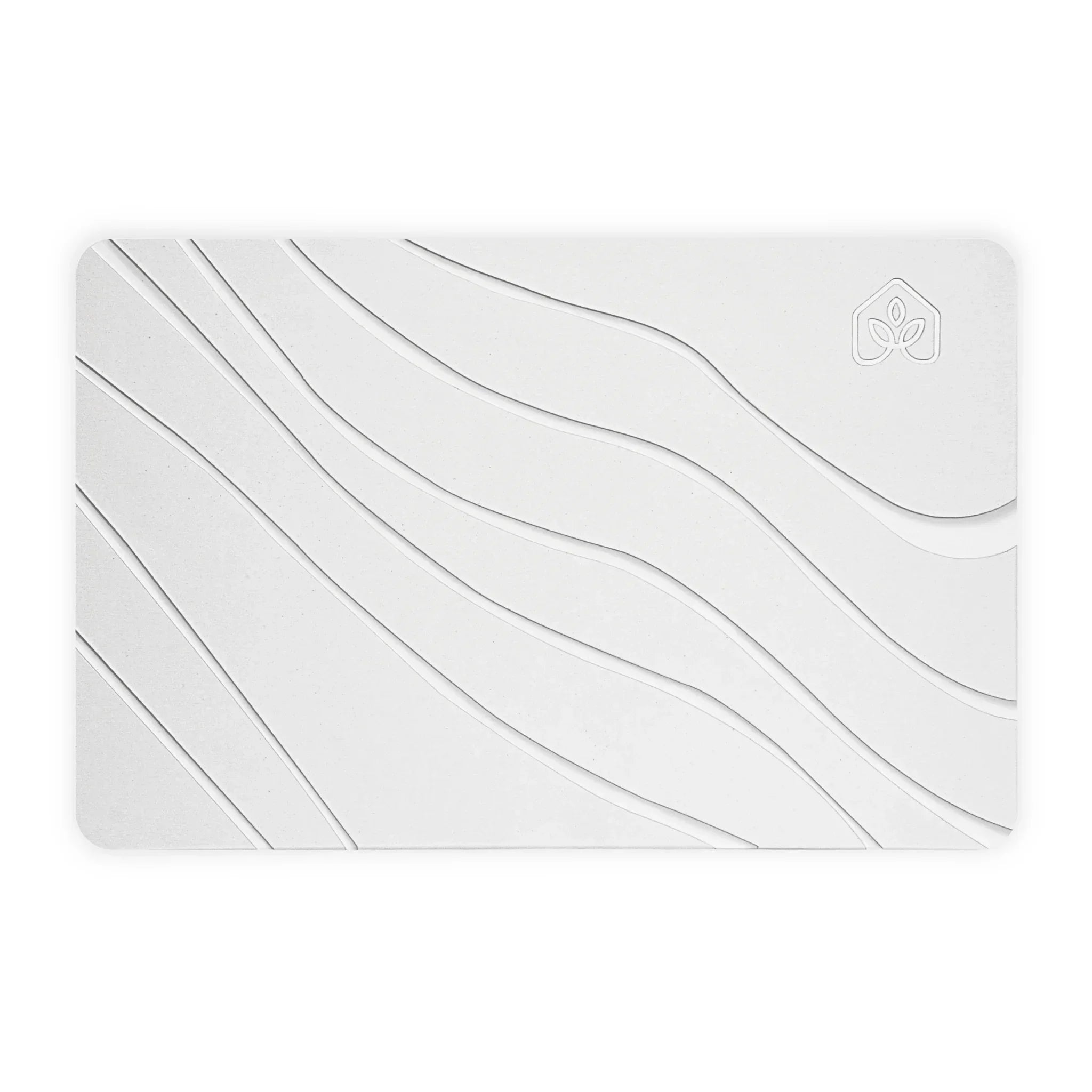
Stone pet mats are made from diatomaceous earth, a naturally porous material with microscopic holes that create an inhospitable environment for bacteria. The material's ability to rapidly absorb moisture prevents the damp conditions bacteria need to thrive.
Silicone mats, while non-porous and easy to wipe down, can trap moisture underneath and around raised edges. This creates bacterial breeding grounds that aren't immediately visible but develop over time.
- Stone mat advantage: Natural antimicrobial properties inhibit bacterial growth
- Silicone disadvantage: Smooth surface allows bacteria to colonize in trapped moisture
- Winner: Stone Pet Mat
Mold and Mildew Prevention
Mold needs three things to grow: moisture, warmth, and time. Diatomite stone mats excel at eliminating the moisture factor by absorbing water within seconds and allowing it to evaporate naturally through the porous structure.
Silicone mats repel water rather than absorb it, meaning spills sit on the surface or pool in corners. Even after wiping, residual moisture can remain trapped, especially in humid environments or homes with multiple pets.
- Stone mat performance: Absorbs and evaporates moisture before mold can establish
- Silicone performance: Requires immediate cleanup to prevent mold in crevices
- Winner: Stone Pet Mat
Cleaning Ease and Methods
Here's where things get interesting. Silicone mats seem easier at first glance—just wipe them down or throw them in the dishwasher. However, they require frequent cleaning (often daily) to prevent buildup and odors.
Stone mats need less frequent deep cleaning because they naturally resist bacterial growth and odors. A simple rinse or wipe-down every few days suffices, with occasional sanding to refresh the surface. Learn more about proper maintenance on our care and cleaning page.
- Stone mat cleaning: Weekly rinse, monthly sanding if needed
- Silicone mat cleaning: Daily washing required for hygiene
- Winner: Stone Pet Mat (less frequent maintenance needed)
Odor Absorption and Control
Pet feeding areas can develop that distinctive wet dog food smell mixed with stale water. Diatomite stone naturally absorbs odors along with moisture, neutralizing smells rather than just masking them.
Silicone is non-porous, which means it doesn't absorb odors—but it also means odor-causing bacteria and food particles sit on the surface. Over time, silicone mats can develop a persistent smell that's difficult to eliminate even with thorough washing.
- Stone mat benefit: Actively absorbs and neutralizes odors
- Silicone limitation: Odors linger on surface and in trapped debris
- Winner: Stone Pet Mat
Stain Resistance Over Time
Light-colored silicone mats show every stain—from wet food to muddy paw prints. While technically cleanable, these stains often become permanent discoloration that makes the mat look perpetually dirty even when sanitized.
Stone mats naturally hide minor staining due to their textured, earth-toned appearance. More importantly, their porous structure prevents surface staining since liquids are absorbed rather than sitting on top.
- Stone mat advantage: Natural color and texture hide wear; absorbs rather than stains
- Silicone disadvantage: Shows permanent discoloration from food and water
- Winner: Stone Pet Mat
Drying Speed After Washing
When you do need to wash your mat, drying time matters for hygiene. A mat that stays wet becomes a bacterial playground before you can even put it back down.
Silicone mats can take hours to fully air dry, especially if they have textured surfaces or raised edges that trap water. Stone mats dry remarkably quickly—often within 30-60 minutes—thanks to their highly porous structure that promotes rapid evaporation.
- Stone mat drying: 30-60 minutes in normal conditions
- Silicone mat drying: 3-6 hours depending on thickness and design
- Winner: Stone Pet Mat
The Clear Hygiene Champion
Stone pet mats win decisively, taking all six categories in our head-to-head comparison. This isn't just about marketing claims—it's about fundamental material properties that make diatomite stone inherently more hygienic than silicone.
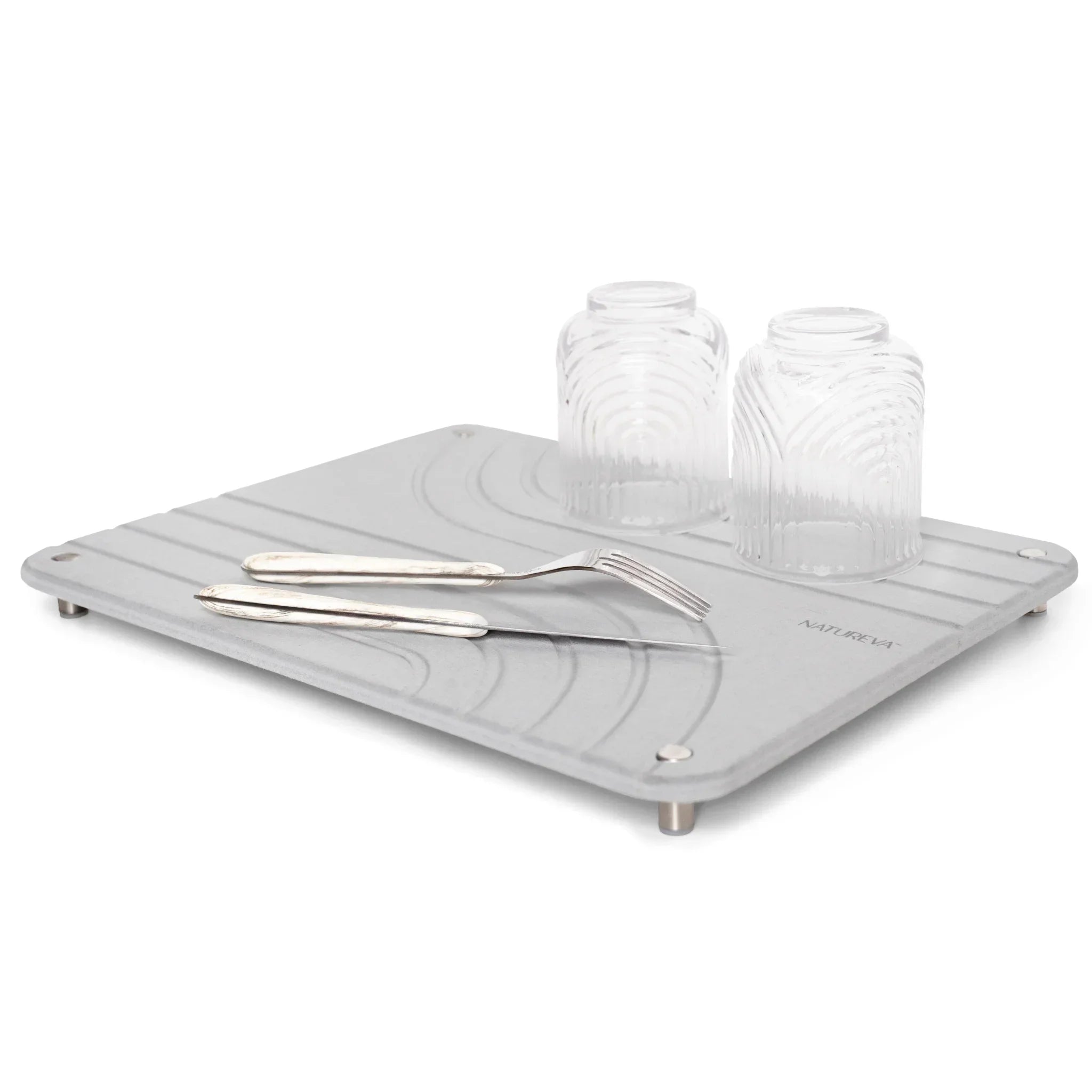
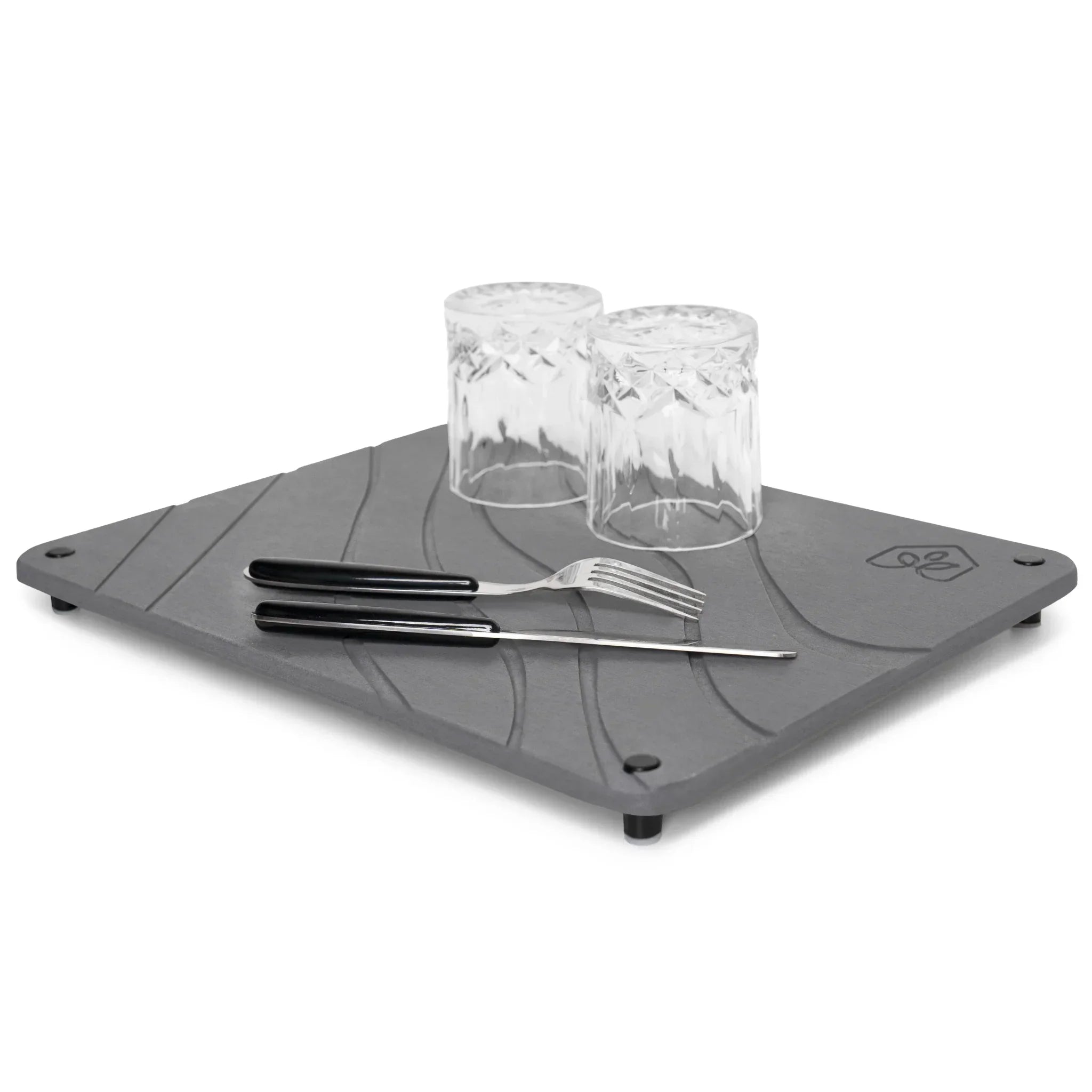
The Natureva Diatomite Stone Pet Mat leverages these natural advantages to create a feeding area that stays cleaner with less effort from you.
Understanding the Natural Antimicrobial Advantage
Diatomaceous earth isn't just a trendy material—it's been used for filtration and purification for decades because of its unique structure. Under a microscope, you'd see millions of tiny pores that create an enormous surface area.
This structure does three things simultaneously:
- Rapid moisture absorption: Eliminates the damp environment bacteria and mold need
- Air circulation: Allows absorbed moisture to evaporate naturally
- Physical barrier: The microscopic sharp edges of diatoms are inhospitable to microorganisms
Real-World Hygiene Benefits
In practical terms, choosing a stone mat means your pet's feeding area stays fresher between cleanings. You'll notice fewer odors, less visible grime, and a general sense that the area is cleaner even during busy weeks when deep cleaning gets postponed.
For households with multiple pets, elderly animals who are messier eaters, or anyone with allergies or immune concerns, these differences become even more significant. The mat isn't just containing messes—it's actively working to prevent the hygiene issues that messes create.
Best Choice for Health-Conscious Pet Owners
If you prioritize your pet's health and your home's cleanliness, the choice is clear. Stone mats offer superior hygiene with less maintenance—a combination that's hard to beat.
While silicone mats have their place (they're flexible and portable), they simply can't match the natural antimicrobial and moisture-management properties of diatomite stone. For a feeding station that stays genuinely hygienic day after day, stone is the winner.
- Choose stone if: You want maximum hygiene with minimal daily maintenance
- Choose stone if: Odor control and bacteria resistance are priorities
- Choose stone if: You prefer natural materials over synthetic options
- Choose stone if: You have multiple pets or messy eaters
Ready to upgrade your pet's feeding area? Explore how the natural properties of diatomite work to keep things cleaner on our how it works page, and discover the simple maintenance routine that keeps your stone mat performing at its best.