
Washable Bathroom Mats That Hold Up After Frequent Laundry
Most bathroom mats start to smell musty or lose their softness after just a few months of regular washing, leaving you stuck in an endless cycle of replacing them or living with the funk. The problem isn't how often you wash them, it's what they're made of and how moisture gets trapped in the fibers. Understanding why bathroom mats washable options fail so quickly can help you choose materials that actually stay fresh, or skip the laundry cycle entirely with alternatives like Natureva's stone bath mats that dry in minutes without ever needing a wash.
Table of Contents
What Happens to Bathroom Mats in the Wash
Most bathroom mats washable enough to toss in the machine start breaking down the moment they hit hot water and spin cycles. The fibers that feel soft and plush when new compress with every wash, losing their ability to bounce back. Cotton loops flatten out, synthetic materials mat together, and what used to absorb water starts pushing it around instead. Within months, that fluffy mat you bought becomes a thin, sad version of itself.
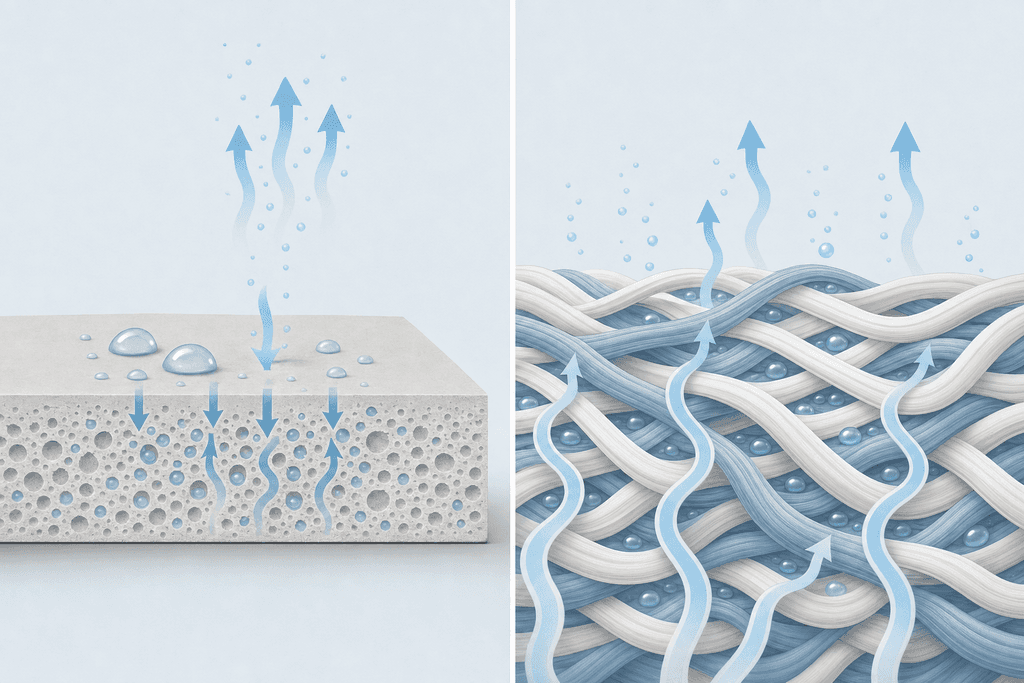
Fiber Breakdown and Compression
Cotton and synthetic bathroom floor mats rely on raised pile to create absorbency. When those fibers get soaked, agitated, and heated repeatedly, they lose their structure. The washing machine beats them down, and the dryer's heat makes things worse.
- Cotton fibers swell when wet and shrink when dried, weakening with each cycle
- Synthetic materials like polyester and microfiber compress permanently under heat
- Pile height reduces by up to 30% after just 10-15 washes
- Flattened fibers can't trap air or water effectively anymore
Rubber Backing Deterioration
That non-slip backing on most washable bathroom floor mats isn't built to last. Rubber and latex break down fast when exposed to washing machine heat and detergent chemicals. You've probably seen the black crumbs that start appearing in your dryer or stuck to other laundry.
- Heat from dryers causes rubber to crack and peel
- Detergents contain chemicals that dissolve latex bonds over time
- Backing fragments contaminate other laundry and clog drains
- Once backing fails, mats become slip hazards instead of safety features
Moisture Retention and Bacterial Growth
Thick fabric bathroom mats washable in theory but terrible at actually drying create perfect conditions for bacteria between wash days. Research from the University of Florida found that bathroom mats can harbor more bacteria than toilet seats because they stay damp for hours after use. Even after washing, moisture gets trapped deep in the pile where air can't reach.
- Dense pile takes 6-12 hours to fully air dry
- Detergent residue builds up in fibers and blocks water absorption
- Damp environments between the mat and floor encourage mold growth
- Bacteria multiply rapidly in moisture that doesn't evaporate
Stone bath mats like Natureva's diatomite options skip this problem entirely because they dry in minutes instead of hours. No fabric means no fiber breakdown, no rubber backing to crumble, and no moisture sitting around growing things you don't want in your bathroom.
Material Lifespan Comparison
| Material Type | Average Lifespan | Washes Before Decline | Primary Failure Point |
|---|---|---|---|
| Cotton Terry | 6-12 months | 15-25 | Fiber compression |
| Microfiber Synthetic | 8-14 months | 20-30 | Pile matting |
| Memory Foam | 4-8 months | 10-15 | Foam breakdown |
| Chenille | 6-10 months | 12-20 | Loop shedding |
| Rubber Backed Cotton | 5-9 months | 15-20 | Backing deterioration |
The numbers tell a clear story. Traditional bathroom mats washable or not rarely make it past a year of regular use. The materials just aren't designed to handle the moisture, heat, and mechanical stress of frequent washing while maintaining their original performance.
Materials That Actually Hold Up to Frequent Washing
Most bathroom mats washable floor mats fall apart after a few months of regular washing. The backing peels off, the fibers get matted, or they start smelling weird no matter how many times you clean them. The problem usually isn't how you wash them, it's what they're made from in the first place. Choosing the right material makes the difference between a mat that lasts years and one that ends up in the trash by summer.
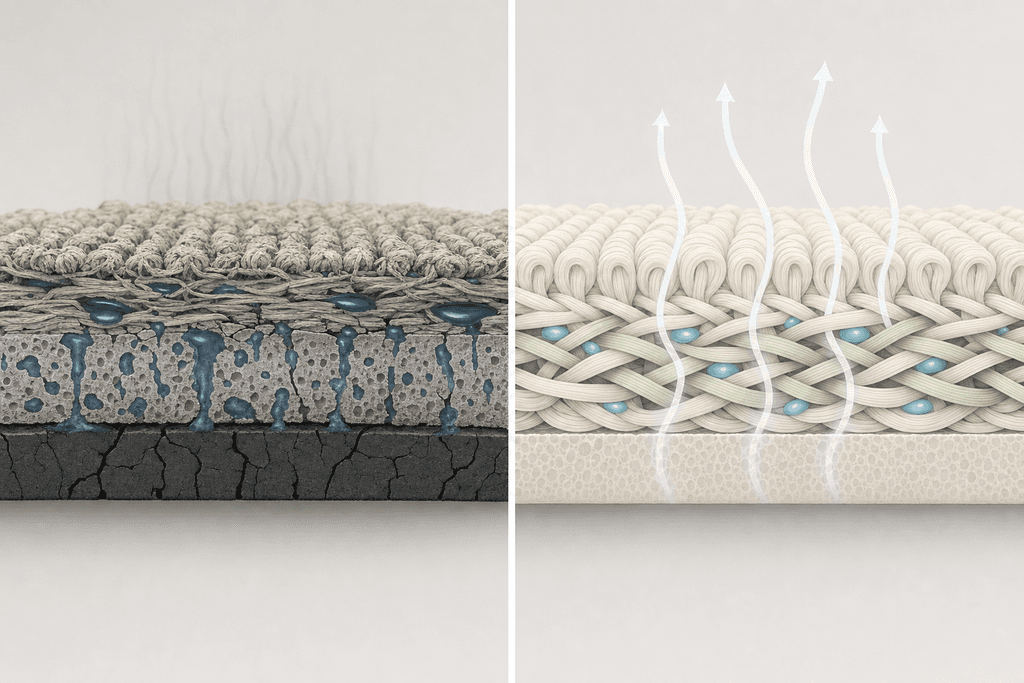
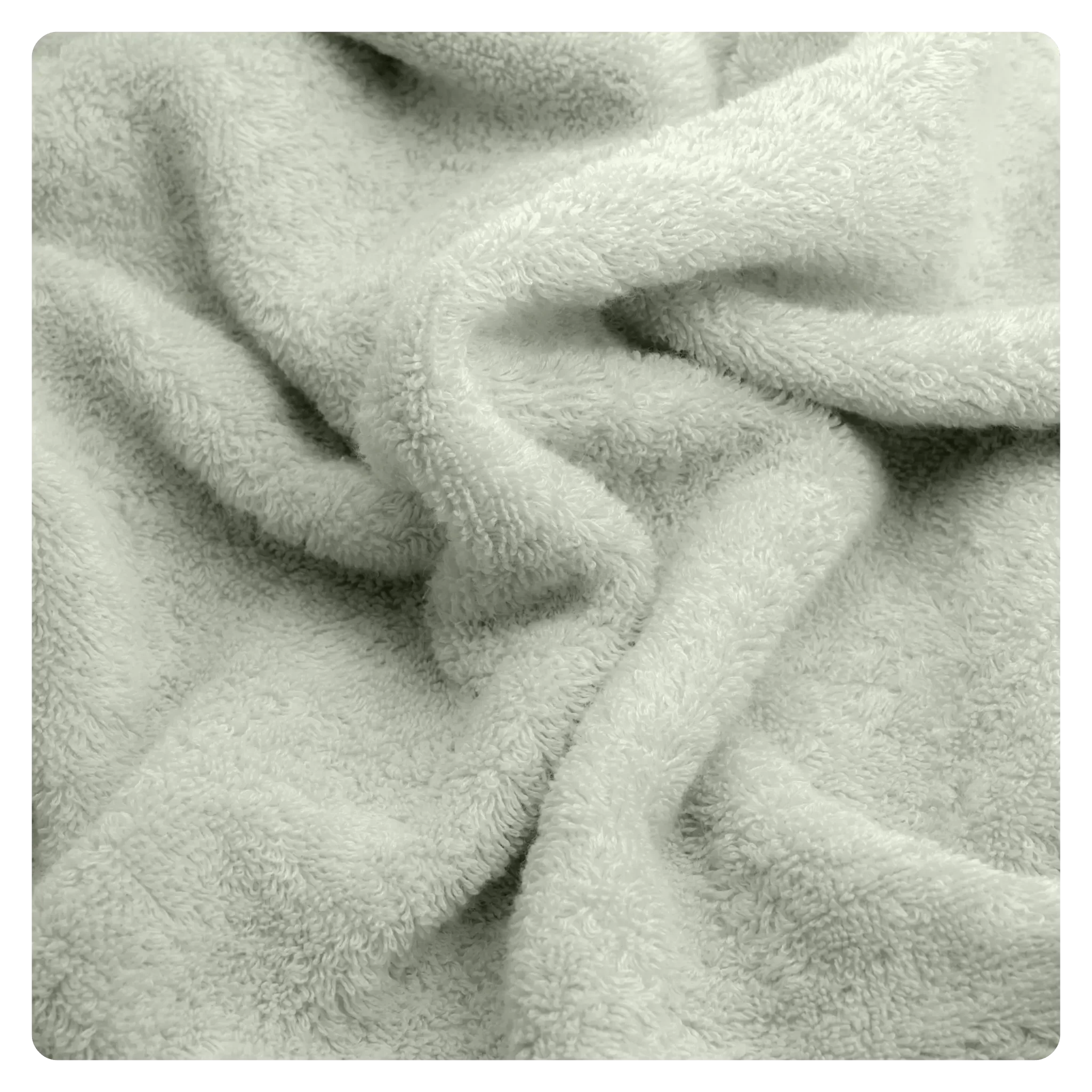
Bamboo cotton blends offer the best balance between durability and natural antibacterial properties. The bamboo viscose component naturally resists odor formation while the long staple cotton maintains structure through repeated wash cycles. Standard cotton mats pill quickly and lose their shape, but long staple varieties keep their texture intact much longer.
- Bamboo cotton blends combine natural antibacterial properties with structural durability
- Long staple cotton resists pilling and maintains shape better than standard cotton
- Microfiber dries faster but loses absorbency when exposed to fabric softener
- Rubber backing breaks down with frequent washing, opt for separate non slip pads instead
- OEKO TEX certification ensures materials won't degrade into harmful substances over time
The backing matters just as much as the fabric itself. Mats with glued rubber backing start separating after a dozen washes, leaving sticky residue in your dryer. Consumer Reports testing shows that separate non slip pads last significantly longer than integrated rubber layers.
Washing Techniques That Extend Mat Lifespan
Even the best materials won't survive if you wash them wrong. Hot water might seem like it cleans better, but it actually breaks down natural fibers faster than you'd think. The same goes for products that promise extra softness or brightness. They coat the fibers in ways that block the mat's ability to absorb water, which defeats the entire purpose of having a bath mat.
Warm water on a gentle cycle protects fiber integrity while still removing dirt and bacteria. Hot water causes shrinkage and weakens the bonds between fibers, especially in bamboo cotton blends. Most people don't realize that fabric softener is the worst thing you can add to bathroom mats washable or not.
Step by Step Washing Checklist
- Shake out loose debris before loading the washer
- Set machine to gentle cycle with warm water (not hot)
- Use regular detergent without any fabric softener
- Avoid bleach and products containing benzoyl peroxide
- Tumble dry on low heat to maintain softness
- Remove promptly to prevent wrinkles and musty smell
Air drying sounds eco friendly, but it causes stiffness in bamboo cotton materials. The fibers contract unevenly as they dry, creating that crunchy texture nobody wants under their feet. Low heat tumble drying keeps the fibers relaxed and maintains the soft feel you expect from a quality mat.
Washing before first use removes manufacturing residue that can block absorbency. Some initial linting is normal with bamboo cotton products, especially those made with zero twist yarns. The loose fibers create exceptional softness but shed slightly during the first few washes. This decreases naturally over time.
The Zero Laundry Alternative for Busy Bathrooms
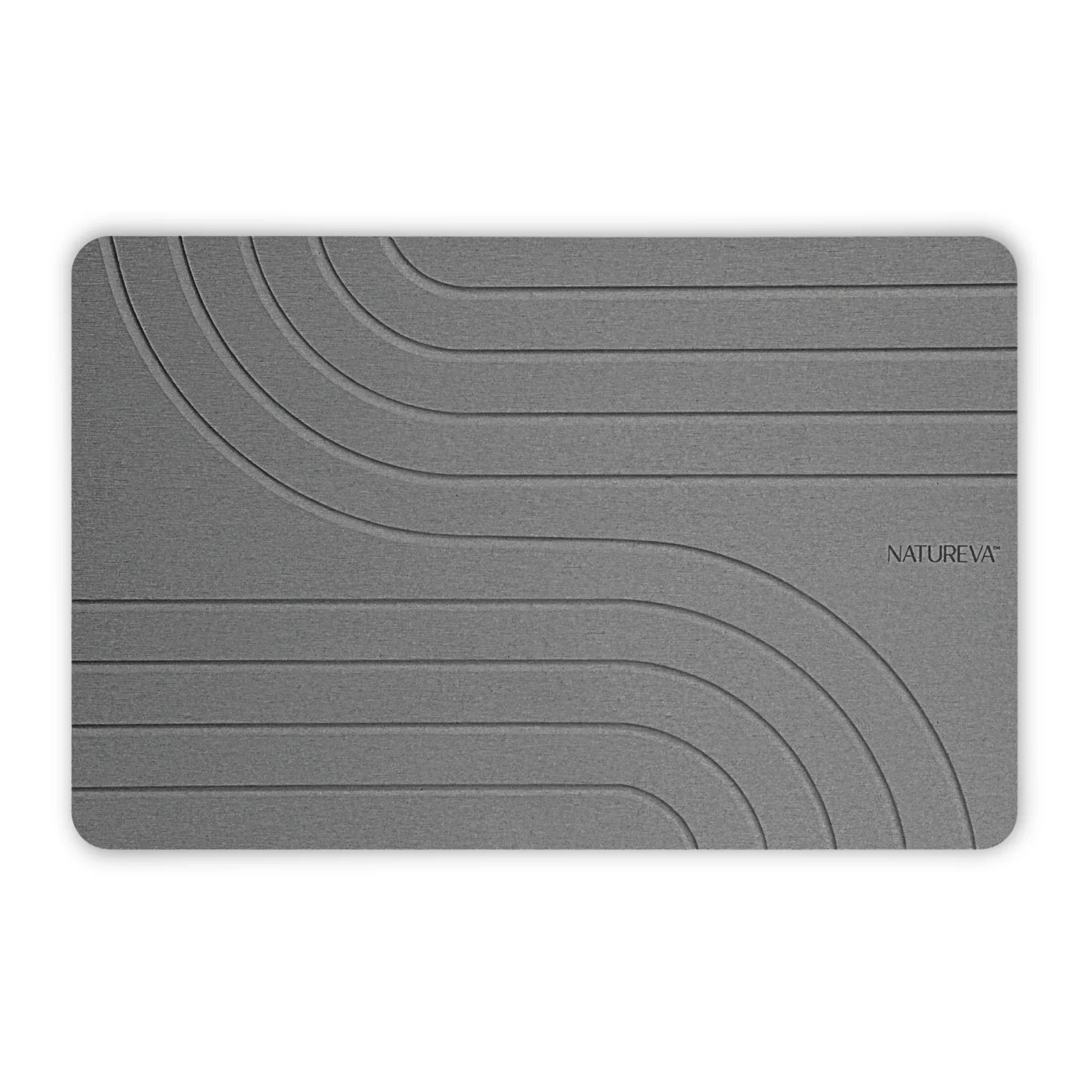
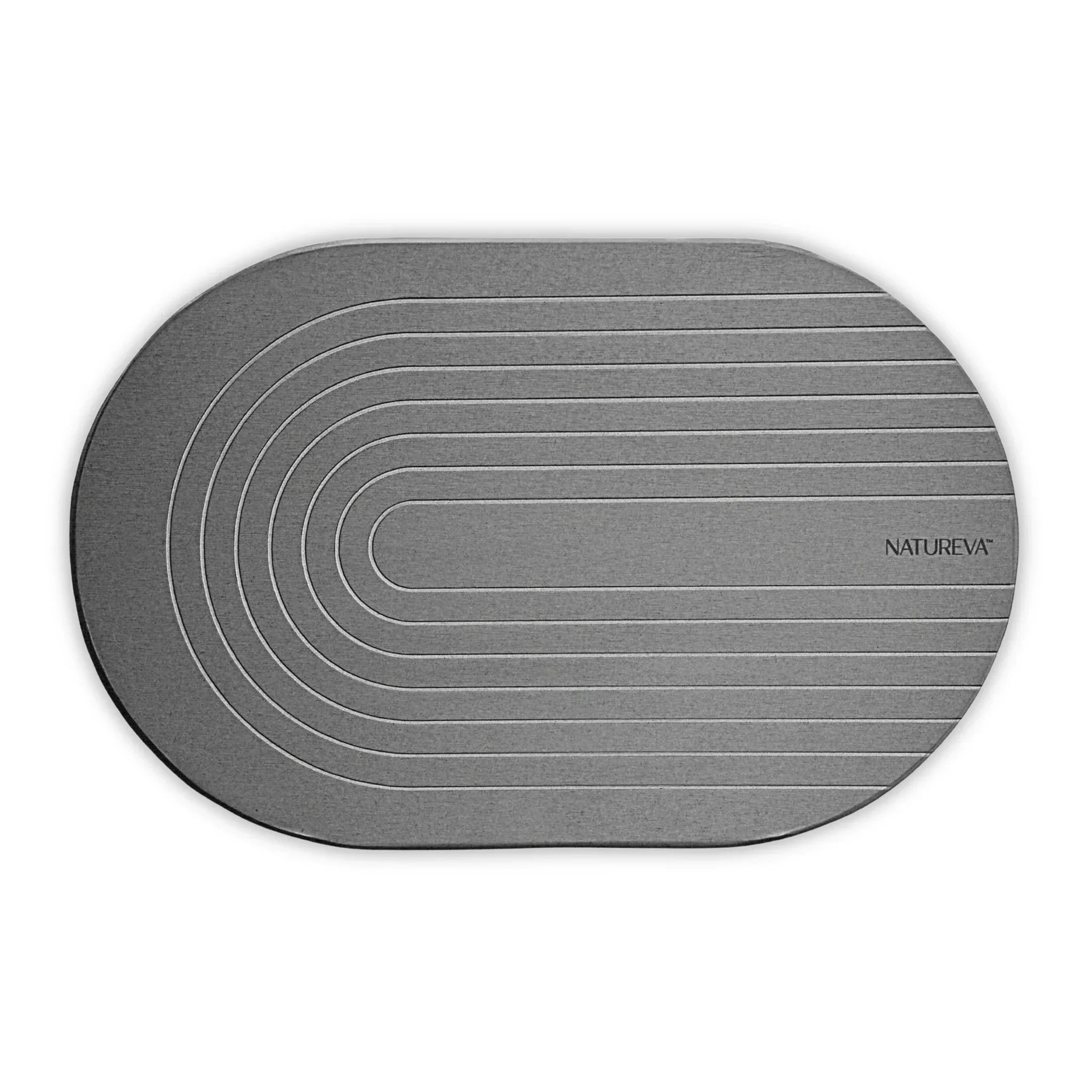
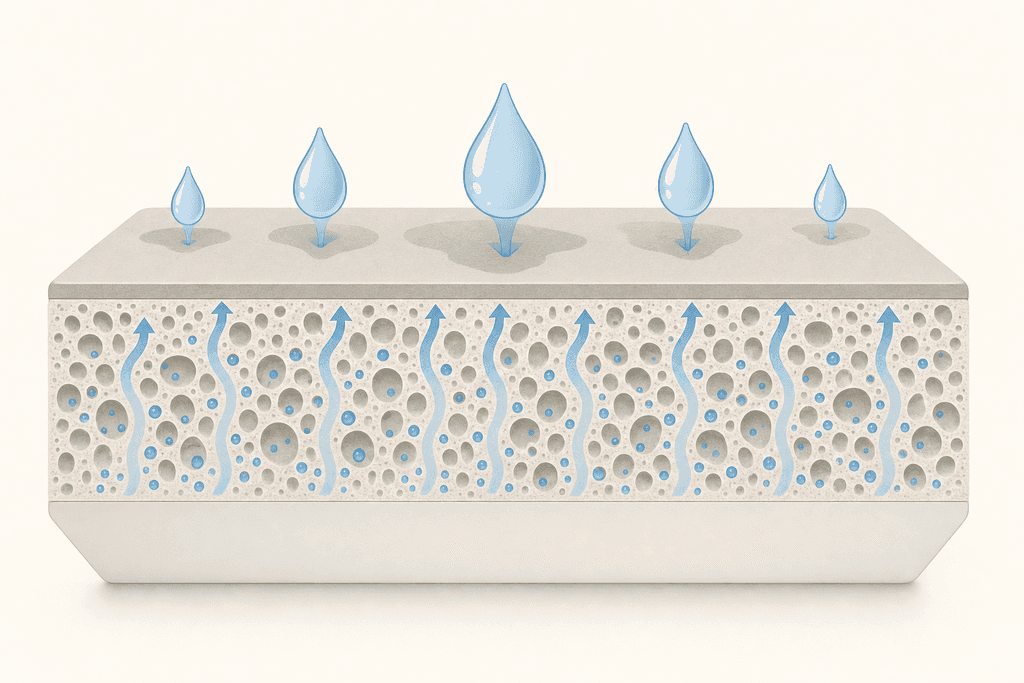
What if you never had to wash your bath mat again? That sounds impossible, but it's exactly how diatomite stone mats work. Instead of trapping moisture in fabric fibers that need constant cleaning, these mats absorb water instantly and release it back into the air through rapid evaporation. The surface stays dry, bacteria can't grow, and you skip the laundry cycle entirely. It's a completely different approach to the same problem.
Diatomite is a naturally occurring material made from fossilized algae with millions of microscopic pores. These pores pull moisture from your feet the moment you step on the mat. Within minutes, that water evaporates into the air instead of sitting in fabric where bacteria thrive. The antibacterial properties come from this rapid drying behavior, not from chemical treatments that wash away over time.
| Feature | Fabric Mats | Stone Diatomite Mats |
|---|---|---|
| Drying Time | Hours to fully dry | Minutes |
| Washing Frequency | Weekly machine wash | Weekly vinegar wipe |
| Odor Formation | Common with moisture | Prevented by rapid drying |
| Lifespan | 6 months to 2 years | Years with sanding |
Maintenance involves a quick wipe with vinegar water once a week. That's it. No hauling wet mats to the laundry room, no waiting for the dryer, no fabric softener mistakes. When absorbency eventually decreases, the included sanding tool reopens the surface pores and restores performance like new. You can do this indefinitely, which means the mat doesn't have a planned expiration date.
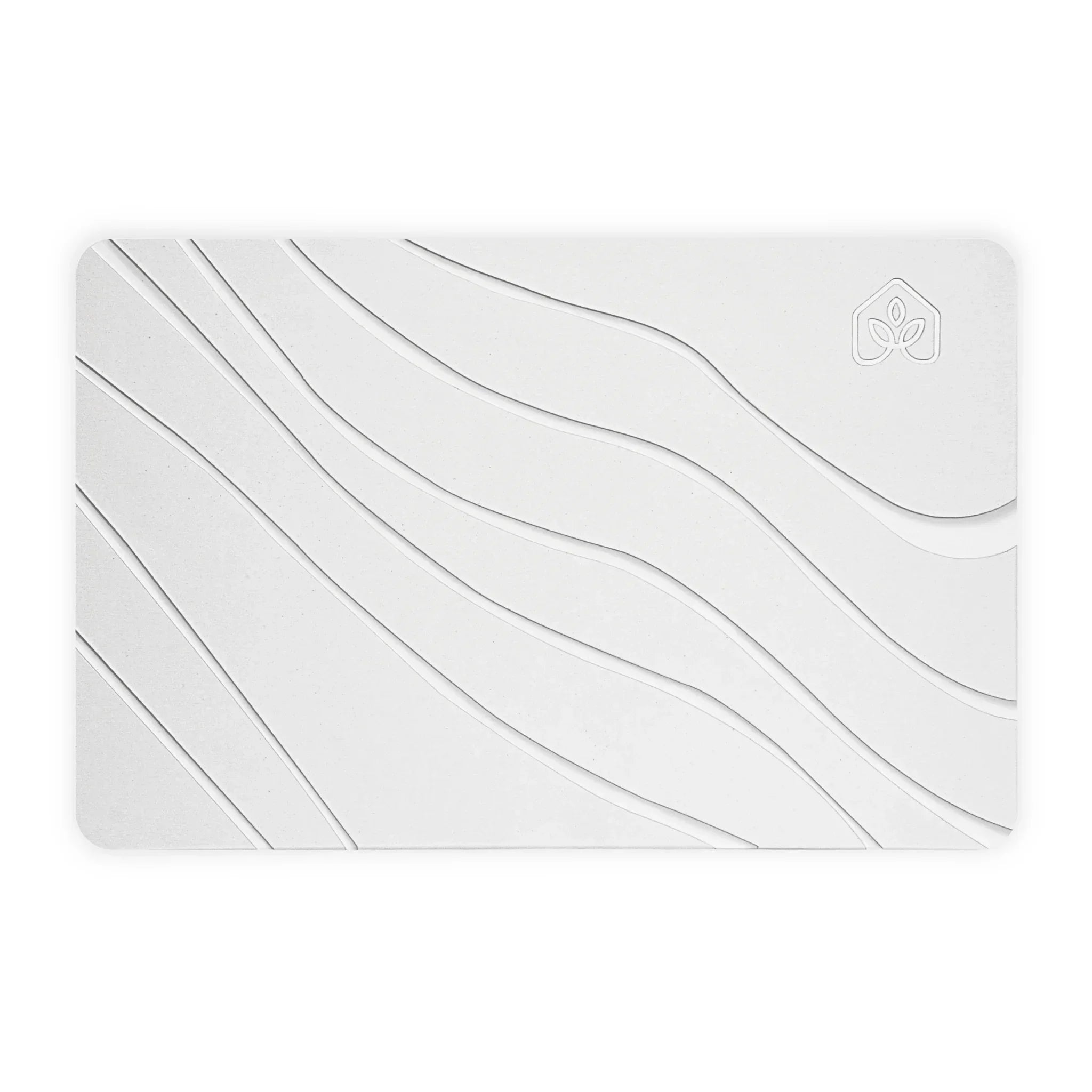
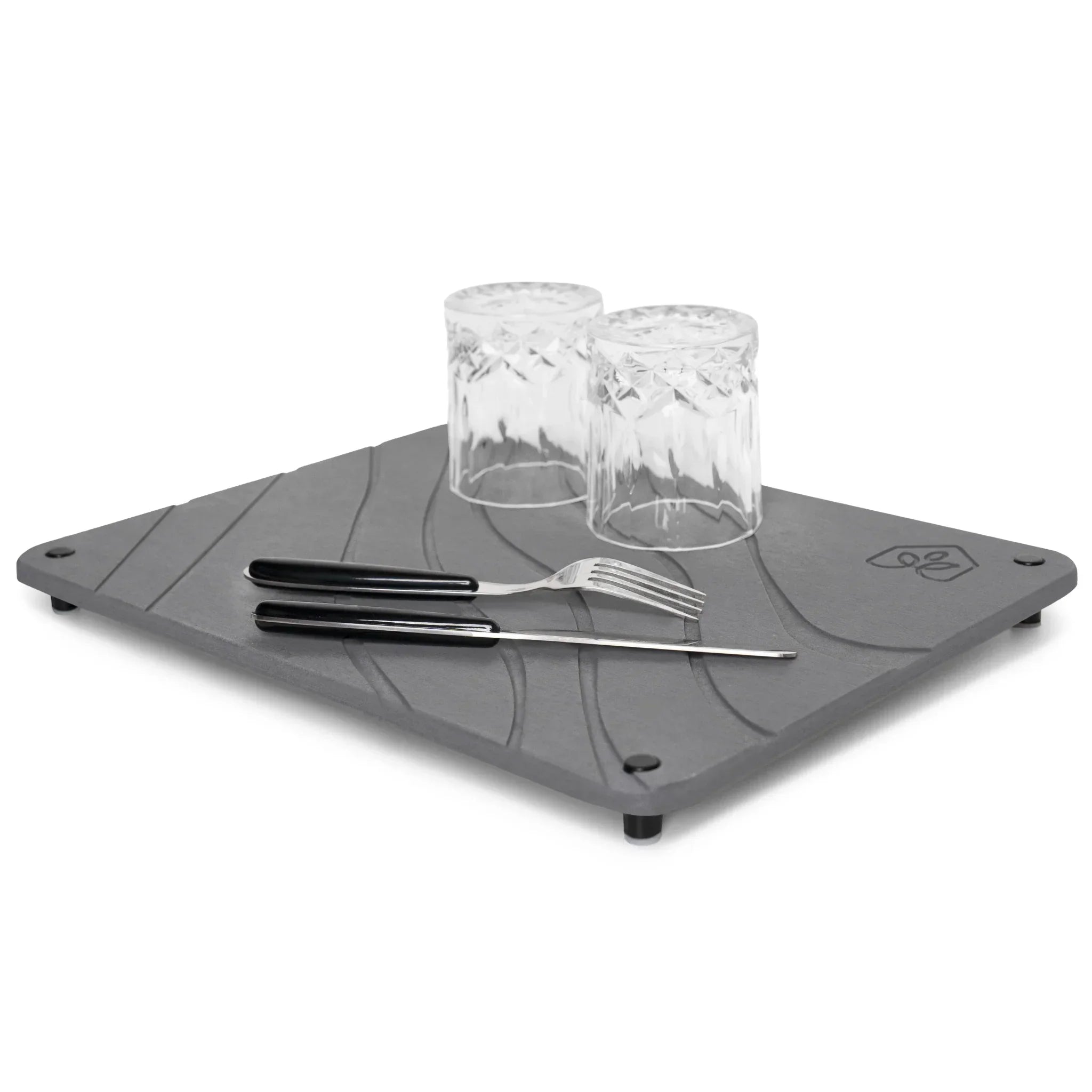
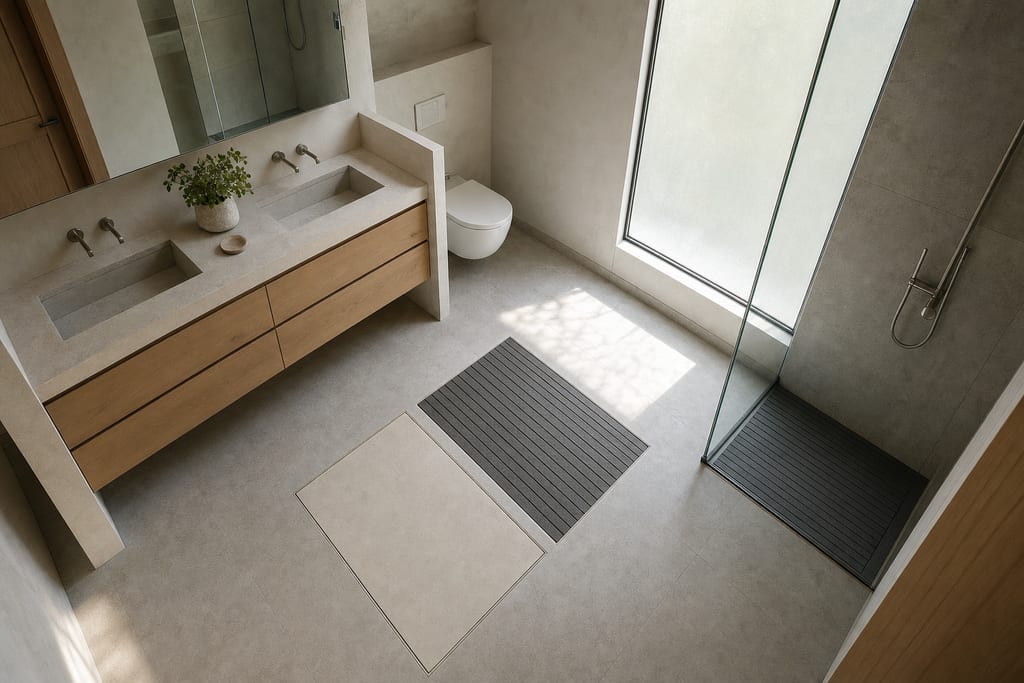
High traffic bathrooms benefit most from this approach. Families with kids who shower multiple times a day, guest bathrooms that see constant use, or anyone tired of the endless laundry cycle. Our stone bath mats come in five carved patterns (Tide, Flow, Arch, Rain, and Aura) and three neutral colors that work with any bathroom design. The Tide pattern features soft horizontal contours, while Rain uses sparse vertical lines.
The next generation of home essentials: naturally made, cleaner by design, sustainable by nature.
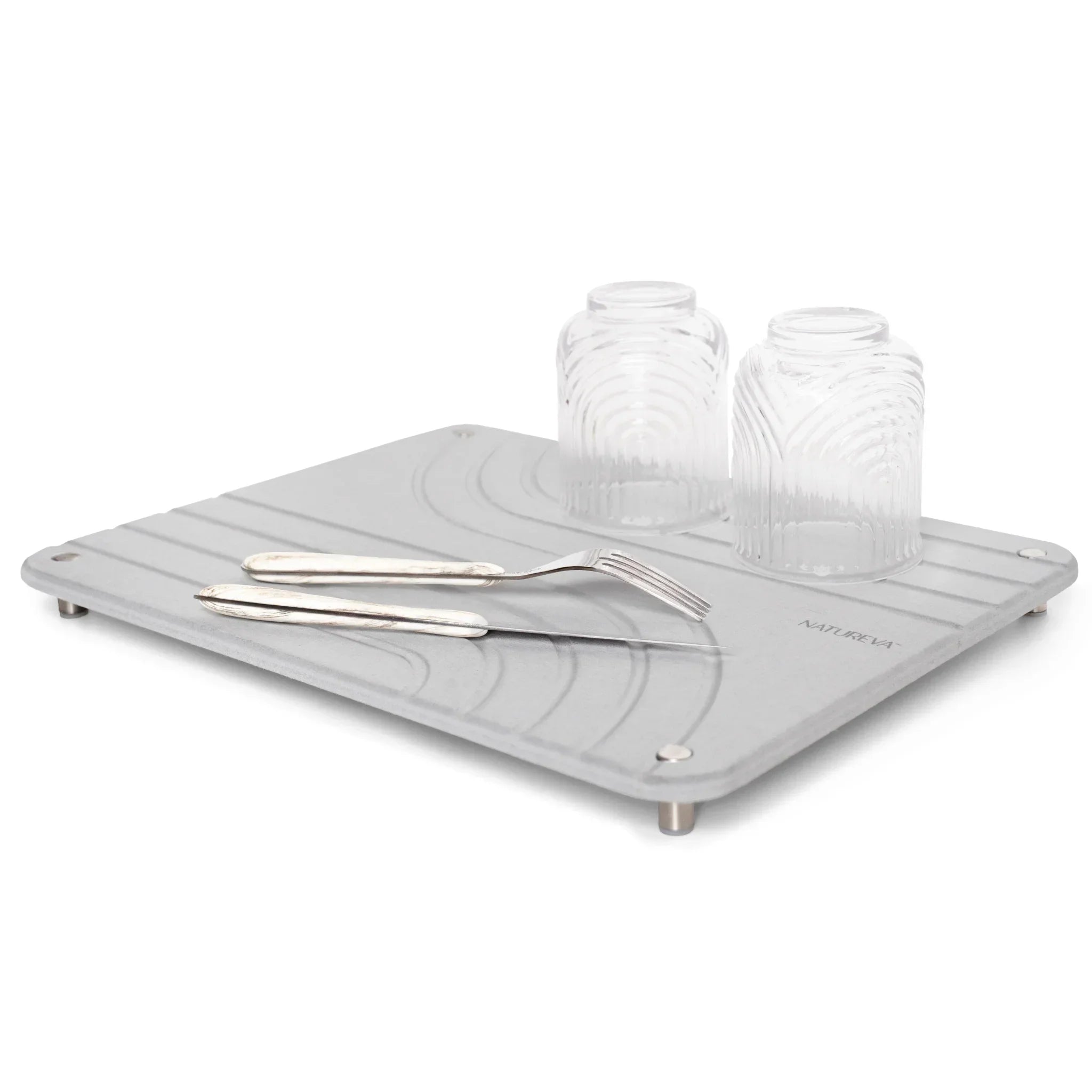
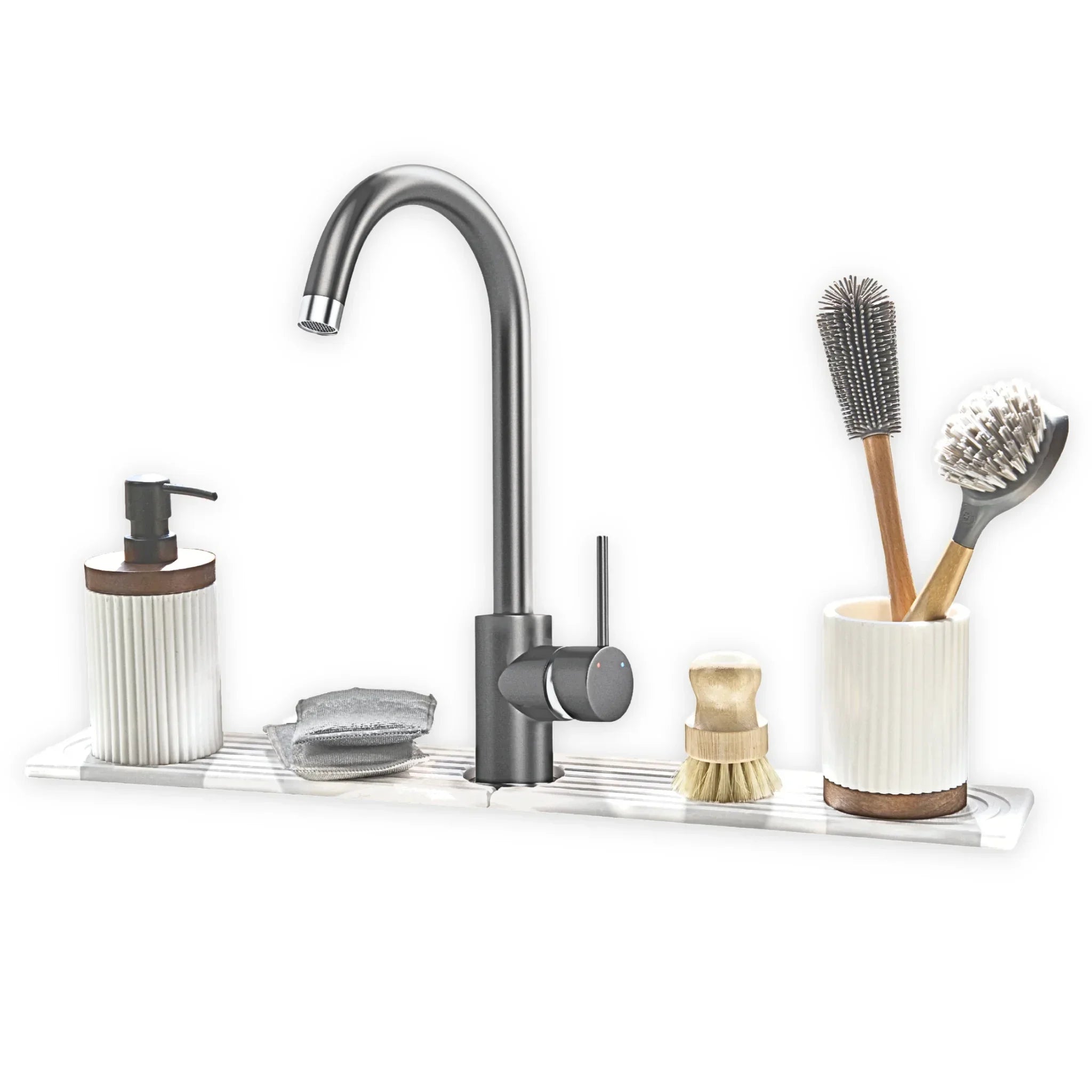
SHOP ALLThe same material works beyond bathrooms too. Dish mats handle kitchen moisture without the mildew smell that fabric versions develop. Faucet mats keep counters dry around sinks. Even pet feeding areas stay cleaner with stone surfaces that don't trap spilled water.
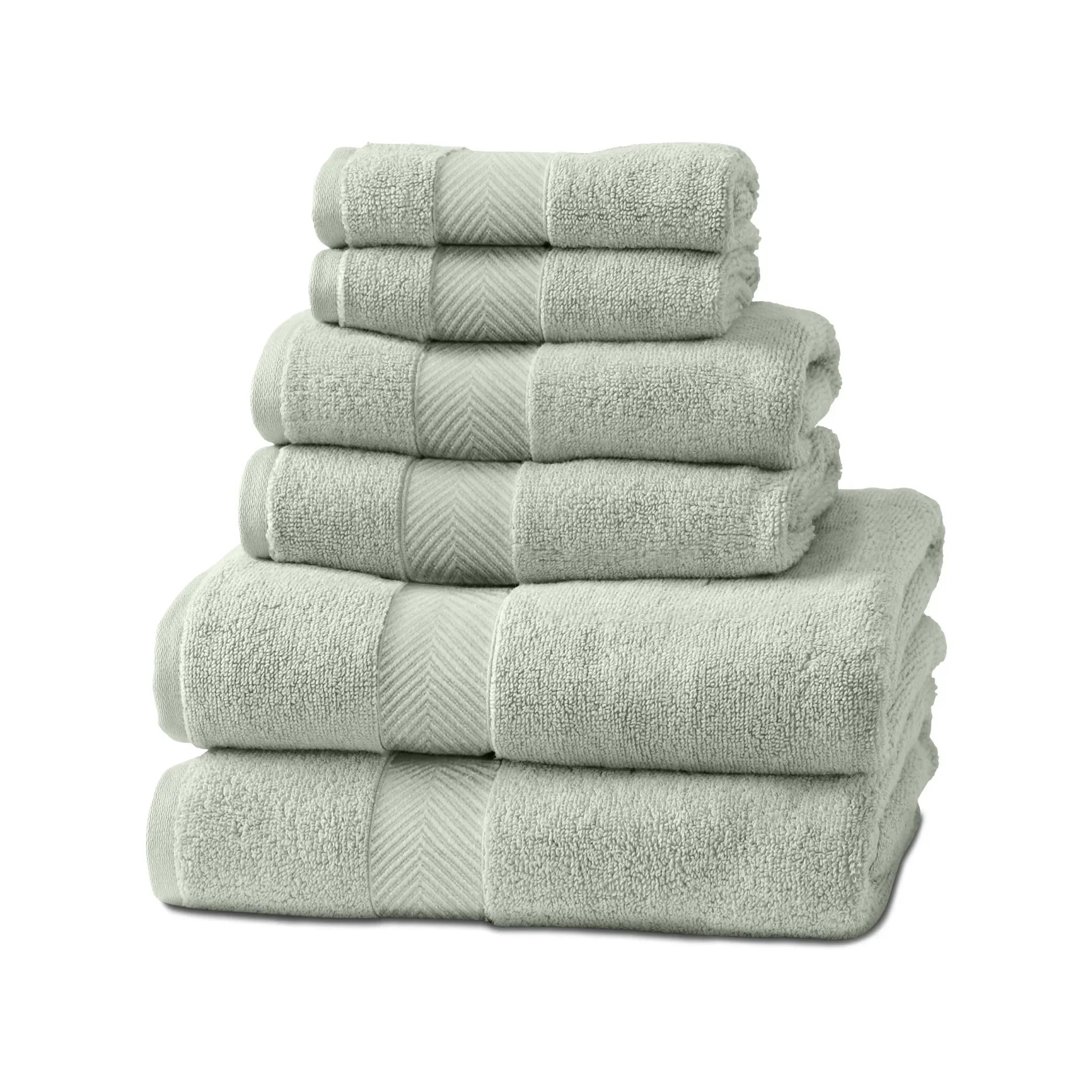
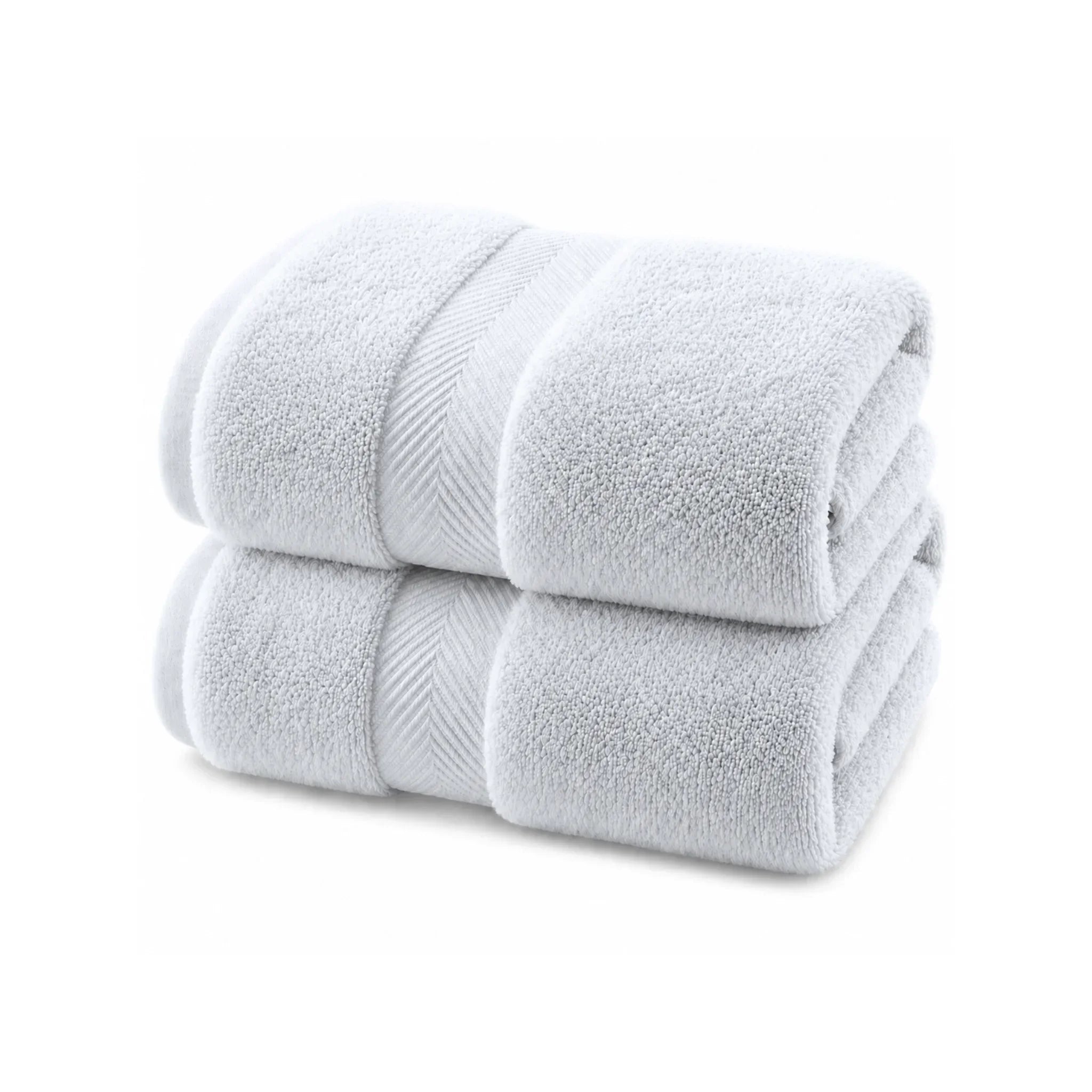
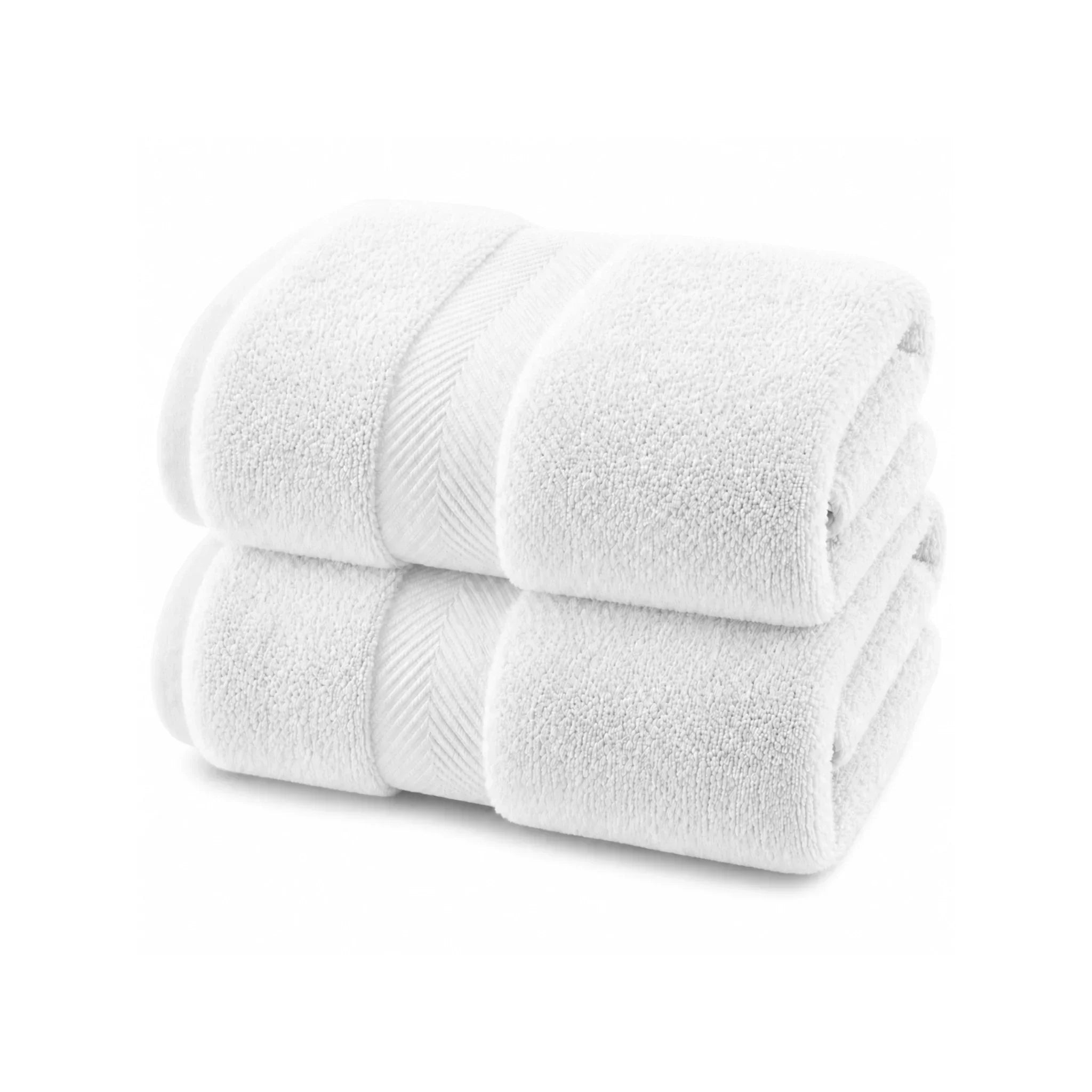
For those who prefer traditional textiles, our bamboo cotton towel sets offer the washable option with proper material composition. The 70% long staple cotton and 30% bamboo viscose blend at 700 gsm density holds up to frequent washing when you follow the care guidelines. They're OEKO TEX certified, which means the entire production chain meets safety and environmental standards. But even these need regular machine washing, which brings you back to the laundry question.
The choice depends on your household rhythm. If you're already doing laundry constantly and don't mind adding bath mats to the rotation, quality washable options exist. But if you're looking to reduce that load and eliminate one more recurring chore, stone mats remove bathroom floor maintenance from your weekly task list entirely. Forbes testing of various bath mat types consistently shows that moisture management matters more than softness for long term hygiene.
Cost Per Use Over Time
Most people look at the price tag and call it a day. But that number on the sticker tells you almost nothing about what you'll actually spend. A $30 fabric bathroom mat might seem like a bargain until you factor in the hidden costs that pile up month after month. Between washing cycles, detergent, electricity, water bills, and the inevitable replacement when it starts looking dingy, that cheap mat becomes surprisingly expensive.
The math gets interesting when you zoom out. Fabric bathroom mats washable enough to handle daily moisture typically need replacing every 12 to 18 months, even with proper care. That's because constant washing breaks down fibers, fades colors, and eventually leaves you with a mat that looks tired no matter how recently you cleaned it.
The Laundry Cost Nobody Talks About
Every wash cycle costs money in ways that aren't obvious at first glance. You're paying for hot water to sanitize properly, electricity to run the machine and dryer, and detergent that adds up faster than you'd think when you're washing multiple washable bathroom floor mats weekly.
- Average cost per wash cycle: $1.50 to $2.50 including water, electricity, and detergent
- Weekly washing means 52 cycles per year at roughly $100 annually
- Time investment of 15-20 minutes per wash for loading, transferring, and folding
- Multiply by number of bathrooms in your home for total household cost
Then there's the time factor. Busy households juggling work, kids, and everything else don't have spare hours to dedicate to mat maintenance. Understanding the difference between bath mats and rugs helps, but it doesn't eliminate the chore itself.
Three Year Comparison Breakdown
| Cost Factor | Fabric Mat (3 Years) | Stone Mat (3 Years) |
|---|---|---|
| Initial Purchase | $30 × 2 replacements = $60 | $59 one time |
| Laundry Costs | $100/year × 3 = $300 | $0 |
| Time Investment | 52 hours over 3 years | 5 minutes weekly wipe |
| Total Cost | $360 | $59 |
Stone alternatives like Natureva's diatomite bath mats flip this equation completely. Higher upfront cost gets offset within the first year when you eliminate ongoing laundry expenses entirely. A quick vinegar wipe once a week replaces hours of washing, drying, and folding. No detergent purchases, no utility costs, no replacement cycles.
When Quality Actually Saves Money
The real value shows up in year two and beyond. While fabric mat owners are buying their second or third replacement and still paying for weekly washes, stone mat owners are using the same product with zero additional costs. That's the difference between consumable products and durable goods.
- Stone mats maintain performance for years without degradation
- No fiber breakdown or color fading from repeated washing
- Simple maintenance takes minutes instead of hours monthly
- One purchase replaces multiple replacement cycles
For households with multiple bathrooms, the savings multiply quickly. Three fabric mats requiring weekly washing and biannual replacement cost over $1,000 across three years. Three stone mats cost $177 total with virtually no maintenance expenses. The choice becomes obvious when you look past the initial price tag.
Choosing What Works for Your Bathroom
The right mat depends on what you value most in your daily routine. If you like the soft feel of fabric under your feet and don't mind throwing mats in the wash every week, a quality washable option can work fine. Look for bamboo cotton blends with OEKO TEX certification, like our bamboo cotton towel set, which handles moisture better than standard cotton and stays fresh longer between washes.
But if you're tired of the laundry cycle or live in a busy household where bathroom traffic is constant, stone bath mats eliminate the washing routine entirely. Our diatomite mats dry in minutes after each use, which means bacteria and odour don't get a chance to build up between cleanings. The surface stays naturally clean without needing fabric softener, bleach, or weekly trips to the washing machine.
Think about how many people use your bathroom and how often you're willing to deal with maintenance. A family of four might find fabric mats need washing twice a week just to stay fresh. Stone options like the Tide or Flow just need a quick vinegar wipe once a week and they're good to go.
The choice comes down to whether you prefer the ritual of washing or the simplicity of a surface that manages itself. Both approaches work, but one might fit your life better than the other.
Common Questions About Washable Bathroom Mats
Choosing the right bathroom mat means understanding how to keep it clean, fresh, and working properly. Whether you're dealing with fabric mats that need regular washing or stone alternatives that work differently, these questions come up again and again. Here's what you actually need to know about keeping your bathroom floor dry and hygienic.
How often should you wash bathroom mats?
Most fabric bathroom mats washable options need cleaning every three to four days, especially in busy households. High moisture environments breed bacteria quickly, and that damp smell is usually your first warning sign. If multiple people use the same bathroom daily, washing twice a week keeps things fresh.
Can you put bathroom mats with rubber backing in the dryer?
Heat breaks down rubber backing over time, causing it to crack, peel, or leave marks on your floor. Most manufacturers recommend air drying washable bathroom floor mats with rubber bases, which means waiting hours for them to fully dry. Stone bath mats like Natureva's diatomite options skip this problem entirely since they dry naturally within minutes and never need machine washing.
Why does my bathroom mat smell even after washing?
Trapped moisture in thick fabric or foam padding creates the perfect breeding ground for mildew and bacteria. Even after washing, if the mat doesn't dry completely between uses, odours return quickly. The rubber backing on traditional mats also prevents airflow underneath, keeping moisture locked in where you can't see it.
How do you restore absorbency to a bathroom mat?
For fabric mats, avoid fabric softener and dryer sheets since they coat fibres and block water absorption. Washing with vinegar can help strip buildup, but eventually the material just wears out. Stone mats work differently because their porous surface can be refreshed by light sanding with the included tool, which reopens the microscopic channels that pull in moisture.
Are stone bath mats slippery when wet?
Quality stone mats absorb water so quickly that the surface doesn't stay wet long enough to become slippery. The textured engraved patterns also provide grip, and non slip base pads keep the mat itself from sliding on tile or wood floors.
What's the best way to clean a diatomite stone mat?
A weekly wipe with diluted vinegar and water handles most maintenance. For stains, rinse under water or use hydrogen peroxide on stubborn marks. The key difference from fabric mats is that stone versions never need machine washing, which saves time and keeps them working properly for years instead of months.
The next generation of home essentials: naturally made, cleaner by design, sustainable by nature.
SHOP ALL