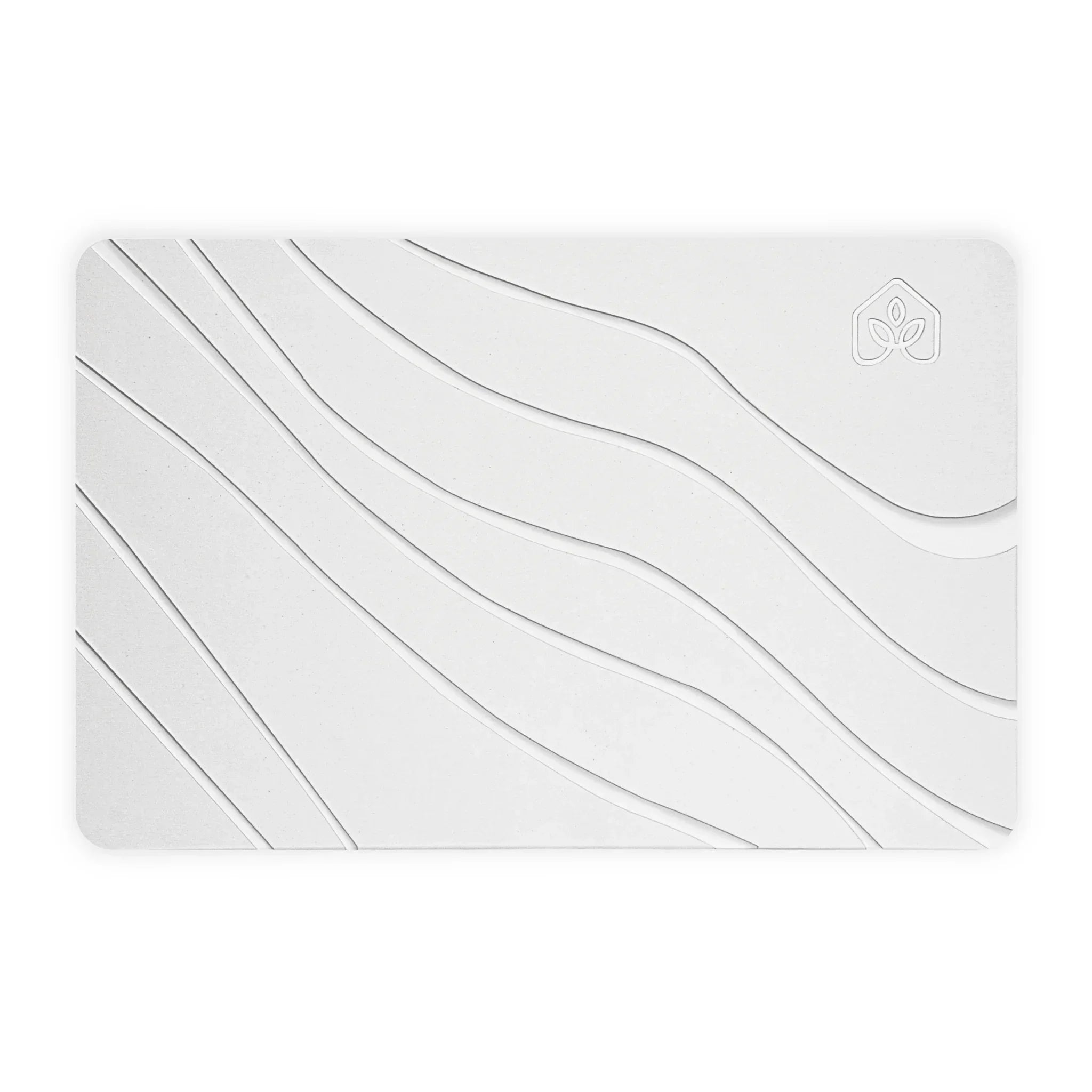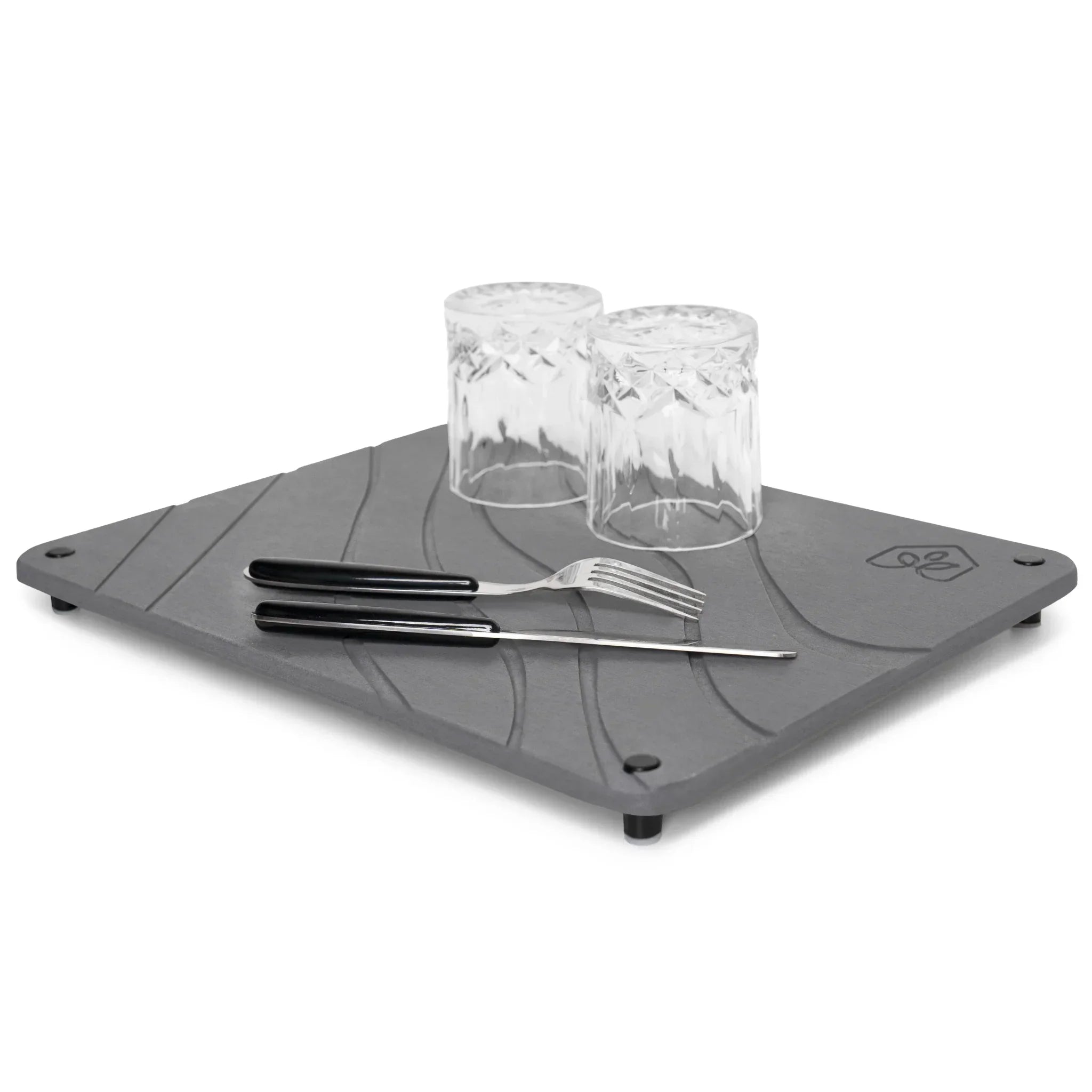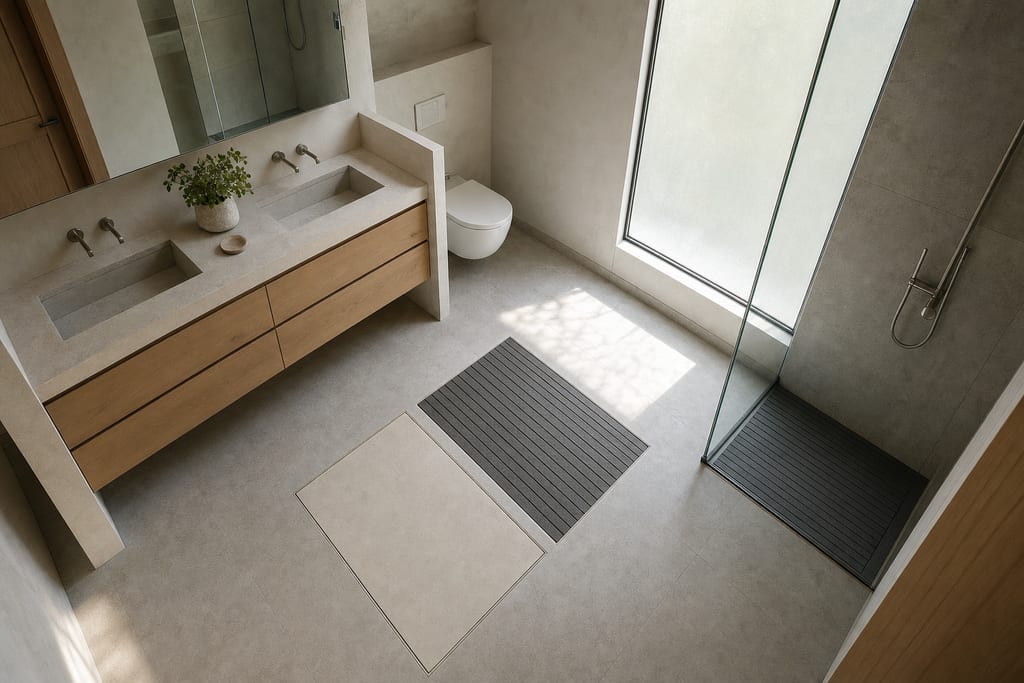

What Is Diatomite Stone and How Does It Absorb Moisture
Beneath the ocean floor, millions of years of fossilised microscopic algae have created one of nature's most effective moisture-absorbing materials. This ancient sediment, called diatomite stone, contains countless tiny pores that pull water from surfaces in seconds and release it back into the air just as fast. Modern homes are now replacing damp fabric mats and mildew-prone rubber with this naturally porous material that keeps floors, counters, and feeding stations dry without any chemical treatments.
What is diatomite stone made of?
Diatomite stone is made from fossilized remains of diatoms, single-celled algae that lived in ancient oceans and lakes millions of years ago. These microscopic organisms left behind silica-based skeletons that compacted over time into the porous sedimentary rock known as diatomite.
How does diatomite absorb moisture so quickly?
Diatomite absorbs moisture instantly through its microscopic porous structure, which contains up to 80-90% empty space and millions of tiny holes per square inch that pull water through capillary action. This natural honeycomb structure allows diatomite to absorb up to 150% of its own weight in water and release it back into the air through evaporation within minutes.
Is diatomite stone safe for bathroom and kitchen use?
Diatomite stone is safe for bathroom and kitchen use as it is a natural, non-toxic material composed primarily of amorphous silica that does not harbor bacteria or mold due to its rapid moisture-wicking properties. The material meets food-grade safety standards and contains no harmful chemicals, making it suitable for direct contact with skin and food preparation areas.
Table of Contents
- From Ocean Floor to Your Home
- The Science Behind Instant Absorption
- Why Stone Outperforms Fabric and Rubber
- Keeping Surfaces Hygienic Without Chemicals
- From Bathroom to Kitchen and Beyond
- Material Safety and Quality Standards
- Natural Materials, Modern Solutions
- Common Questions About Diatomite Stone
From Ocean Floor to Your Home
Millions of years ago, tiny single-celled algae called diatoms lived in oceans and freshwater lakes around the world. These microscopic organisms had something special about them: their cell walls were made of silica, the same material found in glass and sand. When diatoms died, their silica shells sank to the bottom of the water and piled up over time. Layer after layer, year after year, these deposits grew thicker and thicker on ancient lake beds and ocean floors.
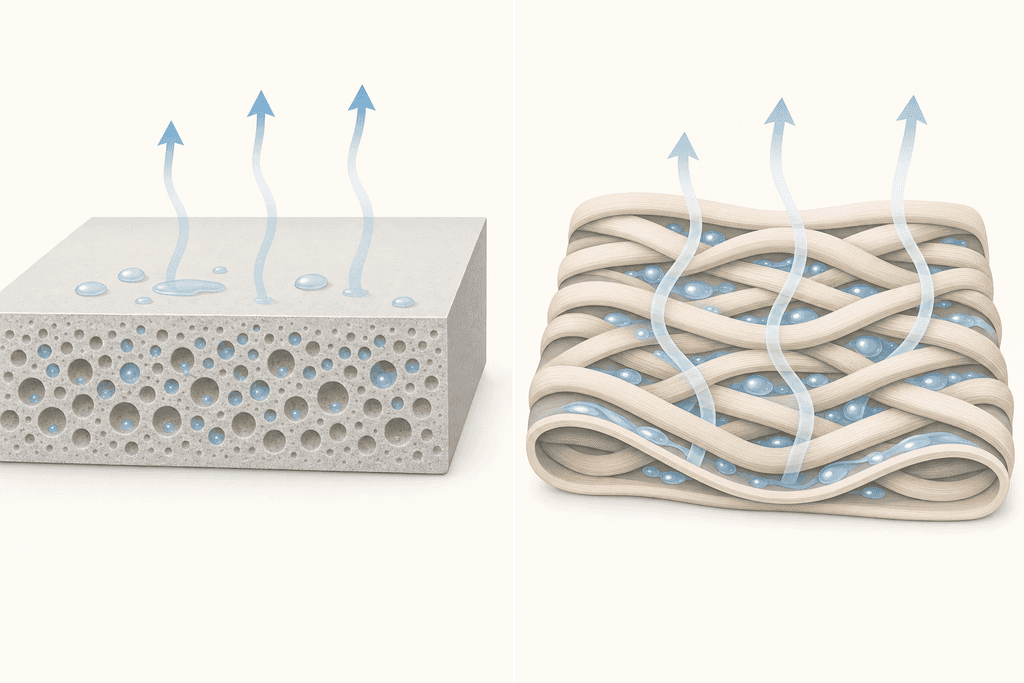
As millions of years passed, the weight of sediment above these diatom deposits compressed them into a chalky, porous rock called diatomaceous earth, or diatomite. The silica shells didn't break down or dissolve. Instead, they stayed intact, creating a material filled with millions of microscopic holes and channels. This natural structure is what makes diatomite stone so good at absorbing water today.
The Journey from Industrial Use to Home Essentials
For decades, diatomite has been used in industrial applications because of its unique properties. Factories have used it for filtering liquids, absorbing spills, and even as an ingredient in products like toothpaste and pool filters. But it wasn't until recently that anyone thought to bring this material into homes as a functional design product.
- Water filtration systems in breweries and swimming pools
- Absorbent materials in industrial spill cleanup
- Mild abrasives in cleaning products and cosmetics
- Insulation materials in construction
The shift to home products happened when designers in Asia started experimenting with diatomite as a bath mat material. They realized that the same properties that made it useful in factories, like rapid water absorption and quick drying, could solve everyday problems in bathrooms and kitchens. The material could replace damp fabric mats that never fully dried and became breeding grounds for mildew.
Diatomite Arrives in Australia
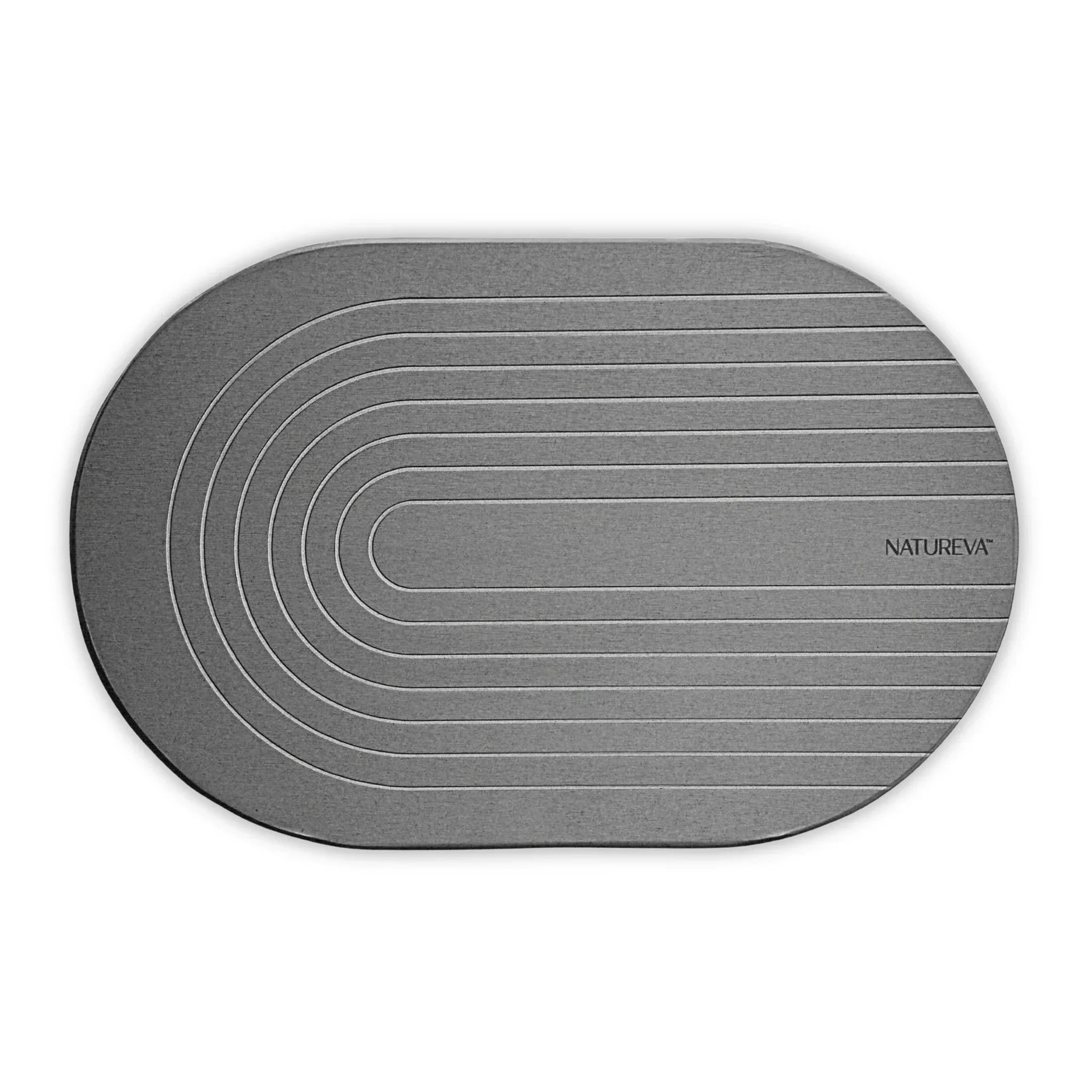
Australia didn't see diatomite home products until 2022, when Natureva introduced the first stone bath mat to the Australian market. Before that, most Australians had never heard of using fossilised algae in their homes. The concept was completely new, even though the material itself had existed for millions of years and been used industrially for decades.
| Time Period | Stage | Key Development |
|---|---|---|
| Millions of years ago | Formation | Diatoms accumulate on ocean floors |
| Over geological time | Compression | Deposits become diatomaceous earth |
| 1900s onwards | Industrial use | Filtration and absorbent applications |
| 2010s | Home products emerge | First bath mats in Asian markets |
| 2022 | Australian introduction | Natureva launches stone bath mats |
Today, diatomite products have expanded beyond bath mats into complete home systems. The same material that filtered beer and cleaned up factory spills now sits beside kitchen sinks and under plant pots, doing what it's always done best: absorbing moisture and drying fast. According to Baptist Health's analysis of stone bath mats, the rapid drying properties of diatomite make it a more hygienic option compared to traditional fabric alternatives that stay damp for hours.
The Science Behind Instant Absorption
Diatomite stone is made from fossilised microscopic algae called diatoms that lived in ancient oceans millions of years ago. When these tiny organisms died, their silica-based skeletons accumulated on the ocean floor and eventually compressed into a mineral-rich sedimentary rock. What makes this material special is its internal structure, which contains millions of microscopic pores per square inch. These pores are so small you can't see them with the naked eye, but they create a massive surface area that pulls water in the moment it makes contact.
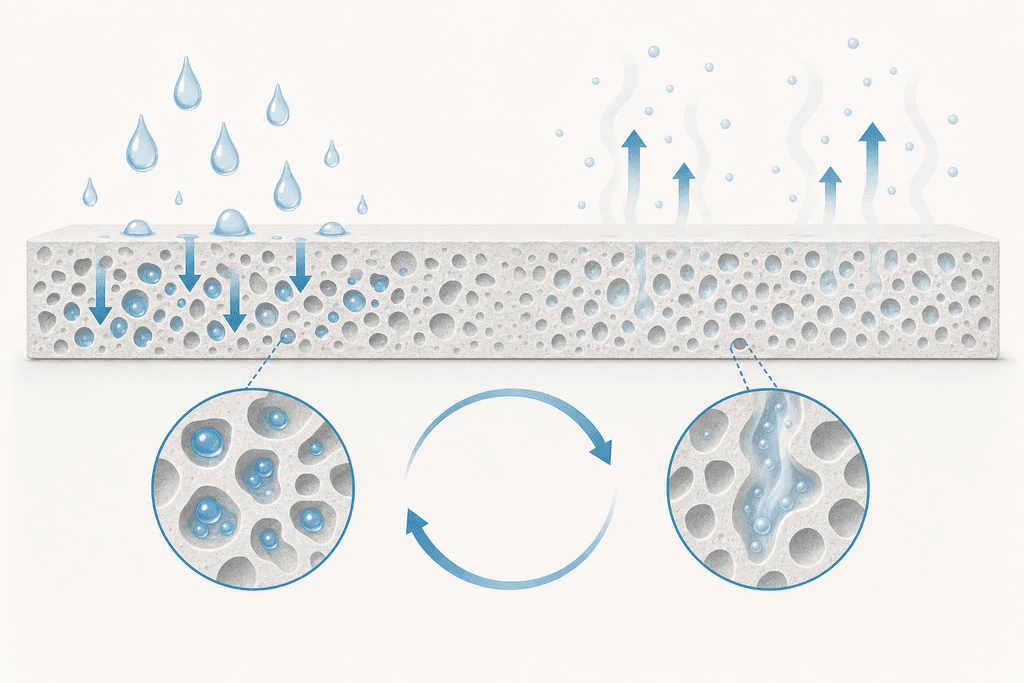
The absorption happens through capillary action, the same force that lets plants draw water up through their roots. When water touches the diatomite surface, it gets pulled into those tiny pores instantly. But here's where it gets interesting: the same porous structure that absorbs water also releases it back into the air through rapid evaporation. This means the stone doesn't just soak up moisture and hold it like a sponge. Instead, it cycles water through its structure, keeping the surface dry without trapping dampness inside.
Key characteristics of diatomite's pore structure:- Pores range from 10 to 200 microns in diameter
- Surface area can exceed 100 square metres per gram of material
- Water absorption happens within seconds of contact
- Full evaporation typically occurs within 5 to 10 minutes
- No chemical treatments needed to maintain performance
This natural cycle is what makes diatomite stone different from conventional materials. The material works without chemicals, coatings, or synthetic treatments because the absorption and evaporation happen purely through the physical structure of the stone itself. You can learn more about how diatomite's microscopic structure enables fast-drying performance in bath mat applications.
Why Stone Outperforms Fabric and Rubber
Most bathroom and kitchen mats use fabric, rubber, or silicone because that's what's always been available. But these materials handle moisture in ways that create problems rather than solve them. Fabric mats trap water in their fibres, which means they stay damp for hours after use. That dampness creates the perfect environment for mould spores to settle and multiply, which is why fabric mats start to smell musty after a few weeks no matter how often you wash them.
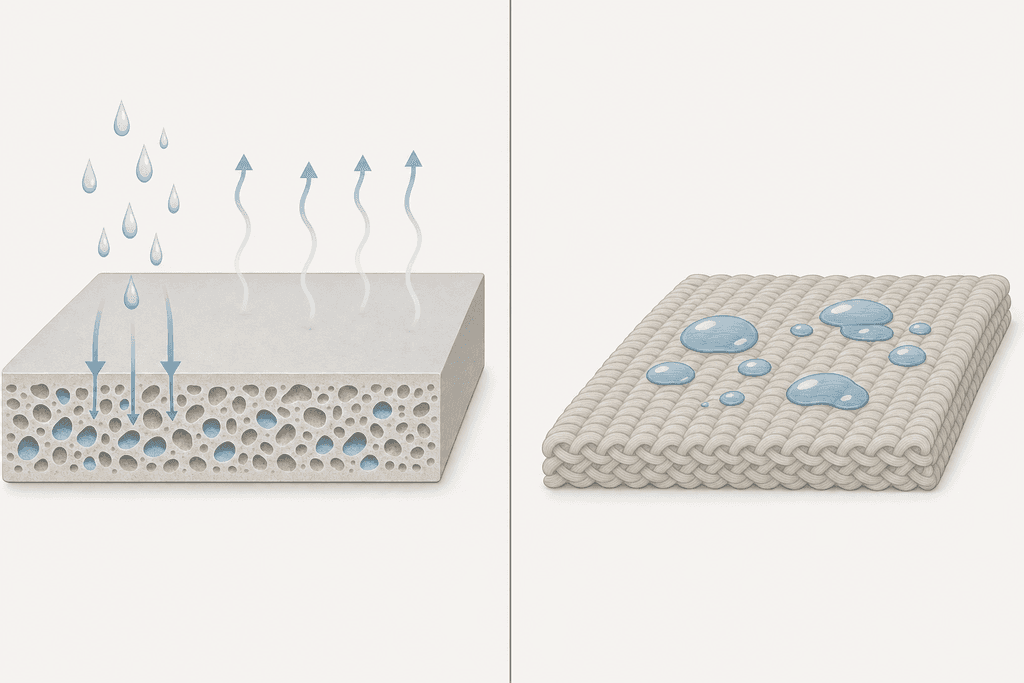
Rubber and silicone mats take a different approach. They repel water instead of absorbing it, which sounds good until you realise the water just pools on the surface with nowhere to go. You step out of the shower onto a rubber mat and your feet are still wet. The water sits there until it slowly evaporates or gets tracked across your floor.
| Material | Water Handling | Drying Time | Maintenance |
|---|---|---|---|
| Fabric | Traps in fibres | 4-8 hours | Weekly washing |
| Rubber/Silicone | Repels, pools | 30-60 minutes | Wipe down |
| Diatomite Stone | Absorbs, evaporates | 5-10 minutes | Monthly wipe |
Diatomite stone solves both problems at once. It absorbs water instantly so your feet feel dry the moment you step on it, and then it releases that moisture into the air within minutes. Our stone bath mats dry completely between uses, which means there's no damp surface sitting in your bathroom collecting mould spores. The stone maintains this performance year after year without degrading the way synthetic materials do. You can read more about what makes stone bath mats different from traditional options in terms of long-term durability.
No washing required to maintain hygiene because the stone stays dry on its own. A quick wipe with vinegar and water once a month keeps it performing like new.
Keeping Surfaces Hygienic Without Chemicals
Mould and mildew need three things to grow: moisture, warmth, and time. Remove any one of those factors and they can't establish themselves. Diatomite eliminates the moisture factor by drying surfaces within minutes, which breaks the cycle before mould spores have a chance to settle and multiply. This is why stone surfaces stay fresh without needing chemical treatments or synthetic coatings that claim to resist bacteria.
The hygiene comes from the drying mechanism itself, not from additives mixed into the material. When a surface dries completely between uses, there's no damp environment for odour-causing bacteria to thrive. This is especially important in bathrooms and kitchens where moisture is constant and conventional materials struggle to stay dry.
How rapid drying creates hygienic surfaces:- Water evaporates within 5 to 10 minutes after contact
- Dry surfaces don't support mould or mildew growth
- No damp fabric smell that develops in traditional mats
- Odour formation requires sustained moisture, which stone prevents
- Simple maintenance with vinegar keeps stone performing optimally
Our stone products stay hygienic through their natural drying cycle rather than through chemical treatments. The material stays clean through rapid moisture evaporation, which is a more reliable long-term solution than coatings that wear off over time. A monthly wipe with warm water and cleaning vinegar is all you need to maintain the surface.
The next generation of home essentials: naturally made, cleaner by design, sustainable by nature.
SHOP ALLFrom Bathroom to Kitchen and Beyond
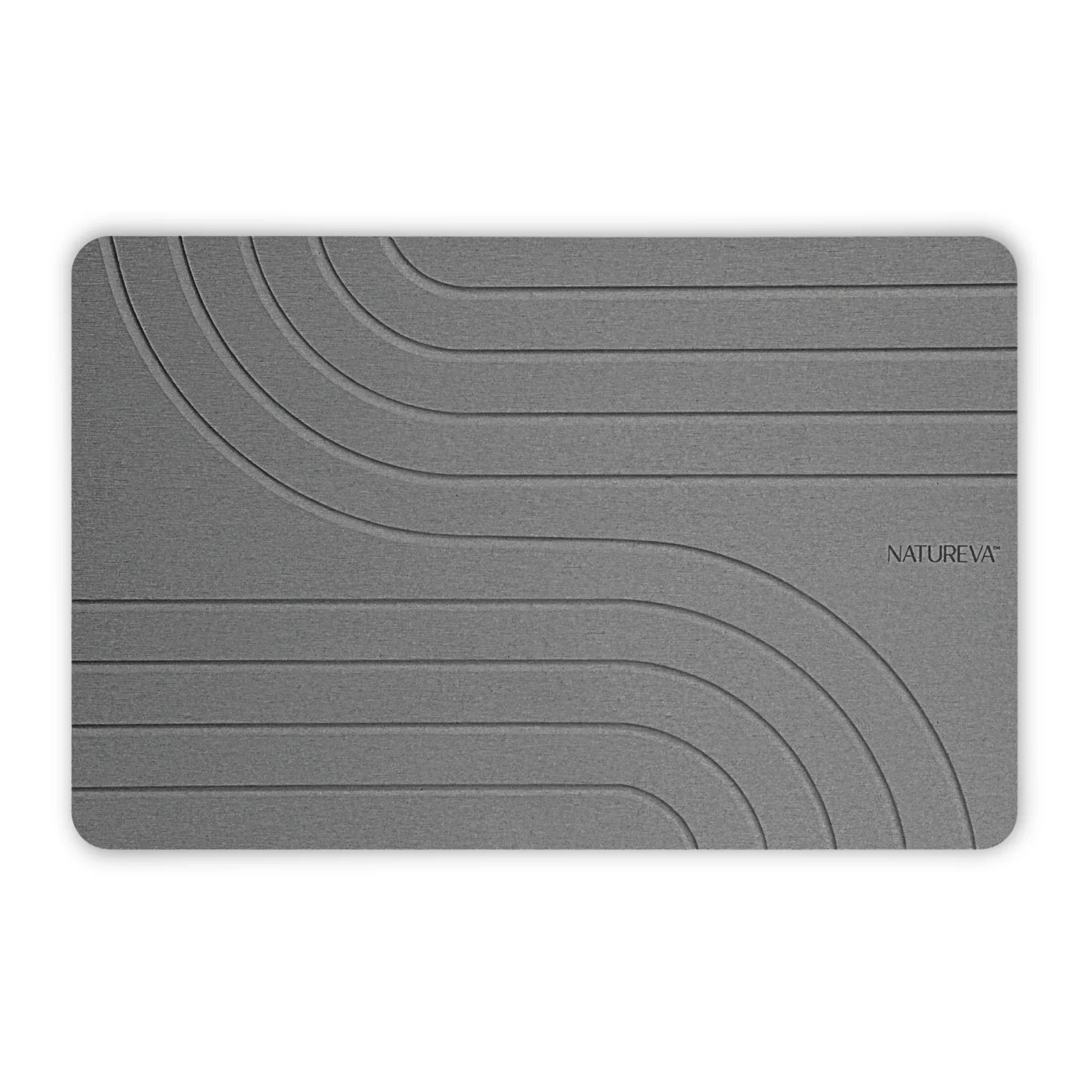
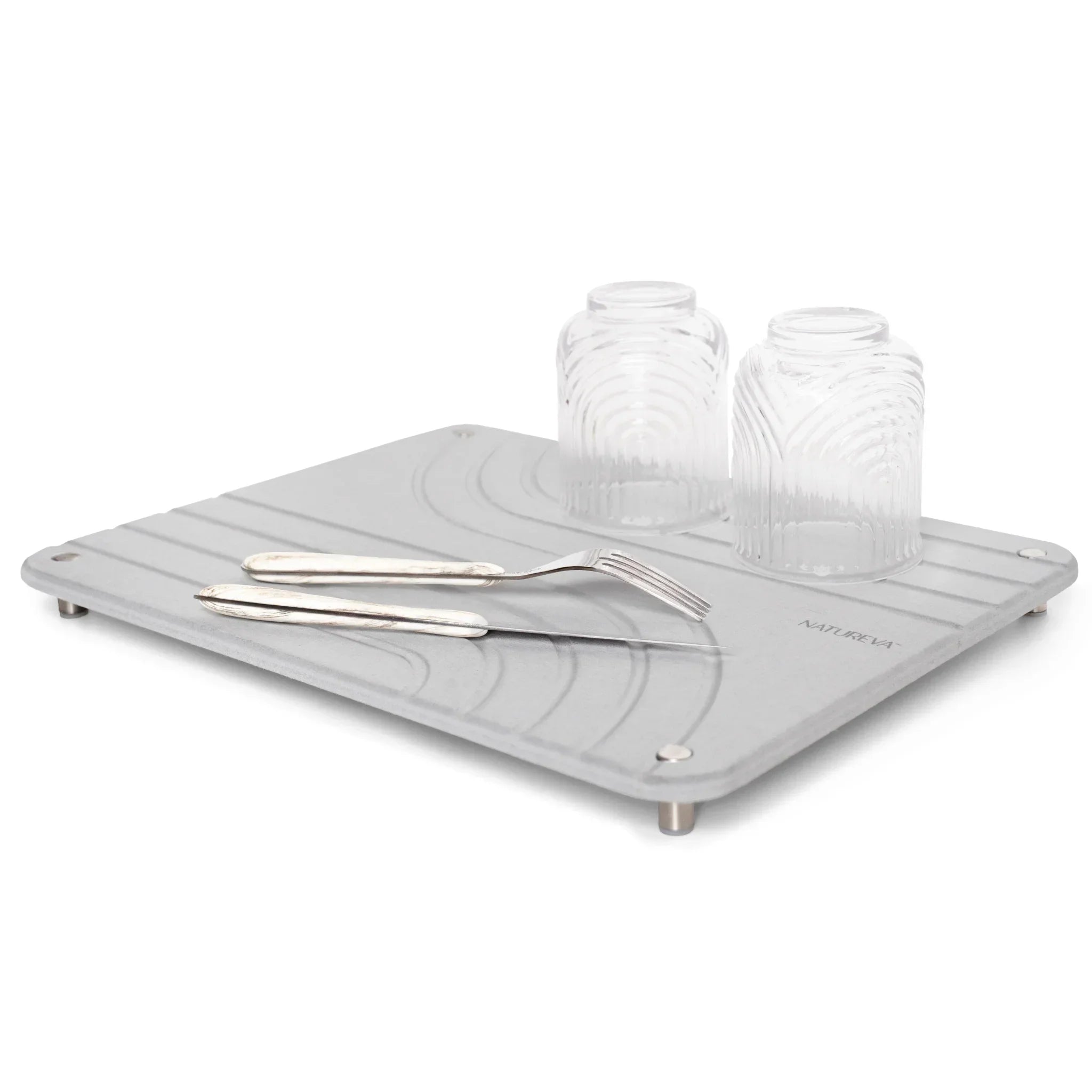
The same properties that make diatomite stone work in bathrooms apply everywhere moisture shows up in your home. Bath mats absorb water immediately after showers and dry within minutes, so you're never stepping onto a damp surface. In the kitchen, dish mats provide a fast-drying platform for clean dishes and glassware without the mildew smell that develops in fabric alternatives.
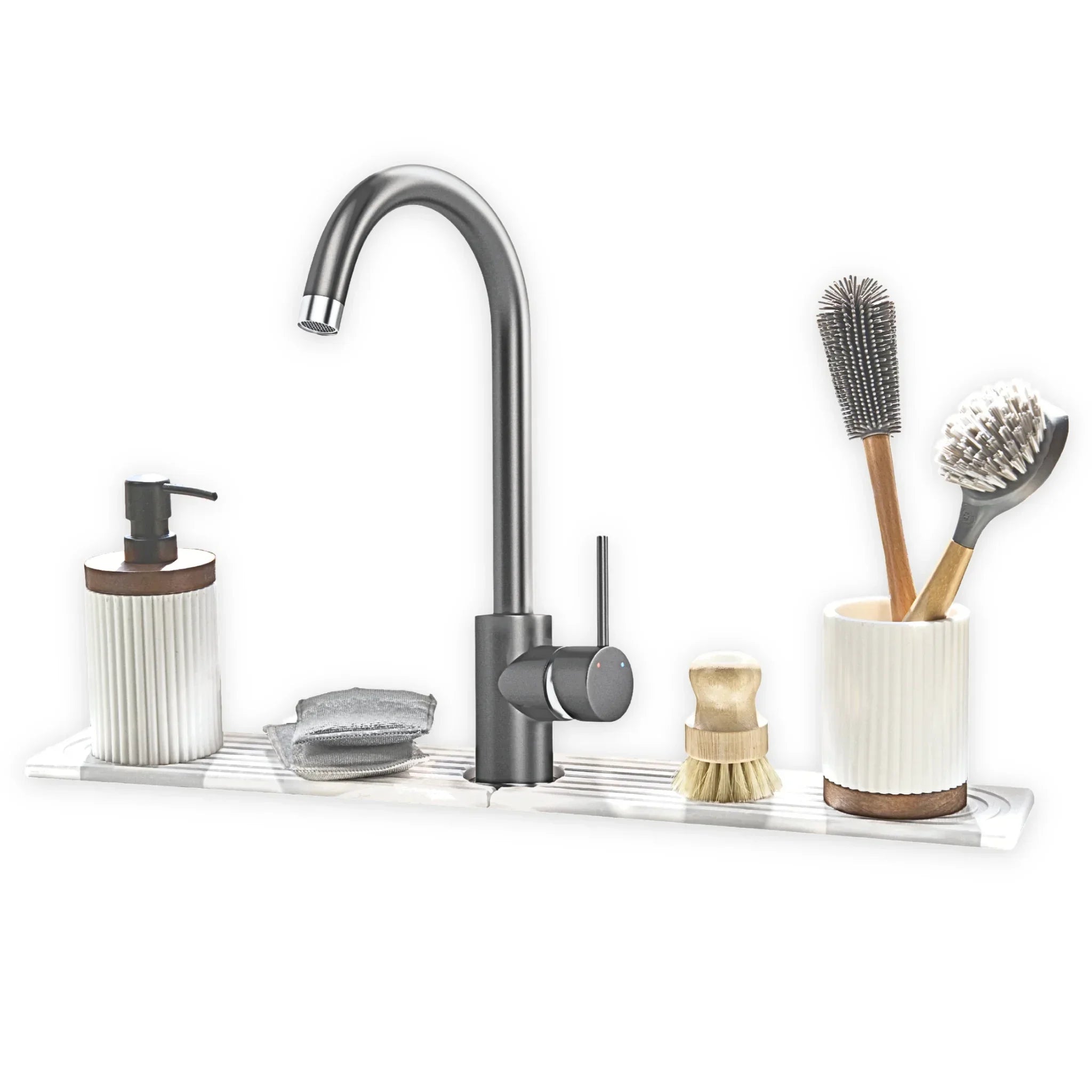
Sink caddies keep soap bottles and sponges dry between uses, which prevents that slimy buildup that happens when these items sit in puddles. Coasters absorb condensation from cold drinks without leaving water rings on your furniture. Plant saucers catch excess water from pots without creating standing puddles that attract gnats.
| Product | Location | Moisture Problem Solved |
|---|---|---|
| Bath Mat | Bathroom | Wet floors after showers |
| Dish Mat | Kitchen | Damp counters from dishes |
| Sink Caddy | Bathroom/Kitchen | Soap bottle drips |
| Pet Mat | Feeding area | Water bowl spills |
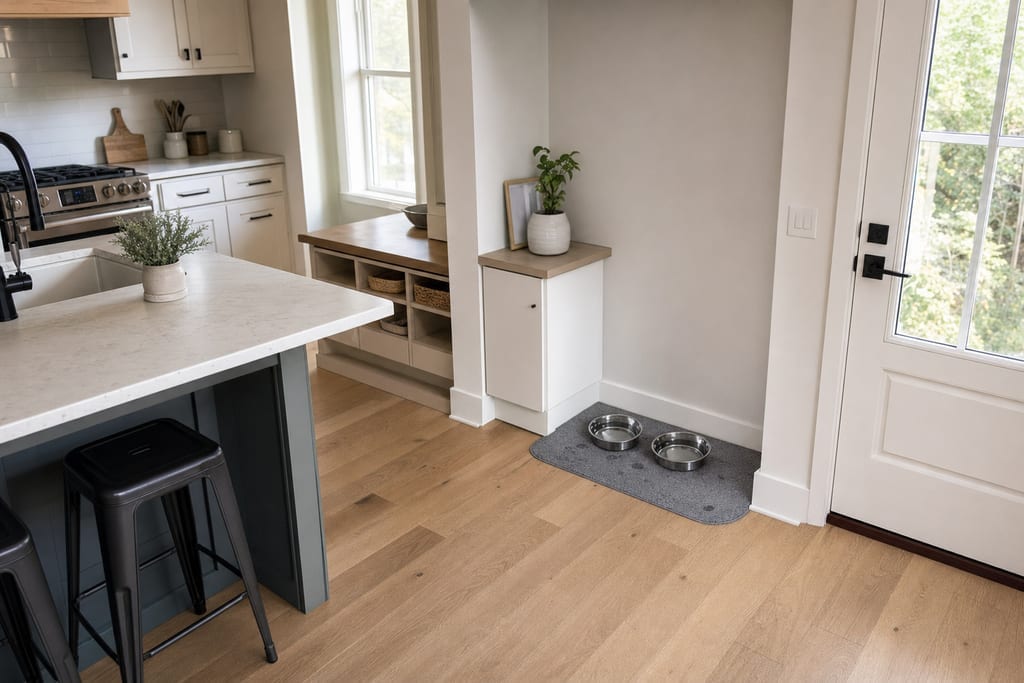
Even pet feeding stations benefit from diatomite's absorption. Water bowl spills get absorbed instantly instead of spreading across your floor, and the mat dries quickly so it doesn't stay damp and attract bacteria. All of our products come in coordinated designs and matching colourways, so you can use the same Graphite, Slate, or Chalk finish throughout your home for a cohesive look.
The versatility comes from the material itself. Diatomite stone manages moisture the same way regardless of where you use it, which is why it works equally well in humid bathrooms, busy kitchens, and anywhere else water shows up. You can explore the complete range of diatomite applications and see how the material adapts to different spaces while maintaining the same fast-drying performance.
Material Safety and Quality Standards
Not all diatomite stone products are created equal, and some have been pulled from shelves due to serious contamination issues. Between 2022 and 2024, multiple diatomite bath mats sold through major retailers were recalled after testing revealed asbestos contamination, a carcinogenic mineral that can cause severe lung disease when inhaled. The problem stems from unverified manufacturing processes where diatomaceous earth is sourced from quarries that may contain naturally occurring asbestos deposits. When these materials aren't properly tested or certified, consumers unknowingly bring hazardous products into their homes.
NATA-accredited laboratory testing is the gold standard for verifying diatomite stone safety in Australia. NATA (National Association of Testing Authorities) is Australia's peak accreditation body for laboratory testing, and products certified through NATA-accredited labs have undergone rigorous analysis to confirm they contain no asbestos fibres. Natureva stone products are tested and certified asbestos-free by a NATA-accredited Australian laboratory, with regular retesting to maintain that standard over time.
NATA-Accredited Certification
Natureva diatomite products are regularly tested by Australian laboratories to verify asbestos-free safety standards.
What Quality Diatomite Should Contain
Pure diatomite stone products are made from just two materials: diatomaceous earth and recycled paper. These components are compressed into a dense, stone-like form without synthetic coatings, chemical treatments, or moisture-trapping finishes. The material stays hygienic through its rapid drying mechanism rather than chemical additives, which means the surface remains breathable and functional over years of use.
- Pure diatomaceous earth from verified, tested sources
- Recycled paper as a binding agent
- No synthetic coatings or chemical sealants
- No pesticide treatments or antimicrobial additives
- Chemical-free construction that relies on material science, not additives
Why Certification Matters for Health Conscious Buyers
Certification provides transparency in a product category where safety concerns are real and documented. When you see NATA-accredited testing credentials, you're looking at third-party verification rather than manufacturer claims. This matters especially for households with young children, older adults, or anyone with respiratory sensitivities who want to know exactly what materials they're bringing into their bathroom or kitchen.
The difference between certified and uncertified diatomite stone isn't just about peace of mind. It's about knowing that the product sitting on your bathroom floor has been independently tested by accredited professionals who follow strict protocols. For more context on how quality diatomite performs in real-world conditions, independent testing shows certified stone bath mats dry fully in under 8 minutes, confirming both safety and performance standards.
Natural Materials, Modern Solutions
Diatomite stone works because of its microscopic pore structure, which absorbs water instantly and releases it back into the air through rapid evaporation. This natural process keeps surfaces dry without chemicals, constant washing, or the damp conditions where mould and mildew develop. The material is made from fossilised algae that lived millions of years ago, compressed into a dense stone-like form that feels solid but stays breathable.
When you compare diatomite stone to fabric, rubber, or silicone alternatives, the difference becomes clear. Fabric mats trap moisture and need frequent washing. Rubber and silicone stay wet on the surface and collect grime in textured grooves. Stone dries in minutes and requires nothing more than a weekly wipe with vinegar and water.
The catch is that not all diatomite products are created equal. Some contain harmful contaminants or use low-quality composites that crack or lose absorbency quickly. That's where NATA-accredited asbestos-free certification matters, especially in a category where safety concerns have led to product recalls. Our stone bath mats are regularly tested by Australian laboratories to maintain that standard, along with matching designs across dish mats, sink caddies, and pet mats so your entire home works together.
If you're tired of damp floors, wet counters, and products that need constant maintenance, diatomite stone solves those problems through material performance rather than extra effort. It's not about changing your habits. It's about choosing better materials that do the work for you.
Common Questions About Diatomite Stone
How long does diatomite take to dry after use?
Diatomite stone absorbs water on contact and typically dries completely within minutes. Most users notice the surface feels dry to the touch within 5 to 10 minutes after stepping off a bath mat or placing wet items on a dish mat. The exact drying time depends on room ventilation and humidity levels, but the porous structure of diatomite stone releases moisture much faster than fabric or rubber alternatives that can stay damp for hours.
Is diatomite stone safe for homes with children and pets?
Yes, diatomite stone is safe for households with children and pets when sourced from verified manufacturers. Natureva stone products are tested and certified asbestos-free by a NATA-accredited Australian laboratory, with regular testing to maintain that standard. The material itself is chemical-free and non-toxic, made from fossilised algae and recycled paper without synthetic coatings. The solid, stable surface also reduces slip risks compared to fabric mats that bunch or slide on wet floors.
How do you maintain and clean diatomite products?
Diatomite stone requires minimal maintenance compared to traditional mats. Wipe the surface weekly with a warm damp cloth and cleaning vinegar to remove any buildup. Avoid using coloured soaps that might stain the porous surface. For stubborn marks, rinse under water or use hydrogen peroxide. If the mat becomes fully saturated from heavy use, simply stand it upright to air dry completely before placing it back on the floor.
What happens if diatomite loses its absorbency over time?
Diatomite stone can lose some absorbency as the microscopic pores become clogged with dust, soap residue, or body oils. This is completely reversible. Every Natureva stone product includes a P320 grit sanding disc designed to reopen the surface pores and restore full absorbency. Light sanding removes the top layer and exposes fresh porous material underneath, bringing the stone back to like-new performance.
How does diatomite compare to traditional bath mats in terms of durability?
Diatomite stone outlasts fabric, rubber, and microfibre mats by years. Traditional bath mats deteriorate from constant washing, develop mildew in damp conditions, and lose their shape or backing over time. Stone mats don't require machine washing, won't harbour mould growth due to rapid drying, and maintain their structural integrity indefinitely. The solid construction means no fraying edges, no rubber degradation, and no need for replacement every few months.
Can diatomite stone be used in humid climates?
Diatomite stone actually performs better in humid environments than conventional alternatives. While fabric and rubber mats struggle to dry in high humidity and become breeding grounds for mildew, diatomite's porous structure continues to absorb and release moisture efficiently even when ambient humidity is high. The material stays hygienic through rapid moisture evaporation rather than relying on airflow alone, making it ideal for bathrooms and kitchens in coastal or tropical regions where dampness is a constant challenge.
The next generation of home essentials: naturally made, cleaner by design, sustainable by nature.
SHOP ALL