

Water Soaking Mats Explained and How to Choose One
Stepping out of the shower onto a damp, cold mat that stays wet for hours is one of those small frustrations that happens every single day. Traditional fabric bath mats trap moisture against your floor, creating puddles, musty smells, and the kind of damp environment where mould loves to grow. A water soaking mat made from diatomite stone solves this by absorbing moisture instantly and drying within minutes, replacing the problem at the material level rather than asking you to change your routine.
How long does it take for a water soaking mat to dry?
Stone-based water soaking mats typically dry within 30 to 60 minutes due to their porous structure that allows rapid evaporation, while fabric mats can take 4 to 6 hours to fully dry.
What material is best for a water soaking bath mat?
Diatomaceous earth stone is the best material for water soaking bath mats because it absorbs up to 150% of its weight in water and dries 10 times faster than cotton or microfiber alternatives.
Where should you place a water soaking mat in the bathroom?
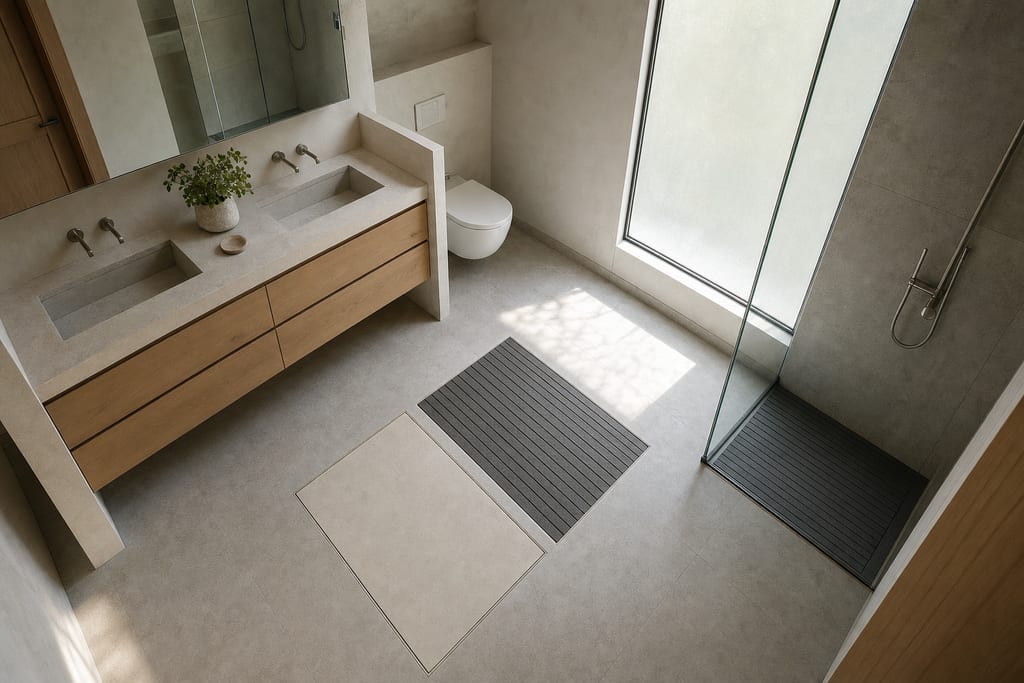
Water soaking mats work best when placed directly outside the shower or bathtub where foot traffic is highest, as they absorb water immediately upon contact and prevent it from spreading across the bathroom floor.
Table of Contents
The Science Behind Water Soaking Mats
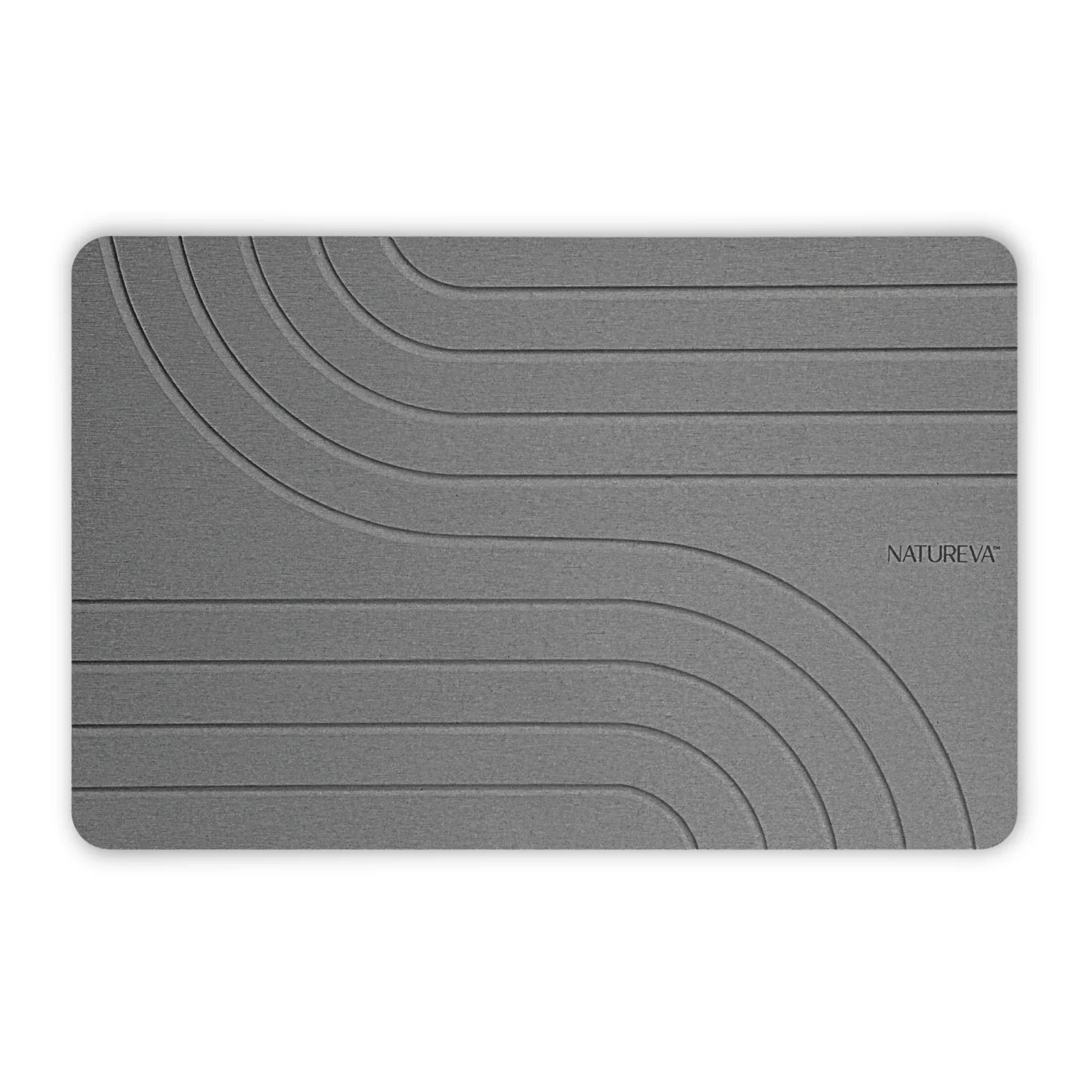
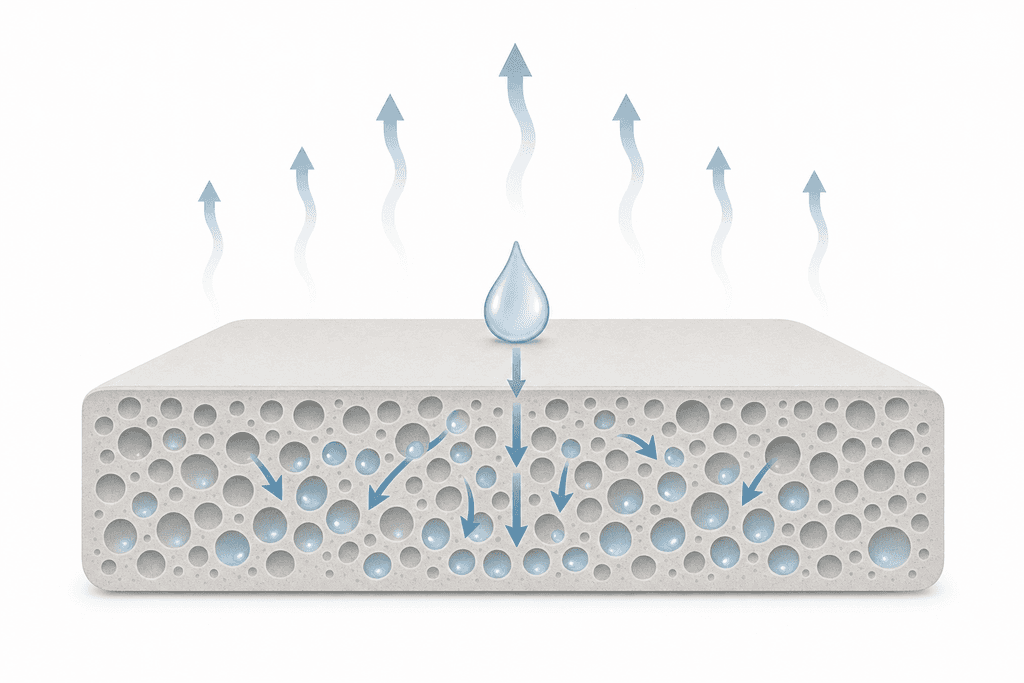
A water soaking mat works completely differently than the fabric bath mat sitting in your bathroom right now. Instead of trapping moisture in fibres that stay damp for hours, these mats use a natural mineral called diatomite that pulls water inside and releases it back into the air almost immediately. The material comes from fossilised diatoms, which are microscopic algae that lived millions of years ago and left behind a porous structure unlike anything synthetic materials can replicate. When you step onto a diatomite surface, the water doesn't sit on top or soak into fabric, it disappears into millions of tiny pores and evaporates within minutes.
How Diatomite Absorbs and Releases Moisture
The secret is in the structure. Each piece of fossilised diatom contains countless microscopic pores that create pathways for water to travel through. This isn't absorption like a sponge that holds onto moisture, it's more like a highway system that moves water from the surface deep into the material where air can pull it away through evaporation. The process happens so fast that most stone mats dry completely in under ten minutes, even in humid bathrooms.
Here's what makes diatomite different from conventional materials:
- Natural porosity created by fossilised algae structures, not manufactured holes or treatments
- Instant surface contact absorption that pulls water away from feet immediately
- Rapid evaporation through airflow around and beneath the mat
- No chemical coatings or synthetic fibres that trap moisture and odour
- Solid stone composite construction that won't bunch, slide, or curl like fabric
Why Natural Materials Stay Cleaner Longer
Fabric mats create the perfect environment for problems because they hold onto water. That dampness becomes a breeding ground for odour and mildew, which is why you're washing them constantly. Stone mats like the ones from Natureva work the opposite way. They stay hygienic by design because moisture doesn't stick around long enough for anything to grow. The surface dries so quickly that there's simply no damp environment left behind.
The material itself needs nothing added to it. No antimicrobial treatments, no chemical sprays, no special coatings. Just pure diatomite mixed with recycled paper, compressed into a dense slab that feels solid underfoot but weighs less than you'd expect. According to recent buyer's guides on water absorbing mats, the shift toward stone-based options reflects growing awareness that faster drying means less maintenance and better hygiene without extra effort.
Comparing Moisture Management Across Materials
Not all water soaking mats handle moisture the same way. The material determines how quickly your floor dries, how often you need to clean the mat, and whether it stays flat and safe underfoot. Here's how the main options stack up:
| Material Type | Drying Time | Maintenance | Lifespan |
|---|---|---|---|
| Diatomite Stone | Under 10 minutes | Wipe weekly | Years |
| Fabric/Cotton | Several hours | Wash weekly | 6-12 months |
| Microfibre | 1-2 hours | Wash bi-weekly | 1-2 years |
| Rubber/Silicone | Surface only | Scrub monthly | 2-3 years |
The difference comes down to whether the material actually manages moisture or just moves it around. Rubber and silicone mats don't absorb anything, they just let water pool on top until it evaporates or drips onto your floor. Fabric options soak it up but then hold onto it, which is why they feel damp and smell musty between washes. Stone pulls water in and releases it through evaporation, which means the surface returns to dry and ready within minutes of use.
Water Soaking Mats vs Traditional Options
Most fabric bath mats stay damp for 4 to 8 hours after a single shower, creating the exact conditions where mould and mildew thrive. That wet surface isn't just unpleasant to step on. It's a maintenance problem that forces you into a cycle of constant washing, drying, and replacing. The material you choose determines how much time you'll spend managing moisture instead of just living your life.
Fabric mats absorb water but trap it inside their fibres, which means they need frequent machine washing to stay fresh. Rubber and silicone mats don't absorb at all, so water pools on top or underneath, creating slip hazards and leaving your floor wet. Stone mats made from diatomite work differently because the material pulls moisture into millions of microscopic pores and releases it back into the air through rapid evaporation.
| Material Type | Drying Time | Maintenance Frequency | Typical Lifespan |
|---|---|---|---|
| Fabric | 4-8 hours | Weekly washing | 6-12 months |
| Rubber/Silicone | Surface only | Weekly scrubbing | 1-2 years |
| Diatomite Stone | Under 10 minutes | Weekly wipe | 3+ years |
The difference shows up in how the mat feels when you step out of the shower the second or third time in a day. Fabric stays soggy. Rubber stays slippery. Stone feels dry because it actually is dry. That's not marketing language, it's material science doing what water absorbent materials are designed to do when they're built from the right composition.
Long-term maintenance tells the real story. A fabric mat needs washing every few days to avoid that damp smell, which means energy, detergent, and time. A stone mat needs a quick wipe with warm water and cleaning vinegar once a week. When absorption slows down after months of use, the included sanding tool reopens the surface pores in about 30 seconds. No replacement needed, no laundry cycle required.
What to Look for When Choosing a Water Soaking Mat
The material composition determines everything about how a water soaking mat performs. Pure diatomite products are brittle and crack easily, so most quality mats use a composite of diatomaceous earth and recycled paper compressed into a dense, stable form. This blend creates a surface that feels solid underfoot while maintaining the porous structure needed for instant absorption. Avoid mats with synthetic coatings or moisture-trapping finishes because those block the very mechanism that makes the material work.
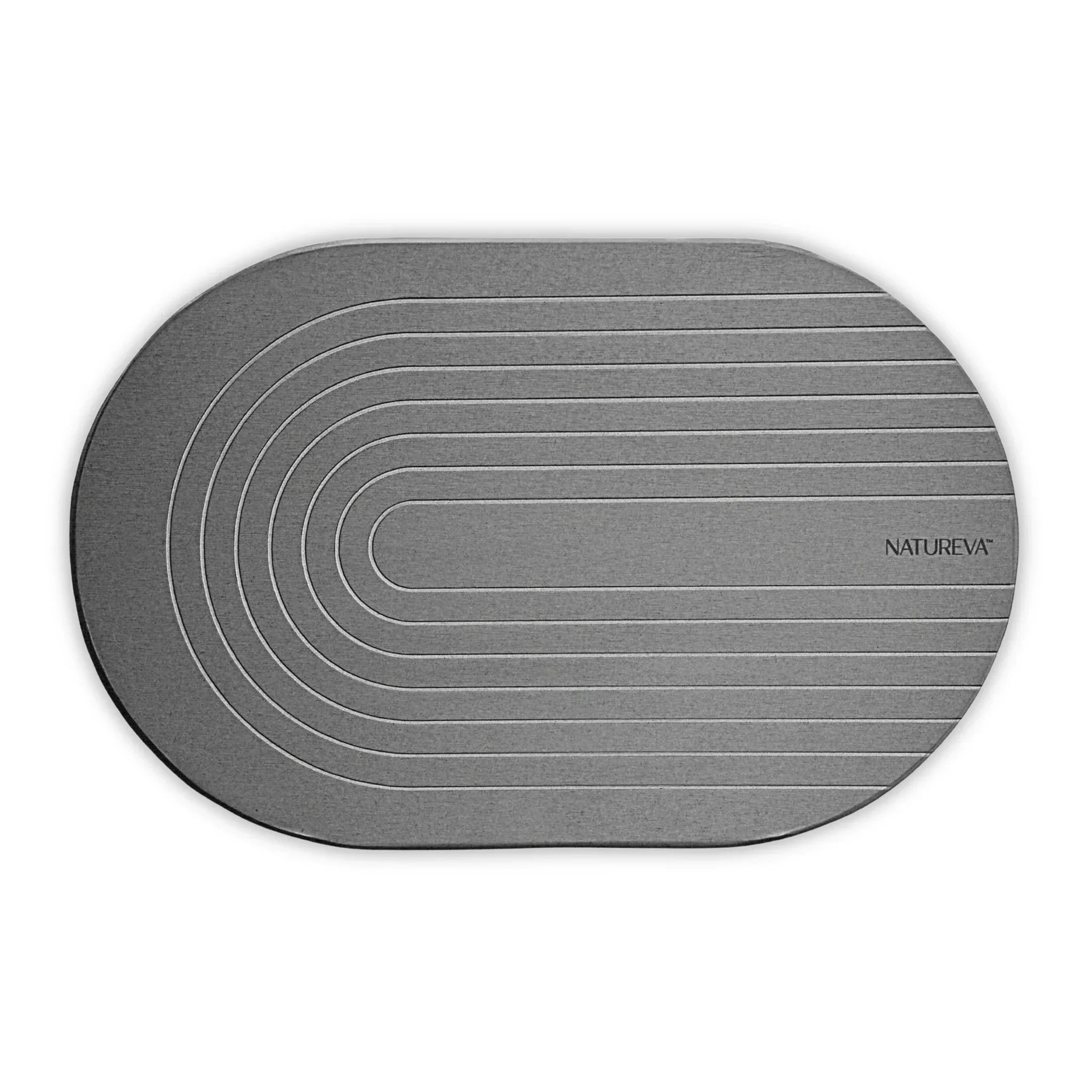
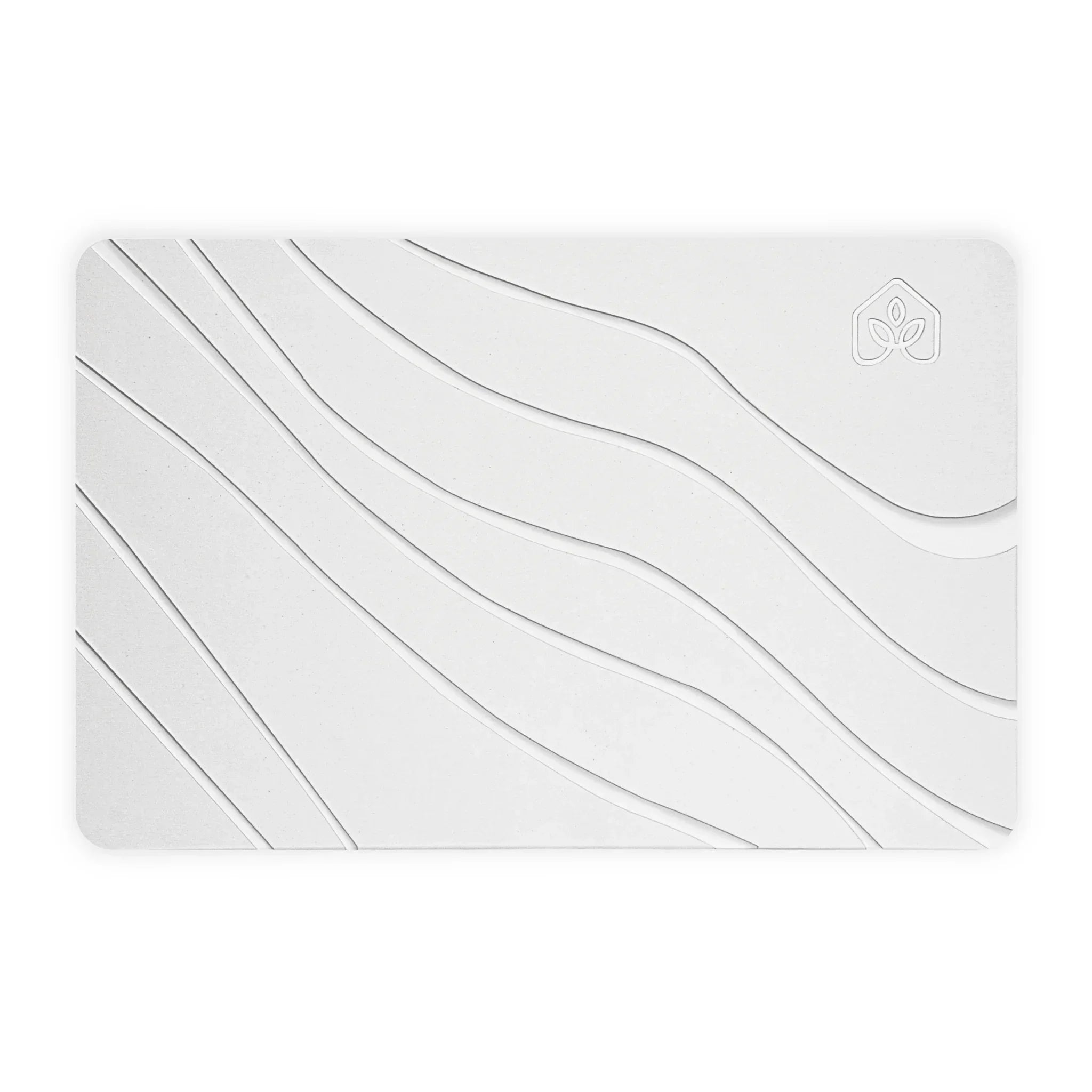
Size matters more than you'd think. A mat that's too small leaves wet footprints on your floor. A mat that's too large overwhelms the space and looks awkward in compact bathrooms. Standard rectangular mats measure around 60 × 39 cm, which fits most shower and tub configurations without blocking cabinet doors or toilet access.
- Thickness impacts stability: Mats around 0.9 cm thick feel solid and won't flex or wobble when you step on them
- Weight indicates density: A quality bath mat weighs approximately 1.8 kg, heavy enough to stay in place but light enough to move for cleaning
- Non-slip base pads are essential: These prevent the mat from sliding on wet tile and protect your floor from scratches
- Included sanding tools restore performance: A P320 grit disc should come with every stone mat to reopen pores when needed
Safety certifications separate verified products from questionable imports. Diatomite products have faced recalls due to asbestos contamination from unverified sources, which is why NATA-accredited laboratory testing matters in this category. NATA is Australia's peak accreditation body for laboratory testing, and certification from a NATA-accredited lab confirms the product has been independently verified as asbestos-free. Our stone bath mats carry this certification and are regularly tested to maintain that standard.
Surface design affects both how the mat looks in your bathroom and how water moves across it. Engraved patterns like horizontal contours, diagonal waves, or vertical line segments create visual interest while channeling moisture into the stone's porous structure. The pattern shouldn't be purely decorative. It should guide water along engineered paths that maximize contact with the absorbent surface.
Check what's included in the box before you buy. A complete package should contain the mat itself, a full non-slip base pad that covers the entire underside, and a restoration sanding tool. If those accessories aren't included, you'll need to source them separately, which adds cost and hassle. For more detailed guidance, this article on five diatomite bath mat features to check before buying covers the technical specifications worth verifying.
Where Water Soaking Mats Work Best in Your Home
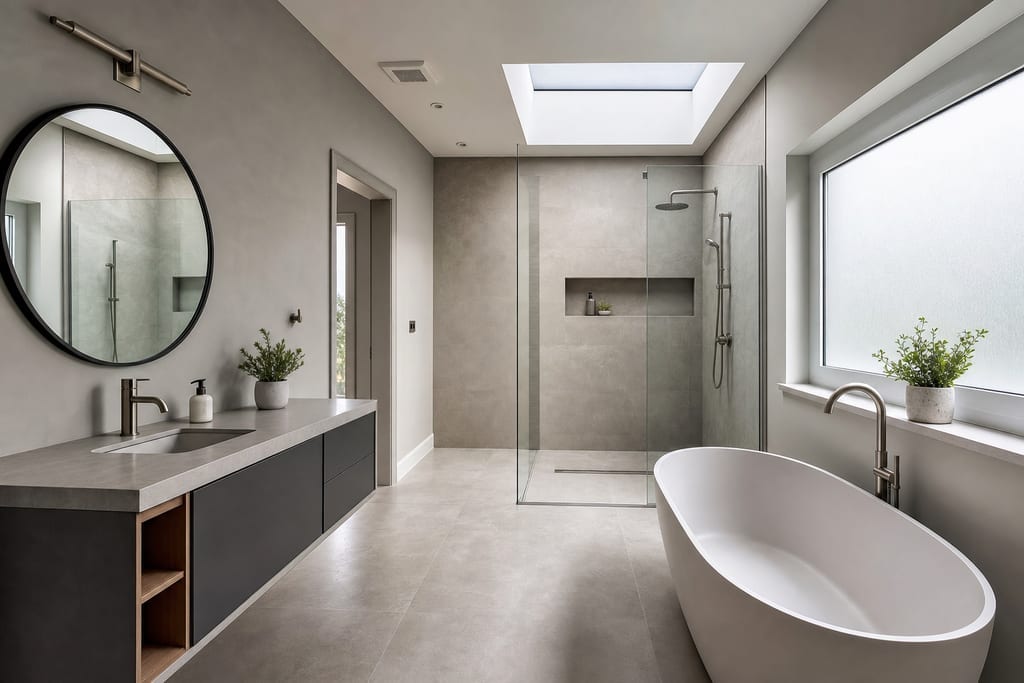
Bathroom floors are the obvious application, but they're just the starting point. The same material science that keeps your feet dry after a shower works anywhere moisture accumulates and creates mess. The key is matching the product format to the specific problem you're trying to solve, whether that's standing water, dripping bottles, or pet bowl spills.
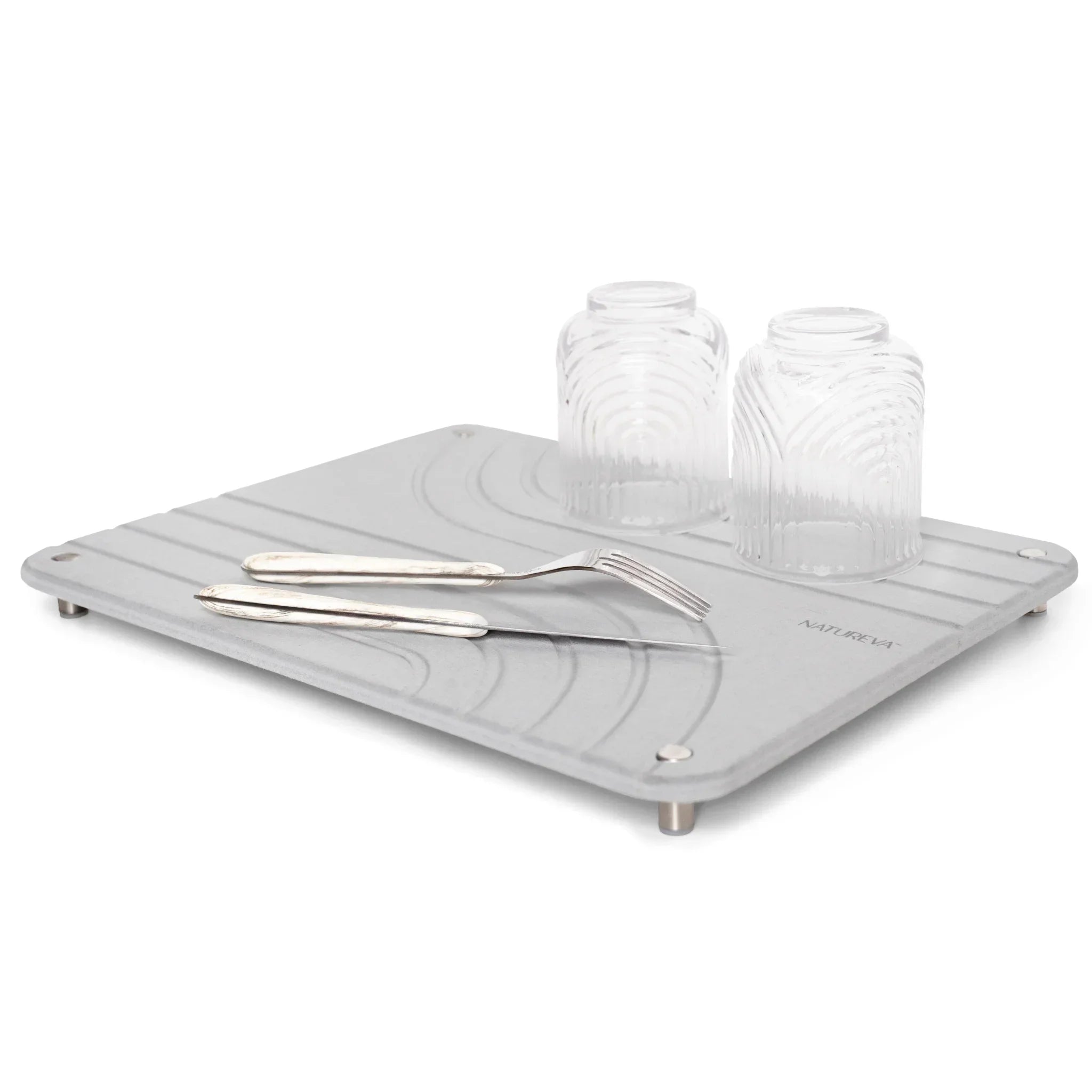
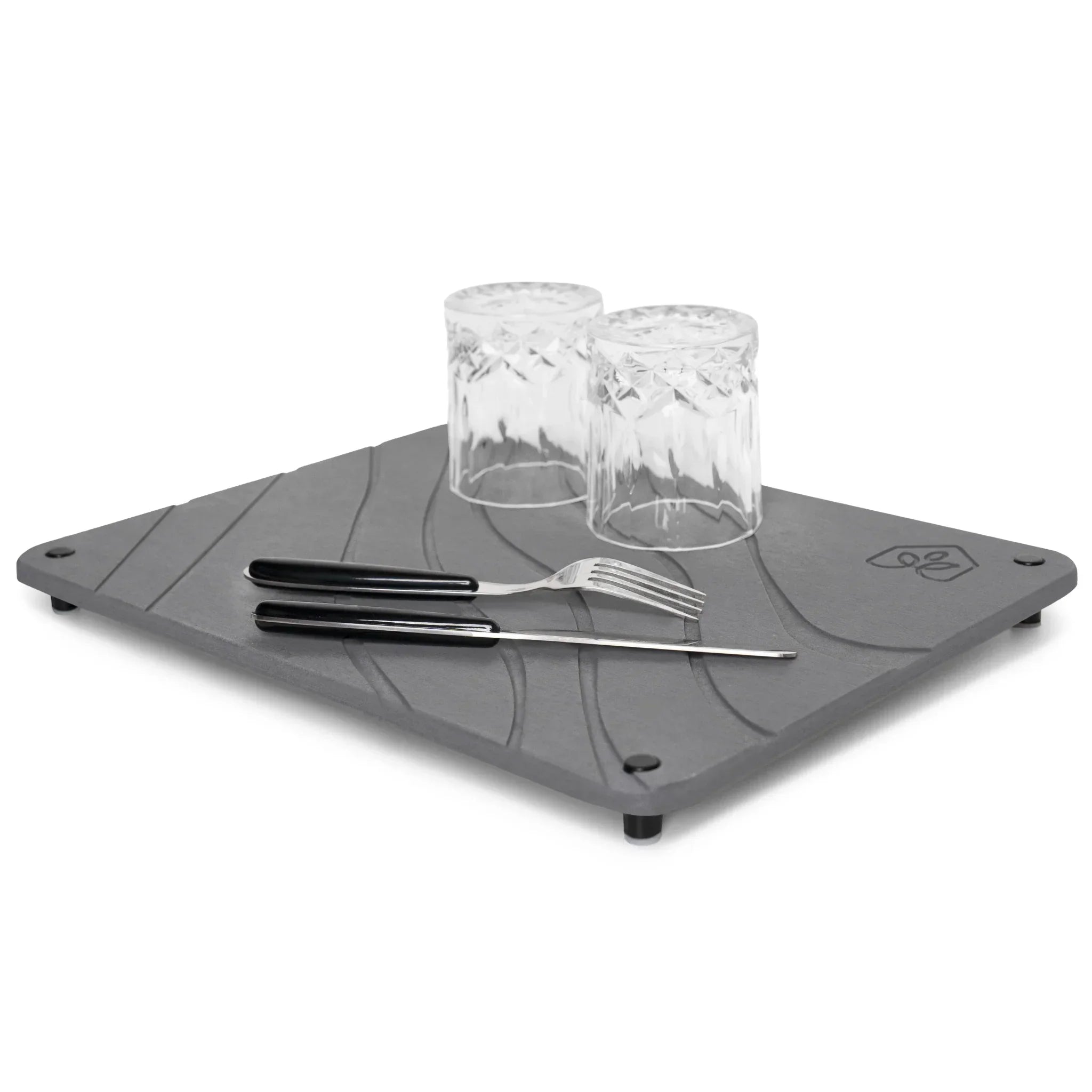
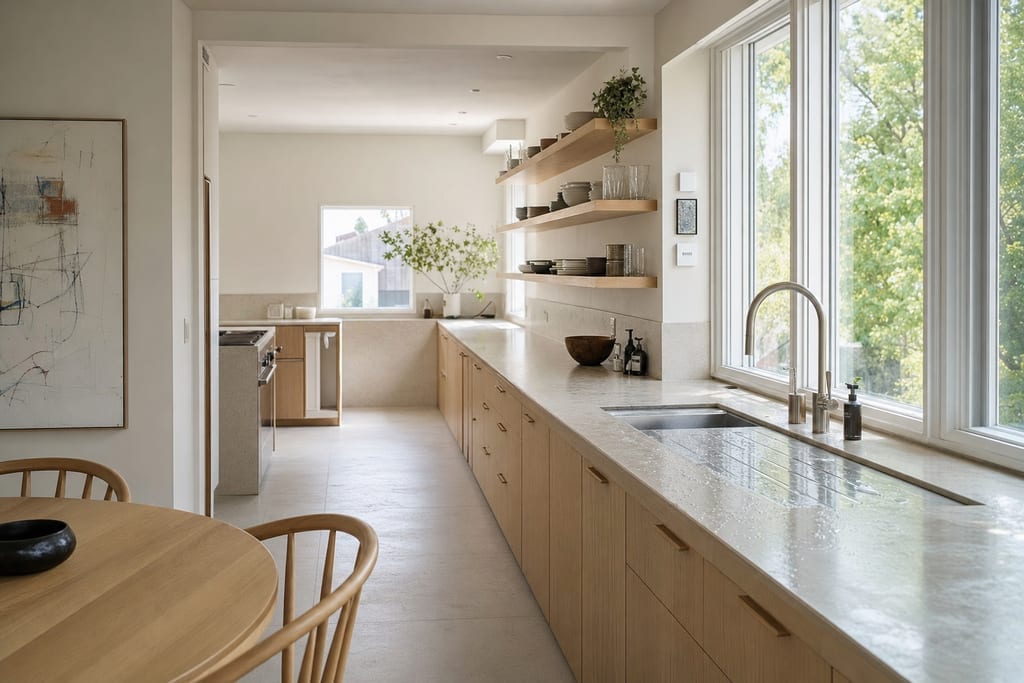
Kitchen sink areas benefit from elevated dish mats and sink caddies that sit 2.5 cm above the counter on stainless steel legs. This airflow underneath prevents moisture saturation and protects your benchtop from water damage. Our stone dish mat measures 39.5 × 29.5 cm and replaces those fabric drying mats that stay damp for hours and develop that sour smell.
- Bathroom floors absorb water instantly after showers, eliminating damp footprints
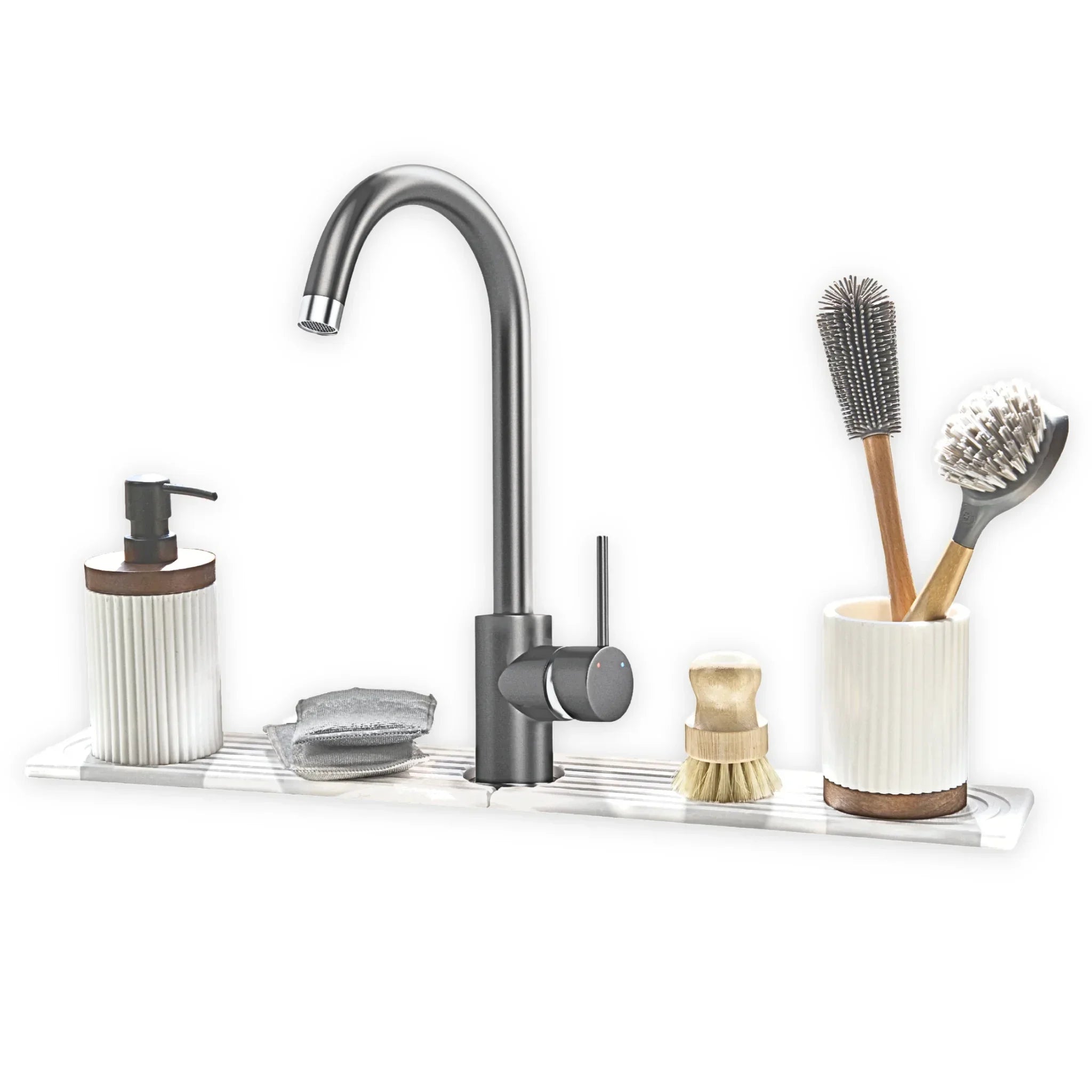
- Faucet areas stay dry with slim 60 × 10 cm mats that fit behind taps
- Kitchen counters benefit from compact 25 × 10 cm sink caddies for sponges and soap bottles
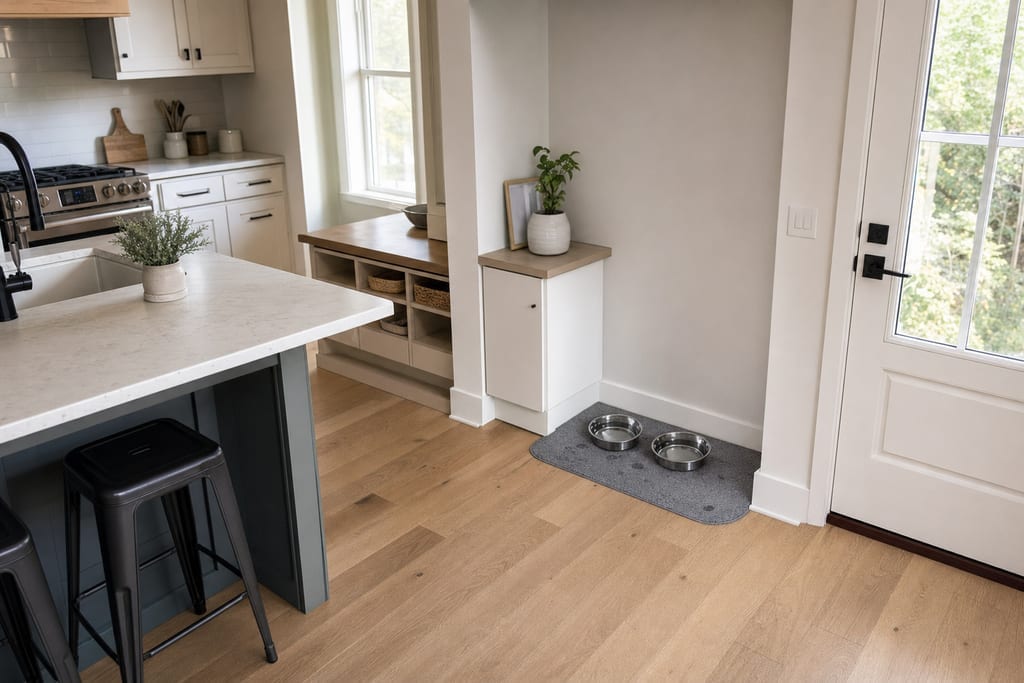
- Pet feeding stations contain water bowl spills with dual-zone mats designed for food and water bowls
- Plant care areas use shallow saucers that absorb excess watering without damaging furniture
The next generation of home essentials: naturally made, cleaner by design, sustainable by nature.
SHOP ALLPet feeding stations are a mess zone most people just accept as unavoidable. Water bowls splash, dogs drool, and that puddle sits there until you notice it and wipe it up. A stone pet mat with engraved feeding zones absorbs those spills on contact, so your floor stays dry and you're not constantly reaching for paper towels.
Plant saucers solve a specific problem for anyone who's ever overwatered a potted plant and watched the excess seep onto a wooden surface. Traditional plastic saucers catch the water but don't absorb it, so it just sits there creating moisture damage. Stone saucers pull that excess water into the material and release it through evaporation, protecting your furniture while keeping the plant's roots from sitting in standing water.
The real advantage shows up when you use coordinated designs across multiple rooms. A bath mat in Graphite with diagonal wave engraving pairs visually with a matching dish mat in the kitchen and a faucet mat in the same pattern. That consistency creates a cohesive look that feels intentional rather than random, especially in open-plan homes where the bathroom and kitchen are visible from shared living spaces.
Why Stone Outperforms Fabric and Rubber
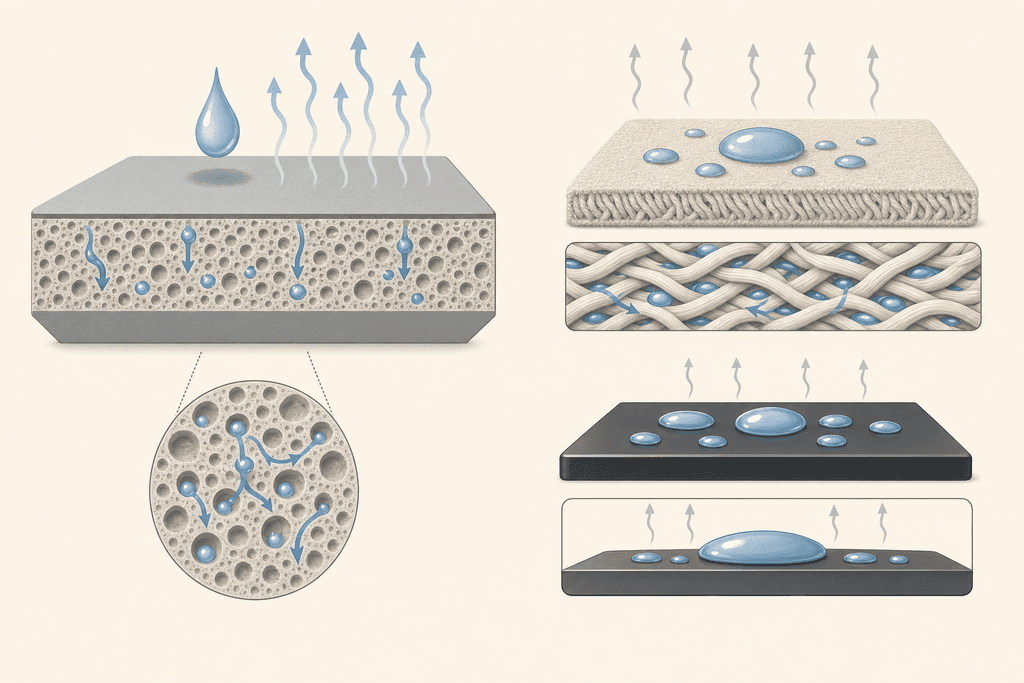
The material you choose for a water soaking mat determines how long moisture sits on your floor, and that timing changes everything. Fabric mats hold water in their fibres for hours, creating damp conditions where mould spores settle and multiply. Rubber and silicone mats don't absorb at all, they just trap puddles on top until you wipe them down or wait for slow evaporation. Stone mats made from diatomite pull water into millions of microscopic pores and release it back into the air within minutes, leaving the surface dry and ready for the next use.
Drying Speed Controls Hygiene
Mould and mildew need one thing to grow: moisture that sticks around. A fabric bath mat can stay damp for 6 to 12 hours after a single shower, especially in bathrooms with poor ventilation. That's half a day of ideal conditions for bacteria and odour to develop. Stone surfaces dry in under 10 minutes, which means the window for microbial growth barely opens.
- Fabric mats require washing every 3 to 7 days to stay fresh
- Rubber mats need manual drying or they pool water underneath
- Stone mats stay hygienic through rapid evaporation, not chemicals
- Faster drying reduces the conditions where mould and mildew develop
Maintenance Effort Adds Up
Fabric mats create an ongoing laundry cycle that stone eliminates entirely. You're washing, drying, and replacing fabric mats multiple times per month. Rubber mats don't need washing, but they do need regular wiping to prevent slime buildup in the textured surface. Stone mats need a quick wipe with vinegar once a week and occasional sanding to refresh absorbency.
| Material | Drying Time | Weekly Maintenance | Lifespan |
|---|---|---|---|
| Fabric | 6-12 hours | 2-3 washes | 6-12 months |
| Rubber/Silicone | Surface only | Manual wipe down | 1-2 years |
| Stone (Diatomite) | Under 10 minutes | One vinegar wipe | 3+ years |
Pros and Cons Breakdown
Fabric mats feel soft underfoot and come in endless colours, but they trap moisture for hours, need constant washing, and lose absorbency as fibres wear down. They also bunch, slide, and curl when wet, which creates a trip hazard.
- Pros: Soft texture, wide design variety, low upfront cost
- Cons: Stays damp for hours, requires frequent washing, harbours odour and mould, slides when wet
Rubber and silicone mats resist water and provide grip, but they don't absorb anything. Water pools on top, and the textured surface traps soap scum and grime in grooves that are hard to clean. Over time, the material degrades and starts to smell.
- Pros: Water-resistant, non-slip grip, easy to rinse
- Cons: No absorption, water pools on surface, traps grime in texture, degrades and smells over time
Stone mats absorb water instantly and dry within minutes, which keeps the surface clean through rapid moisture evaporation rather than chemical treatments. The solid slab design won't bunch or slide, and the material lasts for years with minimal care. Our Natureva stone bath mats use diatomite composite that's been tested and certified asbestos-free by a NATA-accredited lab, so you know exactly what you're standing on. The initial investment is higher, but the reduction in laundry cycles and replacement costs makes it a better long-term choice.
- Pros: Instant absorption, dries in minutes, hygienic by design, stable and non-bunching, long lifespan
- Cons: Higher upfront cost, heavier than fabric, requires occasional sanding for maintenance
The right water soaking mat isn't just about soaking up spills. It's about how fast that moisture disappears and how much effort you're willing to put into keeping it clean. Stone wins on both counts.
Choosing Materials That Work for You
A water soaking mat works because of what it's made from, not because you remember to clean it more often. The right material absorbs water instantly and releases it back into the air through rapid evaporation, which means your floors stay dry without you doing anything extra. This is why stone mats made from diatomite outperform fabric, rubber, and silicone options that trap moisture and create damp environments where mould develops. Better materials solve problems better than better habits.
When you're choosing a water soaking mat, look for three things: certified materials that have been tested for safety, proper thickness around 0.9 cm for durability, and included maintenance tools like a sanding disc. These features determine how well the mat performs and how long it lasts. Our stone bath mats include a P320 grit sanding tool with every purchase to restore absorbency when needed.
The same material that works in your bathroom also handles moisture in your kitchen and around pet feeding stations. You can match designs and colours across different rooms, so everything looks intentional instead of random. Stone dish mats and pet mats use the same diatomite composite as bath mats, just shaped for different spaces.
The questions below cover the most common things people ask when they're comparing options and trying to figure out what actually matters.
Common Questions About Water Soaking Mats
How long does a water soaking mat take to dry?
A quality diatomite water soaking mat typically dries within 5 to 10 minutes after use. The surface feels dry to the touch almost immediately because the water gets pulled into the porous stone structure, then evaporates through natural airflow. Independent testing of Natureva's Stone Bath Mat confirmed it dried completely in under 8 minutes, which means no standing water and no damp surface left behind.
Do water soaking mats need special cleaning?
Stone mats need minimal maintenance compared to fabric alternatives. A quick wipe with a warm damp cloth and cleaning vinegar once a week keeps them fresh. You don't need to throw them in the washing machine or wait for them to dry on a rack. If you notice any staining from soap residue or hard water, a rinse under the tap or light sanding with the included tool brings them back to new.
Are diatomite mats safe and certified?
Safety depends entirely on where the mat comes from and whether it's been tested. Natureva stone products are certified asbestos-free by a NATA-accredited Australian laboratory, with regular testing to maintain that standard. NATA is Australia's peak accreditation body for laboratory testing, so this certification matters when choosing a water soaking mat. Many diatomite products from unverified sources have faced recalls due to contamination concerns, so always check for independent certification.
What happens when the mat stops absorbing water?
When a stone mat feels less absorbent, it usually means the surface pores have become clogged with soap residue, oils, or mineral deposits. This doesn't mean the mat is worn out. A light sanding with the included restoration tool reopens those microscopic pores and brings back full absorption. Most users only need to do this every few months depending on water hardness and soap use.
Can you use water soaking mats on heated floors?
Yes, diatomite stone mats work well on heated floors. The material is heat-resistant and won't warp or degrade from underfloor heating. The warmth can actually help speed up evaporation, making the mat dry even faster after use. Just make sure the non-slip base pad is in place to protect both the mat and your floor surface.
How do stone mats compare to microfibre options?
Microfibre mats absorb water but trap it in the fabric, which means they stay damp for hours and need frequent washing to avoid odour and mildew buildup. Stone mats absorb water and release it back into the air through evaporation, so they dry within minutes and stay hygienic by design. You're not dealing with a soggy mat that needs to be hung up or thrown in the laundry after every shower. The stone surface also provides a stable, non-slip platform that doesn't bunch, curl, or slide around on wet floors the way fabric options do.
The next generation of home essentials: naturally made, cleaner by design, sustainable by nature.
SHOP ALL