
What Stone Bath Mats Do for Shared Showers
Stepping out of a warm shower onto a cold, soggy bath mat is one of those small annoyances that somehow ruins the whole experience, especially when you share a bathroom with roommates or family. Traditional fabric mats just can't keep up when multiple people shower back-to-back, staying damp for hours and creating the perfect breeding ground for bacteria and mold. A stone bath mat changes everything by drying completely within seconds between users, which is exactly why our Natureva Stone Bath Mat works so well in shared spaces.
Table of Contents
Why Shared Bathrooms Are Different
A bathroom shared by roommates, family members, or dorm residents sees about 4-8 times more foot traffic than a private bathroom. Each person who steps out of the shower adds more water to the floor, and that moisture doesn't get a chance to dry before the next person uses it. This creates a cycle where the bathroom floor stays damp for hours, sometimes all day long. Traditional fabric bath mats in these spaces become breeding grounds for things you definitely don't want near your bare feet.
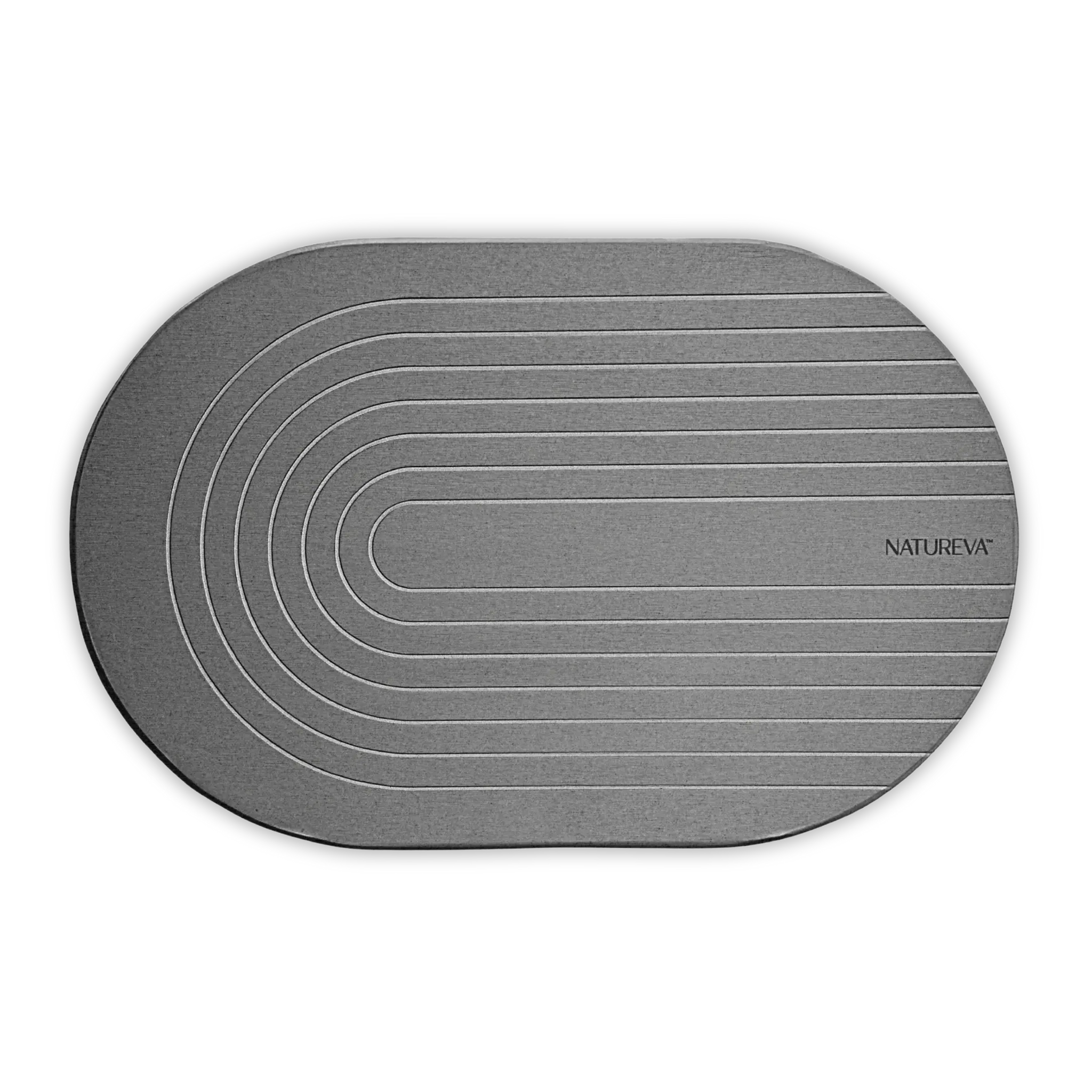
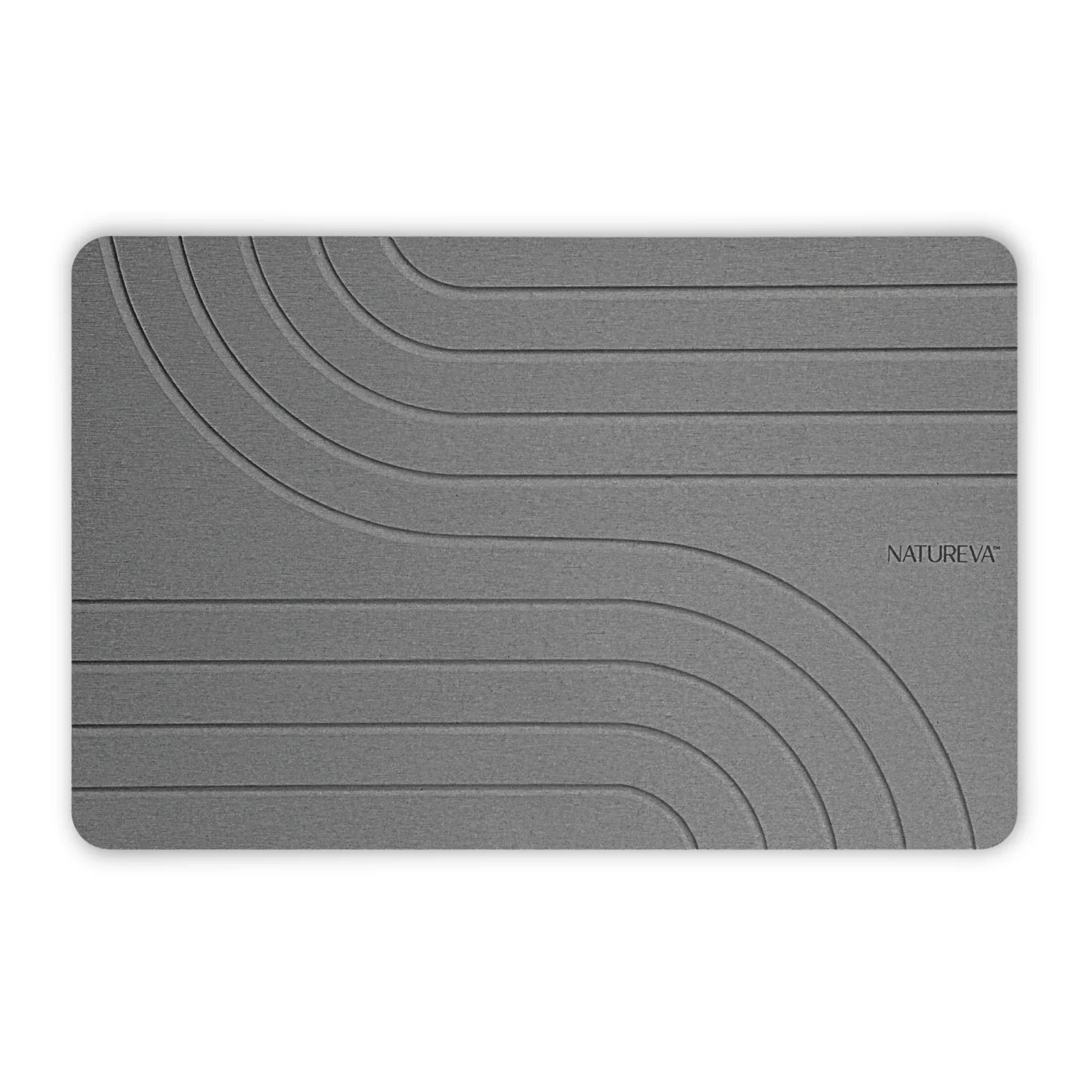
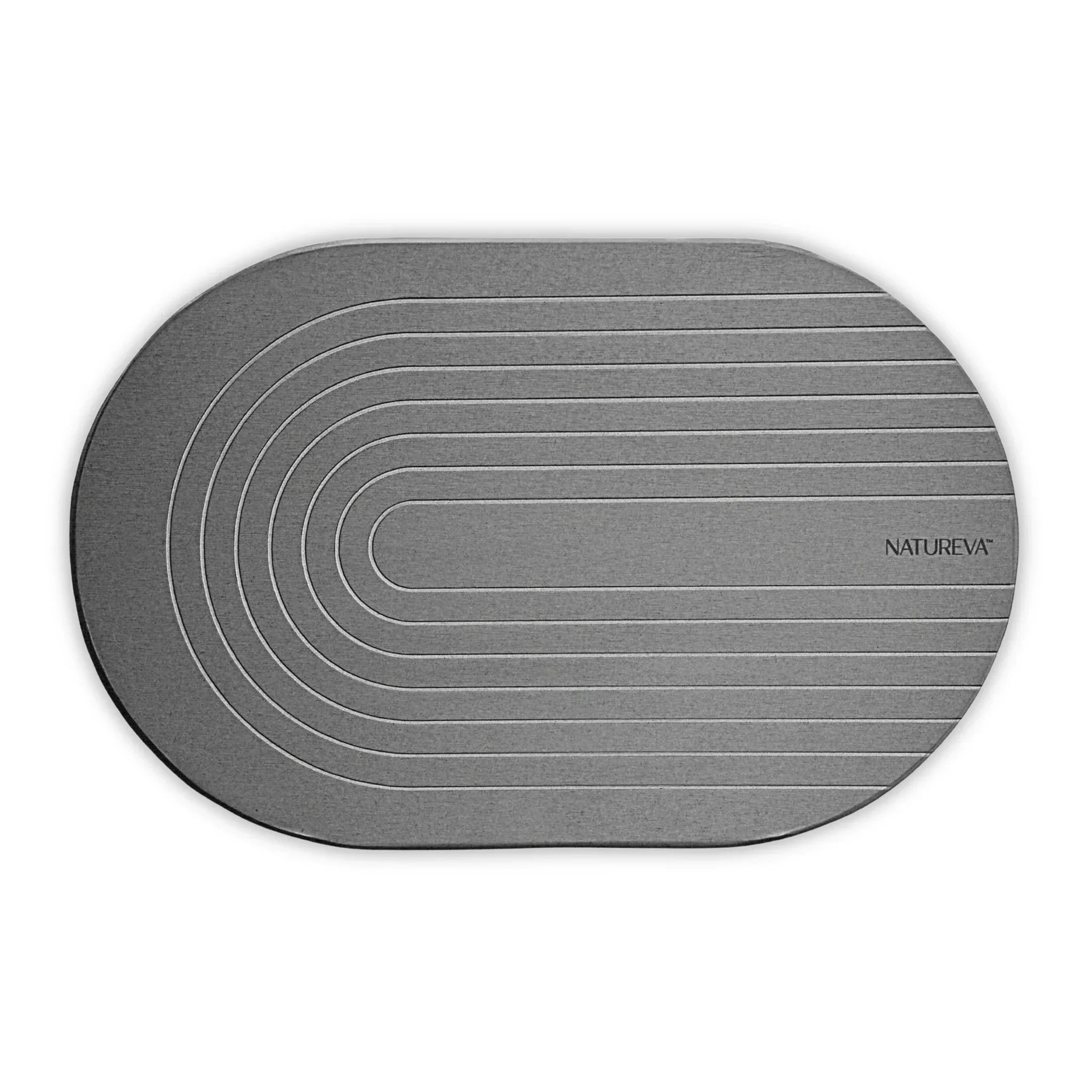
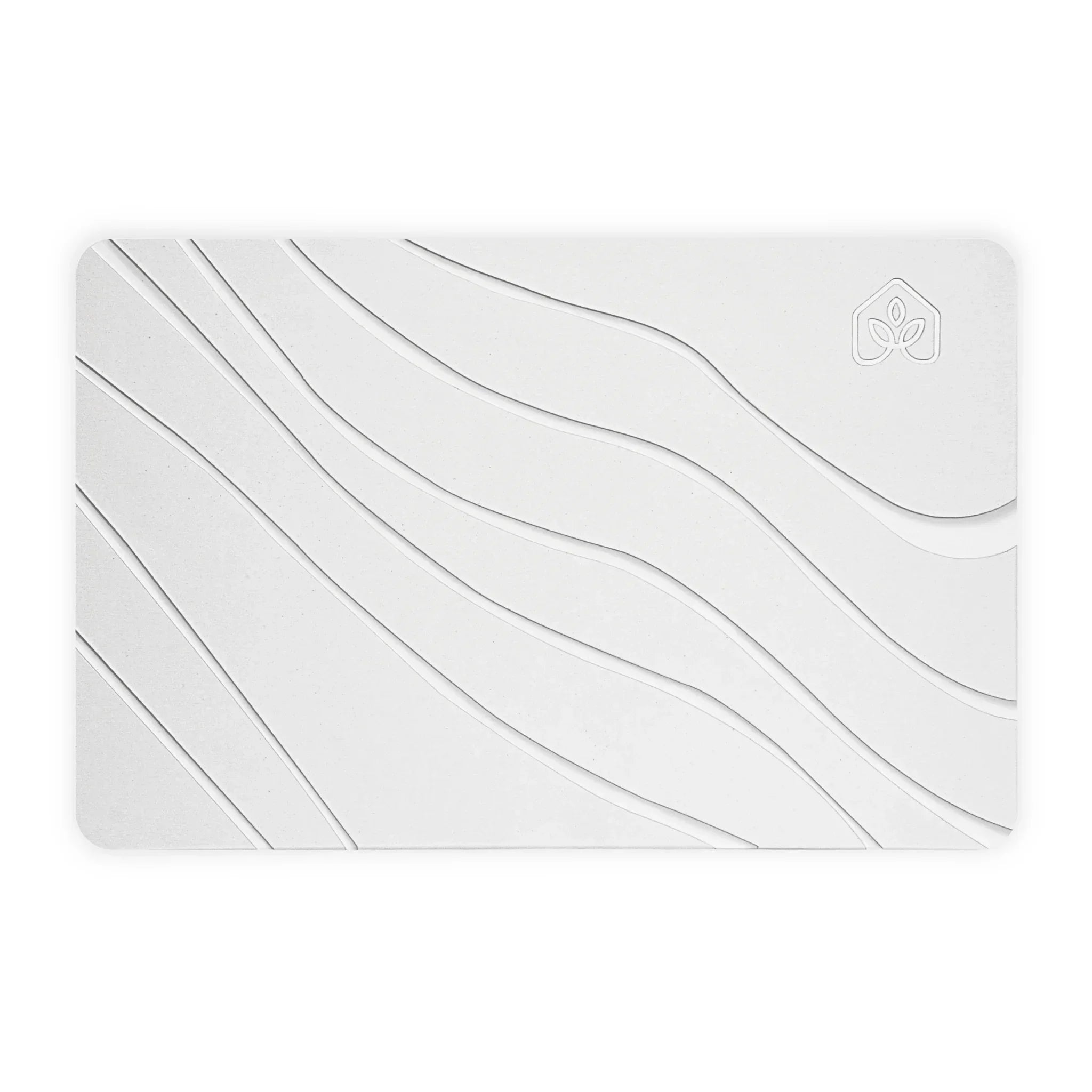
Stone Bath Mat - Arch
The Moisture Problem Gets Worse with More People
When multiple people use the same shower space, the bathroom never really gets a chance to dry out completely. Morning routines overlap, evening showers happen back-to-back, and that bath mat on the floor absorbs every drop.
Studies show that a damp bath mat can harbor over 1 million bacteria per square inch after just three days of use in a shared bathroom environment. That's more bacteria than you'd find on a typical toilet seat.
The problems stack up quickly in shared spaces:
- Fabric mats stay wet for 6-12 hours between uses
- Bacteria doubles every 20 minutes in moist environments
- Mold spores start growing within 24-48 hours on damp surfaces
- Unpleasant odors develop from bacterial growth within days
What Traditional Mats Can't Handle
Regular fabric bath mats were designed for single-family bathrooms where they might get used once or twice a day. They simply weren't built for the constant moisture that comes with shared living situations. The fabric soaks up water but has no way to release it quickly, so it just sits there, damp and gross.
| Bathroom Type | Daily Uses | Drying Time Needed |
|---|---|---|
| Private Bathroom | 1-2 showers | 4-6 hours |
| Shared (2-3 people) | 4-6 showers | 12+ hours |
| Dorm/Group Living | 8+ showers | Never fully dries |
Here's what happens when fabric mats can't keep up:
- Water pools underneath the mat and seeps into flooring
- The mat develops a musty smell that spreads through the bathroom
- Mildew stains appear that won't wash out
- You need to wash the mat multiple times per week
Health Risks Nobody Talks About
The constant dampness in shared bathrooms creates real health concerns that go beyond just feeling gross. According to the CDC, moist bathroom environments can harbor harmful bacteria like E. coli and Staphylococcus aureus, which can cause skin infections and other illnesses. When you step onto a damp mat with bare feet, especially if you have any small cuts or scrapes, you're exposing yourself to these pathogens.
Common health issues from damp shared bathroom mats include:
- Athlete's foot and other fungal infections
- Skin irritation and rashes from bacterial exposure
- Respiratory issues from mold spore inhalation
- Allergic reactions to mildew and bacteria
Research indicates that 70% of shared bathroom mats test positive for fecal bacteria, even when washed weekly. The problem isn't just about cleanliness habits—it's about the mat's inability to dry between uses.
A stone bath mat like our Natureva options changes this equation completely because it dries within seconds instead of hours. The material doesn't give bacteria the damp environment they need to multiply, which is exactly what shared bathrooms need.
Instant Drying Between Users
When you share a bathroom with roommates or family, stepping onto a soggy bath mat is pretty much the worst way to start your day. Traditional fabric mats can stay damp for hours after someone showers, creating that gross squishy feeling under your feet. But here's where things get interesting. Stone bath mats work completely differently because they're made from diatomaceous earth, a natural material that's basically a moisture-absorbing machine.
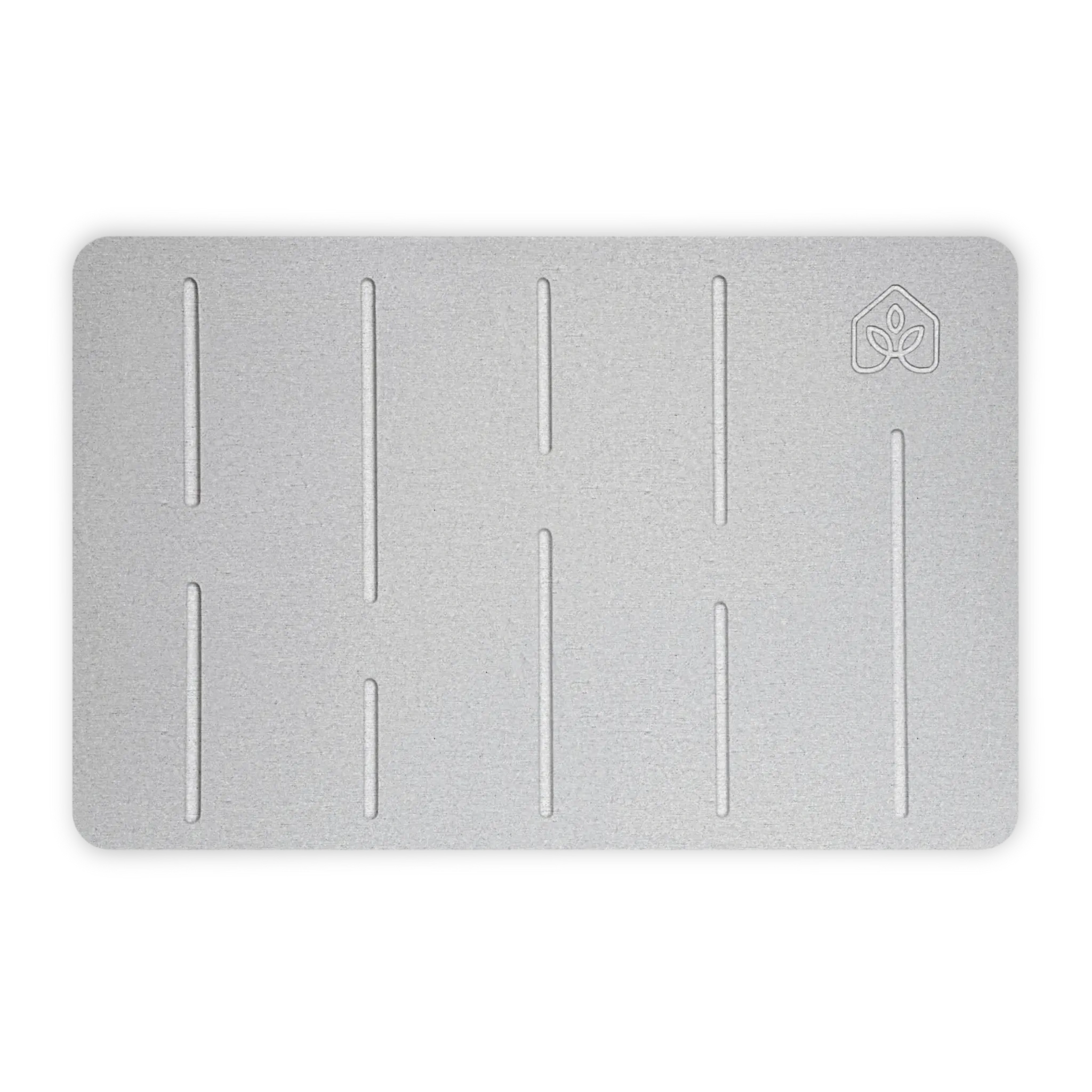
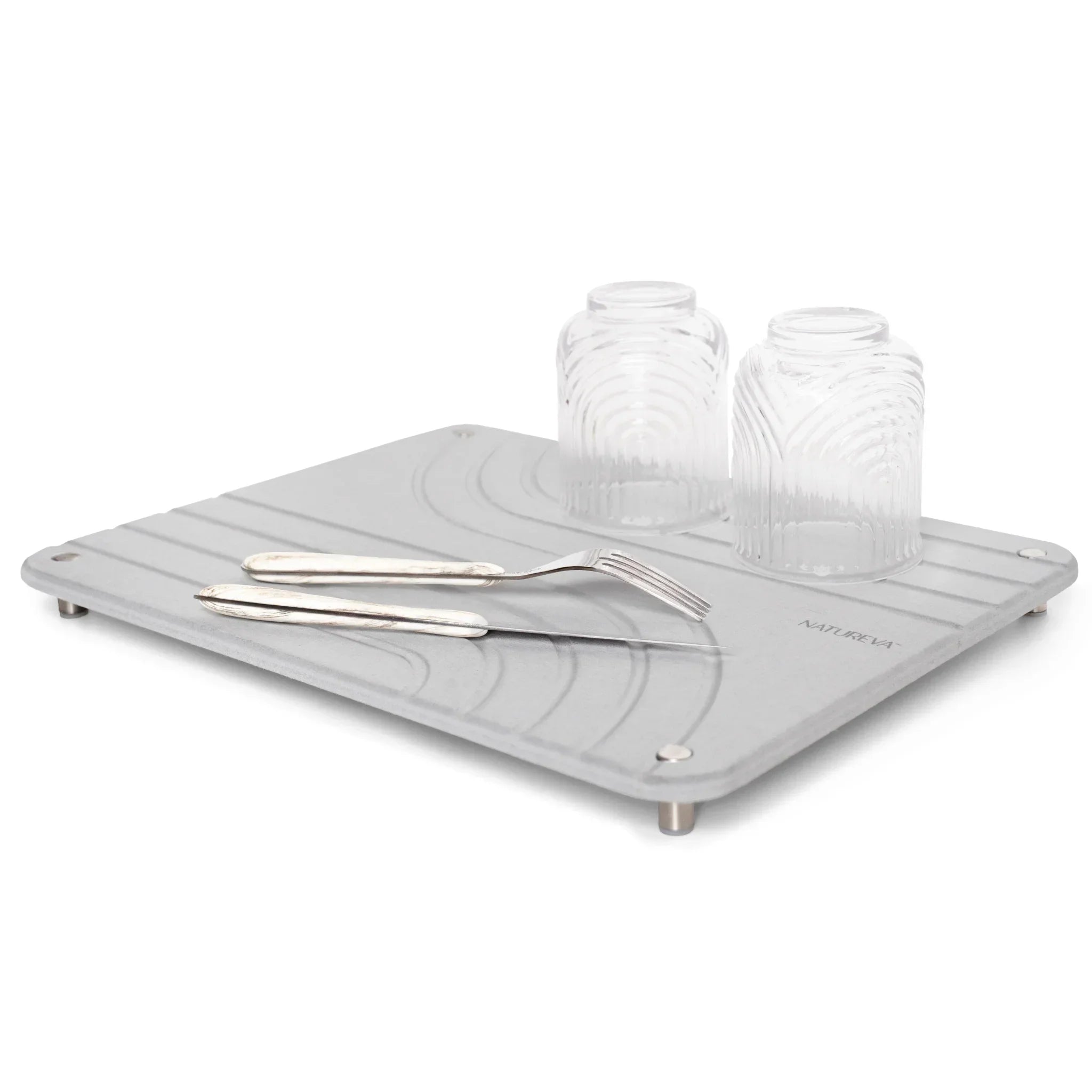
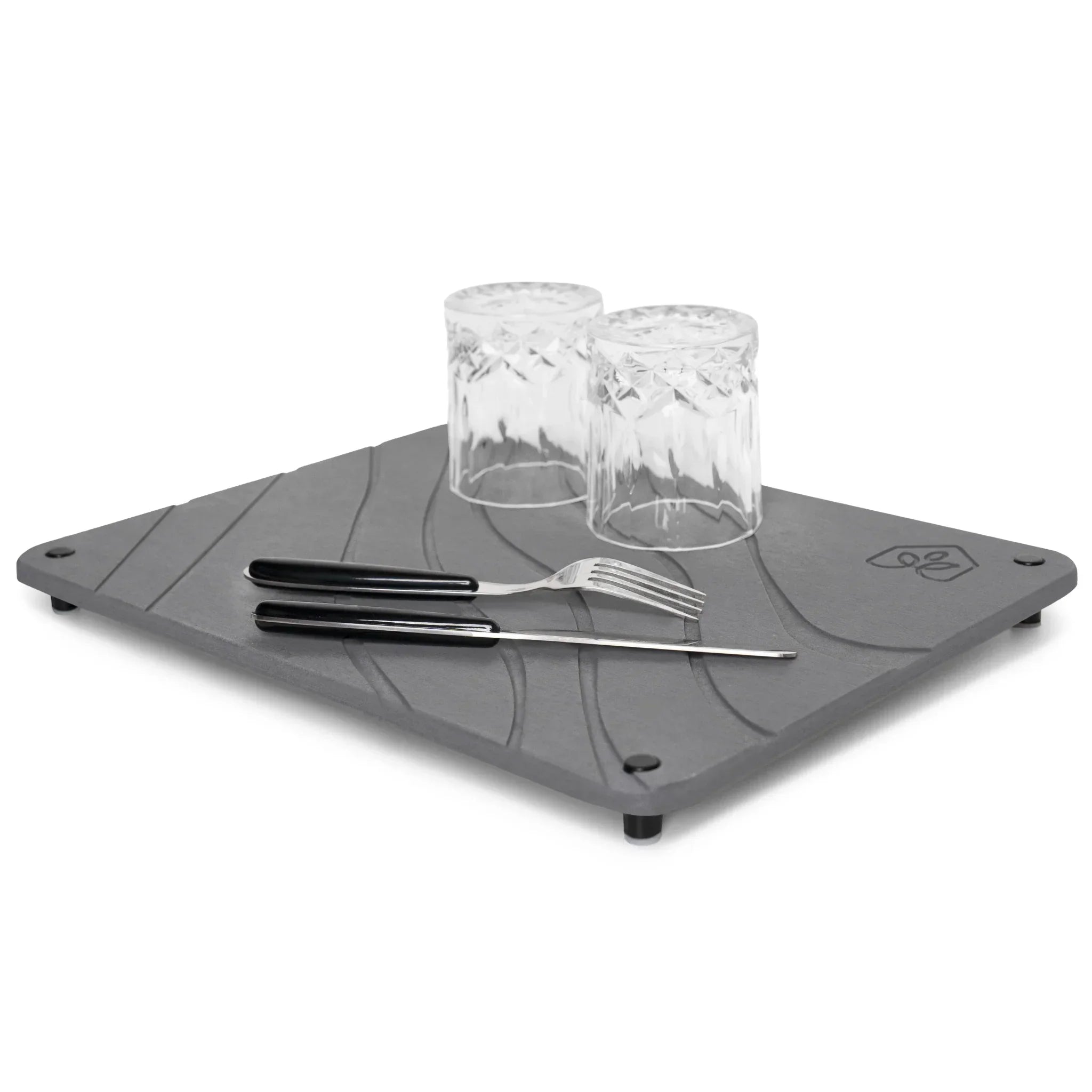
Stone Bath Mat - Rain
The science behind it is actually pretty simple. Diatomaceous earth is full of tiny pores that pull water away from your feet the second you step on the mat. Then those same pores let air flow through, which means the water evaporates in seconds instead of sitting there for hours.
| Mat Type | Drying Time | Ready for Next User |
|---|---|---|
| Stone Bath Mat | 30-60 seconds | Immediately |
| Fabric Mat | 2-4 hours | After air drying |
| Microfiber Mat | 1-2 hours | After air drying |
In real-world terms, this means someone can shower at 7am and the next person at 7:05am will step onto a completely dry surface. Our Stone Bath Mat - Arch and Stone Bath Mat - Rain both handle this back-to-back use without breaking a sweat. No more fighting over who showers first or dealing with that cold, wet feeling between your toes.
Stopping Bacteria and Mold Growth
Damp fabric mats in shared bathrooms are basically bacteria hotels. When moisture sits in fabric fibers for hours, it creates the perfect environment for bacteria and mold to multiply. This gets even worse when multiple people use the same mat throughout the day, adding more moisture before the previous water has dried. The result is that musty smell you probably recognize from shared bathrooms, and it's not just unpleasant, it's actually a health concern.
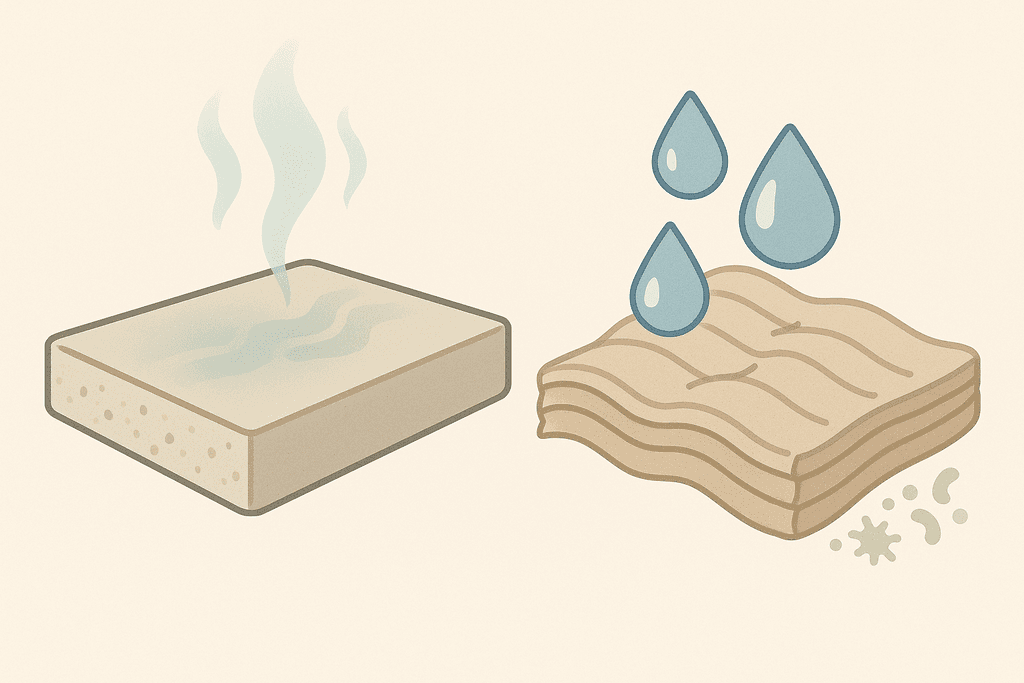
Stopping Bacteria and Mold Growth
Stone bath mats solve this problem by eliminating the damp environment that bacteria need to grow. According to Baptist Health, the rapid drying properties of diatomaceous earth prevent bacterial growth naturally.
- No standing water means bacteria can't establish colonies
- Natural antimicrobial properties of diatomaceous earth add extra protection
- Zero musty odors because there's no moisture trapped in fibers
- Healthier air quality in your bathroom from reduced mold spores
The next generation of home essentials: naturally made, cleaner by design, sustainable by nature.
SHOP ALLFor families with kids or roommates sharing a bathroom, this makes a real difference. You're not constantly breathing in mold spores or stepping on a mat covered in yesterday's bacteria. The surface stays clean between uses without any special treatment.
The antimicrobial benefits extend beyond just preventing growth. Because the mat surface stays dry, there's nowhere for germs to hide. This is especially important in households where someone might have a weakened immune system or allergies.
Low Maintenance for Busy Households
Nobody wants another chore added to their list, especially in a shared living situation where figuring out whose turn it is to do something becomes a whole debate. Traditional fabric bath mats need to be washed every week or two, which means someone has to remember to throw them in the laundry, wait for them to dry, and put them back. In a busy household with multiple people, this simple task somehow never gets done on schedule.
Stone bath mats require almost zero maintenance. You don't wash them in the machine. You don't hang them up to dry. You just leave them on the floor and they do their job.
Simple cleaning routine for stone mats:- Wipe with a damp cloth once a week
- Let it air out for a few minutes
- That's it
The durability factor matters too. Fabric mats wear out after a few months of heavy use, especially in high-traffic bathrooms. They get dingy, the edges fray, and eventually you're shopping for replacements. A quality stone bath mat can last for years without showing wear, which means fewer trips to the store and less money spent over time.
For households where everyone's schedule is packed, this low-maintenance approach is a game changer. There's no arguing about whose turn it is to wash the bath mat because there's nothing to wash. The Natureva stone bath mats stay clean naturally through their quick-drying properties, as explained in detail on our care and cleaning page.
The cost savings add up faster than you'd think. If you're replacing fabric mats two or three times a year at $20-30 each, you're spending more than the one-time cost of a stone mat that lasts for years. Plus you're saving on laundry costs and the time spent dealing with mat maintenance. In shared living situations where budgets matter, that's worth considering.
Making Shared Showers Work Better
When multiple people use the same bathroom, a stone bath mat solves problems that regular fabric mats just can't handle. The instant drying means no one has to step onto a soggy mat from the person before them. The natural bacteria resistance keeps things cleaner without anyone having to remember to wash it constantly. And since it dries so fast, there's no musty smell building up between uses.
For families with kids, roommates splitting rent, or couples sharing a bathroom, these small improvements add up to a much better daily experience. No more arguments about whose turn it is to wash the mat or complaints about stepping onto something damp and gross. The stone bath mat just sits there and does its job without anyone thinking about it.
The real value isn't just about having a dry floor. It's about removing one more annoying thing from your morning routine when you're already rushing to get ready. Our Stone Bath Mat - Arch and Stone Bath Mat - Rain handle whatever your household throws at them, whether that's three people getting ready for work or kids running in and out after swimming.
If you're tired of dealing with damp mats and bathroom floor puddles, switching to a stone option might be worth considering. The questions below cover what most people want to know before making the change.
Common Questions About Stone Bath Mats
When you're sharing a bathroom with family or roommates, questions about durability and maintenance come up fast. Stone bath mats are still pretty new to most people, so it makes sense to wonder how they hold up when multiple people use them every day. Here are the answers to the most common questions we hear about using stone bath mats in shared shower situations.
How many people can use a stone bath mat before it needs cleaning?
A stone bath mat can handle weeks of use from multiple people before needing a proper clean. The diatomaceous earth material naturally resists bacteria and mold, so it doesn't get gross like fabric mats do. Most families with 3-4 people find they only need to wipe it down once a week or so with a damp cloth.
Do stone bath mats work with multiple showers per day?
Yes, they actually work better than traditional mats in high-use situations. The mat dries completely within minutes after each use, so the next person always steps onto a dry surface. Our Natureva Stone Bath Mat absorbs water instantly and evaporates it fast enough that even back-to-back showers aren't a problem.
Are stone bath mats safe for kids and elderly users?
Stone bath mats are safe for all ages when used properly on flat, stable surfaces. The textured surface provides good grip when wet, which actually helps prevent slips. Just make sure younger kids understand it's not a toy and shouldn't be jumped on, since the material can crack under sudden impact.
How long do stone bath mats last in high-traffic bathrooms?
With normal use in a shared bathroom, a quality stone bath mat typically lasts 2-3 years or longer. The key is avoiding drops and impacts that could crack the material. Some brands like Dorah Home and Dry Sorb offer similar products, but durability really depends on the thickness and quality of the diatomaceous earth used.
Can stone bath mats handle different foot sizes and weights?
Stone bath mats are designed to support up to 300 pounds evenly distributed, so they work fine for adults of all sizes. The absorption works the same regardless of foot size. The mat doesn't compress or wear down in specific spots like foam mats do, so it stays level even with daily use from different people.
What's the best way to clean a stone bath mat in a shared bathroom?
Cleaning is simple and takes less than a minute. Just wipe the surface with a damp cloth weekly to remove any soap residue or dust. If you notice the absorption slowing down, lightly sand the surface with fine-grit sandpaper to open up the pores again. Never soak it in water or put it in the washing machine, since the material needs to stay dry to work properly.
The next generation of home essentials: naturally made, cleaner by design, sustainable by nature.
SHOP ALL