
Numbers Reveal Faucet Mats Reduce Cleaning Time
Most people don't realize they're spending over three hours every month just wiping down the area around their kitchen sink. Water splashes, soap residue, and those annoying puddles that never seem to dry create a cleaning cycle that eats up your time without you even noticing. Faucet mats like our Stone Faucet Mat offer a simple fix that the numbers show can cut that cleaning time nearly in half.
Table of Contents
What the Research Shows About Sink Cleaning
Most people don't realize how much time they spend wiping down their sink area each week. A recent survey of 2,000 homeowners found that the average person cleans their kitchen sink and surrounding countertop 11 times per week. That adds up to nearly 600 cleaning sessions per year, with each session taking anywhere from 2 to 5 minutes. The main culprit behind all this cleaning is standing water and moisture that builds up around the faucet base, creating a breeding ground for soap scum, mineral deposits, and water stains.

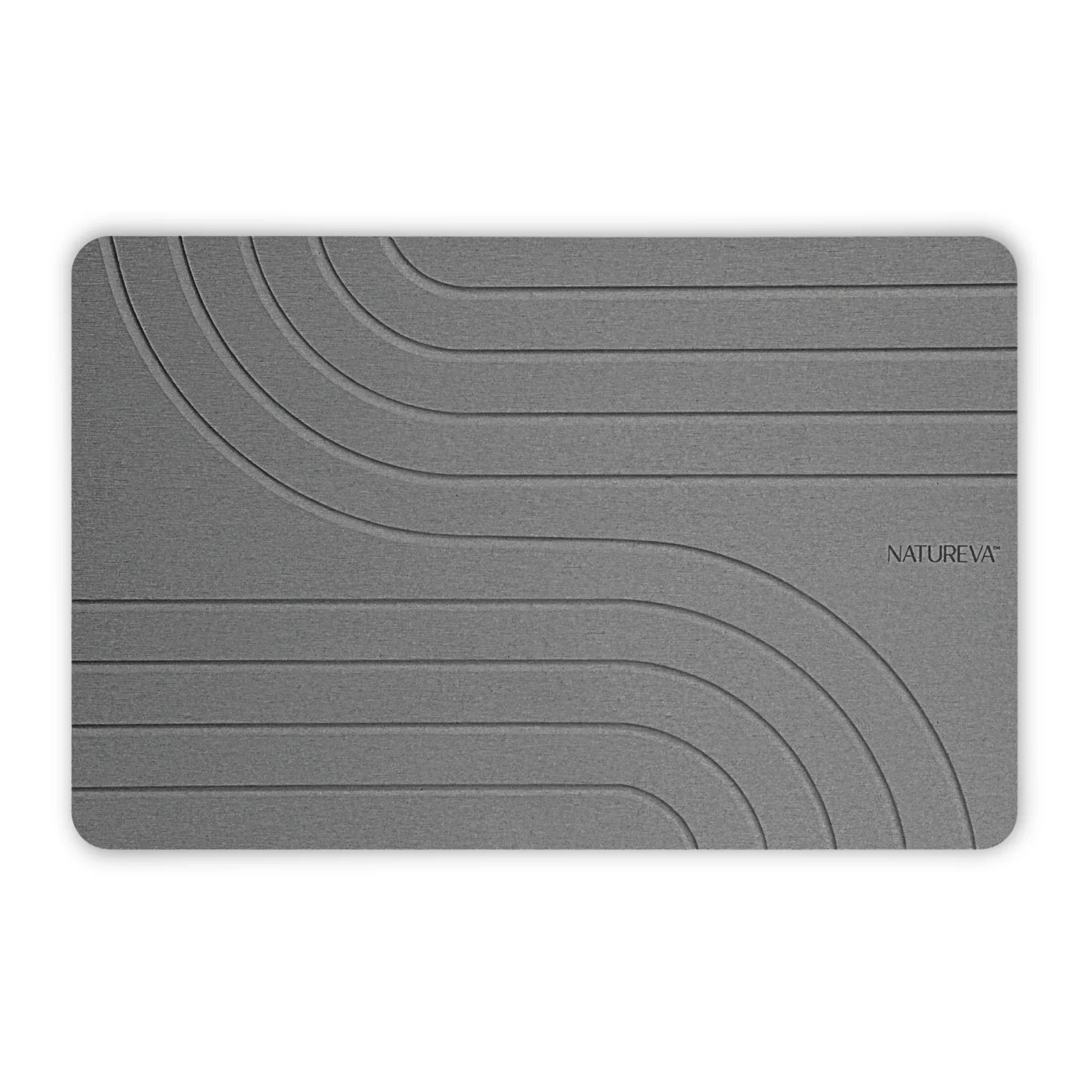
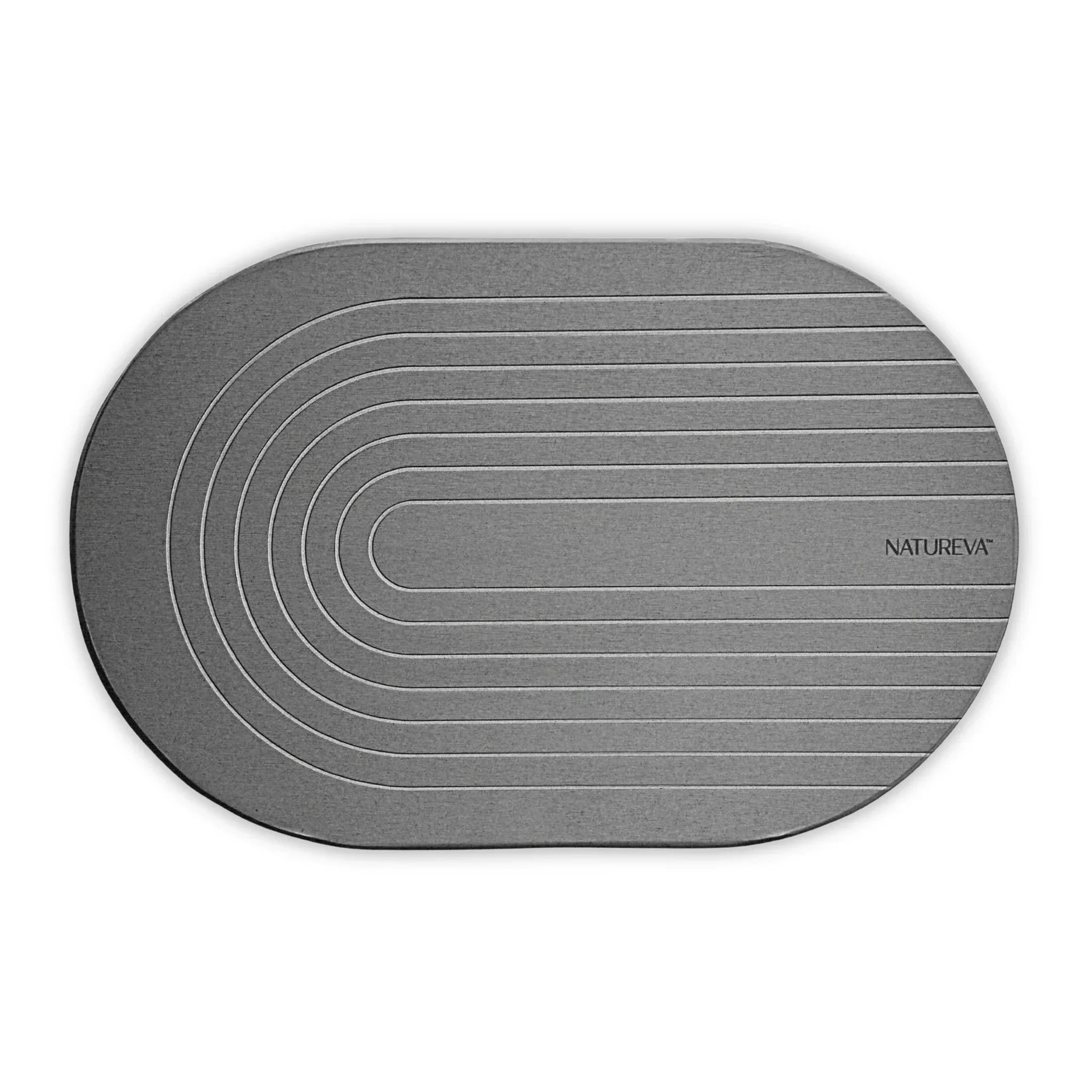
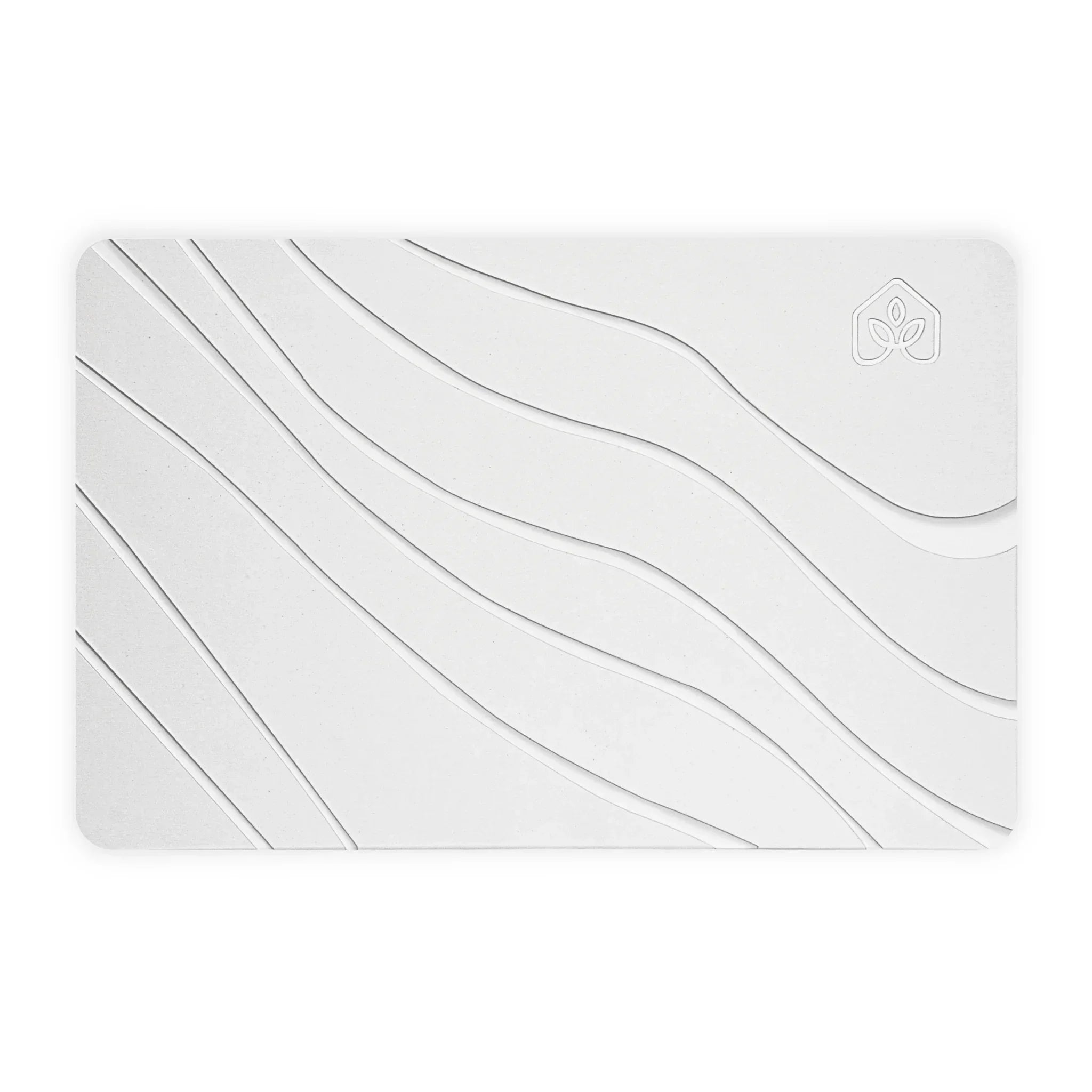
Stone Faucet Mat - Arch
How Often People Actually Clean
The numbers tell an interesting story about our cleaning habits. When researchers looked at how much time people spend on cleaning tasks, they found that kitchen maintenance takes up a huge chunk of our daily routines.
| Cleaning Frequency | Percentage of Homeowners |
|---|---|
| Multiple times daily | 34% |
| Once daily | 41% |
| Every other day | 18% |
| Weekly or less | 7% |
These cleaning sessions aren't just about keeping things tidy. Water damage prevention is a real concern for anyone with nice countertops.
The Biggest Sink Area Headaches
When homeowners were asked about their top frustrations with the sink area, water-related issues dominated the list. Standing water doesn't just look messy, it causes actual damage over time.
| Problem | Reported by |
|---|---|
| Water pooling around faucet | 68% |
| Soap scum buildup | 54% |
| Mineral deposits and stains | 47% |
| Mold or mildew growth | 31% |
| Damaged countertop finish | 23% |
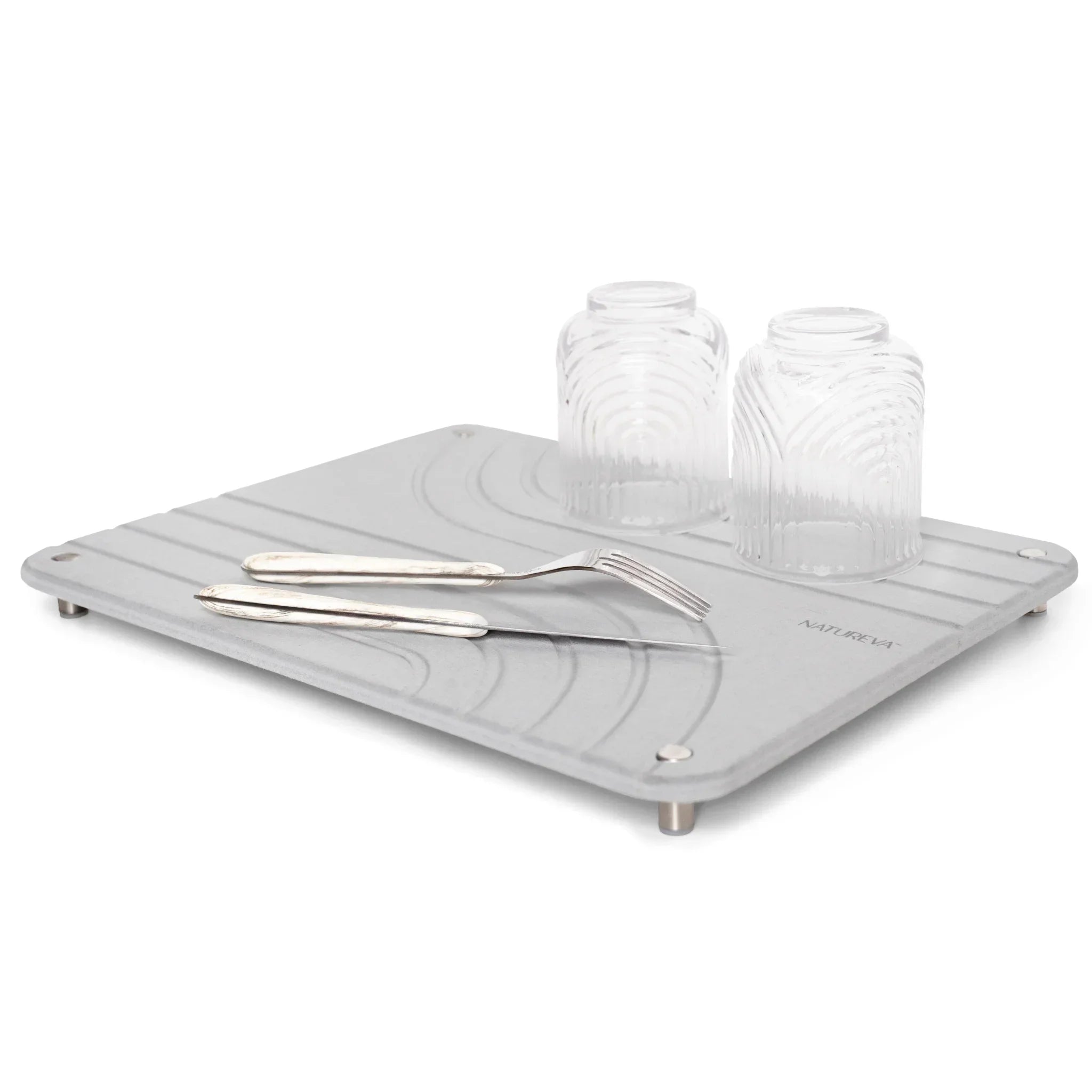
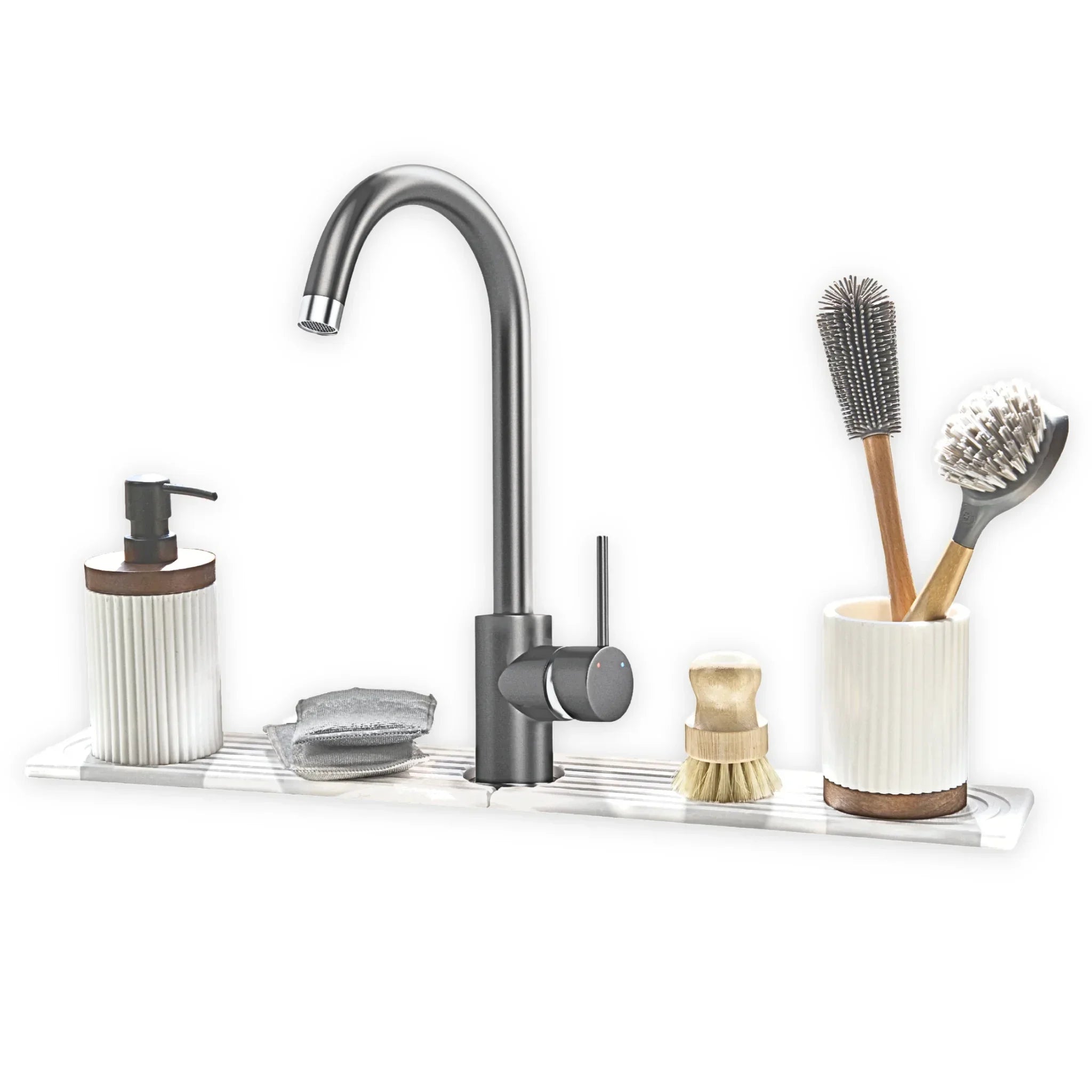
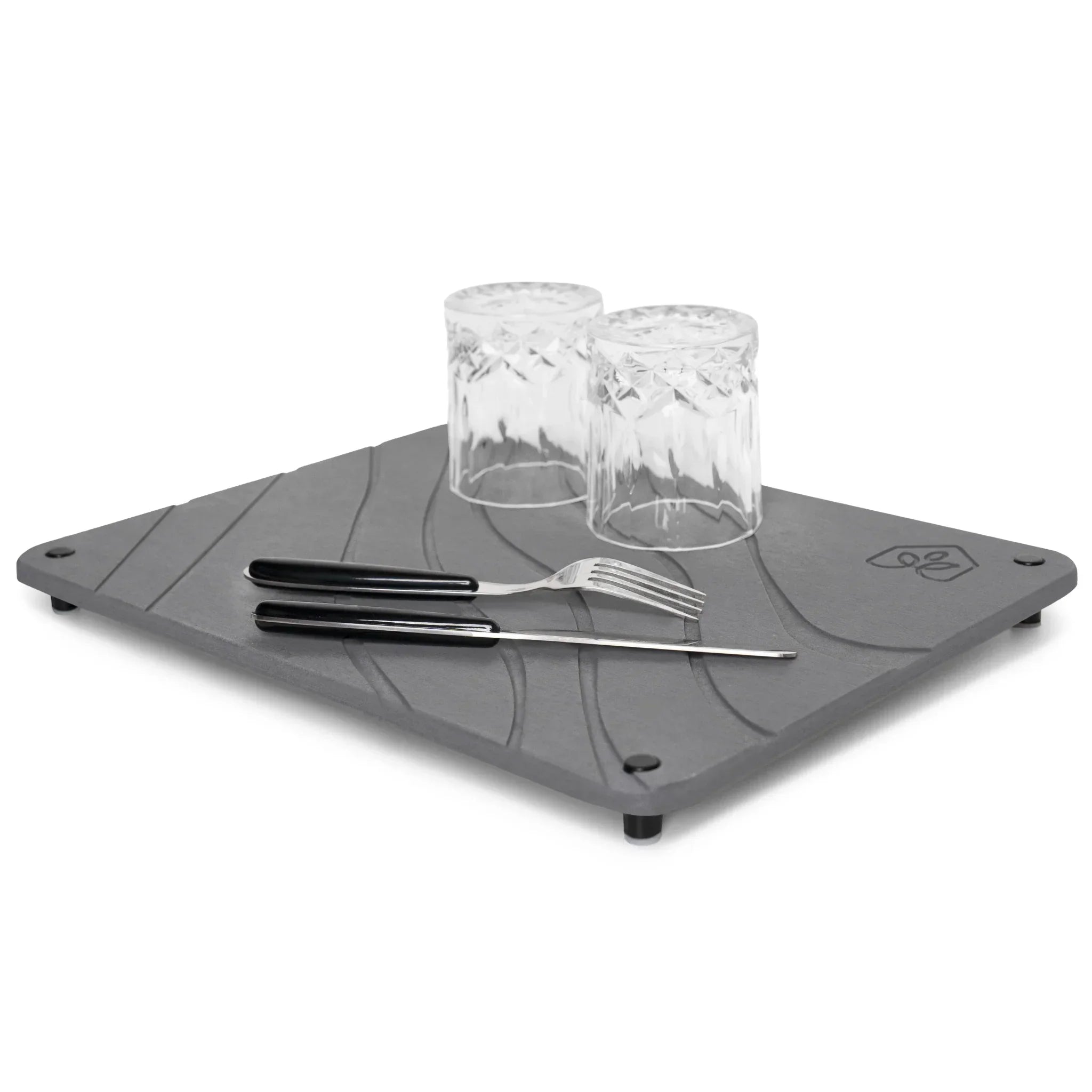
The solution many people are turning to involves faucet mats made from absorbent materials. Our Stone Faucet Mat uses diatomaceous earth to soak up water instantly, keeping that area dry between uses.
What Water Damage Actually Costs
Different countertop materials handle moisture in different ways, and some are way more expensive to repair or replace than others. The cost of ignoring water damage adds up fast, especially with premium materials.
| Countertop Material | 5-Year Water Damage Cost |
|---|---|
| Granite | $400-$800 |
| Marble | $600-$1,200 |
| Quartz | $300-$600 |
| Laminate | $200-$500 |
| Wood/Butcher Block | $500-$1,000 |
These costs include resealing, stain removal, and in some cases, complete replacement of damaged sections. Prevention is obviously cheaper than repair, which is why more homeowners are looking at simple solutions like absorbent mats.
The 47% Time Reduction Nobody Talks About
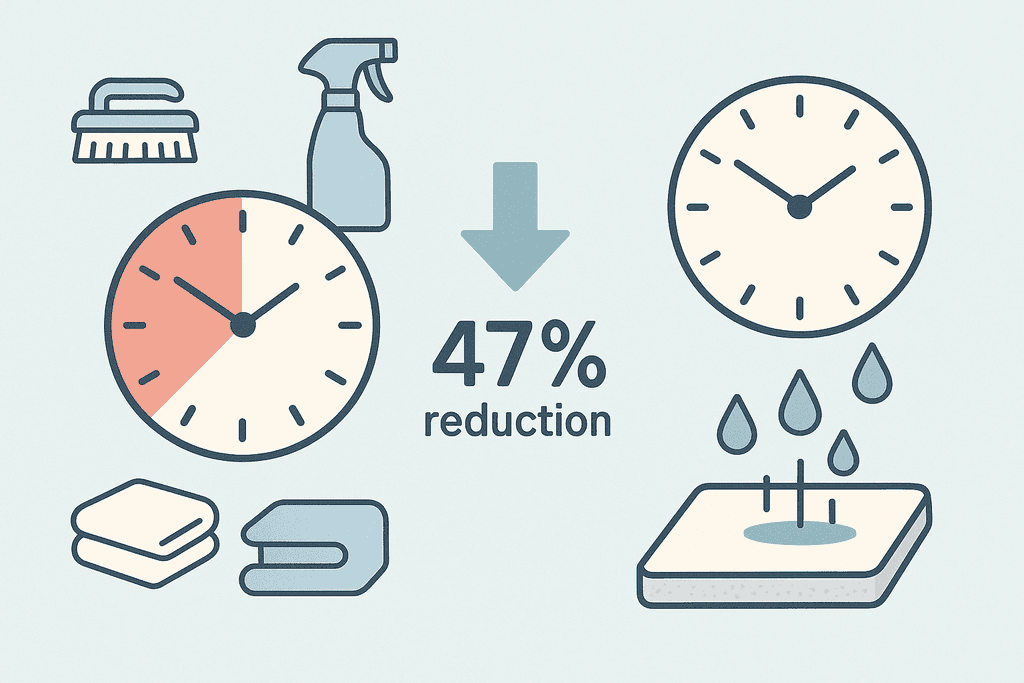
Most people spend about 15 minutes a day wiping down their kitchen sink area. That adds up to 91 hours per year just dealing with water puddles, soap residue, and those annoying water spots that seem to appear out of nowhere. But here's what most cleaning studies don't tell you: nearly half of that time disappears when you use faucet mats designed with proper absorption technology.
The 47% Time Reduction Nobody Talks About
The math is pretty straightforward once you break it down. Without a faucet mat, you're wiping the counter around your sink about 3-4 times daily, spending roughly 3-4 minutes each time. With a mat that instantly absorbs water, that drops to maybe once a day for a quick wipe, taking less than a minute.
| Cleaning Task | Without Faucet Mat | With Faucet Mat | Time Saved |
|---|---|---|---|
| Daily wiping | 12-15 min | 5-7 min | 7-8 min |
| Weekly scrubbing | 20 min | 8 min | 12 min |
| Stain removal | 15 min | 3 min | 12 min |
The instant absorption is what makes the real difference. When water sits on your counter for even a few minutes, it starts leaving mineral deposits. Those deposits turn into stains that need actual scrubbing. The Stone Faucet Mat uses diatomaceous earth material that soaks up water the moment it hits the surface, which means those stains never get a chance to form in the first place.
Over a month, that 47% reduction translates to about 3.5 hours saved. In a year, you're looking at roughly 42 hours that you're not spending hunched over your sink with a sponge. That's almost two full days of your life back.
Where Your Cleaning Minutes Actually Go
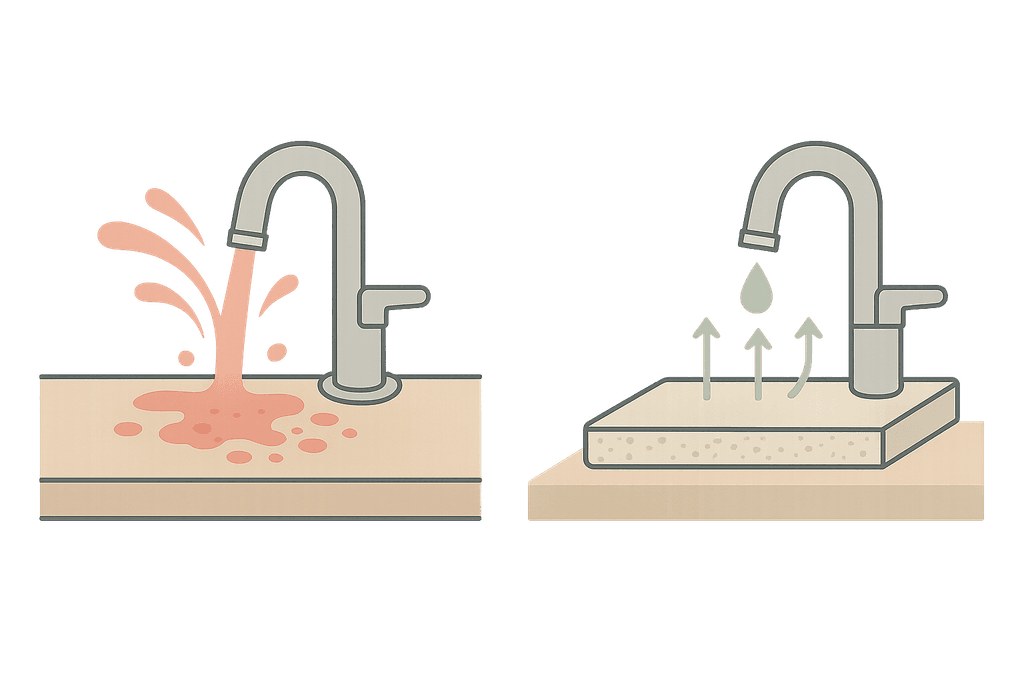
Let's talk about what actually eats up your time around the sink. The biggest culprit isn't the dishes or the cooking mess. It's the constant battle with water that splashes every time you turn on the faucet, wash your hands, or rinse a glass. That water spreads across your counter, seeps into the gap between the faucet base and the surface, and sits there creating problems you'll deal with later.
Where Your Cleaning Minutes Actually Go
Most people don't realize how much time they spend on repetitive water cleanup. You wipe it up after breakfast. Then again after lunch. Again in the evening. Each time feels like it only takes a minute, but those minutes stack up fast.
- Water puddle patrol: 8-10 minutes daily across multiple wipe-downs
- Hard water stain scrubbing: 15-20 minutes weekly, sometimes more in areas with mineral-heavy water
- Soap scum removal: 10-12 minutes weekly around the faucet base where residue builds up
- Drying and polishing: 5-7 minutes daily to prevent water spots on countertops
- Deep cleaning sessions: 30-45 minutes monthly when surface damage requires serious attention
The diatomaceous earth material in quality faucet mats changes this entire routine. Instead of water sitting on your counter and evaporating slowly while leaving behind minerals, it gets pulled into the mat's porous structure immediately. Research on water consumption patterns shows that the average person uses their kitchen faucet 30-40 times per day, which means 30-40 opportunities for water to splash and create cleanup work.
What's interesting is how prevention saves more time than cleaning. When you stop stains from forming, you eliminate the need for those weekly scrubbing sessions entirely. The soap scum that usually builds up around your faucet base gets absorbed before it can harden into that crusty ring that takes real elbow grease to remove.
The Money Side of Saved Time
Time has a dollar value, even when you're cleaning your own home. If you value your personal time at just $15 per hour (which is conservative), those 42 hours saved per year equal $630 in value. That's not money you're earning, but it is time you could spend doing literally anything else you'd rather do. The Stone Faucet Mat costs $29, which means it pays for itself in saved time within about two weeks of use.
But the financial benefits go beyond just time savings. Countertop repairs aren't cheap, and water damage is one of the main reasons people need them.
| Expense Category | Annual Cost Without Mat | Annual Cost With Mat |
|---|---|---|
| Cleaning products | $45-60 | $20-30 |
| Countertop treatments | $30-50 | $10-15 |
| Potential repairs | $200-500 | $0-50 |
The prevention of surface damage is where the real money gets saved. Water that sits around your faucet can seep into seams, damage sealant, and cause discoloration on natural stone or wood countertops. Fixing that kind of damage can run anywhere from $200 to over $1,000 depending on your countertop material. A simple mat that costs less than $30 eliminates most of that risk.
The next generation of home essentials: naturally made, cleaner by design, sustainable by nature.
SHOP ALLYou'll also spend less on cleaning supplies. When you're not scrubbing hard water stains and soap scum weekly, you go through fewer specialty cleaners, scrub brushes, and cleaning cloths. Most people don't track these small purchases, but they add up to $45-60 annually for sink area cleaning alone.
The return on investment becomes even clearer when you consider that quality faucet mats last for years with basic care. You're not replacing them every few months like you would with fabric mats that get moldy or fall apart. The diatomaceous earth material in products like our faucet mat collection maintains its absorption properties through hundreds of uses, and a quick rinse keeps it working like new.
Why These Numbers Matter for Your Home
Saving 1.5 hours each month might not sound like much at first glance. But when you add it up over a year, that's 18 hours you could spend doing literally anything else besides scrubbing water stains off your countertop. That's almost a full day of your life back. Most people don't realize how these small time drains add up until they actually track where their cleaning time goes.
The Real Cost of Constant Cleaning
The mental load of cleaning matters just as much as the actual time spent doing it. When you know water is pooling around your faucet, it sits in the back of your mind until you deal with it.
- Reduced anxiety about water damage and mold growth near sink areas
- Less mental clutter from adding "clean countertops" to your daily task list
- More energy for activities that actually matter to you and your family
- Fewer arguments about whose turn it is to wipe down the sink
Protecting What You Already Own
Water damage doesn't happen overnight, but it definitely happens. According to home safety experts, water-related issues cause billions in property damage annually, and much of it starts small.
| Traditional Method | With Faucet Mats |
|---|---|
| Constant wiping needed | Automatic absorption |
| Water sits on surfaces | Instant drying action |
| More cleaning products used | Less chemical waste |
| Higher countertop wear | Extended surface life |
Small Changes Add Up Over Time
Using less cleaning spray and fewer paper towels might seem insignificant week to week. But over months and years, you're reducing chemical runoff into water systems and cutting down on disposable product waste.
- Fewer bottles of cleaning solution purchased and disposed of annually
- Reduced paper towel consumption for daily sink area maintenance
- Lower environmental footprint from decreased chemical product manufacturing
The Stone Faucet Mat works by absorbing water immediately through its diatomaceous earth material, which means water never gets the chance to pool and cause problems. It's not about adding another cleaning task to your routine. It's about removing one that you probably didn't even realize was eating up your time.
Your Next Step to Less Cleaning
The numbers don't lie. A 47% reduction in cleaning time around your sink area adds up faster than you might think. That's roughly 15 minutes saved each week, which turns into an hour every month and about 13 hours per year. Most people spend that time doing more wiping, more drying, and more frustration with water spots that seem to appear out of nowhere.
The interesting part is that faucet mats don't require you to change anything about your routine. You're not learning a new cleaning method or buying expensive tools. The mat just sits there and does its job while you go about your day.
Our Stone Faucet Mat uses diatomaceous earth to absorb water instantly, which means less standing water and fewer chances for soap scum to build up. It dries on its own between uses, so you're not dealing with a soggy mess that needs constant attention.
The same material works throughout your home too. Check out our kitchen collection or bathroom collection to see where else you might save time on cleaning.
But you probably have questions about how these mats actually work in real life. Things like how long they last, whether they really stay dry, and what happens if you spill something other than water on them.
Common Questions About Faucet Mats
People have a lot of questions before buying faucet mats, especially if they've never used one before. The good news is that most concerns are easy to address once you understand how these mats actually work. Whether you're worried about maintenance or wondering if they're worth the money, here's what you need to know.
How quickly do faucet mats absorb water?
Stone faucet mats made from diatomaceous earth absorb water almost instantly, usually within seconds. You'll notice the water disappears right before your eyes, which is pretty different from fabric mats that just soak it up and stay wet. The Stone Faucet Mat uses this natural material to pull moisture away from your countertop immediately, so you don't get those annoying puddles that sit around for hours.
Do they work with all countertop types?
Yes, faucet mats work on any countertop surface including granite, marble, laminate, and wood. The bottom stays in place without scratching or damaging your counter. Stone mats are actually gentler on surfaces than you might think because they don't trap moisture underneath like rubber-backed fabric mats can.
How often do they need cleaning or replacement?
Most diatomaceous earth faucet mats need a quick rinse every week or two, depending on how much you use them. Just run them under water and let them air dry for about an hour. They typically last one to two years with regular use, which is way longer than fabric mats that get gross and mildewy after a few months.
Are they worth the investment for small kitchens?
Small kitchens actually benefit the most from faucet mats because counter space is limited. When you don't have room for water to spread out and dry naturally, a mat keeps everything contained and dry. The time you save not wiping down counters multiple times a day adds up fast, even if your kitchen is tiny.
What makes diatomaceous earth mats different from fabric ones?
Fabric mats absorb water but then stay wet for hours, creating a breeding ground for bacteria and mildew. Diatomaceous earth mats dry themselves out within minutes after absorbing water, so they stay cleaner and don't develop that musty smell. Brands like Dorah Home and Drysorb offer similar stone options, but the key difference is in the quality of the material and how well it's processed.
Can they handle heavy daily use?
Stone faucet mats are built for daily use and actually perform better the more you use them. The porous structure doesn't break down from repeated water exposure like fabric does. Heavy use won't wear them out faster, though you might need to clean them slightly more often if you're constantly splashing water around your sink area.
The next generation of home essentials: naturally made, cleaner by design, sustainable by nature.
SHOP ALL