
Clean a Bath Stone Mat Without Damaging the Surface
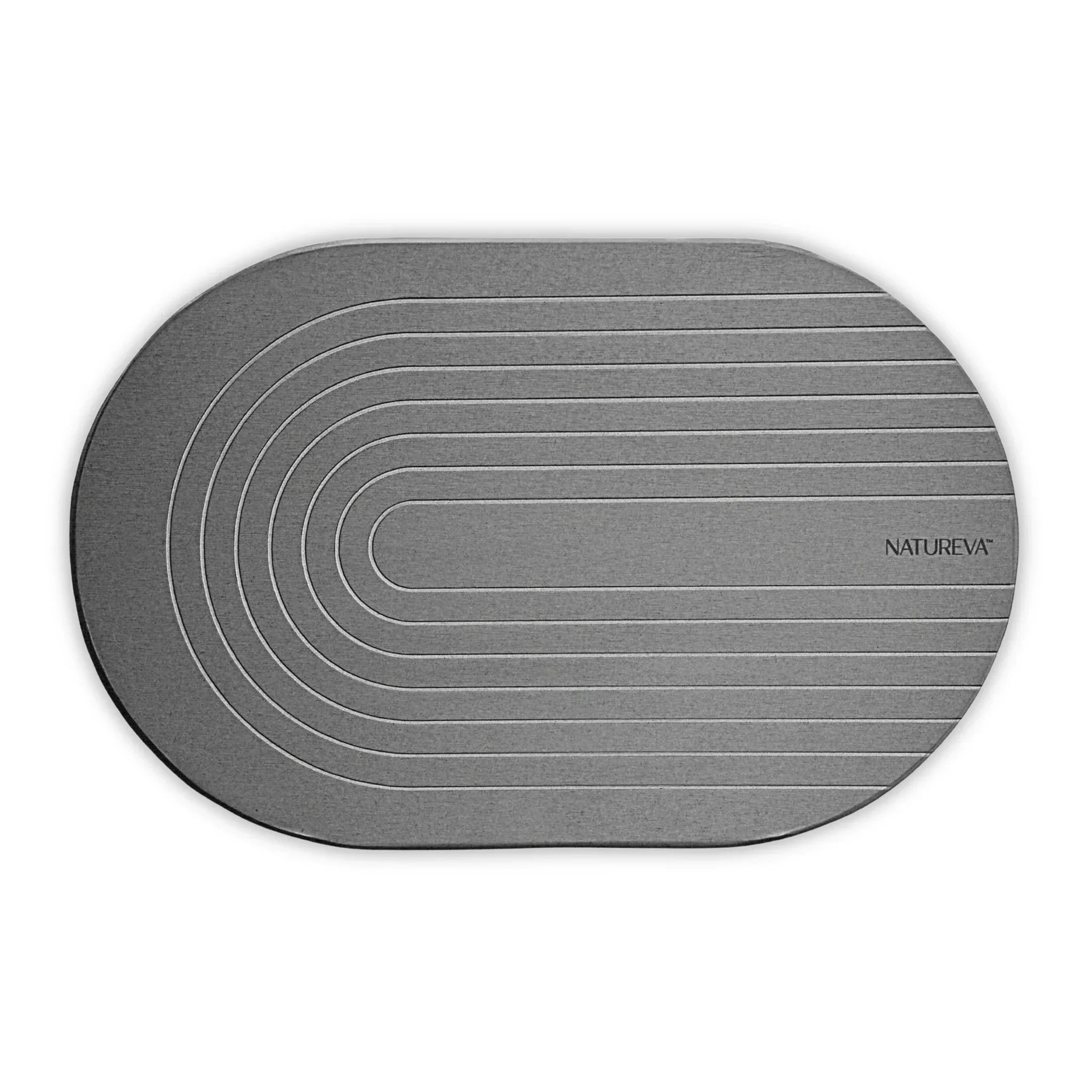
Stone bath mats absorb water instantly because of millions of microscopic pores inside the material, but those same pores can get clogged with soap residue, oils, and minerals if you clean them the wrong way. Unlike fabric mats that you toss in the washing machine, diatomite stone requires a completely different approach to maintain its fast-drying performance. Learning how to clean bath stone mat properly takes just a few minutes and keeps your Natureva mat working like new for years.
Table of Contents
Understanding Your Stone Mat Material
Stone bath mats work differently than regular fabric mats because they're made from something pretty unusual: fossilized algae. These tiny organisms, called diatoms, lived millions of years ago and left behind a mineral-rich material called diatomite. When you look at diatomite under a microscope, you'll see it's packed with millions of microscopic pores, kind of like a super tiny sponge. This unique structure is what makes your stone mat absorb water the second your wet feet touch it, and why cleaning it requires a different approach than washing a regular bath mat.
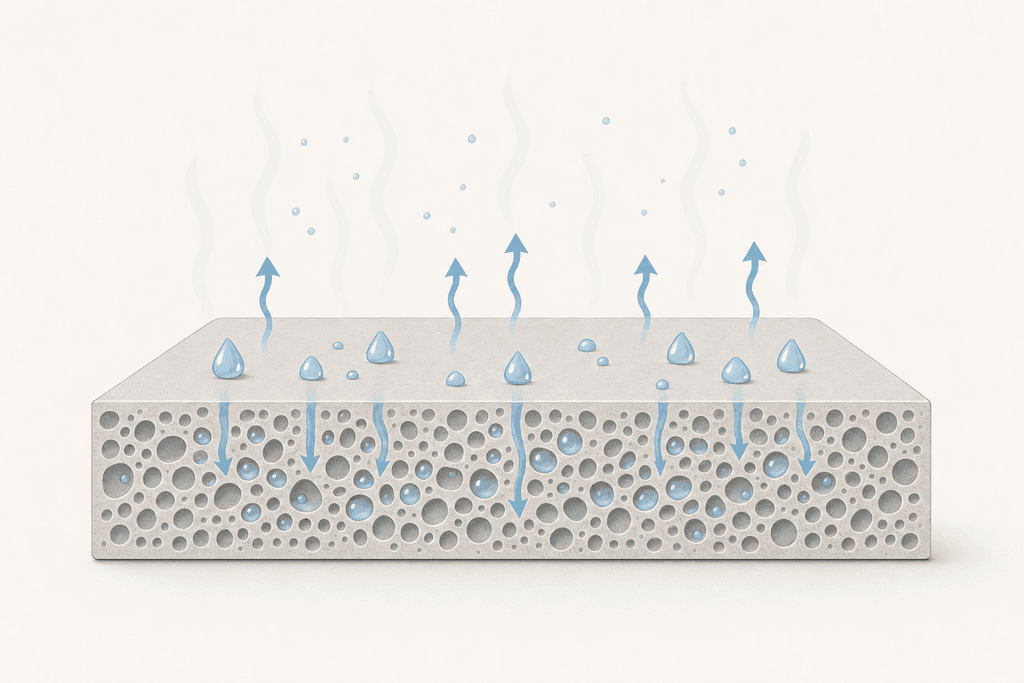
How the Pore System Works
The microscopic pores in your stone mat do two important jobs at once. First, they pull moisture into the material instantly when water touches the surface. Then, those same pores release that moisture back into the air through evaporation, usually within minutes. This is why your mat feels dry so quickly after you step off it, and it's also why the cleaning methods you use matter so much.
Here's what makes diatomite different from other materials:
- Absorbs water on contact instead of letting it pool on the surface
- Dries through natural evaporation without needing heat or air circulation
- Stays naturally antibacterial because bacteria need moisture to grow
- Works without any chemical treatments or synthetic coatings
What Your Mat Is Actually Made From
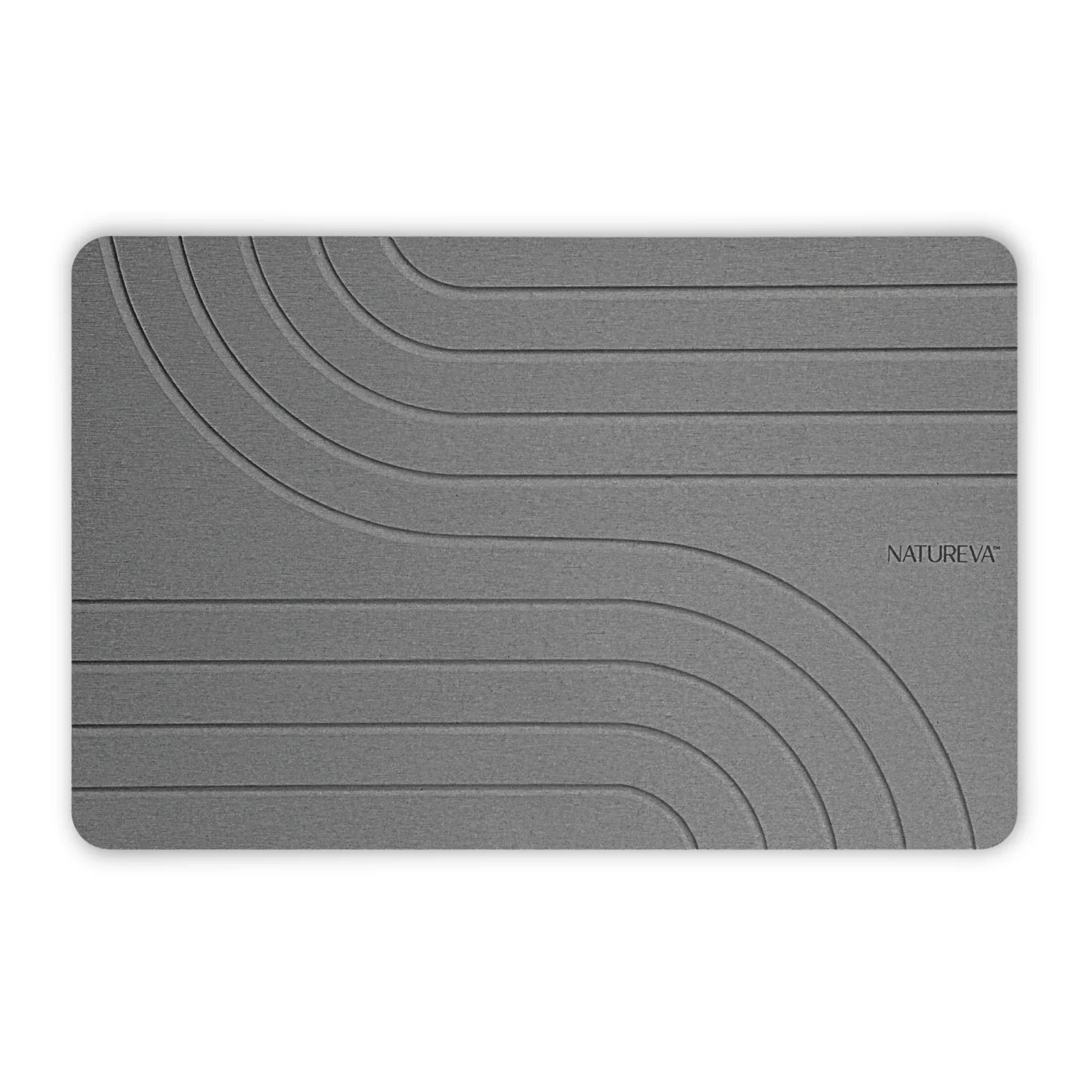
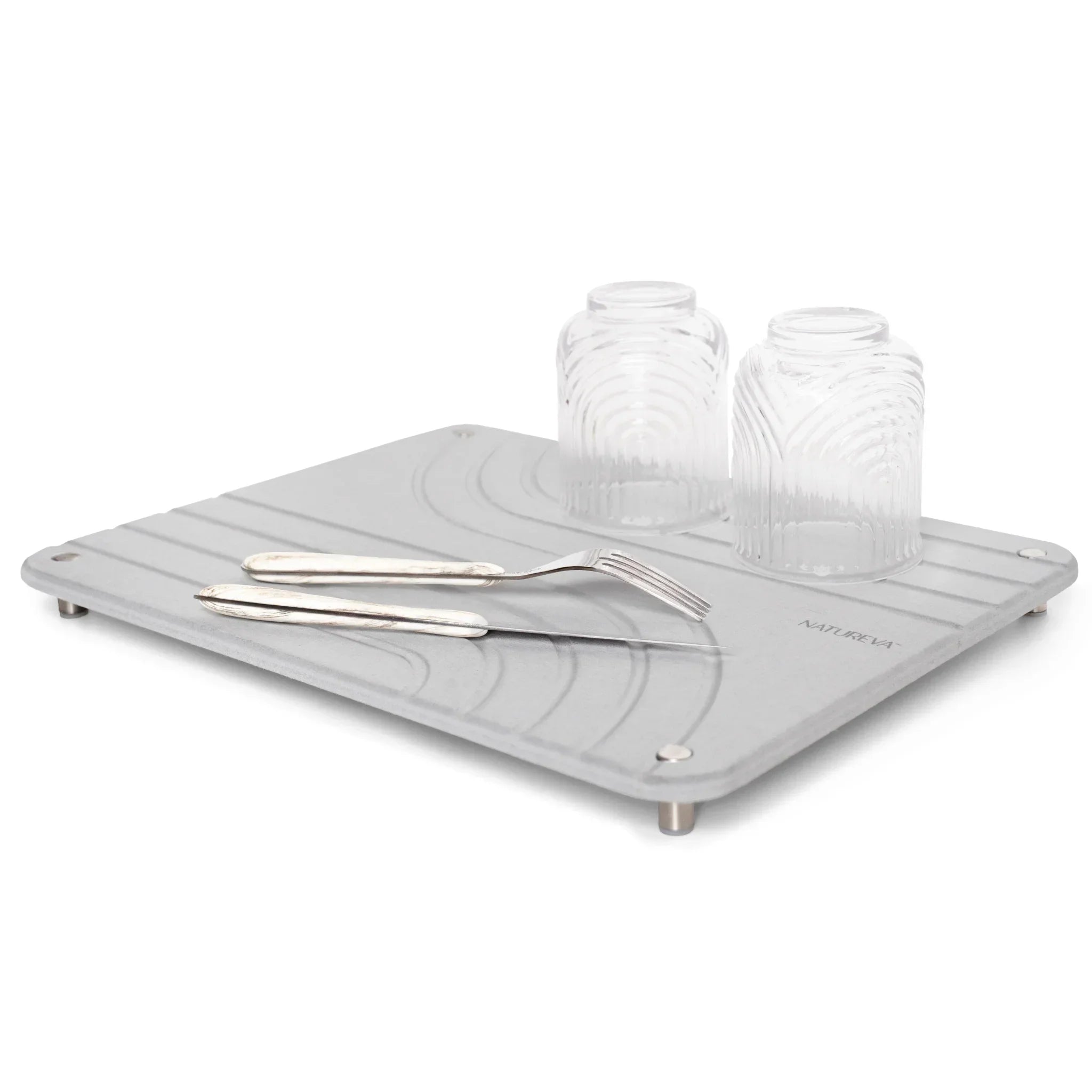
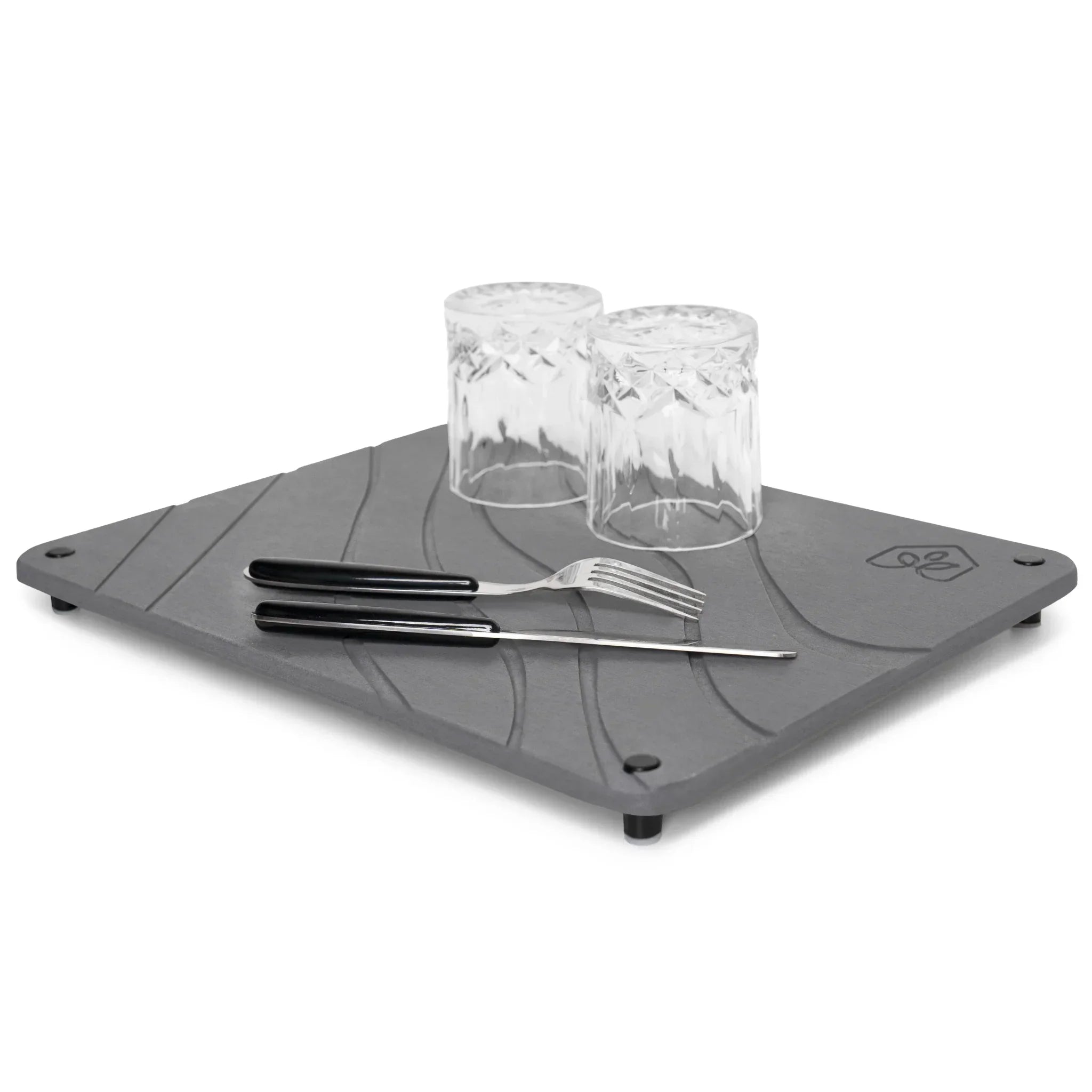
Most stone bath mats, including Natureva's collection, aren't pure diatomite. They're made from a composite that combines diatomaceous earth with recycled paper, then compressed into a solid, stone-like form. This construction makes the mat durable enough to stand on every day while keeping it light enough to move around easily. The composite weighs about 1.8 kg for a full-size mat, which is heavy enough to stay put but not so heavy you can't lift it.
What's not in your mat is just as important as what is. There are no synthetic coatings, no waterproof sealants, and no chemical antibacterial treatments. The surface stays completely breathable, which is essential for the absorption and evaporation cycle to work properly. According to Consumer Reports' testing of stone bath mats, this breathable construction is what separates effective stone mats from ones that stop working after a few months.
| Material Component | Purpose | Percentage |
|---|---|---|
| Diatomaceous Earth | Moisture absorption | Primary material |
| Recycled Paper | Structural binding | Composite blend |
| Synthetic Coatings | None used | 0% |
Why This Affects How You Clean
Because your stone mat relies on open pores to function, anything that clogs those pores will stop it from working. Soap residue, body oils, hard water minerals, and even some cleaning products can build up inside the microscopic channels over time. When that happens, water can't get in to be absorbed, and the mat starts feeling slippery or stays wet longer than it should.
The good news is that the same pore structure that absorbs water also makes the mat easy to restore. You just need to understand what you're working with:
- The pores need to stay open and clear to absorb moisture
- The surface can be refreshed by removing the top layer
- The material doesn't trap bacteria because it dries so fast
- Regular maintenance prevents buildup before it becomes a problem
Understanding this structure explains why you can't just throw your stone mat in the washing machine or scrub it with regular bathroom cleaner. The cleaning approach needs to work with the material's natural properties, not against them. That's why most stone mats, like the ones from Natureva, come with a specific sanding tool designed to reopen those surface pores when they start to clog.
Weekly Cleaning That Takes 2 Minutes
Most people think stone bath mats need complicated care routines, but the truth is simpler than you'd expect. A quick weekly wipe is all it takes to keep your mat working like new. The key is using the right solution and avoiding anything that clogs those microscopic pores that make diatomite so effective. Once you get into the habit, it becomes as automatic as wiping down your bathroom counter.
The best cleaning solution is something you probably already have in your kitchen. Mix equal parts white vinegar and water in a spray bottle, and you've got everything you need. Vinegar cuts through soap scum and mineral deposits without leaving residue behind.
- Spray the vinegar solution across the entire surface
- Wipe gently with a soft cloth or sponge
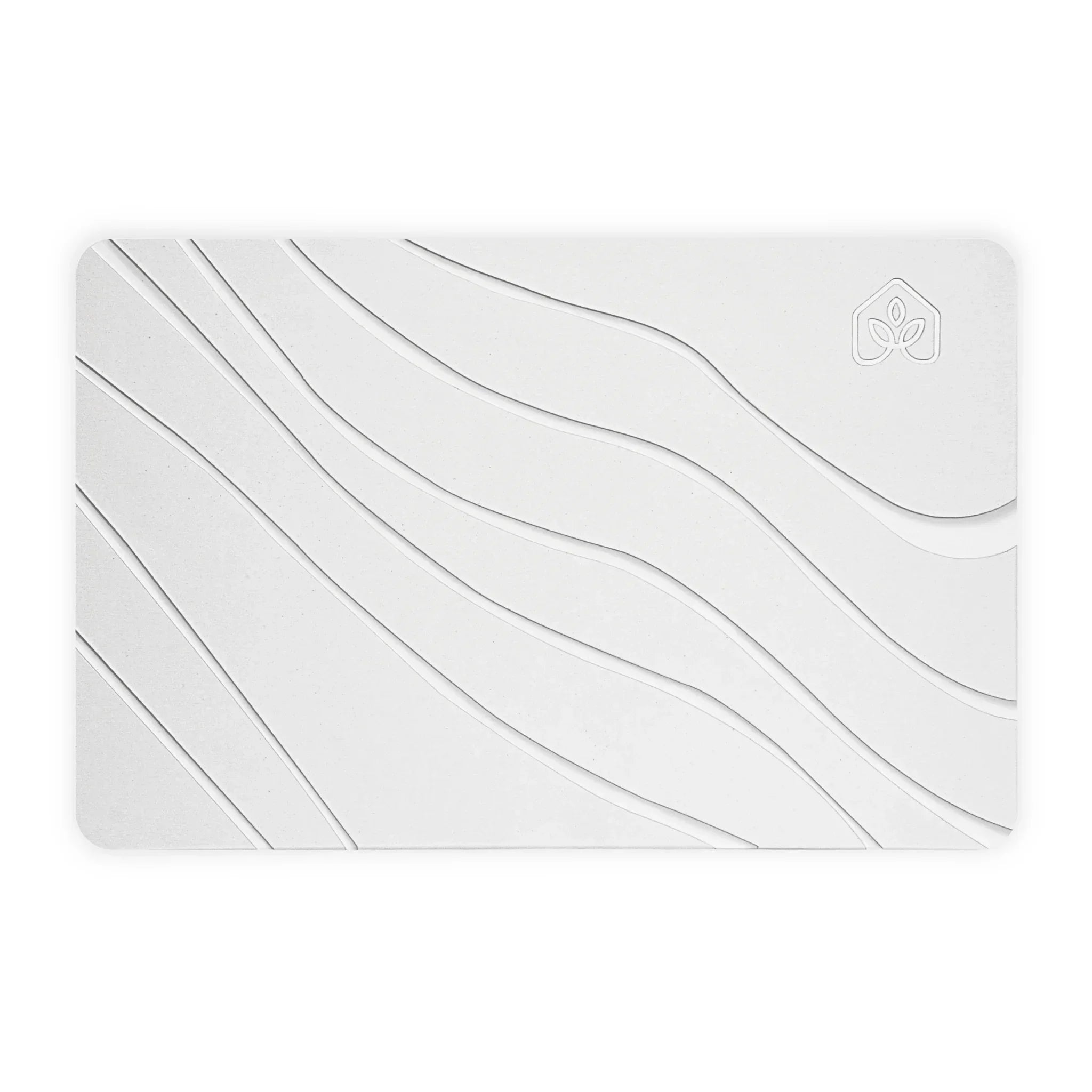
- Avoid harsh scrubbing that damages the carved patterns
- Let the mat air dry completely before placing it back
- Store the spray bottle under your sink for next week
The whole process takes about two minutes, maybe less once you've done it a few times. Weekly cleaning prevents soap scum and mineral buildup from blocking the pores that absorb water. Think of it like clearing a drain before it gets clogged, not after.
One thing worth mentioning is that you should never scrub aggressively. The surface texture of your Natureva stone mat is designed to stay smooth while maintaining absorption. Hard scrubbing can wear down the engraved patterns over time, and that's not what you want.
Removing Stains Without Damaging the Surface
Stains happen, especially in a bathroom where soap, shampoo, and who knows what else ends up on the floor. The good news is that most stains come out easily if you catch them early. Fresh stains rinse away under running water without any special treatment. The longer a stain sits, though, the more it seeps into those porous channels that make the mat absorbent in the first place.
Rinse fresh stains immediately under running water and you'll save yourself trouble later. For anything that's already set in, you'll need a slightly different approach.
| Stain Type | Cleaning Solution | Wait Time |
|---|---|---|
| Soap residue | Vinegar water | None |
| Organic marks | Hydrogen peroxide | 10-15 minutes |
| Oil-based stains | Gentle dish soap | 5 minutes |
| Mineral deposits | Vinegar water | 2-3 minutes |
Hydrogen peroxide works wonders on stubborn organic stains like makeup or hair dye. Apply peroxide directly to the stain, let it sit for 10-15 minutes, then rinse thoroughly. You'll see the stain lift as the peroxide breaks down the organic compounds. Just make sure you're using plain hydrogen peroxide, not the kind mixed with other chemicals.
Here's what you should absolutely avoid: colored soaps leave permanent marks on diatomite. The dyes seep into the pores and become part of the material. Never use bleach or harsh chemical cleaners either, as they can break down the composite structure of the stone. Stick with clear, gentle solutions and you'll be fine.
Oil-based stains need a tiny amount of gentle dish soap mixed with water. Apply it, let it sit for about five minutes, then rinse completely. The soap breaks down the oil without leaving its own residue behind.
Restoring Absorbency with the Sanding Tool
Even with perfect cleaning habits, your stone mat will eventually feel less absorbent. Water might bead on the surface instead of disappearing instantly. This happens because the microscopic pores get filled with tiny particles over time, kind of like how a coffee filter gets clogged. The solution is surprisingly simple and comes included with every Natureva stone product.
The next generation of home essentials: naturally made, cleaner by design, sustainable by nature.
SHOP ALLEvery mat includes a P320 grit sanding disc designed specifically for diatomite. This isn't regular sandpaper from the hardware store. The grit level is carefully chosen to reopen surface pores without damaging the material underneath.
- Wait until the mat is completely dry
- Use gentle circular motions across the entire surface
- Apply light pressure, letting the sandpaper do the work
- Cover every inch, including the carved patterns
- Rinse away dust particles under running water
- Let the mat dry completely before using
The transformation is immediate. Sanding restores the mat to like-new absorption instantly, and you'll notice water disappearing the moment it touches the surface again. Most people only need to sand every few months, depending on how often the mat gets used.
You'll know it's time to sand when water stops absorbing as quickly as it used to. Don't wait until the mat feels completely saturated. Use the sanding tool when the mat feels less absorbent or water beads on the surface, and you'll keep it performing at its best.
The sanding disc that comes with your mat is reusable for multiple restoration sessions. Store it somewhere dry, and it'll last for years. If you ever need more detailed guidance, check out our complete care and cleaning guide.
What to Avoid to Prevent Permanent Damage
Some cleaning mistakes can ruin a stone mat permanently, and most of them seem harmless at first. The composite structure of diatomite and recycled paper is durable, but it's not indestructible. Certain products and techniques break down the material in ways that can't be reversed. Knowing what to avoid is just as important as knowing what to do.
Never use fabric softener or oil-based products anywhere near your stone mat. These create a coating that seals the pores and destroys the absorption completely. Once oil penetrates deep into the material, it's nearly impossible to remove.
- Don't use abrasive scrub brushes or steel wool
- Never submerge the mat in water for extended periods
- Keep it away from direct heat sources like radiators
- Don't store the mat while it's still damp or wet
- Avoid placing heavy objects on it during storage
Chemical cleaners are another common mistake. Never use bleach, ammonia, or harsh chemicals on diatomite. These break down the binding agents that hold the composite together. The mat might look fine at first, but it'll start crumbling or losing structural integrity over time.
Colored and scented soaps deserve special mention because they seem so innocent. The dyes and fragrances in these products stain diatomite permanently. Stick with clear, unscented cleaning solutions and you'll avoid this problem entirely.
Storage matters too. If you put the mat away while it's still wet, moisture gets trapped inside with nowhere to evaporate. This can lead to odors and eventually compromise the material. Always let it dry completely first, preferably standing upright against a wall where air can circulate around it.
Understanding how to extend your stone bath mat's lifespan comes down to avoiding these common pitfalls. The material is naturally antibacterial and low-maintenance, but only if you treat it right. With proper care, your Natureva stone mat will keep performing for years without losing its absorption or developing odors.
Keep Your Mat Performing Like New
Learning how to clean bath stone mat surfaces properly makes all the difference between a mat that lasts a few months and one that performs for years. The good news is that diatomite doesn't need much attention to stay in top shape. A quick weekly wipe with diluted vinegar handles most buildup before it becomes a problem, and treating stains right when they happen keeps the surface looking clean without any harsh chemicals.
When absorption starts to slow down, that P320 sanding tool included with your mat brings everything back to normal. Just a light surface sand reopens those microscopic pores and restores the instant drying you got on day one. It takes maybe two minutes and works every time.
The natural antibacterial properties of diatomite mean you're not relying on chemical treatments that wear off or need reapplying. The material itself stays effective because of how it manages moisture, not because of what's been added to it. Our stone bath mats are designed to handle daily use without breaking down, and the same care routine works across all our diatomite products, whether you're maintaining a dish mat or pet mat.
Most people find that once they get into a simple rhythm with these basic steps, the mat just keeps working without much thought. That's kind of the point. You probably still have questions about specific situations or troubleshooting, which is exactly what we'll cover next.
For complete maintenance details and product-specific care instructions, check out our full care and cleaning guide.
Common Questions About Stone Mat Care
Diatomite bath mats work differently than fabric or rubber alternatives, which means the care routine looks a bit different too. Most questions about stone mat maintenance come down to understanding how the material actually functions and what keeps it performing at its best. Here are the most common concerns people have when learning how to clean bath stone mat products and maintain their absorbency over time.
How often should I clean my stone bath mat?
A quick wipe with vinegar water once a week is usually enough for regular maintenance. If you notice any soap residue or light staining between cleanings, just rinse the mat under water and let it air dry upright. The mat doesn't trap moisture like fabric, so it stays naturally cleaner with less effort.
Can I use regular bathroom cleaners on diatomite?
Skip the harsh chemicals and stick with diluted white vinegar or plain water. Regular bathroom cleaners can leave residue that clogs the microscopic pores in the stone, which reduces absorption over time. Natureva stone bath mats are designed to stay clean through rapid drying rather than chemical treatments, so gentle cleaning methods work best.
When do I know it's time to sand the surface?
If water starts pooling on the surface instead of absorbing immediately, the pores are likely clogged with soap buildup or body oils. That's when you use the included P320 grit sanding tool to gently resurface the mat. Most people only need to sand every few months, depending on how much product buildup occurs in their routine.
What if my mat stops absorbing water completely?
Try sanding first to reopen the surface pores. If that doesn't restore absorbency, the mat might be fully saturated and needs time to dry out completely. Stand it upright in a well ventilated area for 24 hours. For stubborn stains blocking absorption, hydrogen peroxide can help break down organic buildup before sanding.
Is it normal for the mat to feel rough after sanding?
Yes, the surface will feel slightly more textured immediately after sanding because you've exposed fresh diatomite. This roughness smooths out naturally with regular use over the next few days. The texture doesn't affect performance and actually helps with the mat's grip underfoot.
How do I clean the non slip base pad?
The silicone base pad can be wiped down with soapy water whenever you clean your bathroom floor. If it loses grip over time, rinse it thoroughly to remove any dust or residue that might have built up. Let it air dry completely before placing the mat back down.
The next generation of home essentials: naturally made, cleaner by design, sustainable by nature.
SHOP ALL