
How to Clean a Drying Stone Without Damaging It
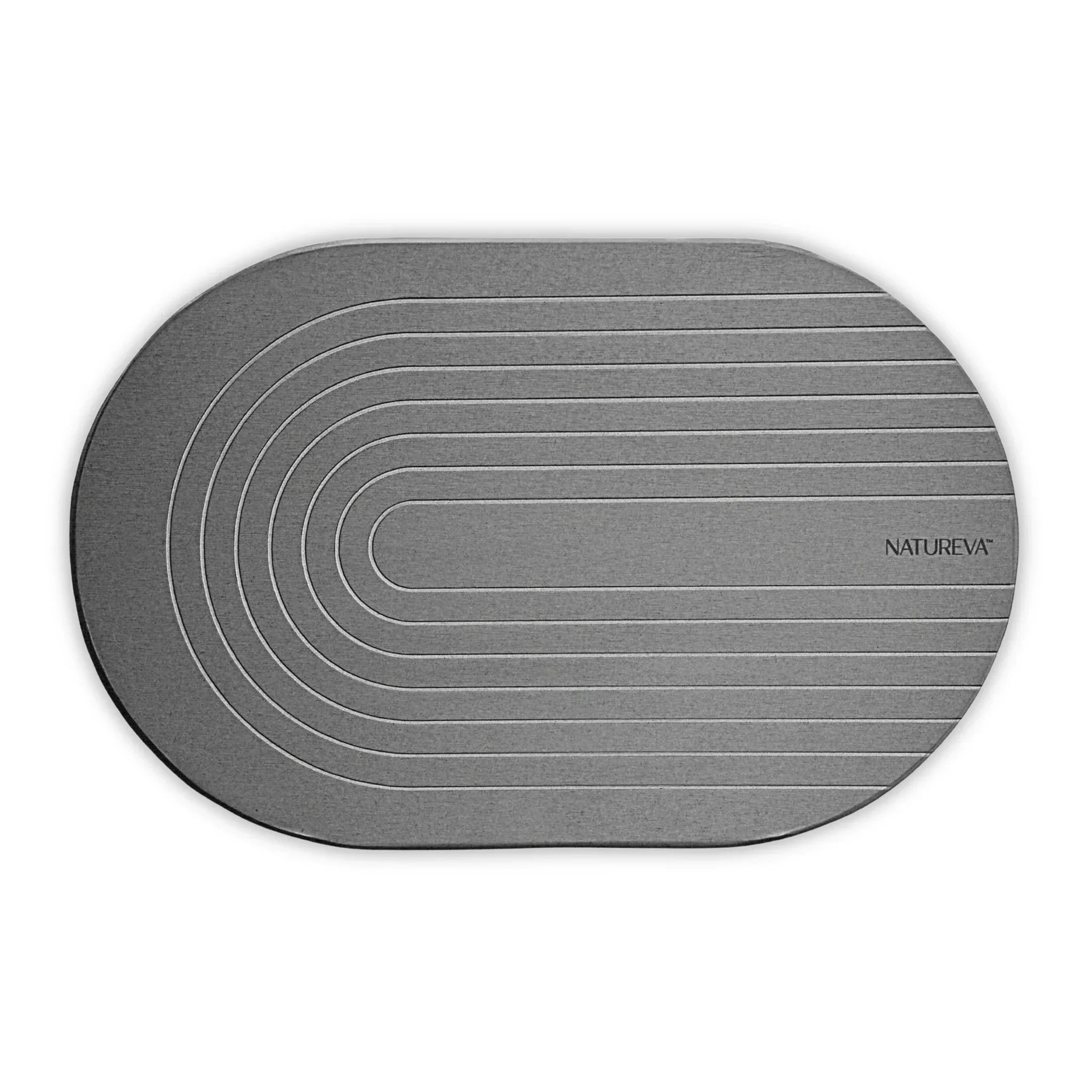
Your drying stone mat works because millions of tiny pores pull water in and let it evaporate fast, but those same pores can get clogged with soap residue, oils, and minerals if you clean them the wrong way. Most people treat their diatomite stone like any other bathroom surface and accidentally ruin its absorbency within weeks. Learning how to clean drying stone properly takes just a few minutes and keeps products like Natureva's stone bath mats and sink caddies working like new for years.
Table of Contents
What Makes Diatomite Stone Special
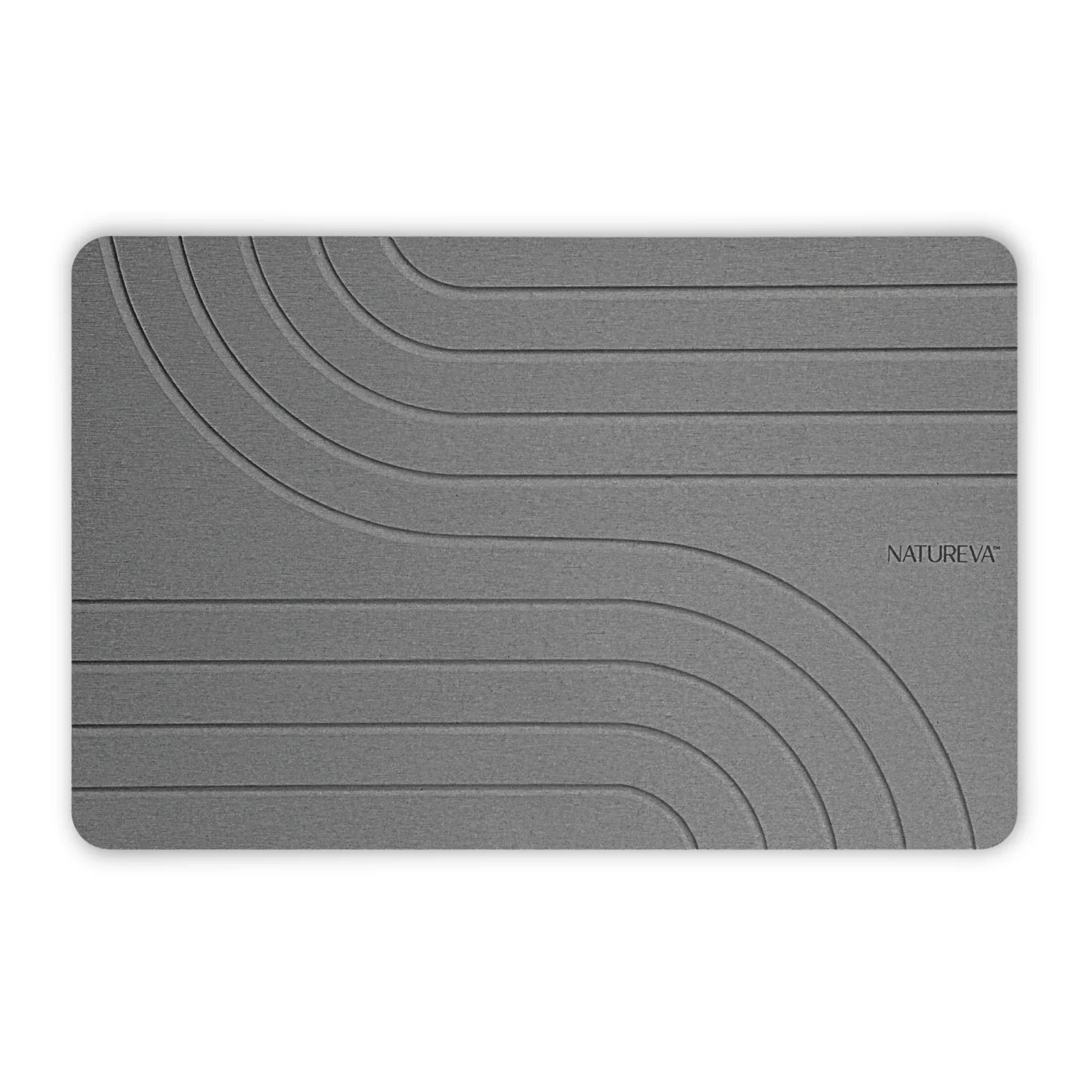
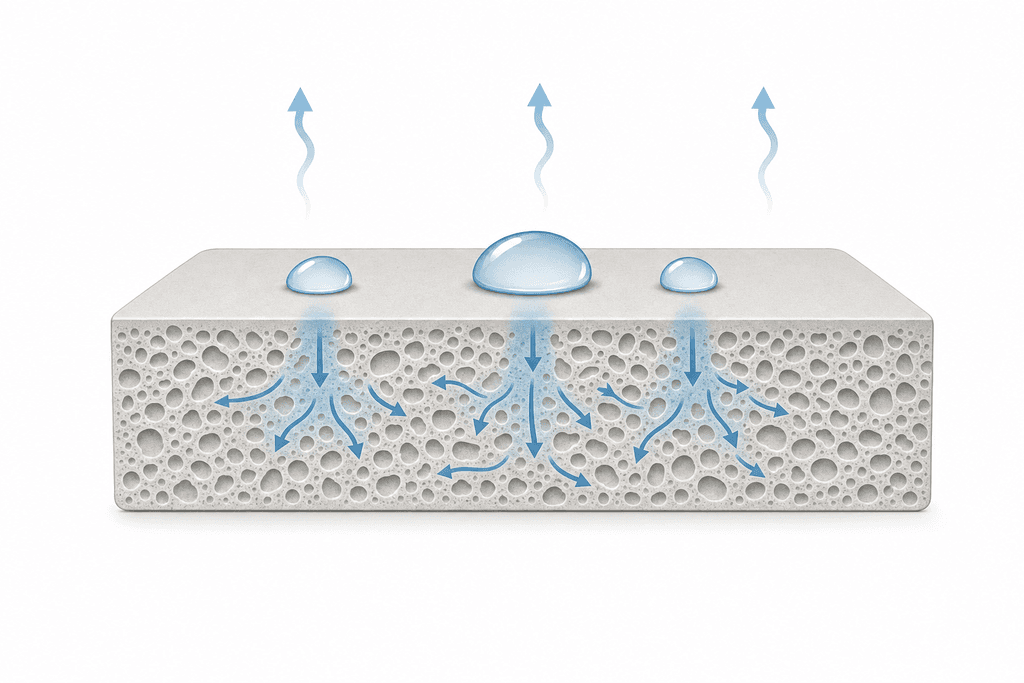
Diatomite stone products work differently than regular bath mats or dish mats because of what they're made from. The material comes from fossilized algae called diatoms that lived millions of years ago. When you look at diatomite under a microscope, you'll see it's filled with tiny holes, kind of like a sponge but way smaller. These microscopic pores are what make the stone absorb water so fast when you step out of the shower or place a wet dish on it.
How the Pores Work
The millions of tiny pores in diatomite don't just soak up water and hold it like a towel does. Instead, they pull moisture in quickly and then release it back into the air through evaporation. This happens way faster than fabric or wood, which is why your stone bath mat feels dry again within minutes. The same porous structure that makes it absorbent also keeps it from staying wet for long periods.
Here's what those pores do for you:
- Pull water away from surfaces instantly on contact
- Allow air to flow through the material for rapid drying
- Prevent moisture from sitting long enough to create odors
- Stop bacteria from finding the damp conditions they need to grow
Natural Antibacterial Without Chemicals
Most bath mats and kitchen mats need chemical treatments to fight bacteria and mold. Diatomite doesn't work that way. The stone stays naturally antibacterial because it dries so fast that bacteria can't survive on the surface. Bacteria need moisture to multiply, and when your mat is dry within minutes, there's no environment for them to thrive in.
Natureva stone products, like our bath mats and sink caddies, use a composite blend of diatomaceous earth and recycled paper. This combination creates a solid, durable surface that still breathes. There are no synthetic coatings or sealants that would trap moisture inside. The material stays porous and functional because nothing blocks those microscopic holes.
Why the Surface Needs Care
Because diatomite works through its porous structure, keeping those pores open is the key to maintaining performance. Over time, soap residue, body oils, hard water minerals, and dust can settle into the tiny holes on the surface. When this happens, water can't absorb as quickly because the pores are partially blocked. The stone isn't broken, it just needs the surface cleaned and refreshed.
Understanding how to clean drying stone properly means knowing what you're actually cleaning. You're not washing away dirt from a sealed surface. You're reopening microscopic channels that let water flow through. Proper diatomite care focuses on removing buildup without damaging the porous structure underneath.
| Material Property | What It Does | Why It Matters |
|---|---|---|
| Microscopic pores | Absorb water instantly | Keeps surfaces dry |
| Rapid evaporation | Releases moisture to air | Prevents odor buildup |
| No chemical coating | Surface stays breathable | Maintains natural function |
| Composite construction | Adds durability | Lasts through daily use |
The science behind diatomite is simple once you understand it. The material only works when the pores stay open and clear. Regular maintenance keeps your stone products performing the way they did when new. Without proper care, even the best diatomite stone will start to feel less absorbent over time.
Weekly Cleaning That Actually Works
Most people think drying stones need complicated care routines, but the truth is simpler than you'd expect. A quick weekly wipe is usually all it takes to keep your diatomite products working like new. The key is using the right cleaning solution and avoiding anything that might clog up those microscopic pores that make the stone so absorbent in the first place. Once you understand how the material works, maintenance becomes second nature.
Mix equal parts white vinegar and water in a spray bottle or bowl. This simple solution cuts through soap residue and mineral deposits without leaving behind any film that could block absorption. Grab a soft cloth, dampen it with your vinegar mixture, and wipe the surface gently. Never soak your stone or submerge it in water, as this can saturate the material and slow down the natural drying process.
- Use a damp cloth, not a soaking wet one
- Wipe in the direction of any engraved patterns
- Skip harsh chemicals like bleach or ammonia
- Avoid coloured soaps that can stain the porous surface
- Let the stone air dry completely before using it again
The vinegar smell disappears once the stone dries, usually within an hour or two. If you're dealing with a bath mat or dish mat that gets heavy daily use, this weekly routine keeps buildup from forming. Proper cleaning prevents most absorption problems before they even start, which means less sanding and longer product life overall.
Removing Stains Without Damage
Stains happen, especially in high traffic areas like bathrooms and kitchens. The good news is that most marks on diatomite stone come off easier than you'd think. Fresh stains are the simplest to handle because they haven't had time to settle into the porous structure. The moment you notice something, your best move is to rinse it under running water and let the stone dry upright. This works for coffee rings on coasters, water spots on sink caddies, and even muddy paw prints on pet mats.
Soap residue needs a different approach. If you've been using body wash or dish soap directly on your stone surface, you might notice a filmy layer building up over time. This is where your vinegar solution comes in handy again. Apply it to the affected area, let it sit for a minute, then wipe clean and rinse.
| Stain Type | Treatment Method | Time Required |
|---|---|---|
| Fresh water marks | Rinse under tap | 1 minute |
| Soap buildup | Vinegar solution | 5 minutes |
| Oil or lotion | Hydrogen peroxide | 15 minutes |
| Deep set stains | Sanding tool | 10 minutes |
Oil-based marks respond well to hydrogen peroxide. Pour a small amount directly on the stain, let it bubble for about 15 minutes, then rinse thoroughly. This method works for lotion, cooking oil, or any greasy residue that water alone won't touch. For stubborn marks that won't budge with liquid treatments, you'll need to move on to sanding, which we'll cover next.
Prevention beats treatment every time. Place your bath mat where shampoo bottles won't drip on it constantly. Keep your dish mat away from the direct splash zone of coloured liquids. Position coasters under glasses before condensation forms. These small habits make a big difference in how often you'll need to deal with stains. You can find more detailed stain removal tips in our complete care guide.
The next generation of home essentials: naturally made, cleaner by design, sustainable by nature.
SHOP ALLRestoring Absorbency with Sanding
Even with perfect cleaning habits, your drying stone will eventually need sanding. This isn't a sign of failure, it's just how the material works over time. Daily use gradually fills those microscopic pores with tiny particles of dust, skin cells, and mineral deposits from water. When you notice water pooling on the surface instead of disappearing instantly, or if absorption takes more than a few seconds, it's time to break out the sanding tool that came with your product.
Every Natureva stone product includes a P320 grit sanding disc in a light grey colour. This specific grit level is gentle enough not to damage the stone structure but rough enough to remove the clogged surface layer. The process takes about ten minutes and brings your stone back to like-new performance.
- Take your stone to a sink or outdoor area where dust won't be an issue
- Use the sanding disc in gentle circular motions across the entire surface
- Apply light pressure, you're not trying to grind down the stone
- Cover all areas evenly, including the engraved patterns
- Rinse away the fine dust under running water
- Let the stone dry completely before using it again
Most stones need sanding every three to six months depending on how heavily they're used. A bath mat in a family bathroom might need it quarterly, while a set of coasters used occasionally could go a year between sandings. Pay attention to performance rather than following a strict schedule. The stone will tell you when it needs help.
After sanding, you'll notice the surface feels slightly rougher and looks a bit lighter in colour. This is normal and means you've successfully reopened those absorption channels. The first time water hits the freshly sanded surface, it should vanish almost instantly. If you're still seeing slow absorption after sanding, check out this detailed restoration guide for advanced troubleshooting steps.
Long-Term Care for Maximum Lifespan
The way you store and position your drying stone matters just as much as how you clean it. These aren't complicated rules, but they make a real difference in how long your products last and how well they perform. Think of it like caring for any natural material, a little attention to placement and environment goes a long way. The composite construction of diatomite and recycled paper is durable, but it does have limits when it comes to extreme conditions.
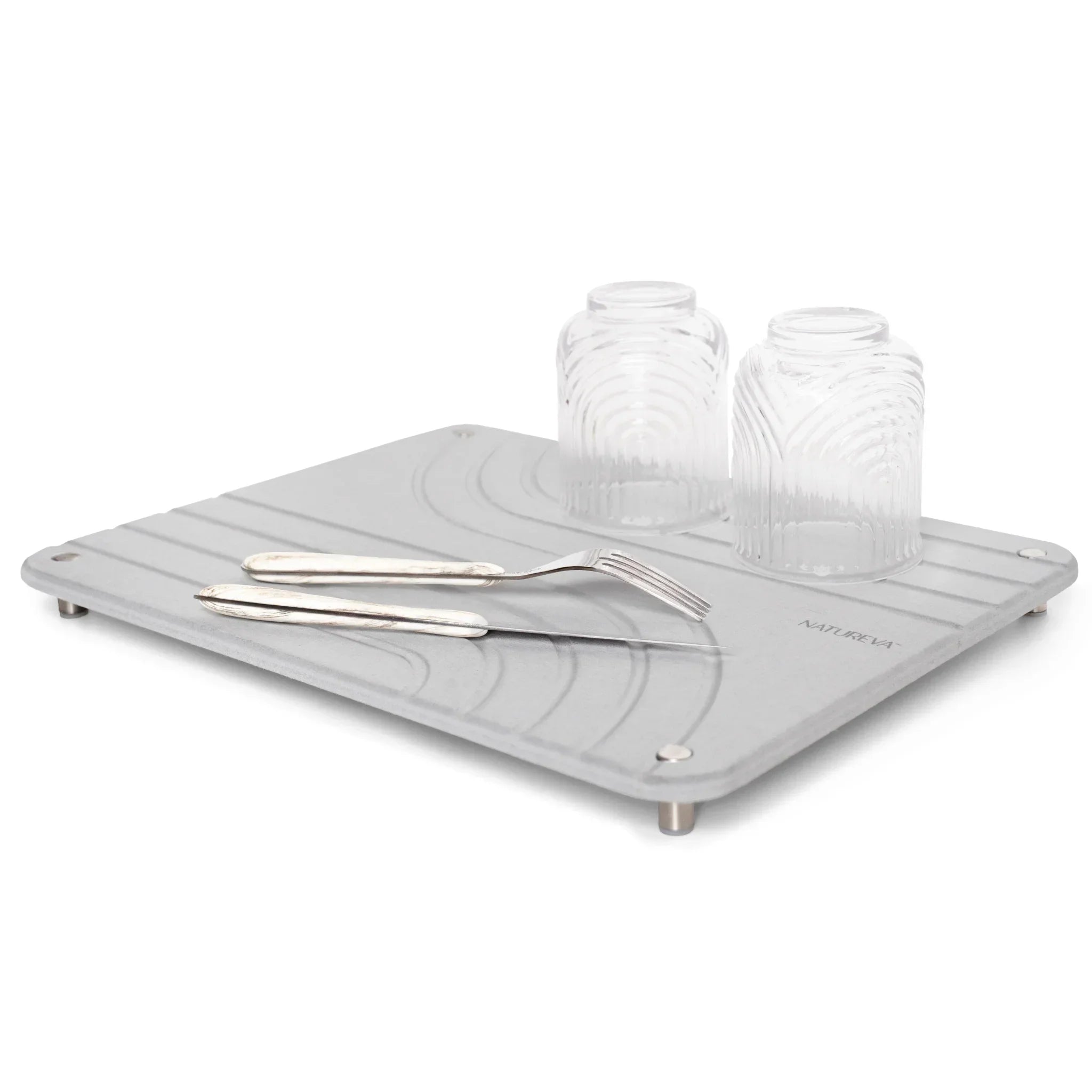
Store your stone upright when it's saturated. If you've just cleaned it or if it's absorbed an unusual amount of moisture, lean it against a wall or prop it up so air can circulate around all sides. This speeds up the drying process and prevents the base from staying damp, which could eventually affect the non-slip pad or silicone feet.
- Rotate placement every few months for even wear patterns
- Keep stones away from direct heat sources like radiators or hair dryers
- Clean the silicone pads and steel legs occasionally with soapy water
- Check that airflow underneath isn't blocked by dust or debris
- Avoid placing heavy objects on top of stored stones
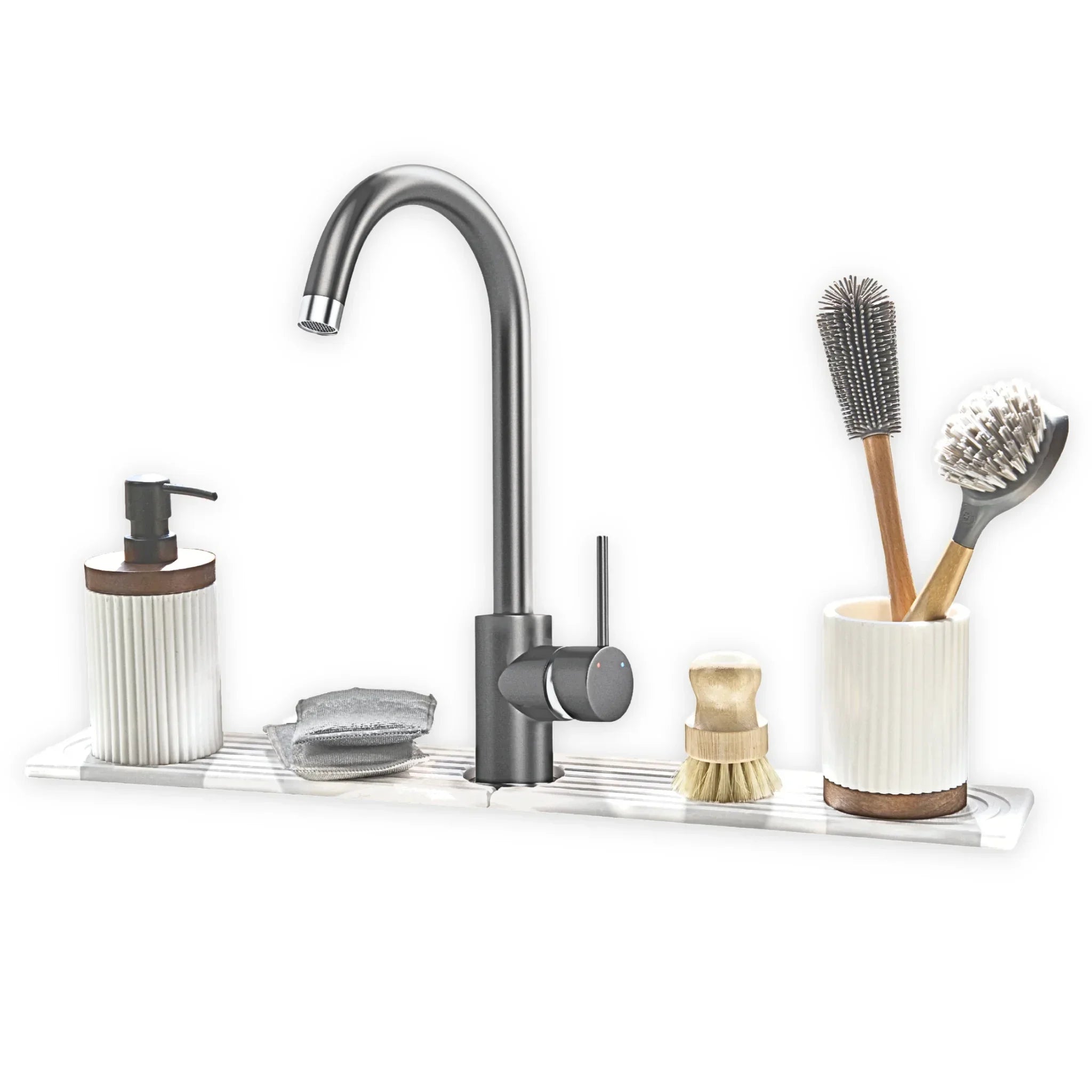
Proper airflow underneath prevents moisture saturation and protects your countertops or floors from damage. The 2mm silicone pads on coasters and plant saucers, or the 2.5cm stainless steel legs on sink caddies and dish mats, aren't just design features. They're engineered to create space for air circulation, which is critical for the stone's drying performance. If these components get dirty or lose their grip, a quick wipe with a damp cloth brings them back to full function.
Temperature extremes can crack the stone, so don't place it near heating vents in winter or in direct sunlight where it might get too hot. Room temperature and normal household humidity are ideal. With these simple habits, your Natureva products should last for years. Whether you're using a Tide bath mat, a Flow sink caddy, or any other piece from the collection, the care principles stay the same. For a complete breakdown of maintenance schedules and tips, visit our seven care tips guide.
Simple Care Keeps Stones Working Like New
The beauty of diatomite stone products is that they need very little attention to stay absorbent. A quick wipe with vinegar water once a week handles most cleaning needs, and that's usually enough to keep your bath mat or dish mat working like the day you got it. If you spill something coloured or notice a stain starting to form, just rinse it under water right away. Most marks come off without any fuss if you catch them early.
When your stone starts feeling less absorbent after months of use, that's when the included sanding tool comes in. A light sand reopens those microscopic pores and brings back full absorption in about a minute. It's not something you'll need to do often, maybe once every few months depending on how much water your stone sees.
The whole maintenance routine is simpler than washing a fabric mat or dealing with mildew buildup. No machine washing, no hanging things to dry, no replacing products that wear out quickly. Whether you're using sink caddies, coasters, or any other stone piece, the care steps stay the same.
With proper care, these stones can last for years without losing their drying power. The material doesn't break down like fabric or trap moisture like plastic alternatives. You're looking at a product that actually gets better with a little attention instead of worse. For detailed instructions on how to clean drying stone products, check out our complete care guide.
Common Questions About Cleaning Drying Stones
Keeping your drying stone working properly doesn't need to be complicated, but a few common questions come up again and again. Most issues with absorption or staining can be fixed quickly once you know what to do. Here are the answers to the most frequent concerns about maintaining your stone products.
Can I use soap on my drying stone?
Skip the soap entirely. Regular dish soap or body wash can clog the microscopic pores in your diatomite stone, which is exactly what makes it absorb water so fast. If you need to clean it, stick with a simple vinegar and water solution wiped across the surface weekly. For tougher stains, plain water or hydrogen peroxide works without blocking those tiny channels that pull moisture in.
How often should I sand my stone?
Most people only need to sand their stone every few months, or when they notice water pooling instead of absorbing right away. The P320 grit sanding tool included with every Natureva stone product is designed to reopen surface pores that get clogged with dust, skin cells, or mineral deposits from hard water. Just a light circular motion for 30 seconds usually does the trick. If you live in an area with very hard water, you might need to sand more often.
What if water stops absorbing completely?
This usually means the stone is either saturated or the surface pores are blocked. First, stand the stone upright in a dry spot for 24 hours to let it fully release any trapped moisture. If it still won't absorb after drying, use your sanding tool to refresh the surface. For stubborn buildup, rinse the stone under water and apply hydrogen peroxide to any visible stains before sanding. The stone should return to its original absorption speed once the pores are clear again.
Are there products I should never use?
Avoid anything with oils, lotions, or chemical coatings. This includes fabric softener residue from towels, scented soaps, hair products, and especially coloured liquids that can stain. Bleach and harsh chemical cleaners aren't necessary and can damage the natural composite material. Stick with vinegar, water, and hydrogen peroxide for all your cleaning needs. These simple solutions handle 99% of maintenance without risking permanent damage to the stone.
How do I clean the silicone pads and steel legs?
The transparent silicone pads and stainless steel legs on products like sink caddies and dish mats can be wiped down with warm soapy water since they're not porous like the stone. Just remove them from the stone piece, wash with regular dish soap, rinse thoroughly, and let them air dry before reattaching. The silicone pads sit flush underneath the steel legs to prevent slipping and protect your countertops, so keeping them clean helps maintain grip and prevents any buildup from transferring to your surfaces.
The next generation of home essentials: naturally made, cleaner by design, sustainable by nature.
SHOP ALL