
Do Stone Bath Mats Really Dry Faster and Stay Cleaner
Traditional fabric bath mats can stay damp for hours after a shower, creating that cold, soggy feeling nobody wants to step on. Stone bath mats made from diatomite absorb water instantly and dry within minutes, not hours, because of their unique porous structure formed from fossilised algae. The difference between standing on a wet fabric mat and a dry stone surface comes down to material science, and understanding how diatomite works explains why stone mats actually deliver on their promise to stay cleaner and dry faster.
Table of Contents
What Makes Stone Bath Mats Different
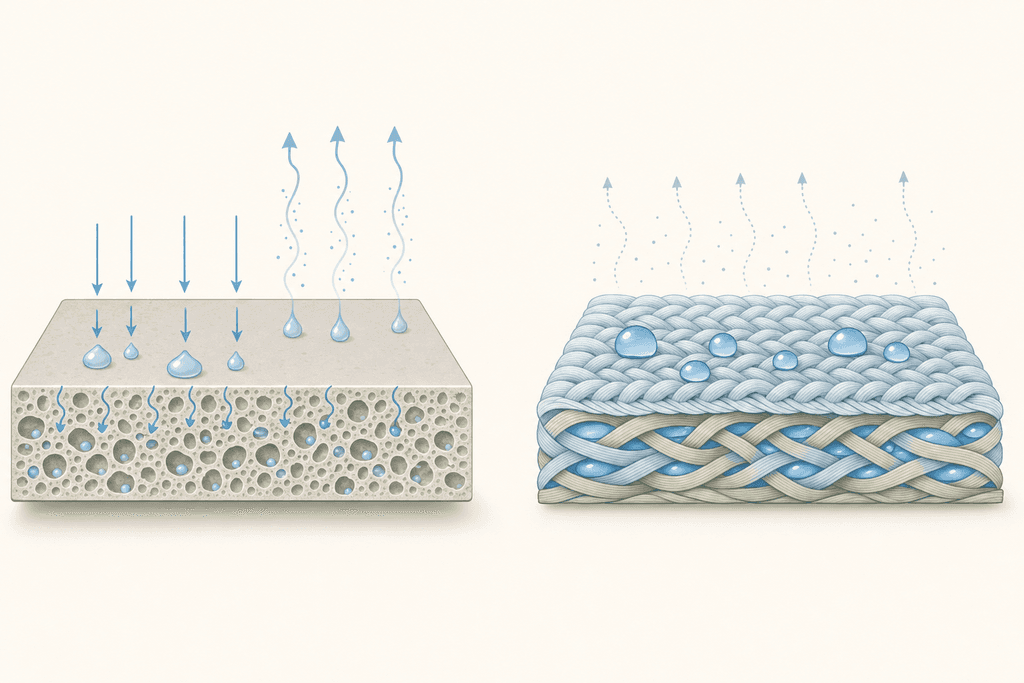
Most people don't realize their bathroom mat is basically a wet sponge sitting on the floor. Traditional fabric mats soak up water and hold onto it for hours, creating the perfect environment for mildew and bacteria. Stone bath mats work completely differently because they're made from diatomite, a natural material that doesn't trap moisture the way fabric does. Instead of holding water in, diatomite pulls it through and releases it back into the air almost immediately.
The Science Behind Diatomite
Diatomite comes from fossilised microscopic algae called diatoms that lived millions of years ago. When these tiny organisms died, their silica-based skeletons piled up on ocean floors and eventually turned into the chalky material we use today. What makes it special is the structure, millions of microscopic pores that act like tiny air channels throughout the entire mat.
Here's what happens when you step on a stone bath mat:
- Water gets pulled into the porous surface instantly through capillary action
- The moisture spreads through the internal channel network
- Air flowing around and under the mat causes rapid evaporation
- The surface returns to dry within minutes, not hours
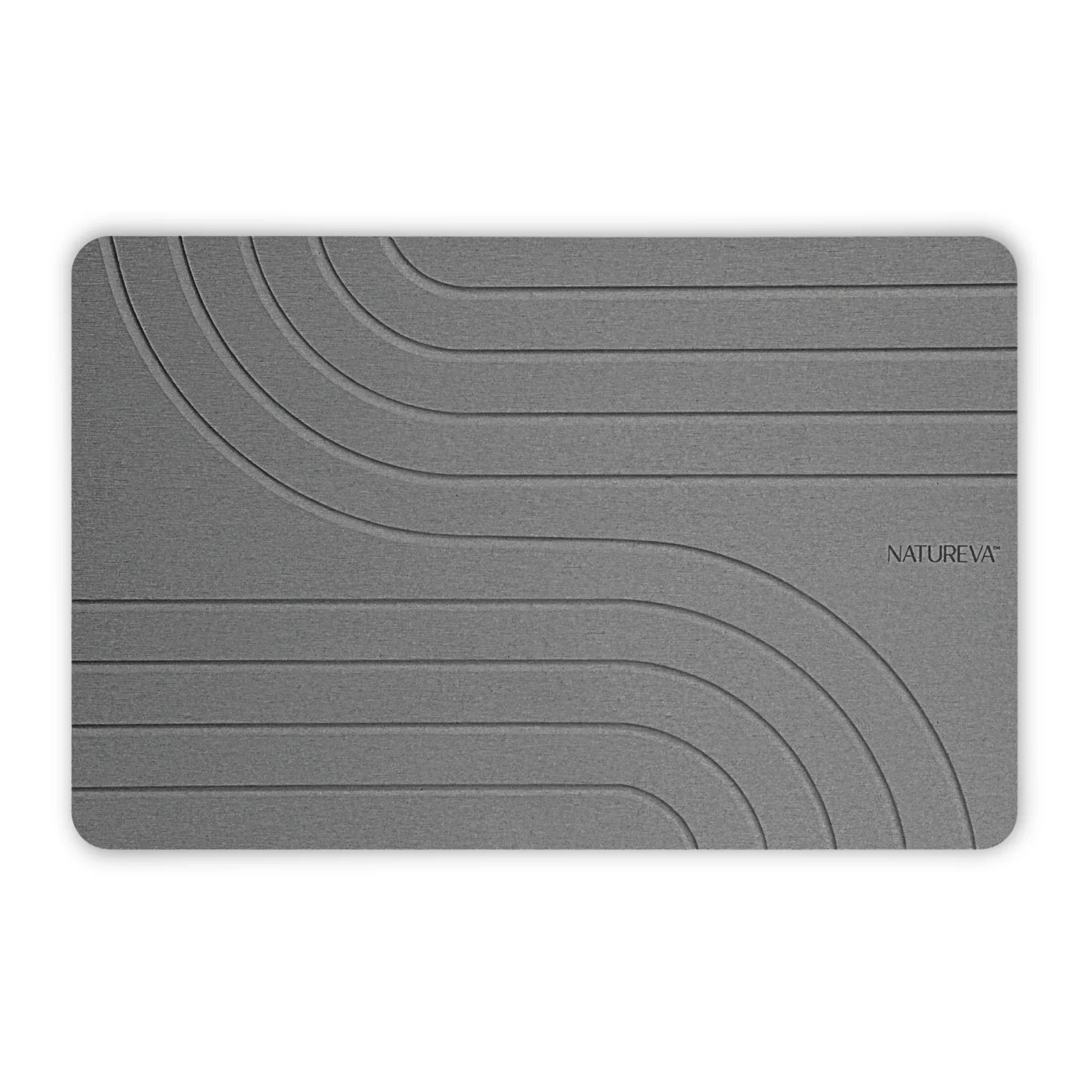
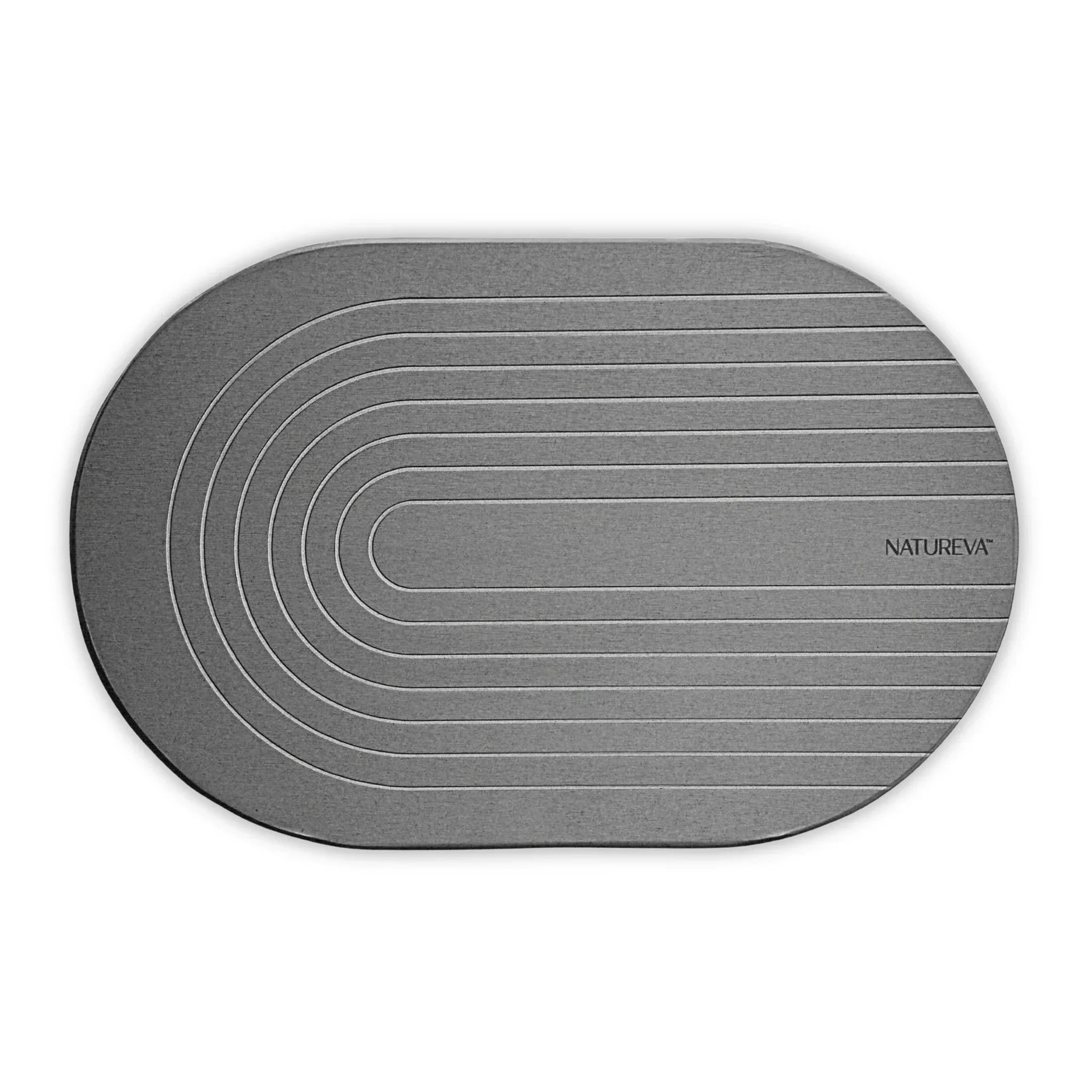
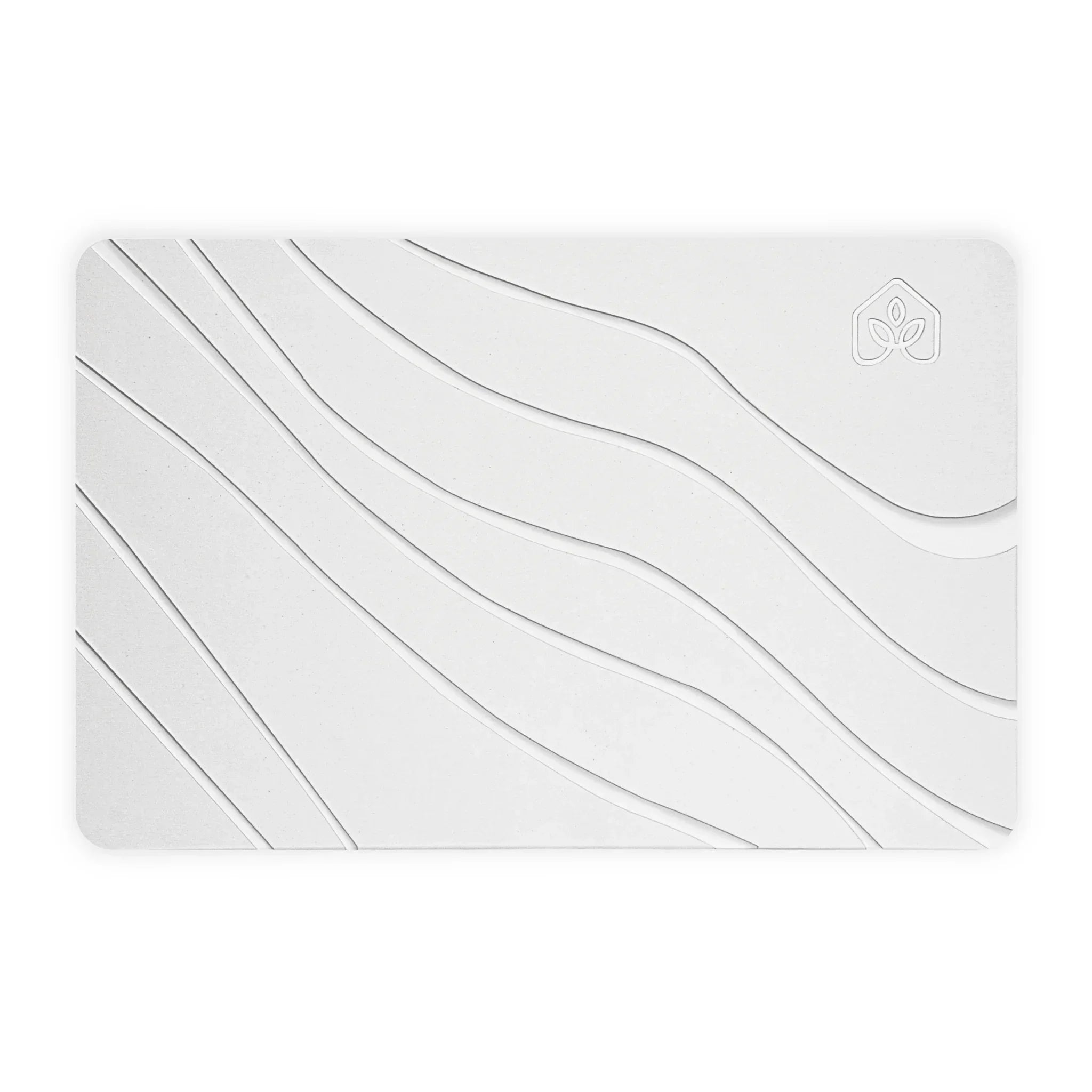
The Natureva stone bath mats use this same diatomite material compressed with recycled paper into a solid slab. No chemicals or synthetic coatings are added, which means the antibacterial properties come purely from how fast the mat dries, not from any treatments that wear off over time.
How Stone Compares to Fabric
The difference between stone and fabric becomes obvious when you look at actual drying times. Fabric mats absorb water into fibres that hold moisture like a towel, while stone mats move water through pores that release it into the air.
| Feature | Stone Bath Mat | Fabric Bath Mat |
|---|---|---|
| Surface Dry Time | 2-5 minutes | 2-4 hours |
| Full Dry Time | 30-60 minutes | 6-12 hours |
| Odor Development | Minimal (rapid drying) | Common (trapped moisture) |
| Washing Frequency | Weekly wipe down | Weekly machine wash |
| Bacteria Growth Risk | Low | High |
The porous structure is also why stone mats don't develop that musty smell fabric mats get after a few days. Bacteria and mold need consistent moisture to grow, and when a surface dries in minutes instead of hours, there's simply no time for them to establish. You can read more about the absorption and quick-drying properties of stone bath mats and how they compare to traditional options.
Why Airflow Matters
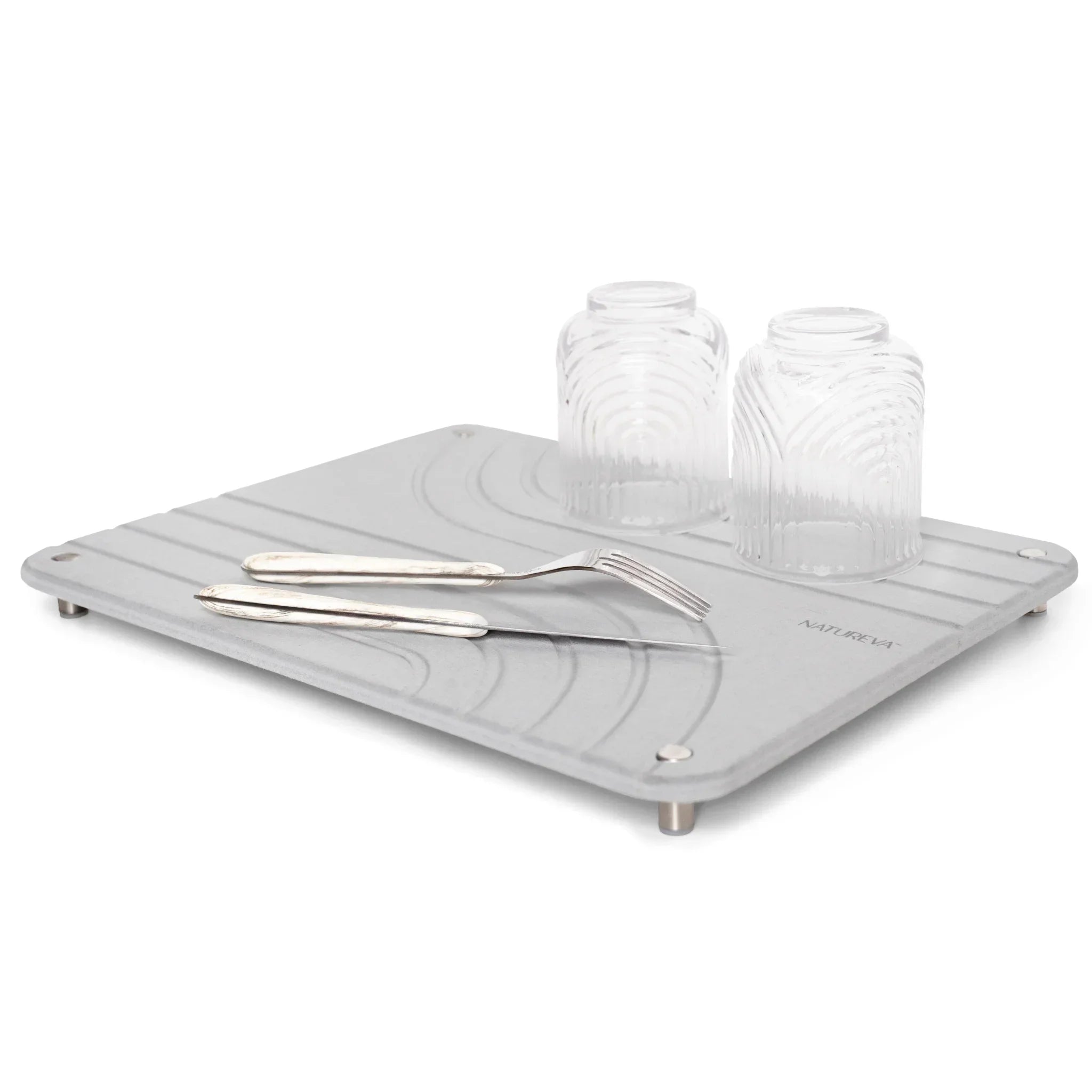
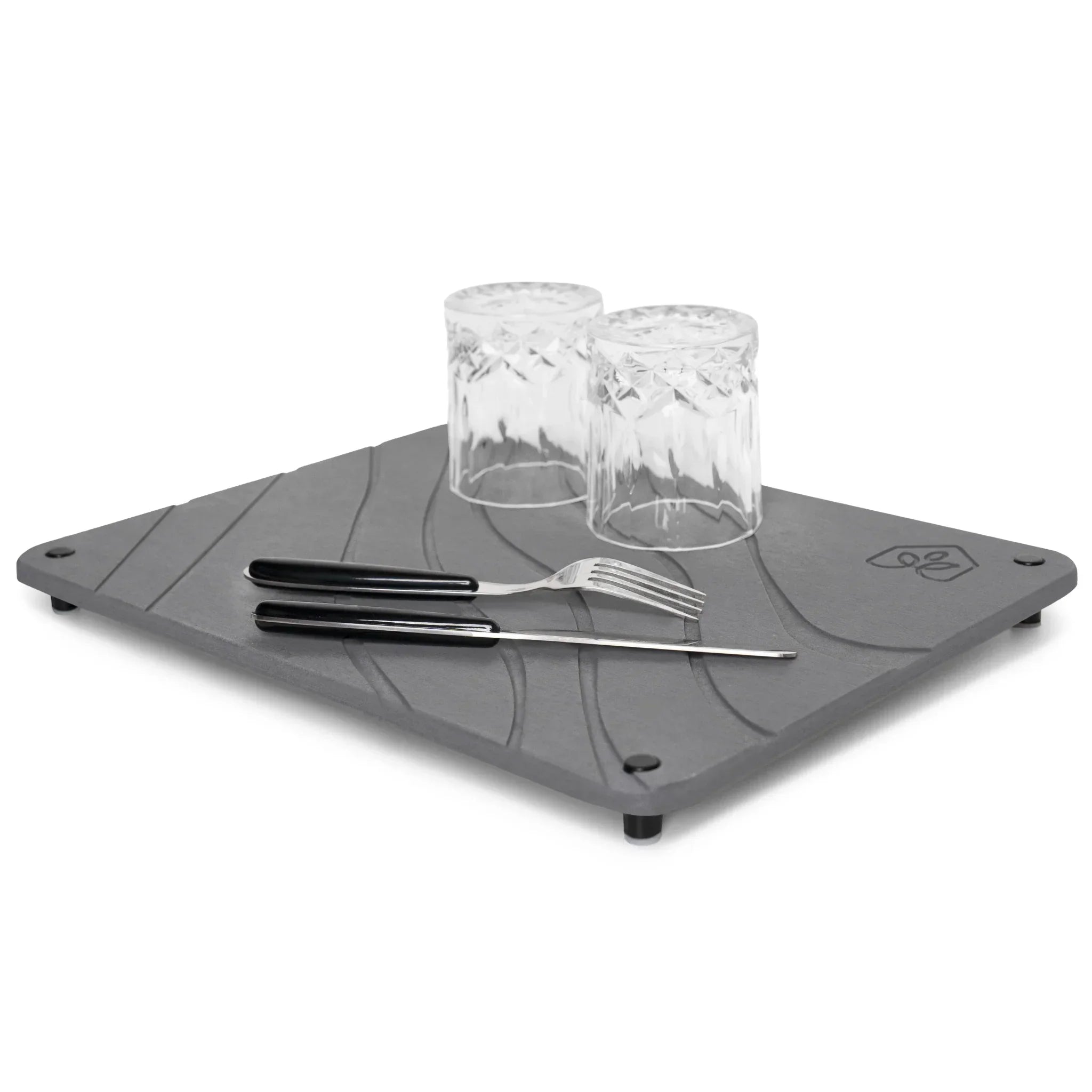
Even the best absorbing material needs help releasing moisture back into the air. That's why stone bath mats include a full non-slip base pad that lifts the mat slightly off the floor. This small gap lets air circulate underneath, which speeds up evaporation significantly.
Without proper airflow, even diatomite can become saturated:
- Moisture gets trapped between the mat and floor
- Evaporation slows down dramatically
- The mat takes longer to return to its dry state
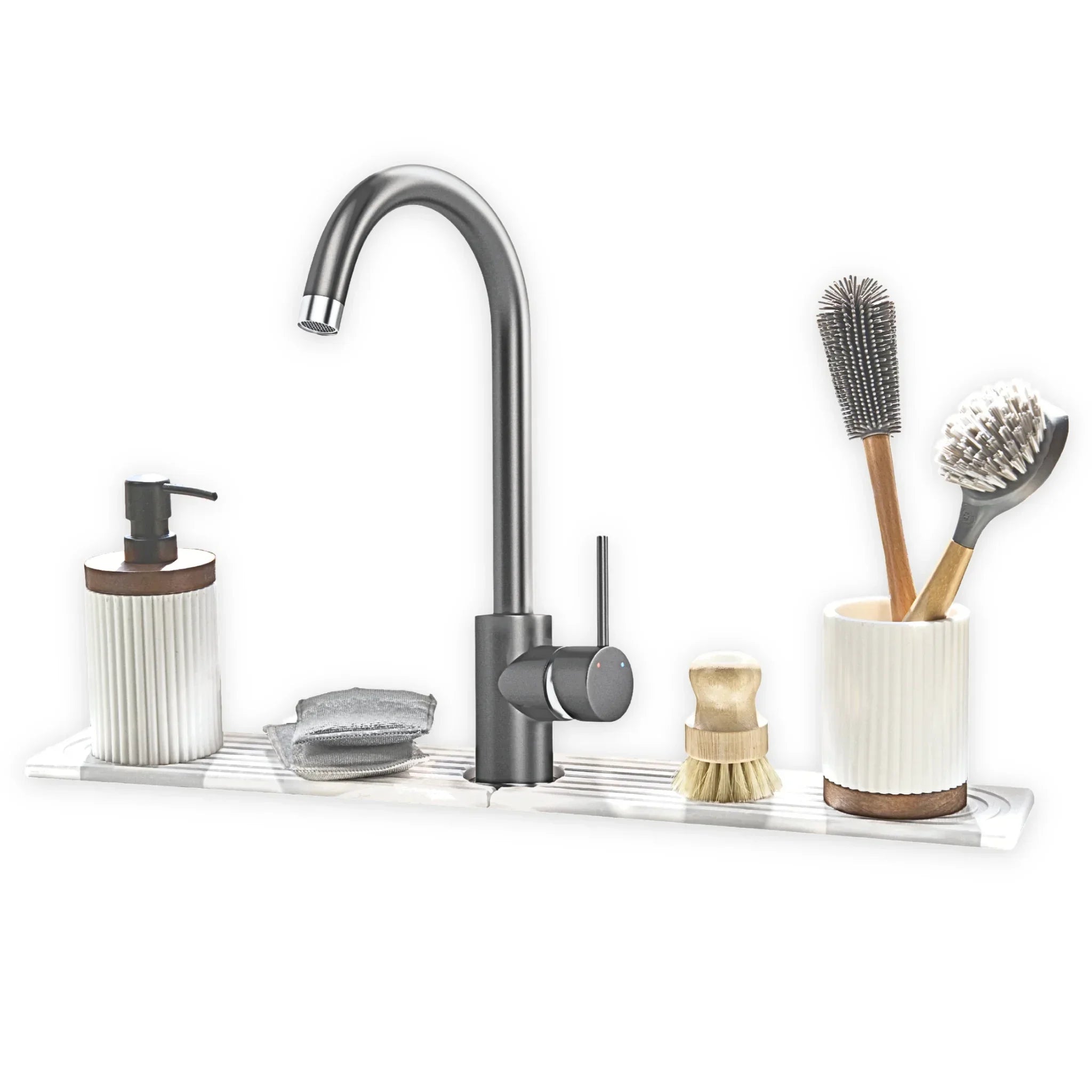
The same principle applies to other stone products like sink caddies and dish mats, which sit on small stainless steel legs to create that crucial air gap. It's a simple design choice that makes a huge difference in how well these products actually work in daily use.
How Fast Stone Bath Mats Actually Dry
Most fabric bath mats are still damp hours after your morning shower, creating a breeding ground for bacteria you can't even see. Stone bath mats work differently because of their internal structure. When you step onto a diatomite stone mat, water absorbs into the surface within seconds, pulled into millions of microscopic pores left behind by fossilized algae. The material doesn't trap moisture like fabric does. Instead, it releases water back into the air through rapid evaporation, leaving the surface dry to the touch in about 30 to 60 minutes depending on your bathroom's humidity levels.
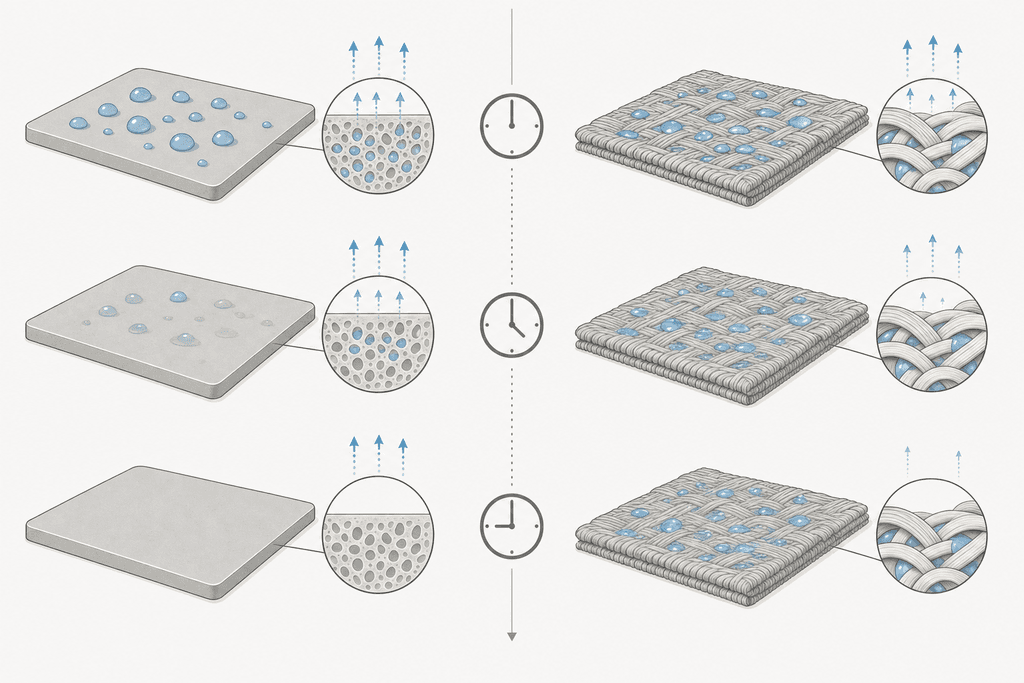
Compare that to traditional fabric mats, which can stay damp for 4 to 8 hours after use. That's a huge difference when you think about what's happening during those extra hours of moisture exposure.
- Stone mats dry completely in 30-60 minutes
- Fabric mats stay damp for 4-8 hours
- Longer dampness creates odour and bacteria problems
- The non-slip base pad allows airflow underneath
The design matters too. Our stone bath mats include a full non-slip base pad that lifts the mat slightly off the floor. This creates airflow underneath, which speeds up the evaporation process even more. The whole system works without any chemical treatments or synthetic coatings that could trap moisture or break down over time.
Why Faster Drying Means Cleaner Bathrooms
Bacteria and mould need three things to grow: warmth, organic material, and moisture. Your bathroom already has the first two covered. The third factor is the one you can actually control. Damp fabric mats create ideal conditions for microbial growth within just a few hours of getting wet. The longer a surface stays moist, the more time bacteria have to multiply. Stone mats eliminate moisture quickly, removing the environment that bacteria need to thrive in the first place.
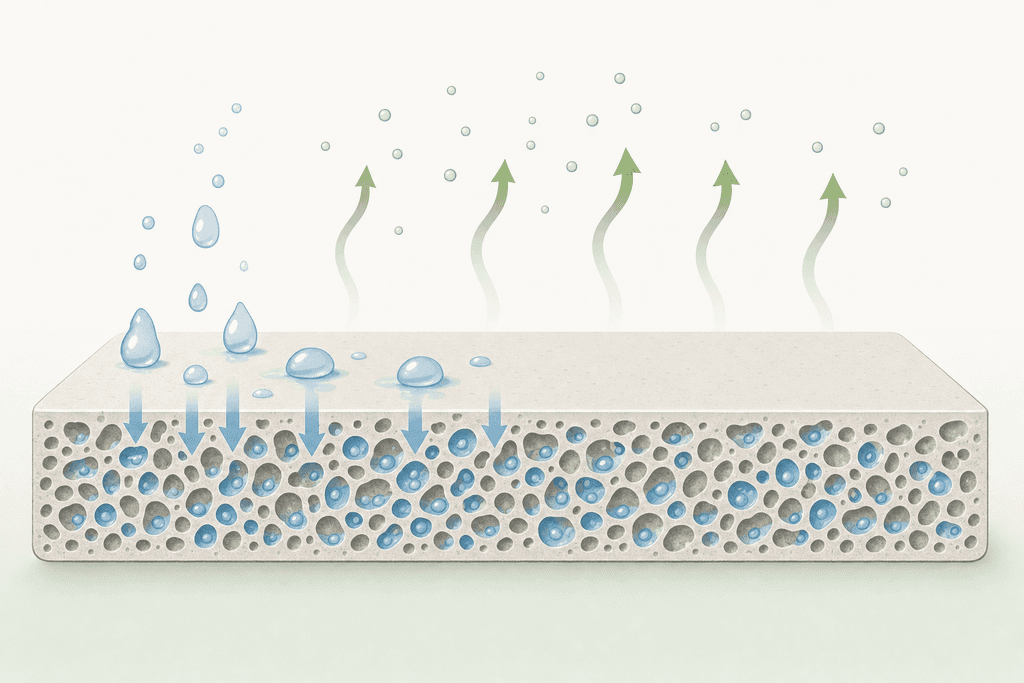
This is why stone mats are considered naturally antibacterial. It's not because of any chemical additives or treatments. The antibacterial properties come purely from dryness. When moisture disappears within an hour instead of sitting around all day, there's simply no opportunity for bacteria to establish themselves.
| Feature | Stone Bath Mat | Fabric Bath Mat |
|---|---|---|
| Drying Time | 30-60 minutes | 4-8 hours |
| Odour Development | Minimal | Common after days |
| Bacteria Growth | Limited by dryness | Thrives in dampness |
| Maintenance | Weekly vinegar wipe | Frequent washing needed |
Less moisture also means fewer odours. That musty smell you notice with old bath mats comes from bacterial growth and mildew. When the mat dries fast, those smells never develop. Baptist Health notes that quick-drying surfaces help maintain better bathroom hygiene overall.
Maintenance is simple too. A weekly wipe with vinegar water keeps the mat performing optimally without harsh chemicals or constant washing. The material itself does most of the work by staying dry between uses.
What Affects Stone Bath Mat Performance
Not all bathrooms are created equal, and environmental factors do impact how quickly any surface dries. High humidity environments naturally slow down evaporation because the air is already saturated with moisture. But even in humid conditions, stone still outperforms fabric significantly. The porous structure continues pulling water away from the surface and releasing it gradually, even when the air can't absorb it as quickly. Good bathroom ventilation helps everything dry faster, whether you're using a stone mat or not. Opening a window or running an exhaust fan after showering makes a noticeable difference.
Over time, you might notice the mat doesn't absorb water as quickly as it did when new. This happens because surface pores can get clogged from soap residue, body oils, or mineral deposits in your water. The solution is straightforward and built right into the product.
- Humidity slows evaporation but stone still wins
- Ventilation improves drying speed for all surfaces
- Pores clog over time from soap and oils
- Sanding tool reopens pores and restores absorbency
- Airflow underneath maximizes performance
Every stone product from Natureva includes a sanding tool specifically designed to reopen those microscopic pores. It's a simple P320 grit disc about 10 cm in diameter. A quick sanding session restores the mat to like-new absorbency. The science behind diatomaceous earth explains why this works so well.
The next generation of home essentials: naturally made, cleaner by design, sustainable by nature.
SHOP ALLPlacement matters too. Make sure the mat sits where air can circulate underneath. Proper airflow maximizes drying speed and prevents moisture from getting trapped between the mat and floor. Avoiding coloured soaps helps prevent staining and keeps the surface performing at its best. If you do get stains, a rinse under water or a hydrogen peroxide treatment usually takes care of it.
Whether you're looking at the Tide, Flow, Rain, Aura, or Arch designs, the same principles apply. The material works because of its natural structure, not because of any coating or treatment that could wear off. Consumer Reports testing confirms that stone mats maintain their performance over time when properly maintained. The same technology extends to other products like dish mats, sink caddies, and even pet mats, all using the same moisture-managing diatomite composite.
When Stone Bath Mats Work Best
Not every bathroom needs a stone mat, but certain situations make them almost essential. The difference between a fabric mat staying damp for hours and a stone surface drying in minutes becomes obvious when you're dealing with back-to-back showers or limited airflow. Understanding where these mats deliver the most value helps you decide if the investment makes sense for your home.
High Traffic Households
Families with multiple people showering throughout the day see the biggest advantage. When three or four people use the same bathroom within a few hours, traditional fabric mats never fully dry between uses. Stone mats reset completely within 30 to 60 minutes, so the next person isn't stepping onto a soggy surface that's been collecting moisture all morning.
- Parents with young kids who splash water everywhere during bath time
- Roommates sharing a single bathroom with overlapping schedules
- Guest bathrooms that get sudden bursts of heavy use
- Morning rush situations where everyone showers within the same hour
Climate and Ventilation Challenges
Humid environments turn fabric bath mats into breeding grounds for mildew. Coastal areas, tropical climates, and regions with high year-round humidity struggle with bathroom moisture that never fully evaporates. Stone mats work with the humidity instead of against it, pulling water into their porous structure and releasing it gradually without creating that musty smell.
- Bathrooms without windows or exhaust fans
- Basement bathrooms with poor air circulation
- Apartments in humid climates where mildew appears quickly
- Rental properties where you can't modify ventilation systems
Real World Scenarios
A family of four in Brisbane replaced their fabric mat after noticing it stayed damp between the kids' evening bath and the parents' morning showers. The stone version dried completely overnight, eliminating the constant cycle of washing and replacing mats every few weeks.
An apartment dweller in Vancouver with a windowless bathroom found that fabric mats developed odor within days despite regular washing. Switching to a stone mat removed the smell issue entirely because moisture never sat long enough to create bacterial growth.
Design and Surface Preferences
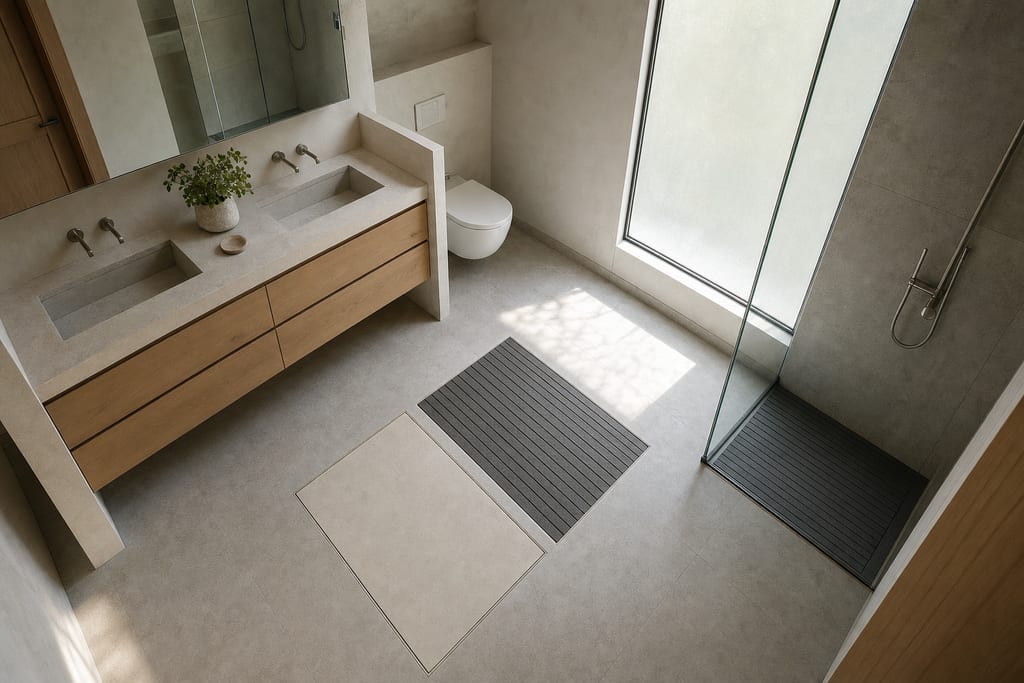
Some people simply prefer the feel of a firm surface underfoot rather than soft fabric. Stone mats provide stability that doesn't shift or bunch up, which matters for anyone with balance concerns or mobility issues. Natureva's five carved patterns (Tide, Flow, Arch, Rain, and Aura) fit different bathroom styles, from minimal modern spaces to more organic, nature-inspired designs.
- Minimalist bathrooms where clean lines matter
- People who dislike the squishy feel of saturated fabric
- Homes with pets that track water across fabric mats
The maintenance routine for stone mats involves a quick weekly vinegar wipe and occasional sanding to restore absorbency, which takes less effort than constantly laundering fabric alternatives. For households where laundry is already overwhelming, removing one more item from the washing rotation makes a practical difference.
The Bottom Line on Stone Bath Mats
So do stone bath mats work? The short answer is yes, but only if you understand what you're actually getting. Stone bath mats made from diatomite dry faster than fabric because of their porous structure, which pulls moisture in and releases it back into the air within minutes. This isn't some marketing trick, it's basic material science that's been used in industrial applications for decades. The faster drying means less time for bacteria and mold to set up camp, which is why these mats stay cleaner without needing constant washing.
That said, not all stone mats are created equal. Some brands use synthetic coatings or cheap composite materials that trap moisture instead of releasing it. Our stone bath mats use pure diatomite and recycled paper with no chemical finishes, so the natural absorption process works the way it should. The Tide, Flow, and Arch designs all use the same core material, just with different surface patterns.
The real question isn't whether they dry faster, it's whether faster drying actually matters to you. If you're tired of damp fabric mats that smell weird after a few days or you're dealing with a humid bathroom that never seems to dry out, then the answer is probably yes. But if you don't mind throwing a mat in the wash every week, fabric might be fine. The performance is real, but it only matters if it solves a problem you actually have.
Common Questions About Stone Bath Mats
Stone bath mats are still relatively new to most households, so it makes sense that people have questions about how they actually work in real life. The science behind diatomite is solid, but practical concerns about safety, maintenance, and longevity matter just as much as absorption speed. Here's what people ask most often about switching from fabric to stone.
How long does it take for a stone bath mat to dry completely?
Most stone bath mats dry within 60 to 90 seconds after you step off them. The surface feels dry almost immediately because the water gets pulled into millions of microscopic pores, then evaporates back into the air. Natureva stone bath mats use pure diatomite composite construction, which means there's no coating blocking airflow or trapping moisture inside the material.
Do stone bath mats really prevent bacteria and odours?
Yes, but not because of chemicals or antibacterial treatments. Stone bath mats stay cleaner because they don't stay wet, and bacteria need moisture to grow. Fabric mats hold water for hours, creating the damp environment where mildew and odour develop. Since diatomite dries in minutes, there's no chance for that buildup to start.
What happens if the mat stops absorbing water?
If your stone bath mat starts feeling less absorbent, it usually means the surface pores are clogged with soap residue, body oils, or mineral deposits. You can restore full absorption by lightly sanding the surface with the included P320 grit sanding tool. This reopens the pores and brings the mat back to like-new performance. For stubborn stains, hydrogen peroxide works well before sanding.
Are stone bath mats safe for kids and elderly users?
Stone bath mats are actually safer than fabric in wet conditions because they dry so fast. Natureva mats include a full non-slip base pad that keeps the mat stable on tile or smooth floors. The surface itself provides good traction when wet, and because it doesn't stay damp, there's less risk of slipping on a soggy fabric mat that's been sitting there all day.
How do you clean and maintain a stone bath mat?
Weekly maintenance is simple. Wipe the mat down with a vinegar and water solution to prevent soap buildup. Avoid using coloured soaps directly on the surface since diatomite is porous and can absorb pigments. If the mat gets saturated from heavy use, prop it upright to air dry completely. That's it. No washing machine, no hanging to dry, no mildew smell to deal with.
Can stone bath mats crack or break with regular use?
Stone bath mats are durable but not indestructible. They can crack if dropped on a hard surface or if heavy objects fall on them. With normal use, they last for years without issues. The diatomite composite used in Natureva mats is dense and solid, weighing around 1.8 kg, so it stays put and handles daily foot traffic without wearing down. Just treat it like you would a ceramic dish, not a rubber mat.
The next generation of home essentials: naturally made, cleaner by design, sustainable by nature.
SHOP ALL