
Four Ways Sink Caddies Maintain Dry Benches
Table of Contents
Why Traditional Trays Fail Your Kitchen
Most kitchen sinks have some kind of tray sitting next to them, collecting soap bottles, sponges, and scrub brushes. These plastic or metal trays seem like a good idea at first, but they actually create more problems than they solve. Water pools at the bottom, turning into a gross puddle that never really dries. That standing water becomes a breeding ground for things you definitely don't want near your dishes.
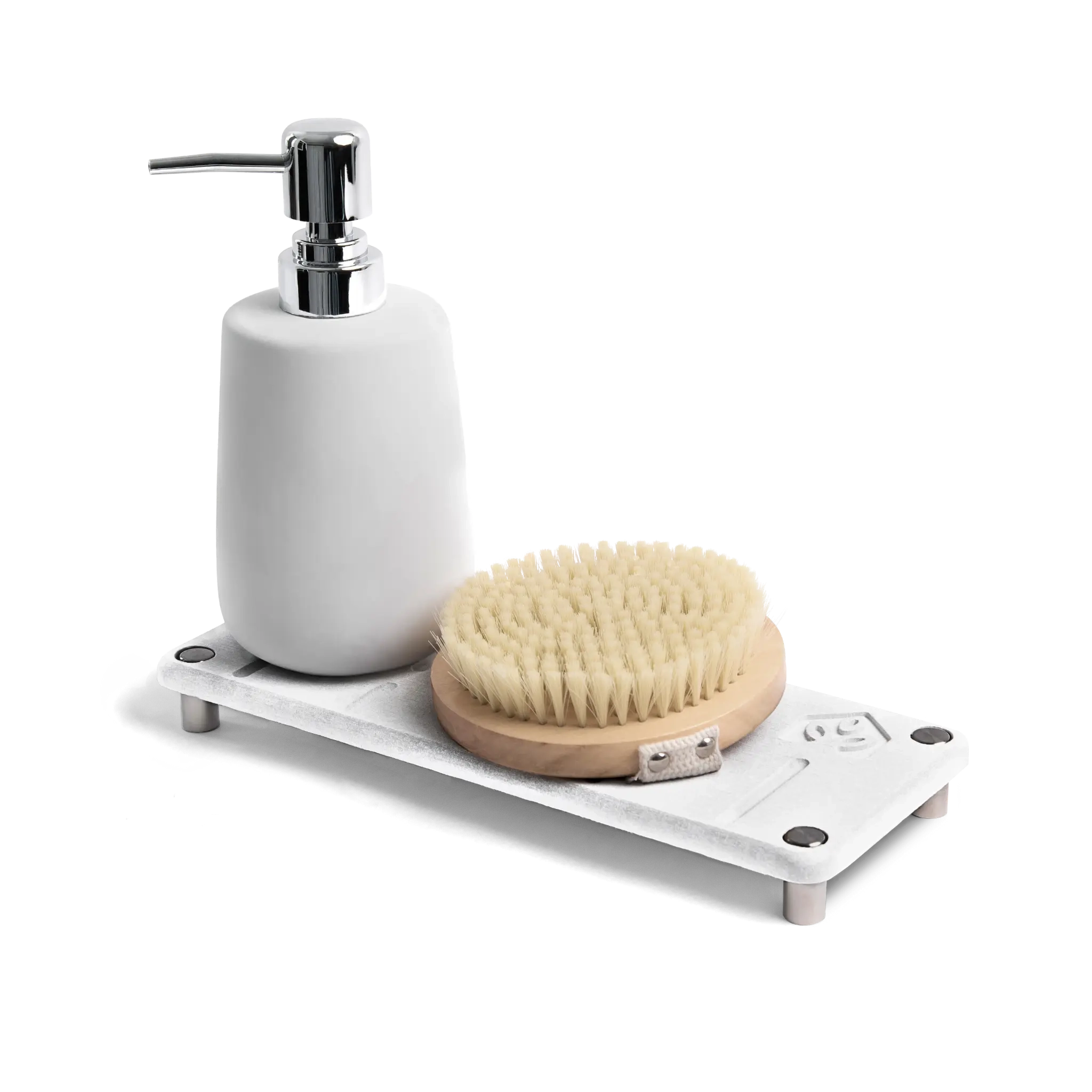
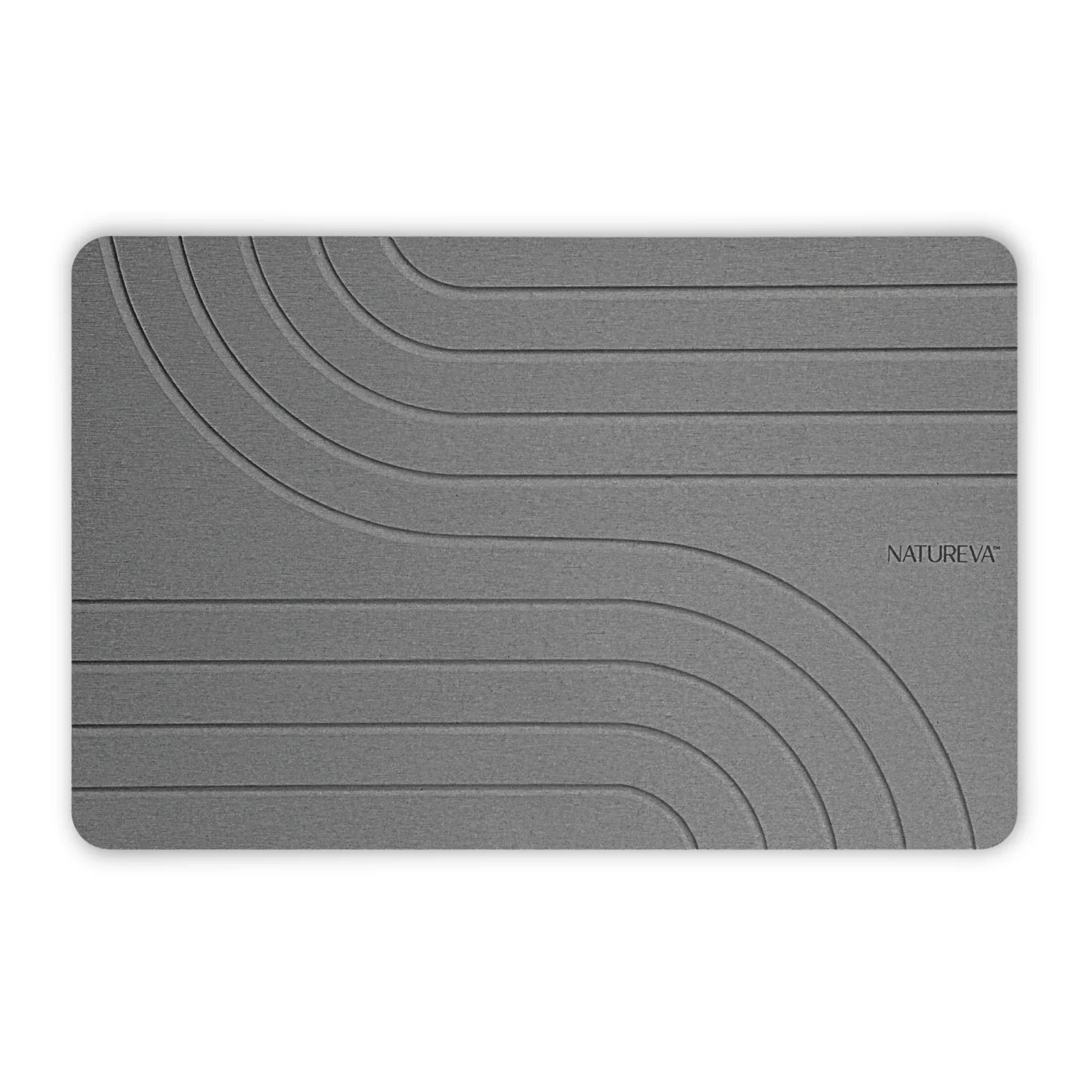
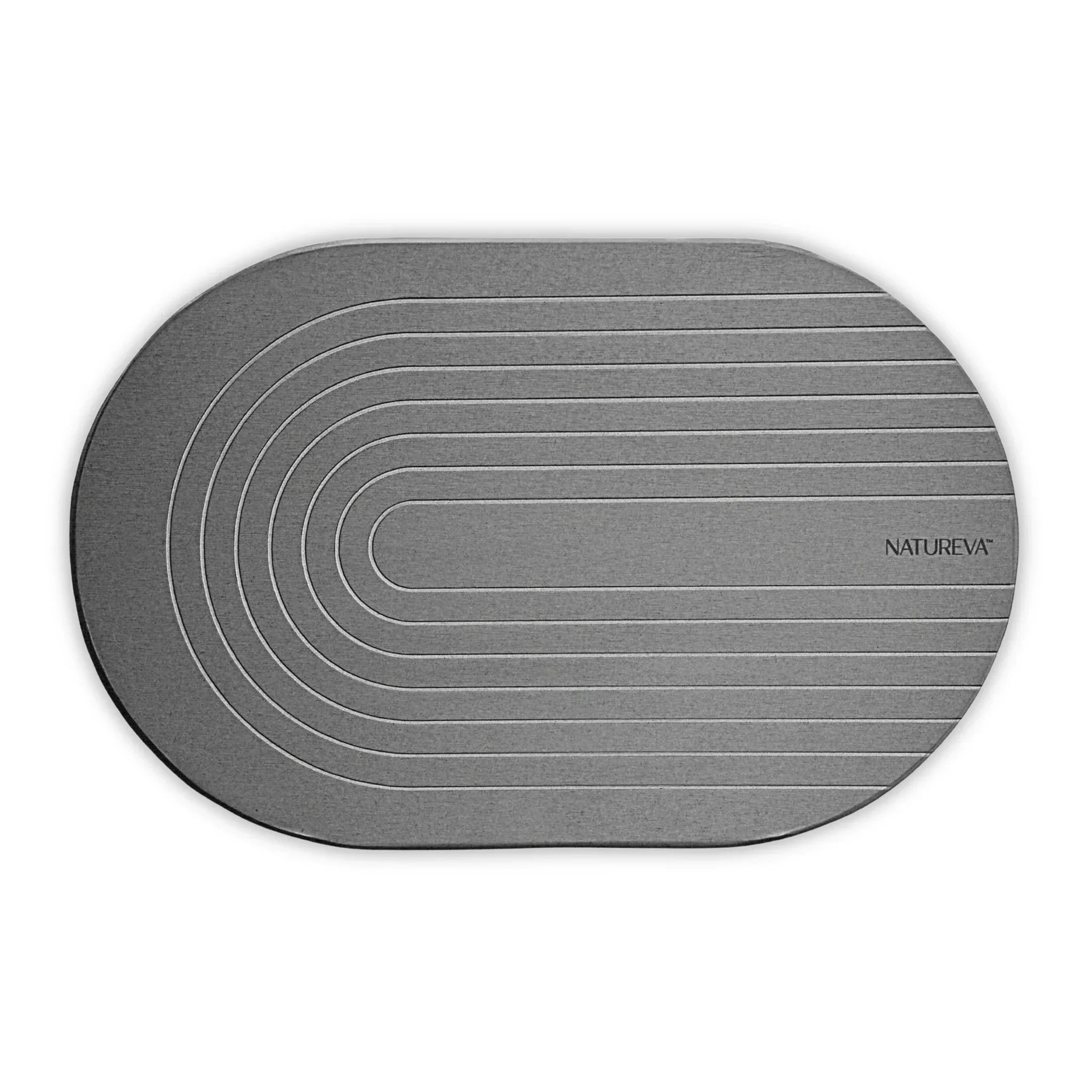
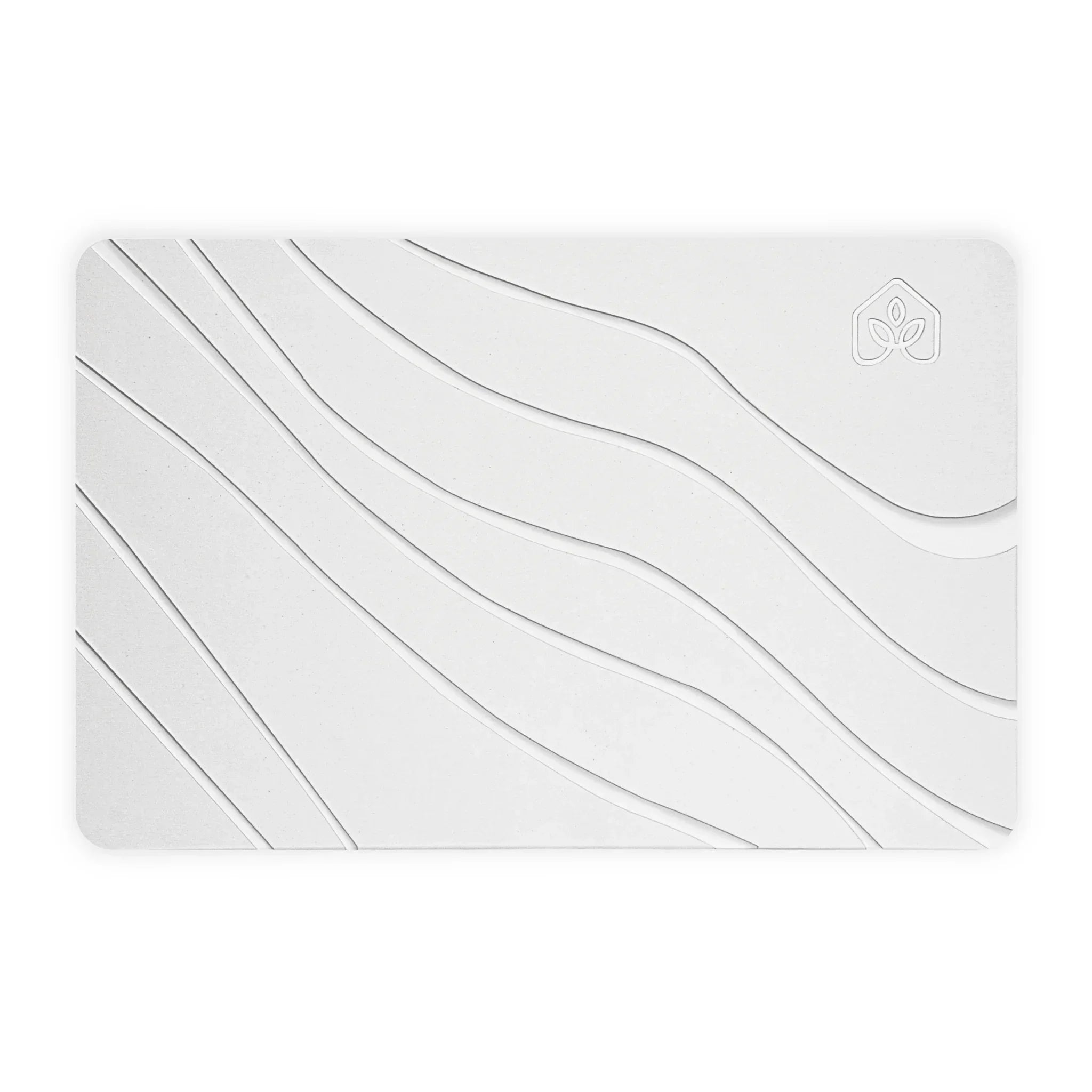
Stone Sink Caddy - Rain
The Water Trap Problem
Regular sink caddies work like tiny swimming pools for bacteria. When you put a wet sponge or soap dispenser back on the tray, water drips down and just sits there. The design of most traditional trays actually prevents water from escaping or evaporating quickly.
Here's what happens with conventional sink caddies:
- Water collects in corners and grooves where air can't reach
- Moisture stays trapped for hours or even days
- The tray itself stays damp and develops a slimy film
- You have to manually empty and wipe down the tray constantly
Mold and Bacteria Love Moisture
That puddle of water isn't just annoying. According to research from the NSF International, kitchen sinks and the areas around them rank among the germiest spots in your home. Standing water creates the perfect environment for mold spores and bacteria to multiply, and these microorganisms can spread to your dishes, utensils, and food prep surfaces.
Common issues with trapped moisture include:
- Black mold spots appearing on and under the tray
- Unpleasant musty smells near your sink
- Slimy residue that requires scrubbing to remove
- Bacteria transfer to supposedly "clean" sponges and brushes
Why Material Choice Matters
The material your sink caddy is made from determines whether it helps or hurts your kitchen hygiene. Plastic trays are cheap but they can't absorb water at all. Metal trays might look nicer, but they rust over time when constantly exposed to moisture. Neither option actually solves the core problem of water elimination.
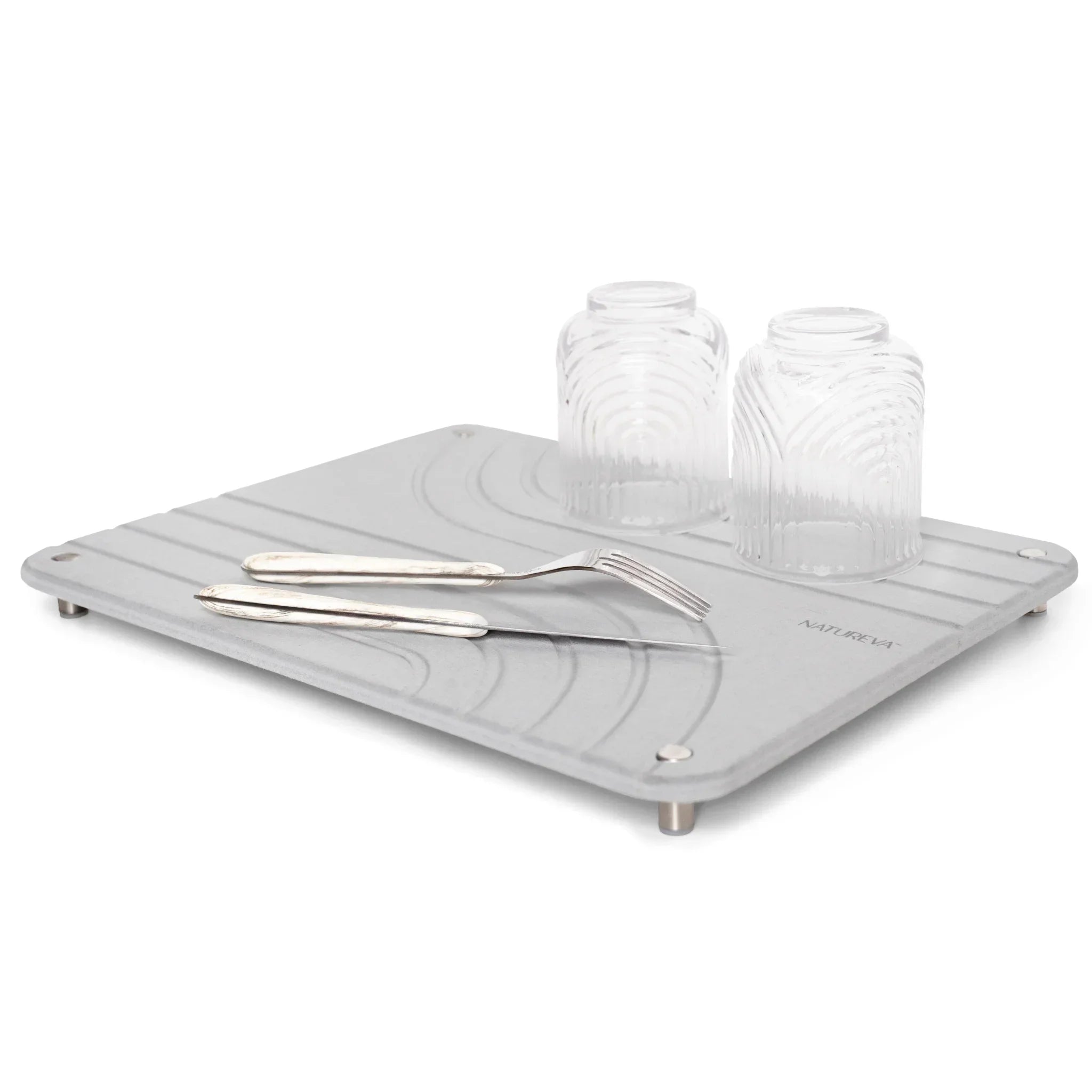
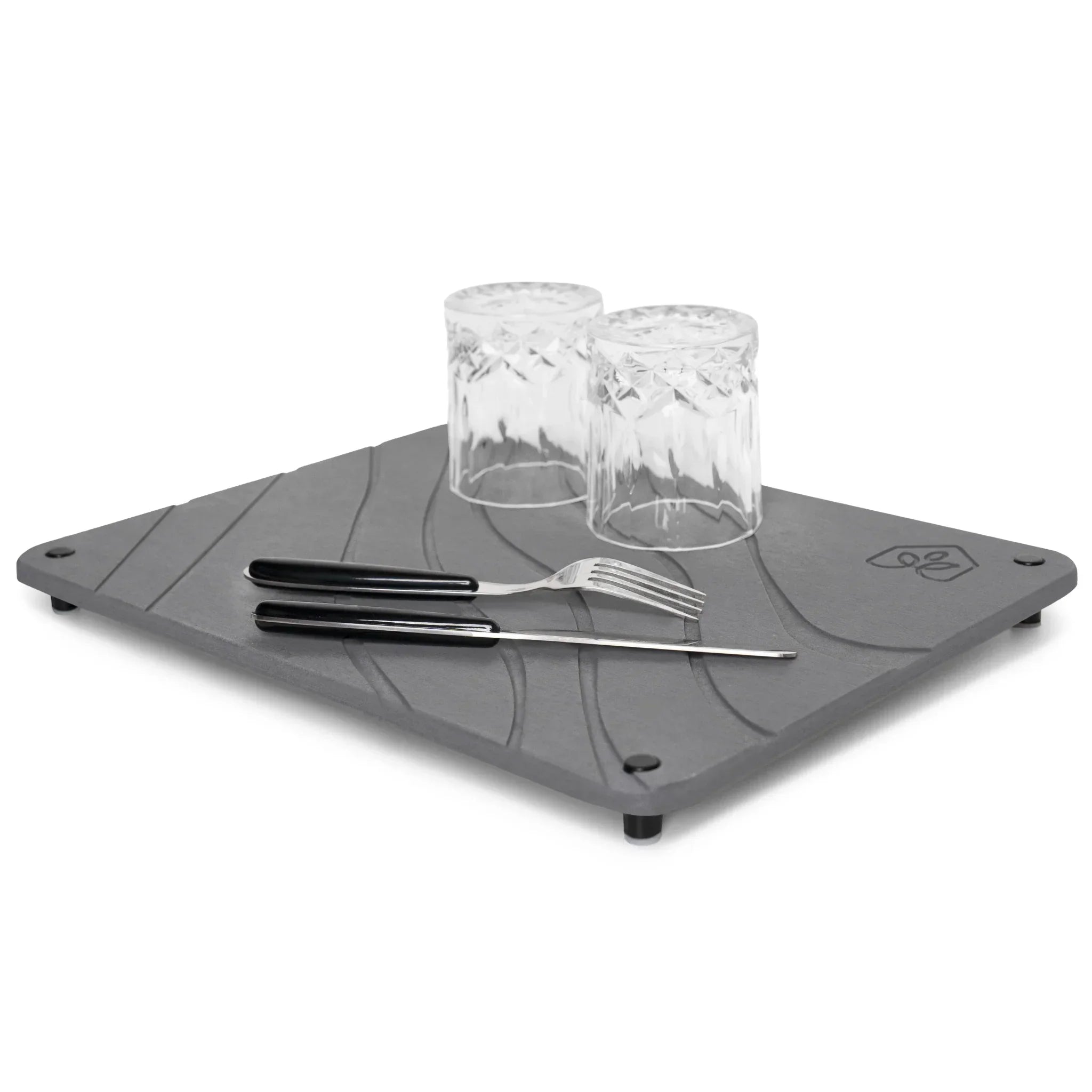
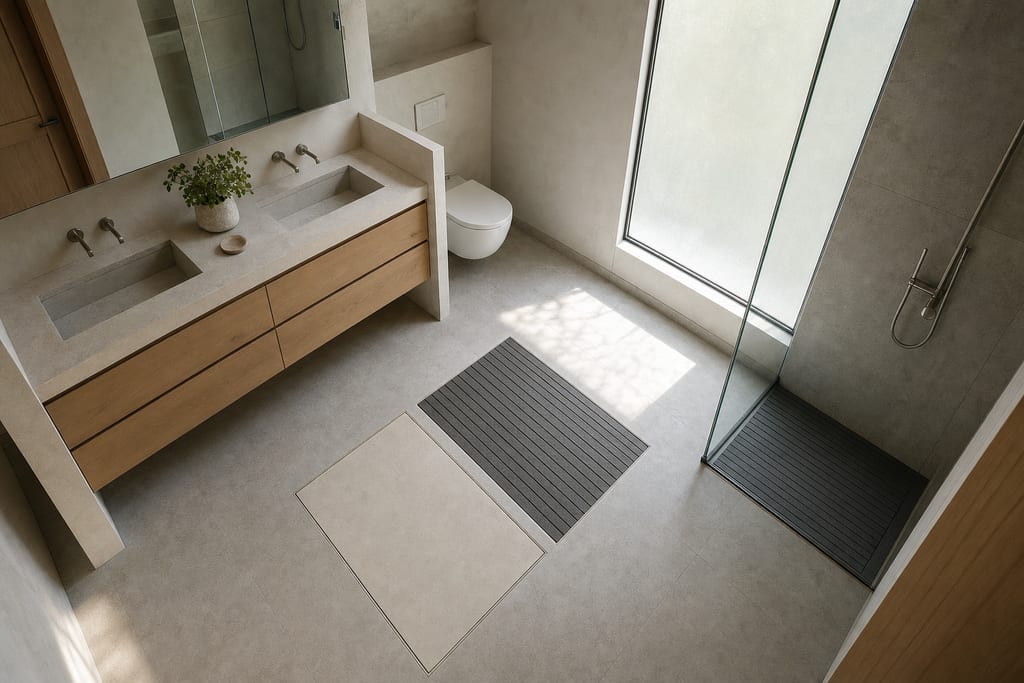
This is where diatomaceous earth technology changes everything. Unlike materials that repel or hold water, diatomaceous earth is naturally porous and absorbent. Our Stone Sink Caddies use this natural material to pull water away from your items and release it into the air through evaporation. The same technology has been used in bath mats by various brands, but applying it to sink organization is relatively new.
| Feature | Traditional Trays | Stone Sink Caddies |
|---|---|---|
| Water Management | Traps and pools water | Absorbs and evaporates instantly |
| Drying Time | Hours to days | 30-60 seconds |
| Mold Risk | High | Minimal |
| Maintenance | Daily emptying and wiping | Occasional light sanding |
| Material | Plastic or metal | Natural diatomaceous earth |
The difference becomes obvious within the first day of use. While traditional trays need constant attention and cleaning, stone sink caddies actively work to keep your benchtop dry. Similar benefits have been documented with other kitchen organization tools like roll-up sink drainers, which also focus on water management rather than water collection.
Instant Water Absorption Keeps Surfaces Spotless
Most kitchen counters end up with those annoying water rings around the dish soap bottle. You wipe them down, and an hour later, they're back. The problem isn't just the water itself, but what happens when it sits there doing nothing. That's where the science of diatomaceous earth comes in, and it's pretty fascinating once you understand how it works.
Diatomaceous earth is made from fossilized algae that lived millions of years ago. When you look at it under a microscope, you see thousands of tiny pores that act like miniature sponges. These microscopic holes pull water in the moment it makes contact, which means puddles don't get a chance to form in the first place.
- Water gets absorbed in seconds, not minutes
- No wet spots spreading across your counter
- Soap drips disappear before they can stain
- The surface stays dry to the touch
Regular plastic or silicone trays just collect water and hold onto it. You end up with a gross pool of soapy water that you have to dump out every few days. The Natureva Stone Sink Caddies work differently because they actively absorb moisture instead of trapping it. This means less cleanup for you and a counter that actually stays clean between wipes.
The real-world impact is simple. You put your wet dish brush down, and the water doesn't spread. Your soap bottle sits there without creating a sticky mess underneath. Better sink organization starts with managing water properly, and that's exactly what these sink caddies do.
Rapid Evaporation Prevents Mold Growth
Here's something most people don't think about until it's too late. That damp sponge holder you have? It's basically a mold factory. When moisture gets trapped with no way to escape, bacteria and mold move in fast. Studies show that mold can start growing on damp surfaces within 24 to 48 hours, which is why that musty smell appears so quickly around wet kitchen items.
The evaporation process in diatomite stone is what makes it different from other materials. Once the water gets pulled into those microscopic pores, air can still flow through them. This means the water doesn't just sit there, it actually dries out. Most absorbed water evaporates within seconds to minutes, depending on humidity levels in your kitchen.
| Surface Type | Drying Time | Mold Risk |
|---|---|---|
| Plastic tray | Hours to days | High |
| Silicone mat | Several hours | Medium |
| Diatomite stone | Seconds to minutes | Very low |
Quick drying matters more than you might think for kitchen hygiene. Proper sink etiquette includes keeping surfaces dry, which reduces the bacteria count around your cleaning tools. When your sponge sits on a surface that stays wet, you're basically washing your dishes with a bacteria-covered tool.
The health benefits of mold-free surfaces extend beyond just avoiding that gross smell. Mold spores can trigger allergies and respiratory issues, especially in people who are sensitive. By keeping things dry, you're creating an environment where mold simply can't thrive. Plus, you don't have to constantly wash the caddy itself because it naturally stays cleaner longer.
The next generation of home essentials: naturally made, cleaner by design, sustainable by nature.
SHOP ALLOrganized Storage Without the Mess
Walk into any kitchen and you'll see the same items creating water chaos around the sink. Dish soap bottles leave rings. Sponges drip everywhere. Scrub brushes create little puddles that spread across the counter. These everyday items are the main culprits behind wet, messy countertops, but they're also the things you need within arm's reach when doing dishes.
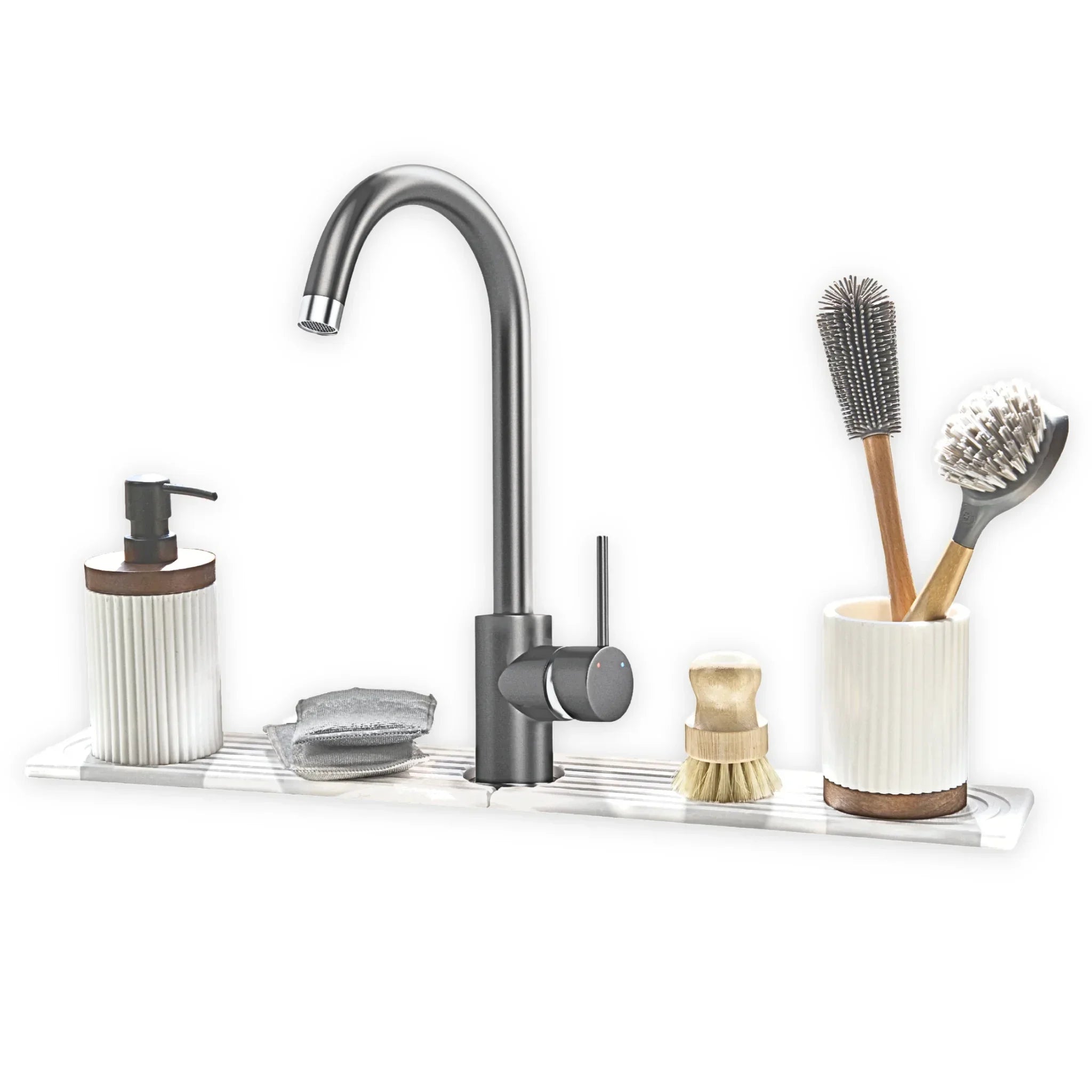
Sink caddies solve this by giving all these wet items one designated spot. The Stone Sink Caddy in Rain design has a pattern that looks good while doing its job, and the Flow design offers a different aesthetic for various sink setups. Both absorb drips from multiple items at once without getting overwhelmed.
- Dish soap bottles stay in place without sliding
- Sponges and brushes have a proper home
- Hand soap can sit there too without issues
- Everything you need is organized in one spot
The aesthetic benefit matters more than people realize. A cluttered sink area makes your whole kitchen feel messy, even when everything else is clean. When your cleaning tools have a proper place, the whole space looks more put together. Plus, you're protecting your countertops from soap residue that can build up and stain over time.
Soap residue mixed with hard water creates those stubborn white marks that are tough to remove. By containing everything on an absorbent surface, you avoid this problem completely. The stone material doesn't stain from soap like other surfaces do, which means it keeps looking clean without constant scrubbing.
Long Lasting Protection for Your Countertops
Countertop damage from water happens slowly, which is why most people don't notice until it's too late. Granite can develop dark spots where water seeps in. Laminate counters can swell and warp at the edges. Wood countertops are even more vulnerable, soaking up moisture that leads to warping and discoloration. The cost of replacing damaged countertops ranges from hundreds to thousands of dollars, depending on the material and size of your kitchen.
Water rings might seem harmless at first, but they're actually breaking down the protective sealant on your counters. Each time water sits there, it works its way deeper into the material. Over months and years, this creates permanent damage that can't be fixed with simple cleaning.
| Countertop Material | Water Damage Risk | Repair Cost |
|---|---|---|
| Granite | Medium | $500-$2000 |
| Laminate | High | $200-$1000 |
| Wood | Very high | $800-$3000 |
| Quartz | Low to medium | $600-$2500 |
Preventive protection through proper water management is way cheaper than repairs. Stone sink caddies last for years with basic care, unlike disposable solutions that need replacing every few months. You can find more details about proper care and cleaning to keep your caddy working like new.
The durability factor is worth considering too. Plastic trays crack and discolor. Silicone mats get grimy and need constant washing. Diatomite stone maintains its absorption properties for years without breaking down. When it does need refreshing, a light sanding brings it back to full performance. That's the kind of long-term value that makes sense for protecting an expensive investment like your countertops.
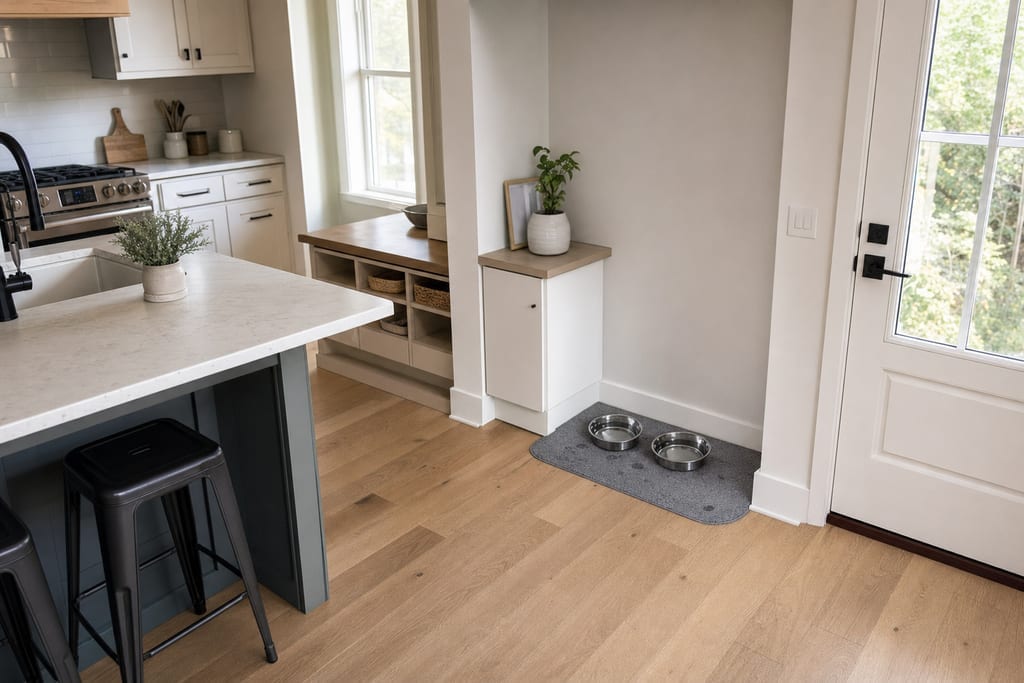
Beyond just the sink caddy collection, this same technology works throughout your home in bath mats, dish mats, and even drink coasters. The principle stays the same: absorb water fast, dry quickly, and protect your surfaces from damage.
Keep Your Kitchen Dry and Clean
So there you have it. Sink caddies work by absorbing water instantly, drying fast to prevent mold, keeping your soap and sponges organized, and protecting your counters from water damage. These four benefits add up to a cleaner, drier kitchen that takes less effort to maintain. The best part is how simple the solution really is.
You don't need to constantly wipe down your counters or deal with gross puddles around your sink anymore. A good sink caddy does the work for you. Our stone sink caddies use natural diatomaceous earth that soaks up water in seconds and dries almost immediately, which means your kitchen stays cleaner without you thinking about it.
The same material works great in other parts of your home too. Check out our kitchen collection for dish mats and faucet mats that use the same water-absorbing technology. Even small changes like adding a caddy near your sink can make a big difference in how your kitchen looks and feels.
If you're tired of wet counters and want something that actually works, a sink caddy might be exactly what you need. But you probably have some questions about how to use them and keep them clean, which is what we'll cover next.
Common Questions About Sink Caddies
Choosing the right sink caddy means understanding how it works and what makes it different from regular trays. These questions cover everything from daily maintenance to picking between different designs. Most people wonder if these stone caddies are worth switching from their old plastic or metal organizers, and the answers might surprise you.
How do you clean a stone sink caddy?
Cleaning a diatomaceous earth sink caddy is simple and takes about a minute. Just rinse it under warm water and let it air dry completely before using it again. If you notice the surface isn't absorbing water as well as it used to, gently sand it with fine-grit sandpaper to refresh the porous surface and restore its absorption power.
How long do stone sink caddies last?
With regular use and proper care, a quality stone sink caddy can last several years. The natural diatomaceous earth material doesn't break down like plastic or rust like metal organizers. The key to longevity is letting it dry completely between uses and occasionally sanding the surface when absorption slows down.
Will a sink caddy work with my sink type?
Stone sink caddies sit on your benchtop next to any sink style, whether you have undermount, farmhouse, or drop-in sinks. They don't attach to the sink itself, so compatibility isn't an issue. The flat base design works on any counter surface including granite, laminate, or tile.
What items can you store on a sink caddy?
You can store wet dish brushes, sponges, soap dispensers, hand soap bars, and scrubbers on your caddy. The Natureva Stone Sink Caddy handles anything that drips water after use. Just avoid placing extremely heavy items that might crack the stone or very hot pots that could damage the material.
How do stone caddies compare to plastic or metal trays?
Regular plastic and metal trays collect water in a pool at the bottom, creating a breeding ground for bacteria and mold. Stone sink caddies made from diatomaceous earth actually absorb the water and release it through evaporation. While brands like Dorah and Drysorb offer similar stone products, the main advantage over traditional materials is active moisture management instead of passive collection.
What is the difference between Rain and Flow designs?
The Rain and Flow designs refer to the surface pattern etched into the stone caddy. Rain features a dotted pattern while Flow has linear grooves. Both patterns serve the same function and absorb water equally well, so the choice comes down to which style matches your kitchen aesthetic better.
The next generation of home essentials: naturally made, cleaner by design, sustainable by nature.
SHOP ALL