

Five Stone Plant Saucers That Prevent Puddle Marks
Table of Contents
Why Regular Plant Saucers Create More Problems
Most plant owners don't realize that their plant saucers are actually working against them. Traditional plastic and ceramic saucers sit under your plants and collect water, which sounds helpful at first. But that standing water doesn't go anywhere, and it creates a whole mess of problems for both your plants and your home. The water just sits there, sometimes for days, leaving rings on your furniture and creating the perfect environment for mold and bacteria to grow.

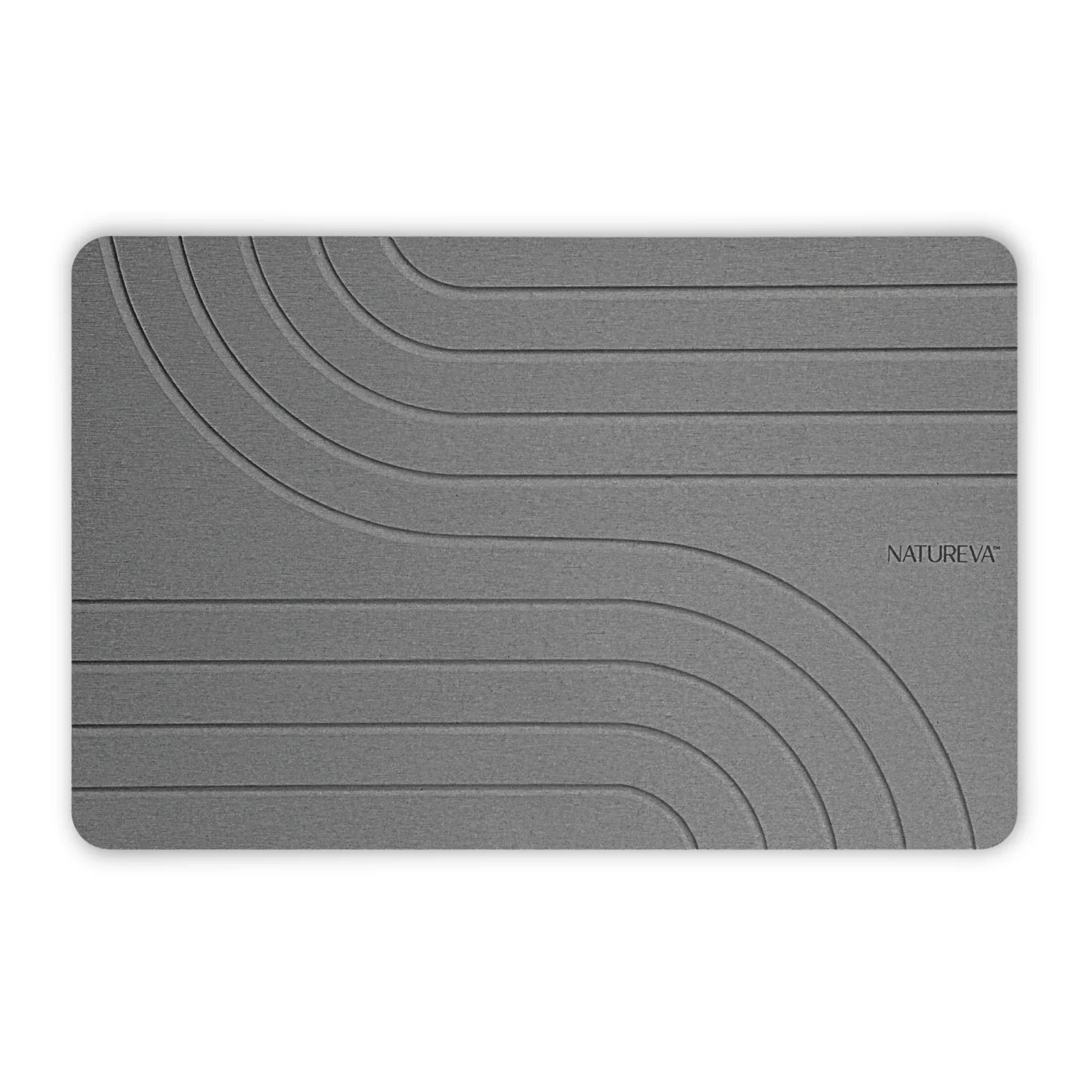
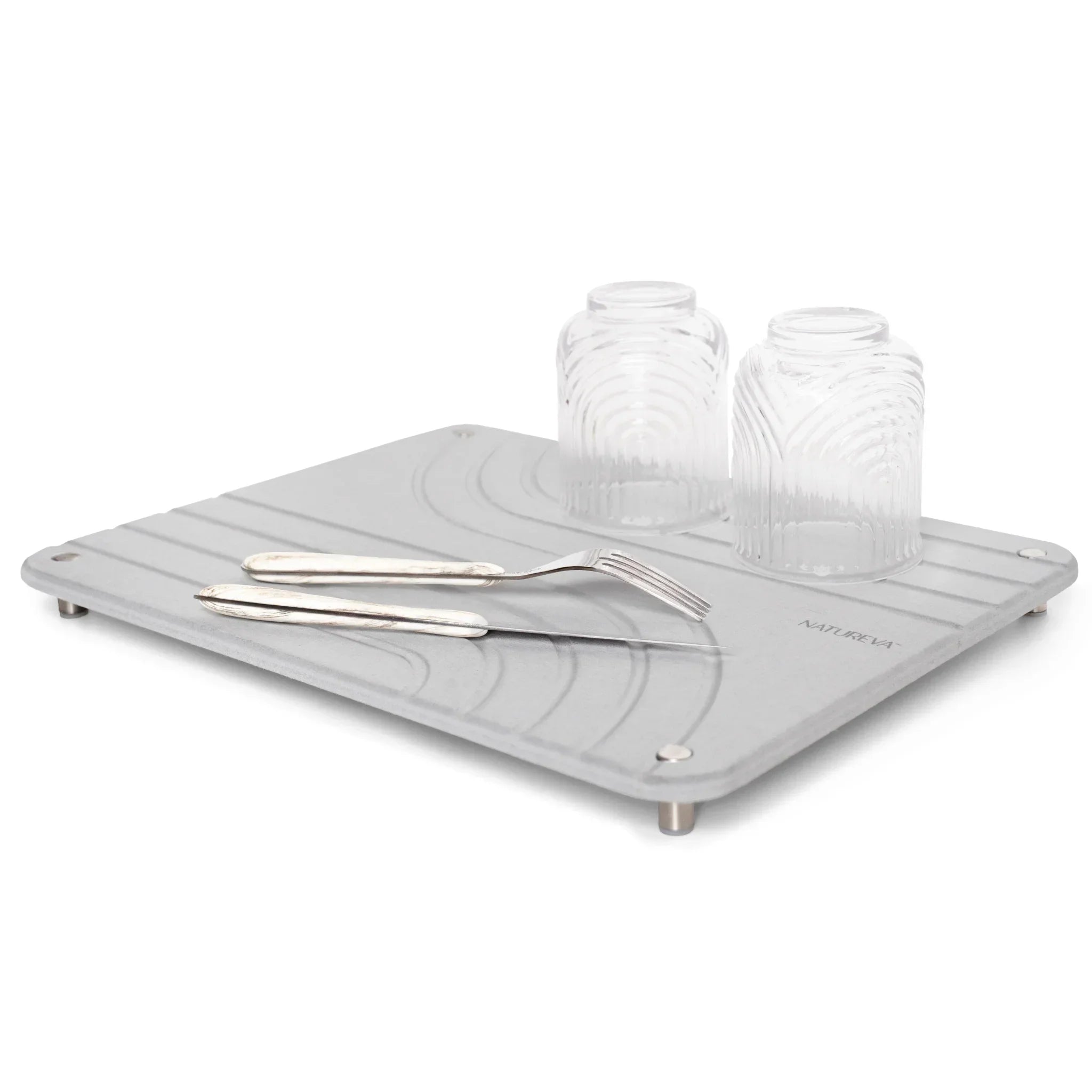
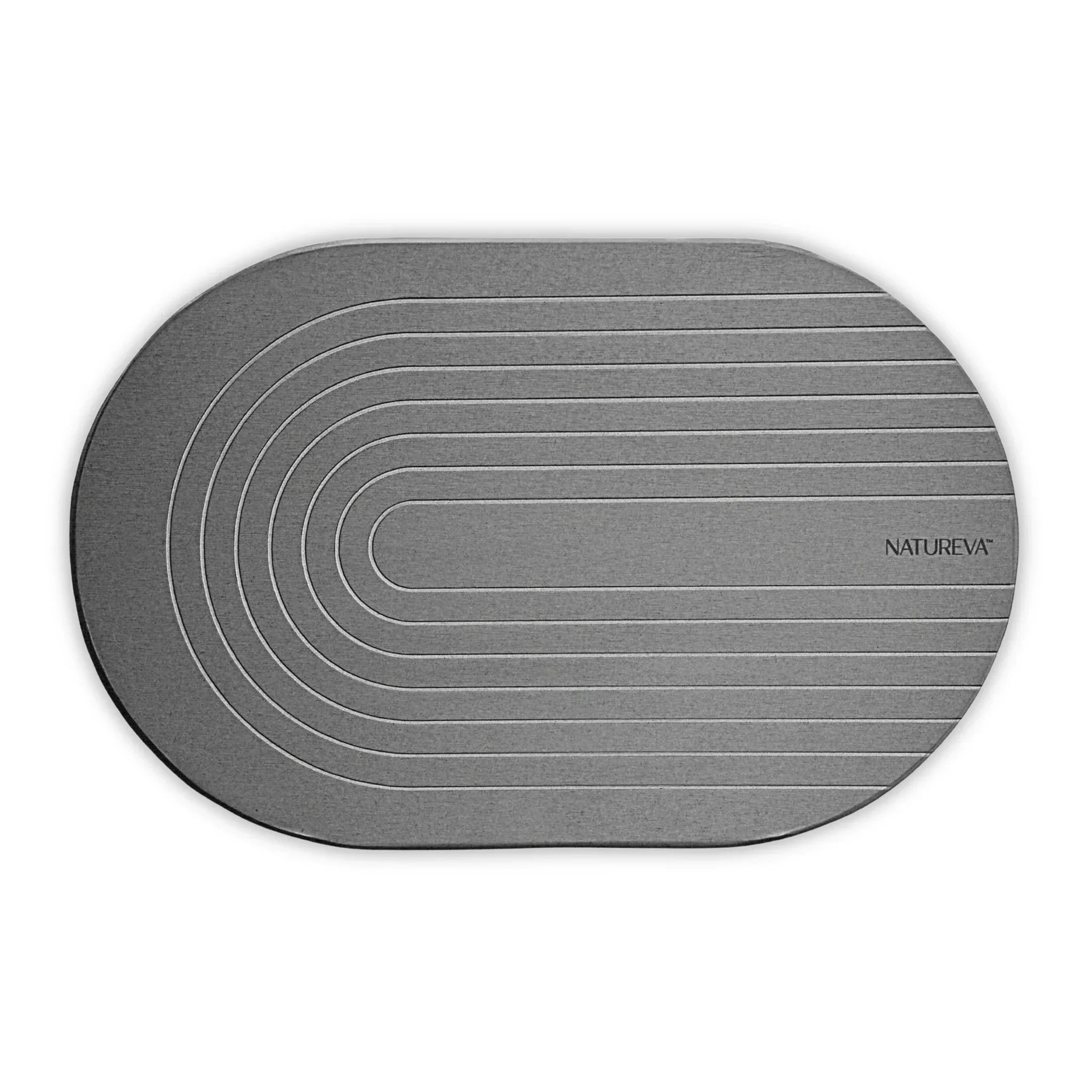
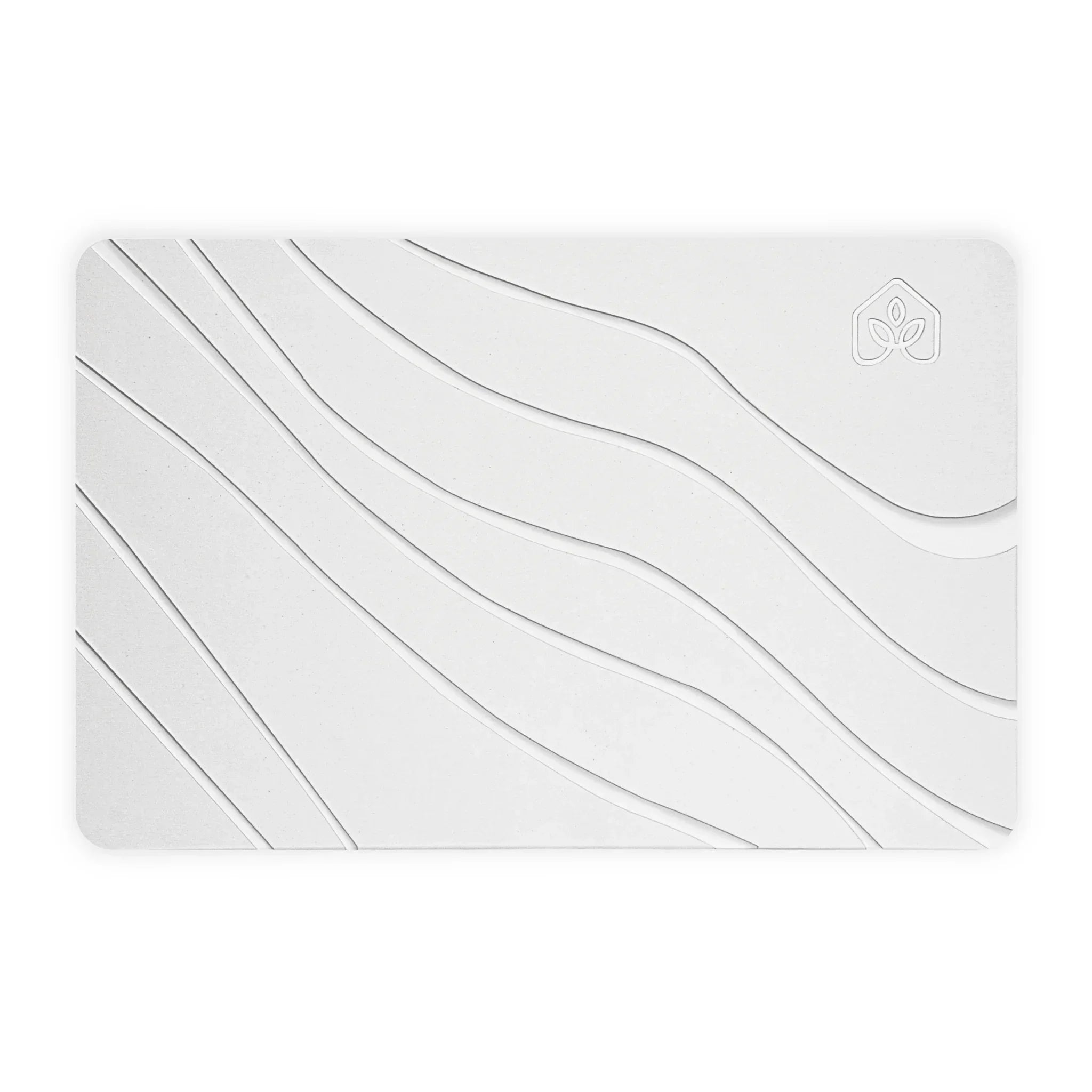
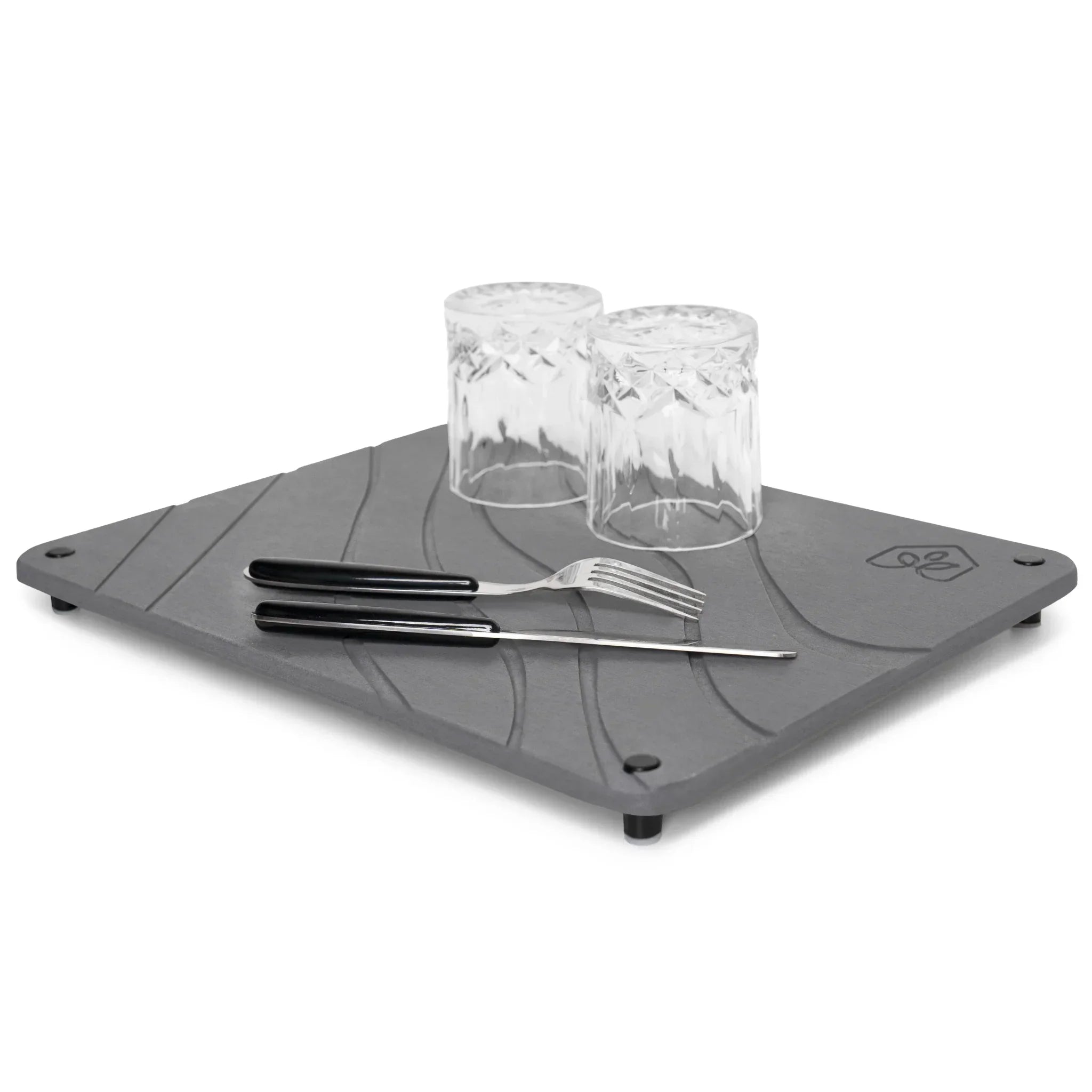
Stone Plant Saucers - Set of 2
The Standing Water Problem
When you water your plants, the excess drains into the saucer below. With regular plant saucers made from non-porous materials, that water has nowhere to go except to slowly evaporate into the air. This process can take days, and during that time, several things happen that you probably don't want.
- Water seeps through tiny cracks or overflows onto your surfaces
- Moisture gets trapped between the saucer and your furniture
- Dark rings and stains form on wood, fabric, and other materials
- The humid environment attracts gnats and other pests
Your plant's roots are sitting in that stagnant water too. Root rot happens when roots stay wet for too long, and it's one of the most common ways people accidentally kill their houseplants.
How Stone Saucers Work Differently
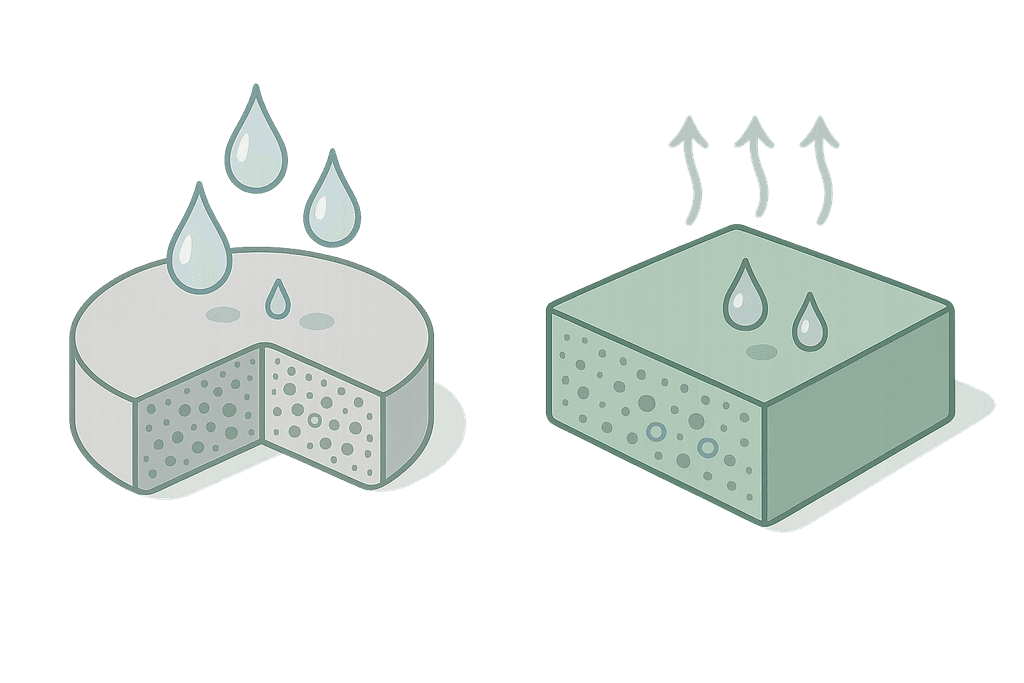
Stone plant saucers made from diatomaceous earth work on a completely different principle. This natural material is made from fossilized algae that lived millions of years ago. Under a microscope, you'd see millions of tiny pores that act like little sponges, pulling water in and releasing it quickly through evaporation.
- Water gets absorbed instantly instead of pooling
- The porous structure promotes air circulation and fast drying
- No standing water means no surface damage or stains
- Plants get better drainage and healthier root systems
Our Stone Plant Saucers use this same diatomaceous earth technology. The difference in how they handle water compared to traditional options is pretty dramatic.
Comparing Your Options
The table below shows how different saucer materials stack up when it comes to managing water and protecting your surfaces.
| Feature | Plastic Saucers | Ceramic Saucers | Stone Saucers |
|---|---|---|---|
| Water Absorption | None | None | Instant |
| Drying Time | 2-3 days | 2-4 days | 1-2 hours |
| Surface Protection | Poor | Poor | Excellent |
| Root Health | Risk of rot | Risk of rot | Better drainage |
| Maintenance | Frequent emptying | Frequent emptying | Minimal |
The material your saucer is made from matters more than most people think. While brands like Drysorb and Dorai have explored absorbent stone products for bathroom use, the same technology works perfectly for plant care. The key is finding plant saucers that actually absorb water instead of just collecting it.
How Stone Plant Saucers Actually Work
Most plant owners have dealt with those annoying water rings on their furniture at some point. You water your plants, excess drips into the saucer, and before you know it, there's a puddle sitting under your favorite potted fern. The problem isn't just messy, it can actually damage wood surfaces and create the perfect breeding ground for mold. But there's a material that solves this issue in a way that plastic and ceramic saucers never could.
How Stone Plant Saucers Actually Work
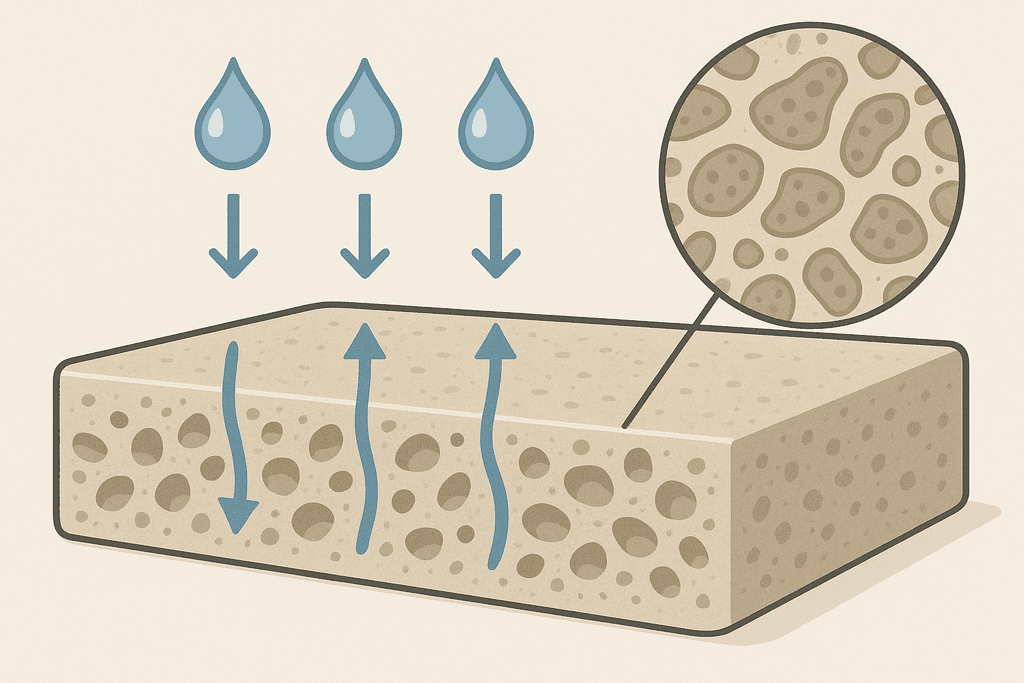
Diatomaceous earth is made from fossilized algae that lived millions of years ago. When you look at it under a microscope, you'll see millions of tiny pores throughout the material. These microscopic holes are what make stone plant saucers so effective at handling water.
- Water absorption happens instantly when it touches the surface
- The porous structure pulls moisture away from your surfaces
- Natural evaporation occurs through all those tiny holes
- The saucer stays dry to the touch even while working
- No more standing water or puddle marks
The NatureVa Stone Plant Saucers use this natural diatomaceous earth material. When excess water drips through your pot's drainage holes, the saucer soaks it up right away. The water doesn't just sit there like it would in a regular dish. Instead, it spreads through those millions of pores and starts evaporating almost immediately.
What makes this different from regular saucers is that the surface remains dry while it's absorbing moisture. You won't find yourself wiping up spills or moving plants around to clean underneath them. According to proper indoor plant care guides, managing water drainage is one of the most important aspects of keeping plants healthy.
Five Top Stone Plant Saucers for Every Space
Not all plant saucers are created equal, and the right choice depends on where you're placing them and what kind of plants you're growing. Stone plant saucers come in different shapes and sizes to match your specific needs. Some work better for windowsill herbs while others are built for those big floor plants that drink water like they're training for a marathon.
Five Top Stone Plant Saucers for Every Space
Round stone saucers are the classic choice for most standard pots. They fit under circular planters perfectly and work well for everything from small succulents to medium-sized houseplants. The circular design also means water distributes evenly across the surface for consistent absorption.
- Standard Round Saucers - Perfect for traditional clay pots and ceramic planters, these handle everyday watering without leaving marks on tables or shelves
- Square Modern Designs - Great for contemporary spaces with geometric planters, they fit neatly in corners and along edges
- Large Format Options - Built for bigger plants like fiddle leaf figs or monstera that need serious drainage support
- Small Countertop Sizes - Ideal for herb gardens, succulents, and those tiny plants that live on your kitchen counter
- Multi-Pack Sets - The Stone Plant Saucers Set of 2 gives you matching pieces for your plant collection at $39
Each style has its place in a well-planned indoor garden. The key is matching the saucer to both your pot size and the amount of water your specific plants produce. High-water plants like ferns need more absorption capacity than drought-loving cacti.
| Saucer Type | Best For | Water Capacity |
|---|---|---|
| Small Round | Herbs, Succulents | Light watering |
| Standard Round | Most houseplants | Medium drainage |
| Large Format | Floor plants | Heavy watering |
| Square Modern | Contemporary pots | Medium drainage |
The next generation of home essentials: naturally made, cleaner by design, sustainable by nature.
SHOP ALLThe natural earth tone of diatomaceous stone also fits with current design trends. As noted in recent landscaping and home design trends, natural materials are becoming more popular in both indoor and outdoor spaces.
Choosing the Right Size and Style for Your Plants
Getting the right fit matters more than you might think. A saucer that's too small won't catch all the drainage water, while one that's too large looks awkward and takes up unnecessary space. The general rule is simple but often overlooked by new plant owners. Your saucer should be slightly wider than the bottom of your pot, giving you about an inch of coverage on all sides.
Measure your pot's diameter at the base before buying any saucer. This isn't the same as measuring the top rim, which is usually wider. You want to know how wide the pot is where it actually sits on the saucer.
- Pots 4-6 inches wide need small saucers
- Pots 6-10 inches work with standard sizes
- Pots over 10 inches require large format options
- Add an extra inch to your measurement for proper coverage
Plant type matters just as much as pot size. Tropical plants and ferns produce more runoff than succulents or snake plants. If you're growing moisture-loving plants, you'll want a saucer with more surface area to handle the extra water. Desert plants barely drip at all, so a smaller saucer works fine.
Location plays a role too. Outdoor plant saucers need to handle rain and weather exposure, while indoor ones focus on protecting your furniture. The plant saucers collection includes options suitable for both settings. Stone saucers work particularly well outdoors because they're durable and won't crack in temperature changes like ceramic might.
| Pot Diameter | Saucer Size | Plant Types |
|---|---|---|
| 4-6 inches | Small | Herbs, small succulents |
| 6-10 inches | Standard | Most houseplants |
| 10+ inches | Large | Floor plants, trees |
Color and finish options are usually limited with stone saucers since they're made from natural materials. The earthy gray tone is actually a benefit because it matches almost any decor style. It works with modern minimalist spaces, traditional homes, and everything in between.
For your whole plant collection, count how many pots have drainage holes. That's how many saucers you need. Some people buy extras to rotate them out for cleaning, which keeps everything fresh. The NatureVa home collection includes other diatomaceous earth products like drink coasters and bath mats that use the same water-absorbing technology.
Protecting Your Surfaces While Caring for Plants
Those water rings and puddle marks under your plants don't have to be a permanent problem. Stone plant saucers handle the issue by absorbing water right away instead of letting it sit there and damage your wood floors or furniture. The natural material works with your plants too, since better air circulation around the roots means healthier growth overall.
Most people don't realize how much money they spend fixing water damage from regular plastic or ceramic saucers. A warped wood table or stained hardwood floor costs way more to repair than switching to plant saucers that actually prevent the problem. The diatomaceous earth material in our Stone Plant Saucers pulls moisture away from surfaces before any marks can form.
The same stone material works throughout your home for different water problems. You might notice similar benefits with dish mats or bath mats that use the same quick-drying technology.
Your plants need water, but your surfaces need protection. Stone saucers give you both without the constant worry about what's happening underneath your pots. The natural look fits anywhere from modern apartments to traditional homes, which means you're not sacrificing style for function.
Common Questions About Stone Plant Saucers
Stone plant saucers work differently than regular plastic or ceramic ones, which means people usually have similar questions about how to care for them. The material itself is what makes these saucers special, but it also means they need a bit of different handling. Most concerns come down to cleaning, longevity, and whether the absorption power actually lasts over time. Here's what you need to know before adding these to your plant setup.
How do you clean stone plant saucers
Rinse them under warm water and let them air dry completely between uses. For stubborn stains or mineral buildup, you can use a soft brush with mild soap, but avoid harsh chemicals that might clog the pores. The Stone Plant Saucers from Natureva work best when you let them dry out fully after cleaning, which usually takes a few hours.
How long do stone plant saucers last
With proper care, stone plant saucers can last several years of regular use. The natural diatomaceous earth material is durable and won't crack easily like ceramic options. The main thing that affects lifespan is how well you maintain them and whether you let them dry between waterings.
Do stone plant saucers work for all plant types
They work great for most houseplants, especially those that don't like sitting in water. Plants that need constant moisture might not be the best match since these saucers are designed to absorb and evaporate excess water quickly. Succulents, herbs, and tropical plants that prefer well-drained soil are perfect candidates.
Can you use stone plant saucers outdoors
Yes, but with some limitations. They handle light outdoor use fine, but extreme temperature changes and constant exposure to rain can wear them down faster. If you live somewhere with freezing winters, bring them inside since the absorbed water can freeze and cause cracking.
What if the absorption power decreases
Sand the surface lightly with fine-grit sandpaper to open up the pores again. You can also try placing them in direct sunlight for several hours to help draw out any trapped moisture or oils. This usually brings back most of the original absorption capability without needing to replace them.
Do stone plant saucers prevent all water damage
They handle normal watering overflow really well, but they're not magic. If you completely drench your plant or the saucer stays saturated for days, some moisture might still seep through. The key is using them as intended for regular plant care, not as a fix for overwatering habits.
The next generation of home essentials: naturally made, cleaner by design, sustainable by nature.
SHOP ALL