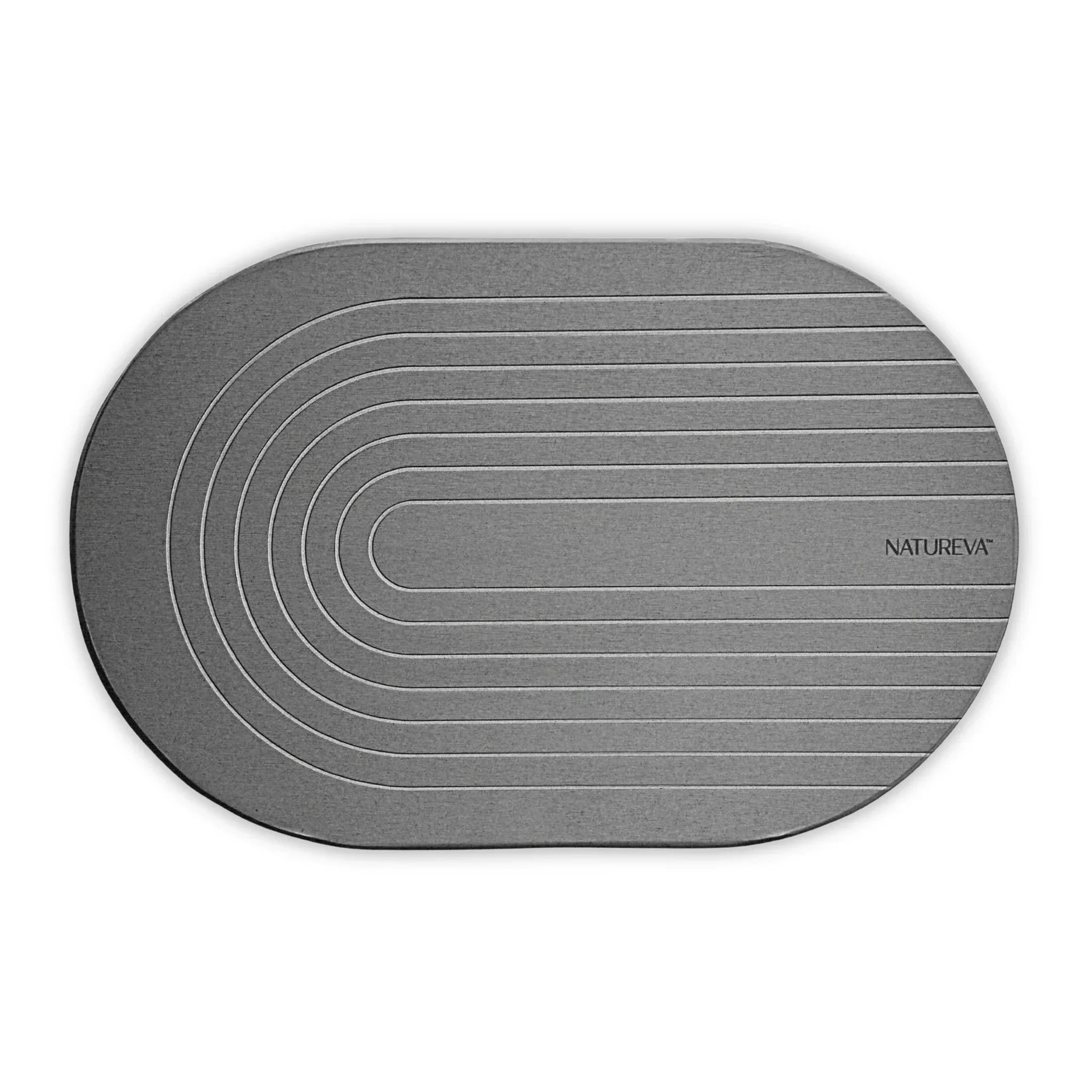

Stone Plant Saucers to Prevent Overflowing Water
Water sitting under indoor plants doesn’t just make a mess on furniture—it can deform wood, stain surfaces, and lead to mold and bacteria growth. Regular plastic or ceramic saucers trap water, causing more cleanup and potential damage. A stone plant saucer made of diatomite instantly absorbs surplus water and releases it naturally, keeping your surfaces dry and creating a healthier environment for your plants.
Table of Contents
Why Traditional Plant Saucers Create More Problems
Most plant owners don’t realize traditional saucers can harm their plants. That plastic or ceramic dish under your potted fern looks innocent but invites trouble. Water gathers at the bottom after each watering and just stays there. This stagnant water breeds fungus gnats, mold spores, and bacteria that can harm both your plant and home.
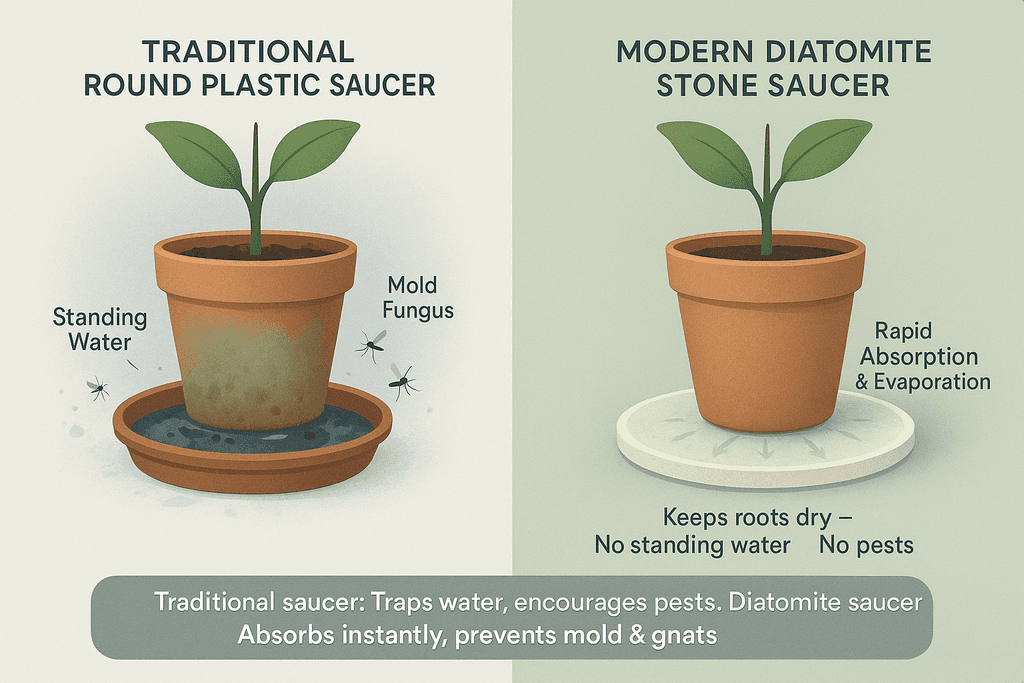
Conventional saucers’ main flaw is trapping moisture instead of controlling it. Roots sitting in constant water lead to root rot, which often kills houseplants. Even with careful watering, humidity and condensation collect below, creating a damp mess.
The Hidden Damage to Your Furniture
Water doesn’t stay contained in saucers as expected. Condensation forms on ceramic dishes, and plastic saucers often overflow, damaging wood surfaces with white rings and dark stains. Damage is often unnoticed until moving the plant reveals permanent markings.
This worsens in humid climates or summer. Standing water in a saucer for 24 hours can grow algae and attract pests. Fungus gnats lay eggs in moist environments, spreading infestations to other plants.
What Most Plant Owners Get Wrong
Proper drainage is key in plant care. You need enough water for healthy roots, but not enough to cause issues. Traditional saucers don’t help with balance.
- Plastic saucers are non-porous, holding all excess water
- Ceramic dishes look good but trap moisture through condensation
- Metal trays rust, unable to absorb or release water
- Cork and fabric saucers absorb water but remain damp, promoting mold
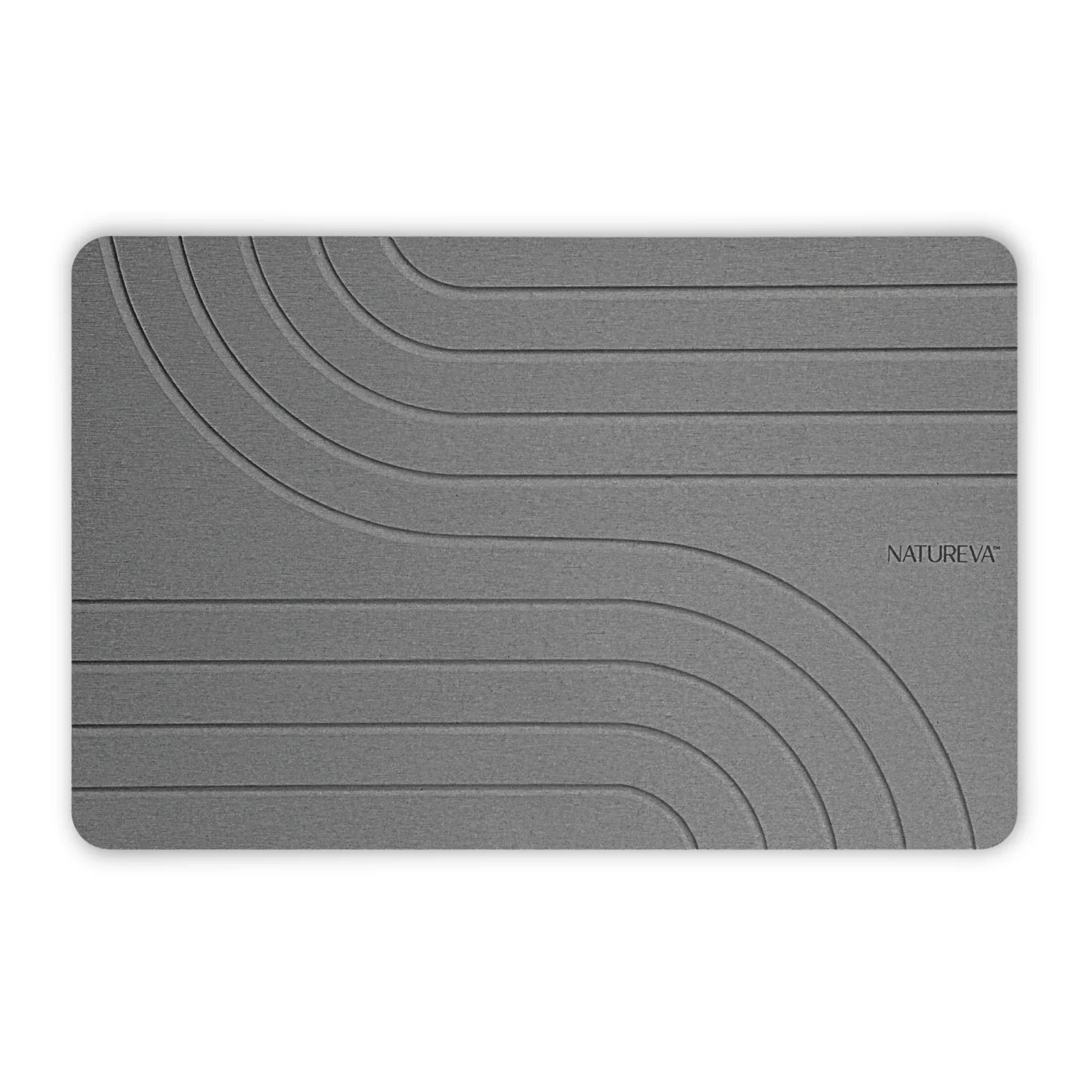
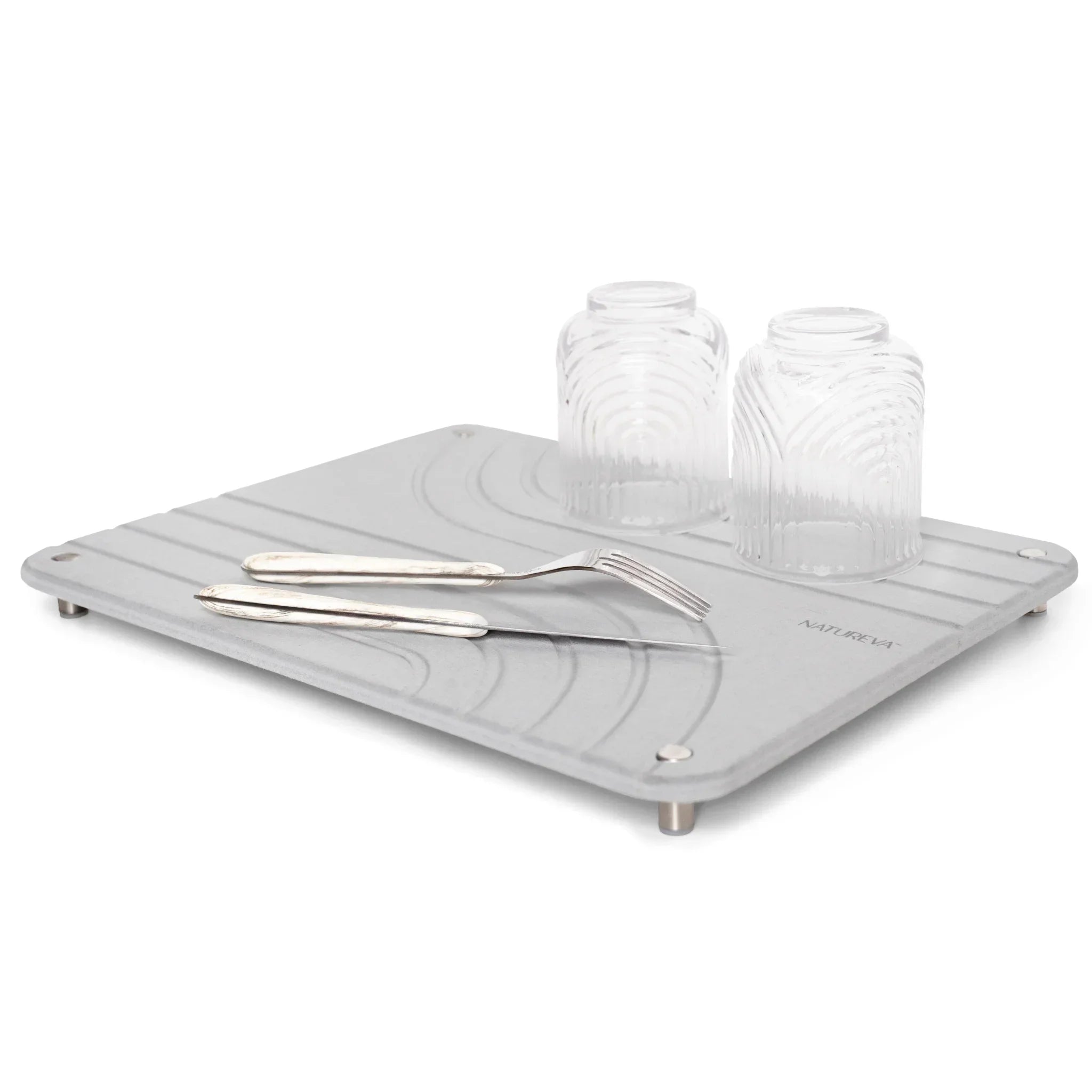
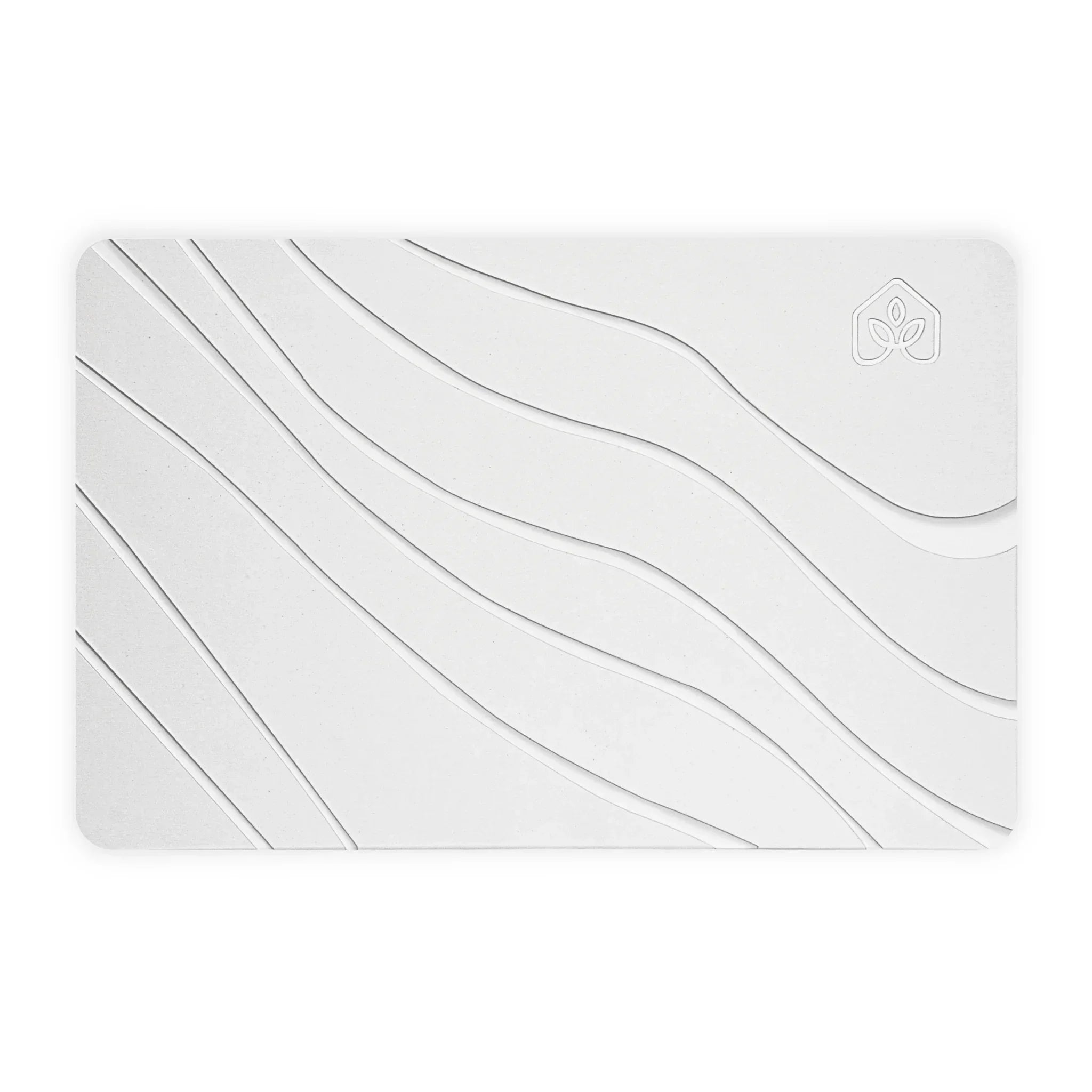
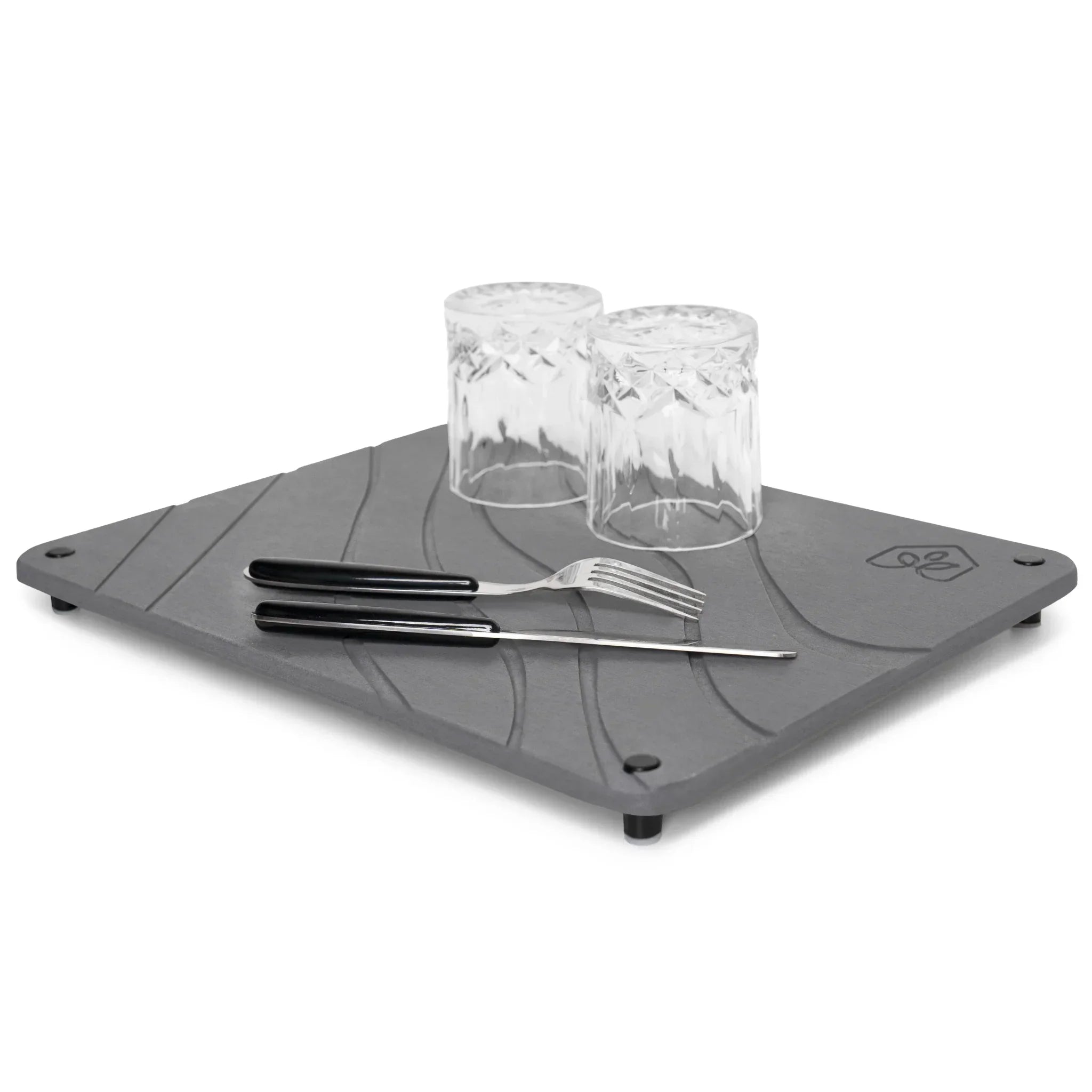
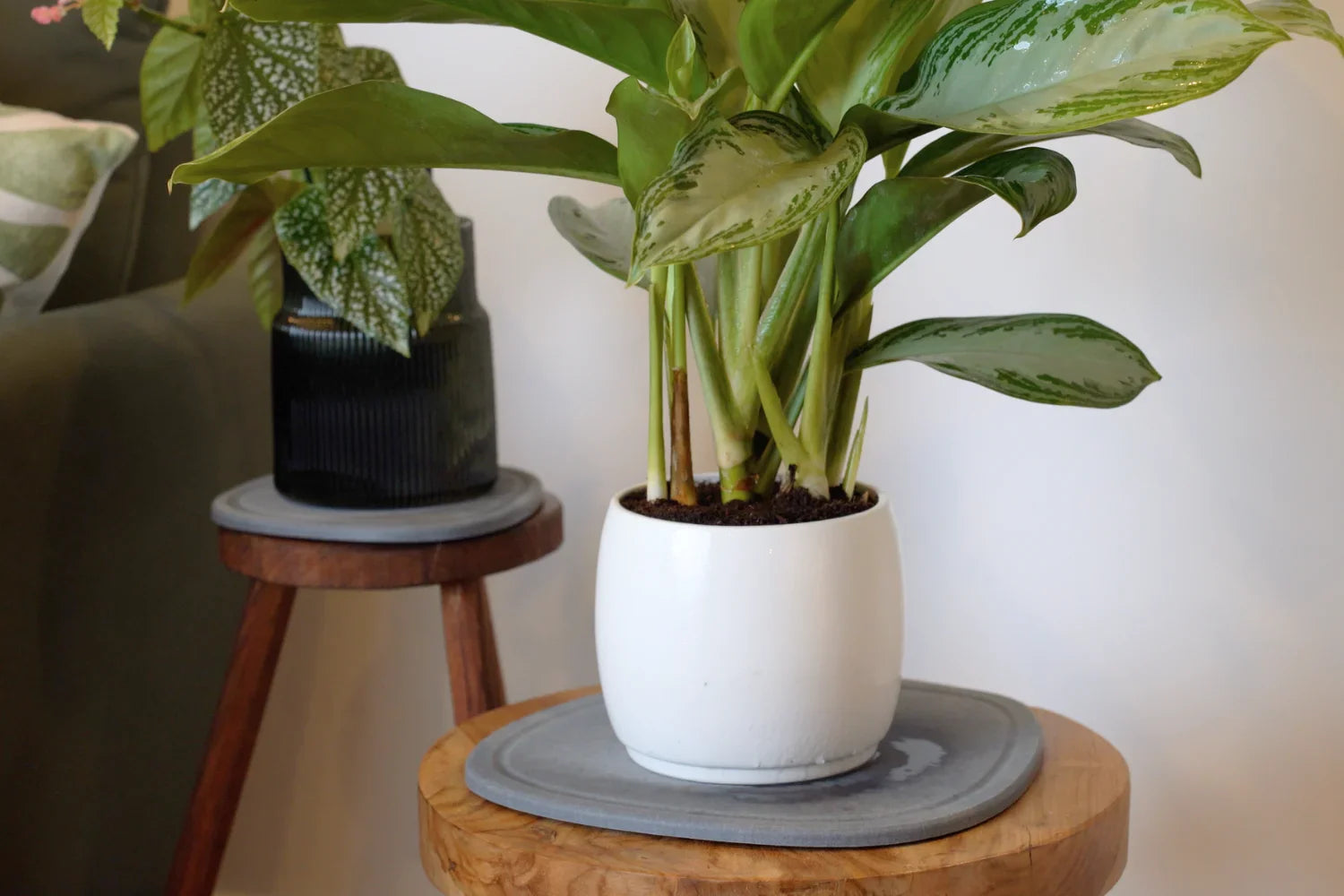
Stone plant saucers, made from diatomite, work differently. They absorb excess water and evaporate it. Natureva’s stone plant saucers sit on rubber pads, allowing airflow and drawing moisture from roots.
Comparing Saucer Materials
Saucers handle water differently. This table compares traditional options with stone saucers on factors vital for plant health and furniture protection.
| Factor | Plastic Saucers | Ceramic Saucers | Stone Saucers |
|---|---|---|---|
| Water Management | Holds water indefinitely | Traps water, slowly evaporates | Quickly absorbs and evaporates moisture |
| Hygiene | Breeds algae, gnats, mold | Algae forms in standing water | Natural antibacterial from fast drying |
| Surface Protection | Condensation harms furniture | Water rings from condensation | Design prevents surface contact |
| Maintenance | Frequent emptying required | Needs washing to remove buildup | Easy wipe down, self-drying |
| Durability | Prone to cracking and discoloring | Heavy and breaks easily | Light yet durable |
Material interaction with water is key. Traditional saucers catch water without managing it, leading to problems. Diatomite stone saucers effectively manage moisture, benefiting plants and furniture maintenance.
How Diatomite Stone Manages Plant Moisture Naturally
Indoor plant issues often stem from watering errors. Excess water drips into a saucer and stagnates, overflowing onto furniture or fostering bacteria and mold. Typical saucers trap moisture, causing water rings and damage.
How Diatomite Stone Manages Plant Moisture Naturally
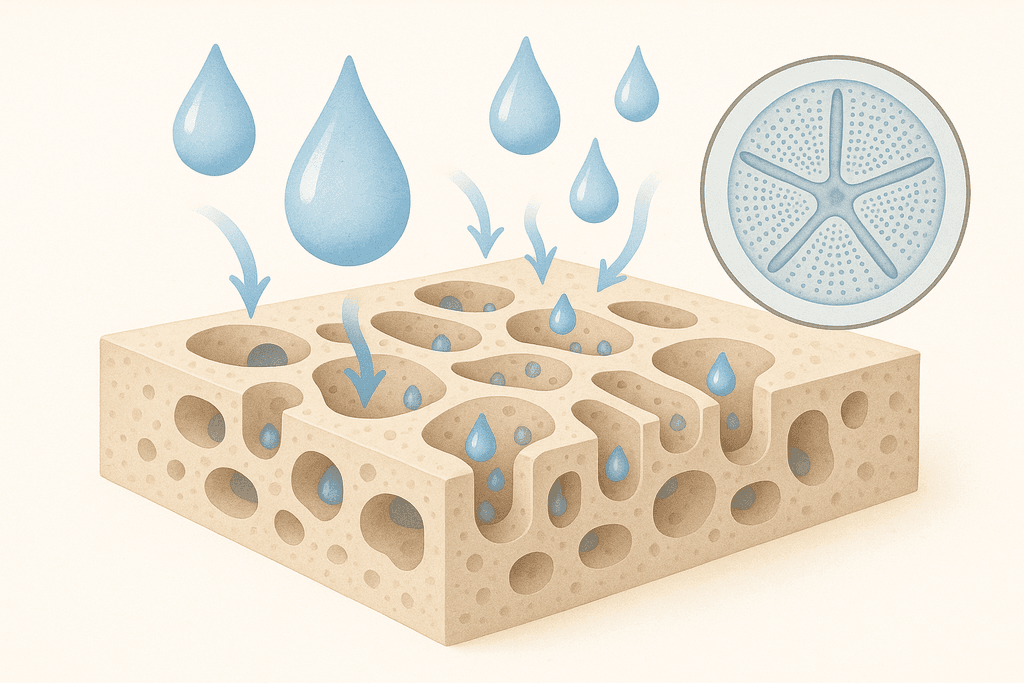
Stone plant saucers function uniquely due to their composition. Diatomite, a natural substance from fossilized algae, has millions of tiny pores. This structure absorbs water immediately, much faster than a sponge.
Why diatomite stands out:- Absorbs water instantly
- Evaporates moisture naturally
- Dries within minutes
- Lacks synthetic coatings
- Prevents bacterial growth from drying fast
Natureva stone plant saucers mix diatomite with recycled paper creating a stone-like product without plastic or finishes, so it's the material alone that manages water.
This process maintains consistent humidity, helping plants without root waterlogging. The ambient moisture benefits plants, avoiding rot risks.
Protecting Your Surfaces While Supporting Plant Health
Water damage appears without warning. One day the table is fine, months later a permanent mark appears. Constant wet contact with furniture causes issues even on "waterproof" finishes over time.
Protecting Your Surfaces While Supporting Plant Health
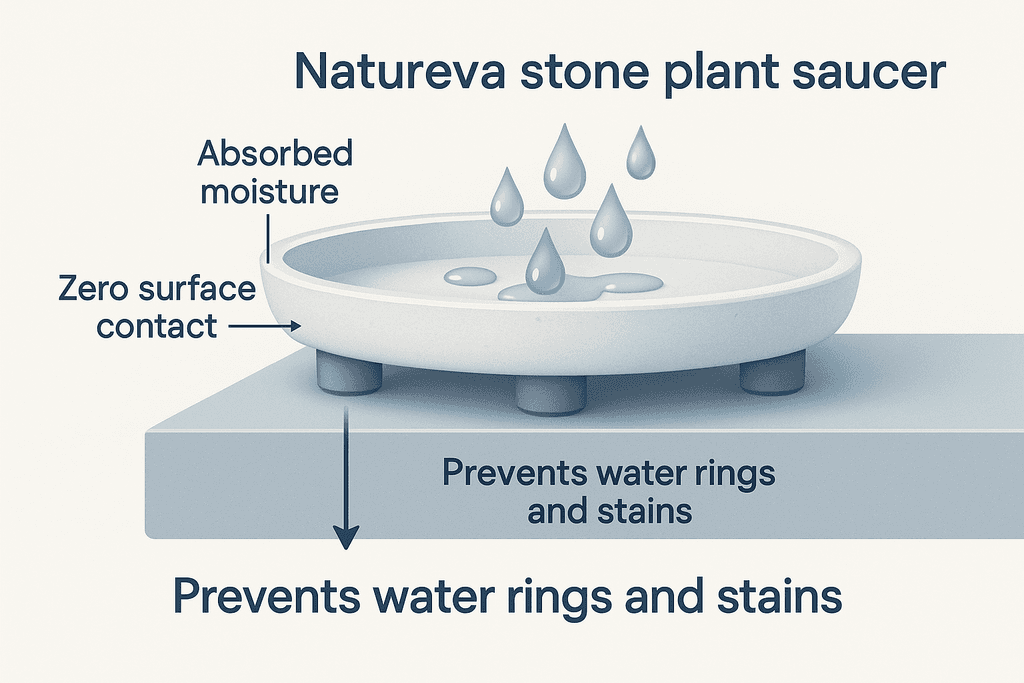
Stone plant saucers keep water away from furniture. Rubber pads elevate each saucer slightly above surfaces, allowing air to circulate below. Water is absorbed and then evaporated, preventing furniture contact.
How this helps your home:- Prevents moisture contact with surfaces
- Stops condensation buildup with airflow
- Absorbs spills instantly
- Avoids water rings and staining
- Safe for any surface without harm
Absorption occurs so quickly that even when overwatering, the saucer tackles it before any spills occur. Our stone plant saucers suit average indoor watering, ensuring overflow mishaps don’t matter.
Discover home products that prioritize simplicity and effectiveness, crafted for enduring sustainability.
SHOP ALLPlants also gain from this system. The slow evaporation creates a moisture pocket around plant leaves, preferred by many houseplants. It gently raises humidity without making the room feel wetter.
Choosing the Right Size and Maintaining Your Stone Saucer
The right saucer size is more important than it seems. A too-small saucer misses water, and a too-large one looks awkward and takes unnecessary space. Natureva offers two sizes fitting most indoor pots, the 20 × 20 cm small saucer fits up to 18 cm pots, while the 30 × 30 cm large handles pots to 28 cm.
Use the small saucer for desks and smaller pots. The large is for statement floor plants and kitchen herbs. Having both sizes means rearranging plants without needing new saucers.
Maintenance is easy:- Weekly wipe with vinegar-water
- Rinse if there's soil buildup
- Ensure it air dries fully before reuse
- If absorption lessens, use the sanding tool
- Avoid harsh or colored chemicals
When absorption slows due to hard water buildup, a quick sanding opens the pores, restoring original speed. It extends saucer life.
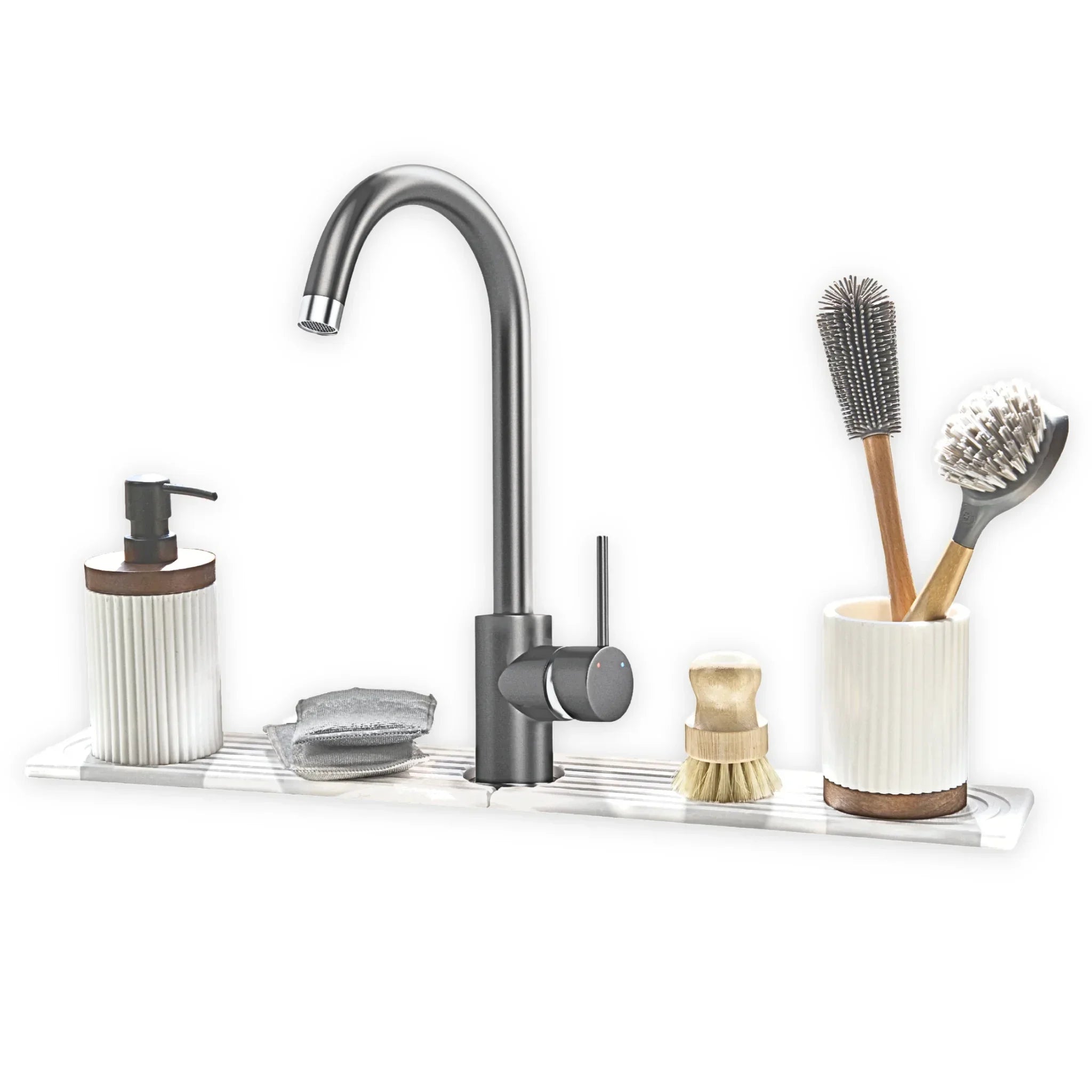
For those with plants by kitchen windows or bathroom counters, considering diatomite accessories complement saucers well. The stone coasters and sink caddies also manage condensation effectively.
- Weekly wipe clean with vinegar solution
- Monthly mineral buildup check
- If slowing, sand the surface
- Allow complete air drying
- Store upright when not in use
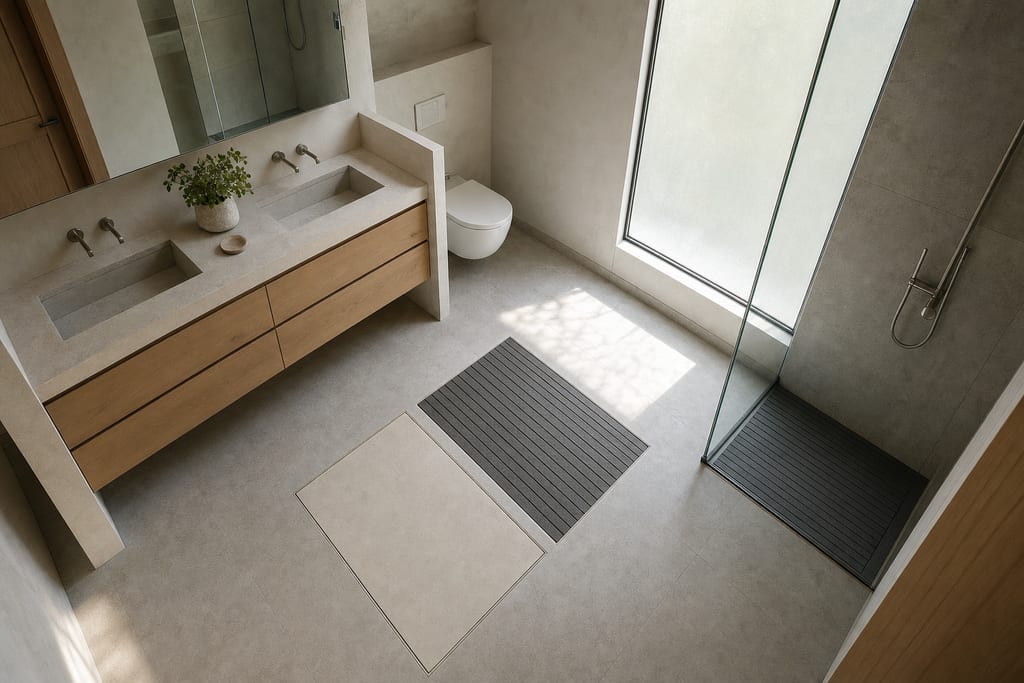
Similar care works across all Natureva products, from the bath mat to dish mat or plant saucer. Keep it clean and occasionally sand, most find it only necessary once every few months.
A Cleaner Way to Care for Indoor Plants
Indoor plants brighten homes, but excess water doesn’t need to saturate your furniture. Plastic or ceramic saucers hold water below, forming puddles that stain surfaces. The stone plant saucer innovates by capturing extra water immediately and letting it evaporate naturally. Your furniture avoids strain, your plants maintain drainage, and checking for accidents with each watering is avoided.
Diatomite does what plastic cannot. Rather than allowing water to stand, it actively absorbs moisture, drying within hours and saving you from indoor garden odors.
Maintaining is straightforward. A clean wipe and periodic sanding when needed revitalize absorption. The two-sized set (20 × 20 and 30 × 30 cm) includes protective rubber pads for safe contact on any surface. These are durable solutions standing in contrast to cheap plastic replacements.
If utilizing other diatomite products in your house, the plant saucers integrate seamlessly by design. Tried and true, expanding to plant care exemplifies the stone’s real impacts in home settings.
Common Questions About Stone Plant Saucers
How much water can stone plant saucers absorb?
A stone plant saucer can absorb several tablespoons at a time, depending on size. Diatomite material pulls moisture through numerous tiny pores, then releases it by evaporation. Once it dries, you can use it to absorb again, which happens after a few hours in normal room conditions.
Do they work with all types of indoor plants?
Yes, stone plant saucers suit any indoor plant in pots with drainage holes. They're ideal for regular watering plants, like ferns, pothos, or peace lilies. The saucer captures overflow, helping ensure that spills don’t damage furniture or floors. Just align pot and saucer sizes for effectiveness.
How often do they need to be cleaned or maintained?
A weekly simple wipe with vinegar keeps them looking good and functional. If you spot mineral buildup from fertilizer, rinse under water and brush gently. Use the sanding tool for tougher stains. It all takes under a minute.
Can they handle heavy pots without breaking?
Stone plant saucers are surprisingly robust despite feeling light. The combined diatomite and paper composite supports standard indoor pots easily. Natureva's stone plant saucers come in two sizes, the larger saucer weighing 0.6 kg is designed for up to 25 cm diameter pots. Just avoid excessive weight like large ceramic planters.
What happens if the saucer becomes saturated?
If the saucer is overfilled and can't absorb more, water pools on top instead. Simply pour away excess, letting it dry for a few hours. Stand it upright for quicker drying, then reuse it as usual.
Are they safe for all furniture surfaces?
Yes, stone plant saucers include rubber pads to protect furniture from sliding and scratching. The pads also allow airflow underneath, preventing trapped moisture between surfaces. This keeps saucers and furniture in better condition.
Explore the future of homecare: naturally sustainable, smarter solutions crafted with purpose.
SHOP ALL